Vitamin C Benefits for Skin and Health Plus the Best Foods
Discover the incredible benefits of Vitamin C for your skin and overall health, learn which foods are packed with it, and how to get enough daily.

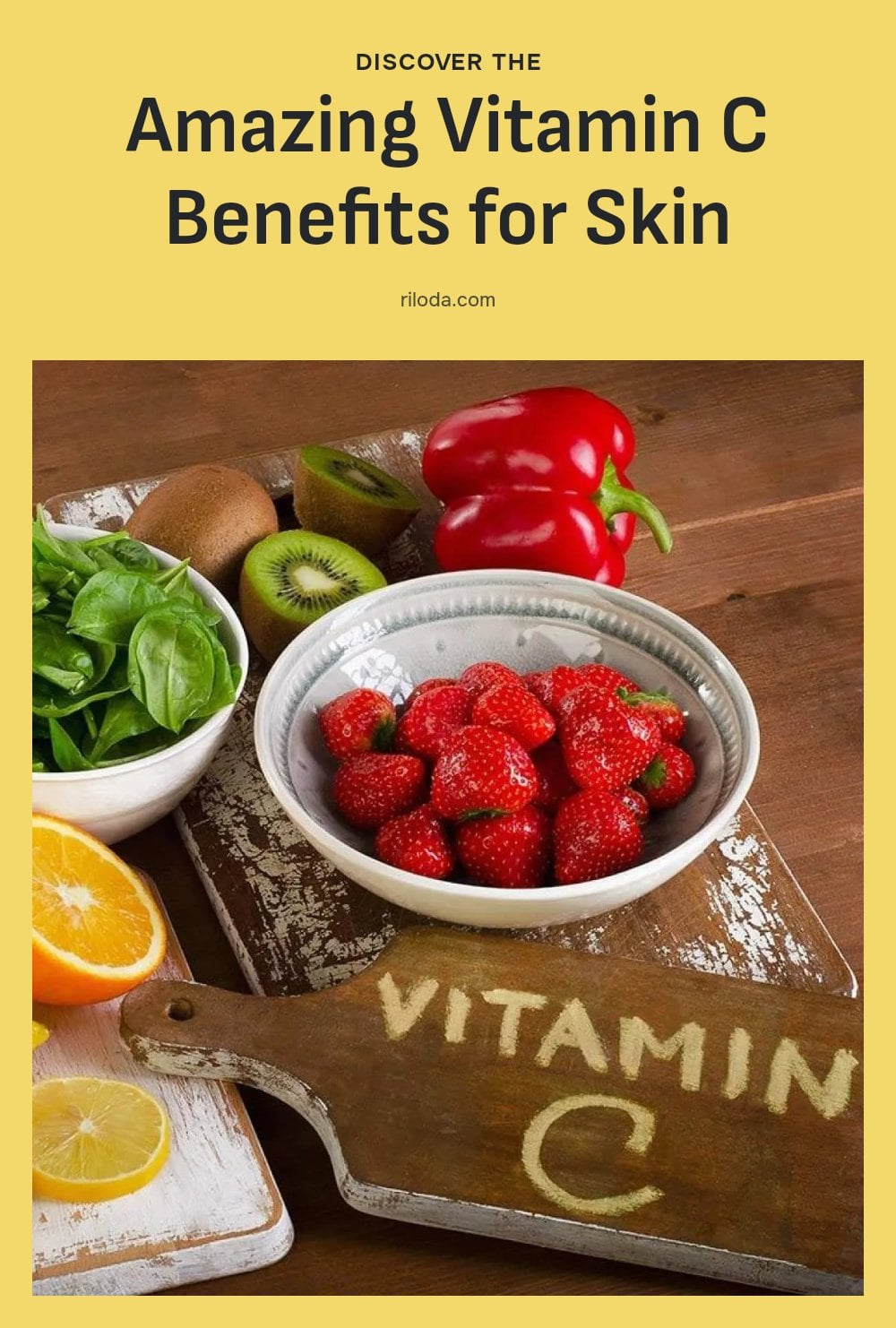
You probably already know that vitamin C is good for you, but you might not realize how much it does behind the scenes. From helping your immune system fight off bugs to keeping your skin firm and bright, this water-soluble nutrient is a powerhouse you need every single day. In this article, I’ll walk you through the key benefits, the best food sources, and a few practical tips for getting the most out of vitamin C, whether you eat it or apply it.
Key Takeaways
- Eat vitamin C-rich foods daily since your body can’t store it and needs a fresh supply.
- Pair vitamin C with plant-based iron sources like spinach or beans to boost absorption.
- Apply topical vitamin C in the morning under sunscreen for antioxidant and brightening benefits.
- Keep supplements and serums in a cool, dark place to prevent them from degrading.
- Stick to whole foods first; only use supplements if your diet is low in vitamin C.
What is Vitamin C and Why is it Essential?
Vitamin C, also known as ascorbic acid, is a water-soluble vitamin and a powerful antioxidant your body relies on for immune support, collagen production, and cell protection. Because our bodies cannot produce it, we have to get it from food or supplements. And since it isn’t stored, you need a steady supply every day to keep those benefits coming.
1. Boosts Your Immune System

Vitamin C supports both your innate and adaptive immune systems, helping your body identify and fight off illness. It encourages the production of white blood cells, which are your first line of defense against pathogens.
- Supports the function of immune cells like phagocytes and lymphocytes.
- Helps these cells travel to infection sites.
My tip: While vitamin C won’t cure a cold, consistent daily intake can help your immune system stay prepared and respond more effectively.
2. Powerful Antioxidant Protection
As a potent antioxidant, vitamin C protects your cells from damage caused by free radicals, unstable molecules that can accelerate aging and contribute to chronic diseases. This protective action is one of its most significant health benefits, working at the cellular level to keep your tissues healthier for longer.
3. Essential for Collagen Production

Vitamin C is absolutely critical for the biosynthesis of collagen, the main protein in your skin, tendons, ligaments, and blood vessels. Without enough of it, your body can’t form or maintain strong connective tissue, which is why it’s vital for wound healing and skin elasticity. I’ve seen firsthand how consistent intake makes a difference in skin firmness and recovery.
4. Enhances Iron Absorption
Pair iron-rich plant foods with vitamin C to get more iron from every meal. Vitamin C significantly enhances the absorption of non-heme iron, the type found in beans, lentils, spinach, and tofu. This matters most if you follow a vegetarian or vegan diet, since plant-based iron is harder for your body to use than the heme iron in meat.
My tip: Squeeze lemon juice over cooked spinach or add bell pepper strips to a bean salad. A simple side of strawberries with oatmeal works too. The vitamin C essentially unlocks the iron, so your body can actually use what you eat.
5. Supports Healthy Skin (Topical Use)

Topical vitamin C serums bring the antioxidant straight to your skin, where it helps stimulate collagen production and can brighten your overall tone. Many people find that regular use reduces the appearance of dark spots and evens out discoloration over time.
Tip: Consistency is what makes the difference. Apply a few drops in the morning before moisturizer and sunscreen. Vitamin C does not replace SPF, so always layer both. Results typically show after several weeks of daily use, not overnight.
6. Best Dietary Sources of Vitamin C

Oranges and grapefruits are the classic go-to, but they are far from the only option. Red and yellow bell peppers actually contain more vitamin C per serving than citrus fruits. Strawberries, kiwi, broccoli, and leafy greens like spinach and kale are also packed with it.
Aim for a colorful plate across the day. Toss sliced strawberries into your morning yogurt, add roasted peppers to lunch, and steam broccoli for dinner. Different sources also bring other nutrients, so variety gives you more than just vitamin C.
7. Recommended Daily Intake
The Recommended Daily Allowance for adult women is 75 mg per day, and for adult men it is 90 mg per day. Smokers need an extra 35 mg daily because smoking increases oxidative stress and depletes vitamin C faster.
Most people can hit these numbers through food alone. One medium orange provides about 70 mg, and a half cup of raw red bell pepper delivers around 95 mg. If you are unsure whether you meet your needs, check with a healthcare professional before adding supplements.
8. Preserving Vitamin C in Foods

Vitamin C starts to break down when it’s exposed to heat, air, and water, so how you prep your produce matters. Prolonged heat, boiling, and exposure to air can significantly reduce the vitamin C content. Lightly steaming or eating raw fruits and vegetables keeps most of it intact. Good to know: If you do cook, go for quick methods like stir-frying or blanching for just a minute or two. Even cutting fruits and vegetables right before eating helps limit nutrient loss from air exposure.
9. Understanding Supplements
Whole foods should always be your first source of vitamin C, but supplements can help if your diet falls short. The catch is that high doses, especially above 2,000 mg per day, often cause digestive side effects like diarrhea, nausea, and stomach cramps. Caution: Always talk to a healthcare professional before starting a high-dose supplement, particularly if you have kidney stones or a condition like hemochromatosis. Your body absorbs vitamin C best from food anyway, so think of supplements as a backup, not a replacement.
10. Watch Out for Deficiency
Severe vitamin C deficiency leads to scurvy, a condition marked by fatigue, swollen and bleeding gums, joint pain, and slow wound healing. While scurvy is rare in developed countries today, it shows just how essential this nutrient is for your body’s basic functions. If you notice persistent symptoms like easy bruising, tiredness, or gum changes, see a doctor rather than trying to self-treat. A simple blood test can check your levels and guide the right next steps.
11. Storage and Stability

Both vitamin C supplements and topical serums degrade when exposed to light, heat, and air. Store your supplements in a cool, dark place, not on the kitchen counter near the stove. For serums, look for opaque or dark glass bottles and keep the cap tightly closed. Good to know: If your serum turns a deep yellow, orange, or brown, it has likely oxidized and may irritate your skin or lose its effectiveness. Replace it to get the full antioxidant and brightening benefits.
When to Consult a Healthcare Professional
If you notice persistent fatigue, bleeding gums, or slow wound healing, it could point to a vitamin C deficiency, and a doctor can order a blood test to confirm. Before starting high-dose vitamin C supplements, talk to a healthcare professional if you have kidney stones or hemochromatosis, since excess vitamin C can worsen these conditions. Also check in if you experience ongoing digestive upset from oral supplements or skin irritation from topical products, as adjustments may be needed.
Frequently Asked Questions
Can vitamin C prevent colds?
No, vitamin C cannot prevent the common cold. However, some research suggests that taking it regularly may slightly shorten the duration or reduce the severity of symptoms. It is not a cure, so don’t rely on it to keep you from getting sick.
How much vitamin C should I take daily?
The Recommended Daily Allowance is 75 mg for adult women and 90 mg for adult men. Smokers need an extra 35 mg per day due to increased oxidative stress. Most people can meet these amounts through diet alone, but if you use supplements, don’t exceed 2,000 mg per day without medical supervision.
Is topical vitamin C better than oral for skin?
They serve different purposes. Oral vitamin C supports collagen production from the inside out, while topical vitamin C delivers antioxidants directly to the skin surface. For the best results, many people use both: eat a vitamin C-rich diet and apply a serum in the morning. Neither replaces sunscreen.
What are the signs of vitamin C deficiency?
Early signs include fatigue, swollen or bleeding gums, joint pain, and slow wound healing. A severe deficiency leads to scurvy, which is rare in developed countries but serious. If you notice these symptoms, a doctor can run a blood test to check your levels.
Can I get too much vitamin C from food?
It is very unlikely to get too much vitamin C from food alone. Your body excretes excess water-soluble vitamins, and food sources rarely provide the high doses that cause side effects. Problems like diarrhea and stomach cramps usually come from supplements above 2,000 mg per day.
Does cooking destroy all vitamin C in food?
No, but prolonged heat, boiling, and exposure to air can significantly reduce the vitamin C content. Lightly steaming or eating raw vegetables helps preserve most of it. My tip: if you do cook them, use minimal water and keep the cooking time short.
Final Thoughts
If you want one simple change that supports your whole body, start by adding a handful of strawberries or a side of steamed broccoli to your day. Be patient with topical vitamin C, it can take a few weeks to a few months before you see a real difference in your skin. Bottom line: vitamin C is a daily essential, not a quick fix, so make it a consistent part of your routine.
This article is for general informational purposes only and does not constitute medical advice. Vitamin C needs and safety can vary based on individual health conditions. Always consult a healthcare professional before starting any new supplement regimen, especially if you have kidney stones, hemochromatosis, or other underlying issues.
More Blog ideas
- How to Use Rose Water for Radiant Skin and Healthy Hair
- What Is My Personality Type? Understanding Yourself Better
- How to Clean Your Pores at Home
- How to Start Shadow Work for Deeper Self-Understanding
- How to Prep Your Hair Before Bleaching for Less Damage
- How to Prepare Sea Moss Gel at Home for Wellness
- How to Use Rice Water for Glowing Skin and Shiny Hair
- How to Find Morning Motivation When You Want to Stay in Bed
- Filing Nails: How to File Nails Correctly for Strong, Healthy Fingernails
- Healthy Coping Skills: Proven Strategies for Difficult Times
- Simple Ways to Romanticize Your Life Every Day
- Effortless Shower Cleaning