Effortless Shower Cleaning: Keep Glass and Tiles Spotless While Showering
Learn effective shower cleaning tips to banish soap scum and hard water stains, keeping your shower spotless after showering.

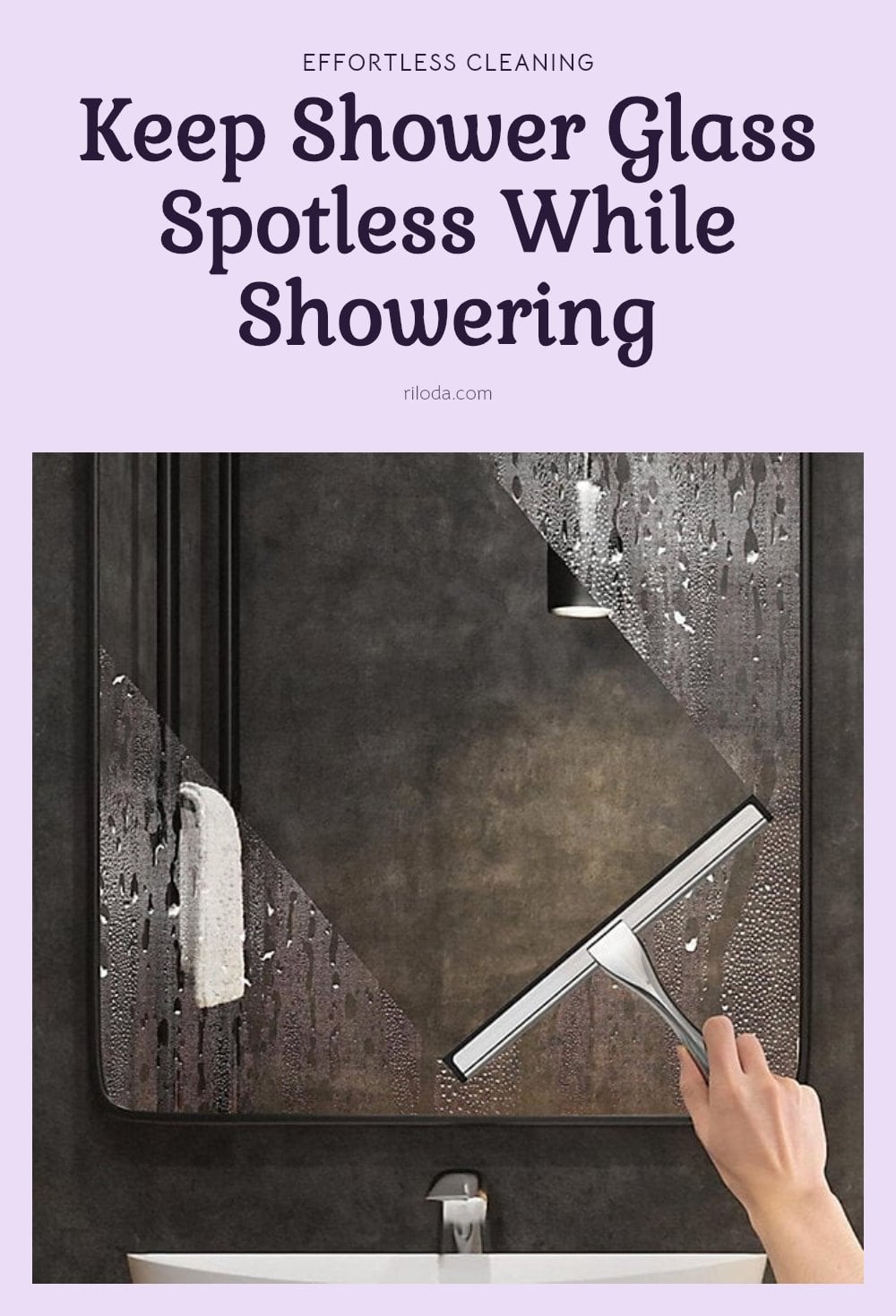
You step out of the shower, and within minutes, those cloudy water spots and soap scum lines start showing up on your glass and tiles. It’s frustrating, but the good news is you don’t need a pro to keep them spotless. This article covers the daily habits and weekly cleaning methods that stop buildup before it starts, from squeegeeing to using vinegar and baking soda.
Key Takeaways
- Squeegee shower glass after every use to reduce water spots by up to 90%.
- Wipe down tiles and fixtures with a microfiber cloth daily to prevent hard water stains.
- Use white vinegar (equal parts with water) weekly to dissolve mineral deposits and soap scum.
- Apply a water-repellent coating to glass to make future cleaning easier.
- Ensure proper ventilation by running the exhaust fan for 20 minutes after showering.
The Secret to a Sparkling Shower
A clean shower is about preventing buildup as much as removing it. Daily habits like squeegeeing glass and drying tiles stop water spots and soap scum before they set. Once a week, use an acidic cleaner like vinegar on hard water stains and a baking soda paste on grout. This two-part system keeps the whole shower looking fresh without a major scrub every time.
1. Squeegee Your Shower Glass Daily
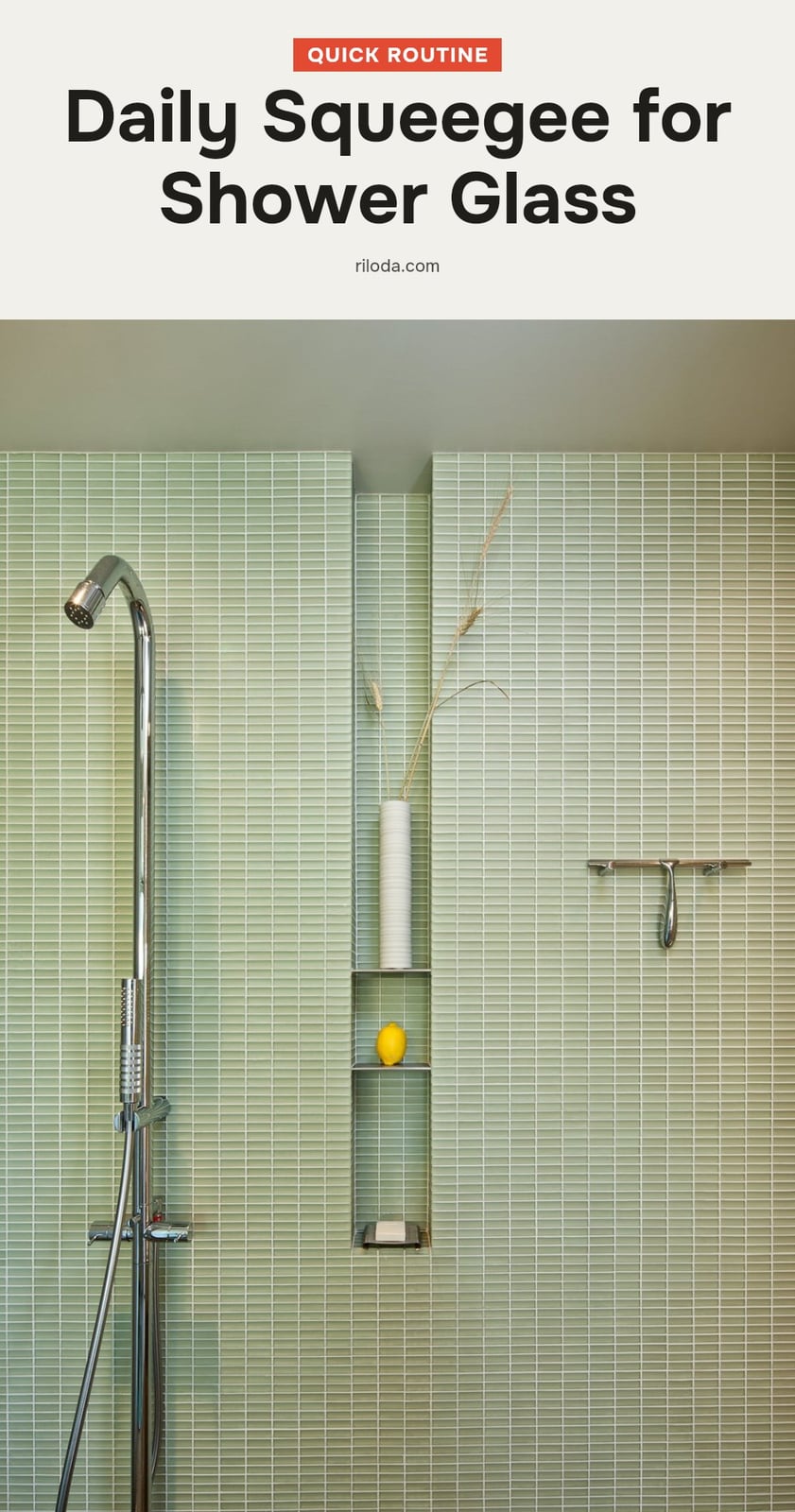
Squeegeeing the glass after every shower cuts water spots by up to 90%. Soap scum and mineral deposits can’t form if the water is gone. My tip: Hang a squeegee inside the shower so you can grab it while you’re still in there. One quick pass across the glass takes under 30 seconds and saves you from scrubbing later.
2. Wipe Down Tiles and Fixtures
Wipe down tiles, faucets, and handles with a microfiber cloth after you shower. This removes the water that would otherwise evaporate and leave hard water stains. It takes less than a minute but it stops mineral buildup on every surface, not just the glass door.
3. Harness the Power of Vinegar
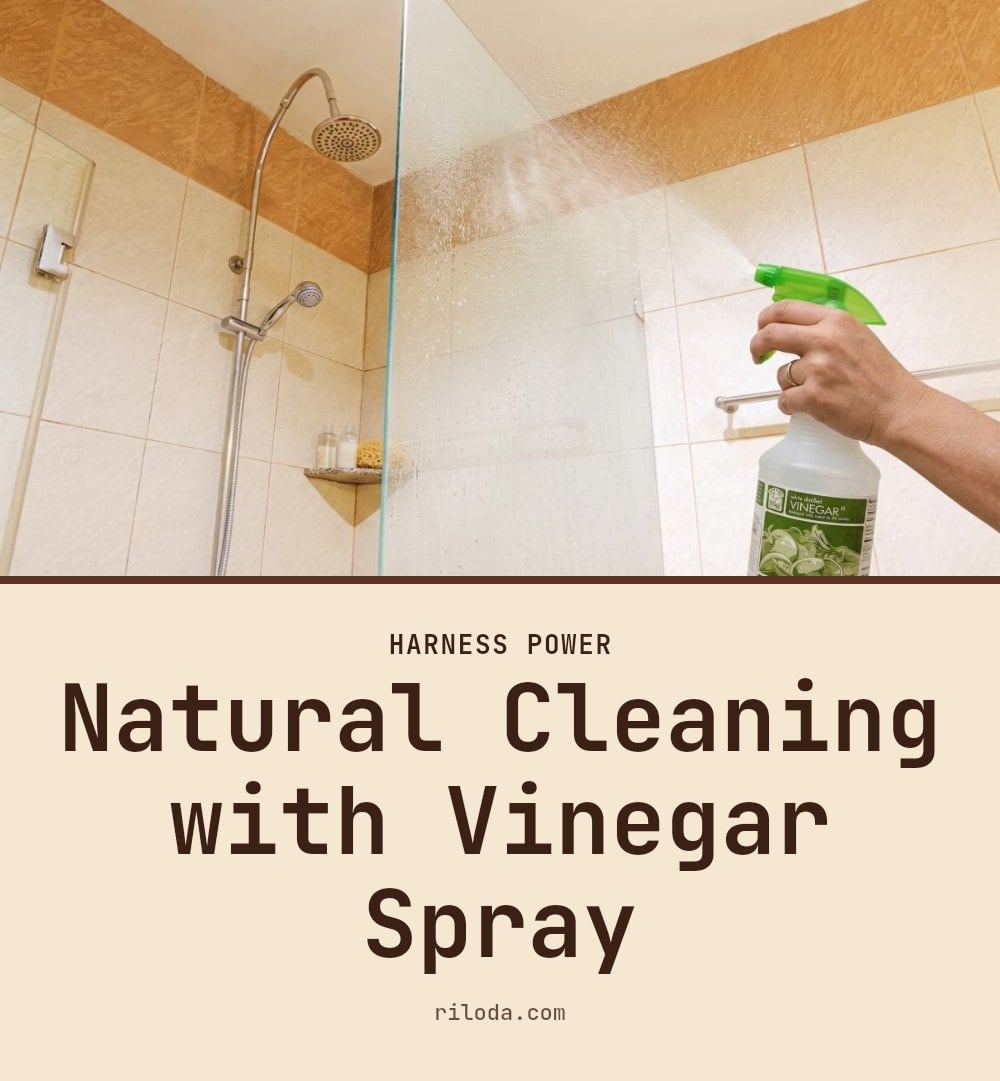
White vinegar dissolves the calcium and magnesium in hard water stains and breaks down soap scum. Fill a spray bottle with equal parts vinegar and water, spray the glass and tiles, and let it sit for 15 to 20 minutes for heavy stains. Scrub with a soft brush or sponge, then rinse well. Caution: Do not use vinegar on natural stone tiles like marble or travertine. The acid can etch the surface and cause permanent dull spots.
4. Banish Grout Grime with Baking Soda

Baking soda is a mild abrasive, which makes it the right tool for grout: it lifts grime without scratching the tile or the grout lines. Mix it with just enough water to form a thick paste, then apply it along the grout with your fingers or an old toothbrush.
Let the paste sit for a few minutes, then scrub the lines with a soft grout brush or an old toothbrush. Rinse with clean water and check the result before you repeat.
- Good to know: Baking soda also deodorizes, so it helps with musty grout lines.
5. Boost Grout Brightness with Hydrogen Peroxide
Hydrogen peroxide brightens grout and helps combat mildew, so it works well as a second step after the baking soda scrub. Apply it directly to the grout lines with a spray bottle or a small brush.
Let it bubble for a few minutes, then rinse thoroughly with clean water so no residue is left behind.
My tip: This is especially effective for refreshing older, discolored grout that looks gray no matter how often you scrub it.
6. Consider a Commercial Cleaner
For very stubborn soap scum or hard water stains, a commercial shower cleaner made for those specific problems can save you a lot of scrubbing. Match the cleaner to the stain: a general bathroom spray will not cut heavy mineral deposits.
Check that the product suits your surfaces. Acidic cleaners can etch natural stone like marble or travertine, so pick a formula labeled for stone if that is what you have.
Tip: Read the instructions carefully and test on an inconspicuous area first.
7. Apply a Water-Repellent Coating
A water-repellent coating on shower glass creates a barrier that stops water and soap scum from adhering in the first place. Water beads up and rolls off, which makes your daily squeegee pass faster and more effective.
Apply it to clean, dry glass according to the product instructions, and reapply periodically to keep the protection going.
8. Ensure Proper Ventilation
Mold and mildew thrive in humid environments, so reducing moisture in the air is essential between deep cleans. Run the exhaust fan during your shower and leave it on for at least 20 minutes afterward to pull out the damp air. If your bathroom doesn’t have a fan, open a window and prop the shower door open to let everything dry out completely.
9. Don’t Forget the Details

Showerheads, faucets, and drain covers collect mineral deposits and soap residue just as much as the glass does. Clean them weekly by spraying them with your vinegar solution or wiping them down with a damp microfiber cloth. Use an old toothbrush to scrub around the base of faucets and inside the drain cover where grime hides.
10. Rinse Thoroughly After Cleaning
After you finish scrubbing and spraying, rinse every surface with clean water until no suds or cleaning solution remain. Leftover residue can leave streaks on glass and create a slippery film on the floor, which is a safety hazard. A final rinse also protects your shower surfaces from long-term chemical damage.
11. Wear Gloves and Ventilate

Cleaning solutions contain chemicals that can irritate skin and lungs, so put on rubber gloves before you start. Turn on the exhaust fan or open a window to keep fumes from building up in the small bathroom space. These two steps take less than 30 seconds and prevent unnecessary exposure while you work.
Common Shower Cleaning Mistakes to Avoid
Waiting Too Long: Soap scum and hard water stains get harder to remove the longer they sit. Consistent weekly cleaning prevents stubborn buildup.
Using the Wrong Cleaner: A general all-purpose cleaner won’t dissolve heavy mineral deposits. Match the cleaner to the stain: vinegar for hard water, a commercial soap scum remover for greasy residue.
Forgetting to Dry Surfaces: Skipping the post-shower wipe-down lets water evaporate and leave spots. That undoes most of your cleaning effort.
Using Abrasive Tools: Harsh scrubbers or steel wool scratch glass and tile. Stick to microfiber cloths and soft brushes for safe cleaning.
Neglecting Grout: Grout is porous and absorbs dirt, which leads to permanent discoloration and mold. Clean it regularly to avoid deep staining.
Frequently Asked Questions
How often should I clean my shower?
Daily habits like squeegeeing and wiping down surfaces take less than a minute and prevent buildup. For a deeper clean, do a thorough scrub on glass, tiles, and grout once a week. If you have very hard water or high humidity, you may need to clean twice a week to stay ahead.
Can I use bleach to clean shower grout?
Bleach can kill mold and mildew on grout, but it won’t remove mineral deposits or soap scum. For general grout cleaning, baking soda paste followed by hydrogen peroxide is safer and more effective. Never mix bleach with ammonia or acidic cleaners like vinegar, as that creates toxic fumes.
What if my shower glass already has heavy hard water stains?
Heavy stains may need a commercial hard water stain remover or a stronger vinegar soak. Apply full-strength white vinegar to the glass, let it sit for 15 to 20 minutes, then scrub with a non-abrasive pad. For very stubborn deposits, you might need multiple treatments or a professional product.
Are daily shower sprays really effective?
Yes, a daily spray formulated to prevent soap scum and hard water buildup can help between weekly cleanings. It works best if you use it right after showering on wet surfaces, without rinsing. However, it’s not a substitute for a weekly deep clean with an acidic cleaner.
How do I prevent mold in my shower?
Reduce humidity by running the exhaust fan during and for 20 minutes after showering. Squeegee glass and wipe down tiles to remove standing water. Clean grout regularly with baking soda and hydrogen peroxide to kill spores before they spread. Fix any leaks or standing water promptly.
Final Thoughts
My tip: Pick one day a week for a 15- to 30-minute deep clean, and stick to the daily squeegee routine in between. You’ll see immediate results after each cleaning, and consistent effort keeps stubborn grime from ever taking hold. A spotless shower is about small, regular actions, not a once-in-a-while marathon scrub.
More Blog ideas
- How to Use Rose Water for Radiant Skin and Healthy Hair
- What Is My Personality Type? Understanding Yourself Better
- How to Clean Your Pores at Home
- Vitamin C Benefits for Skin and Health Plus the Best Foods
- How to Start Shadow Work for Deeper Self-Understanding
- How to Prep Your Hair Before Bleaching for Less Damage
- How to Prepare Sea Moss Gel at Home for Wellness
- How to Use Rice Water for Glowing Skin and Shiny Hair
- How to Find Morning Motivation When You Want to Stay in Bed
- Filing Nails: How to File Nails Correctly for Strong, Healthy Fingernails
- Healthy Coping Skills: Proven Strategies for Difficult Times
- Simple Ways to Romanticize Your Life Every Day