Healthy Coping Skills: Proven Strategies for Difficult Times
Discover healthy coping skills to manage stress and difficult emotions. Learn practical strategies to build your toolkit and navigate life's challenges.

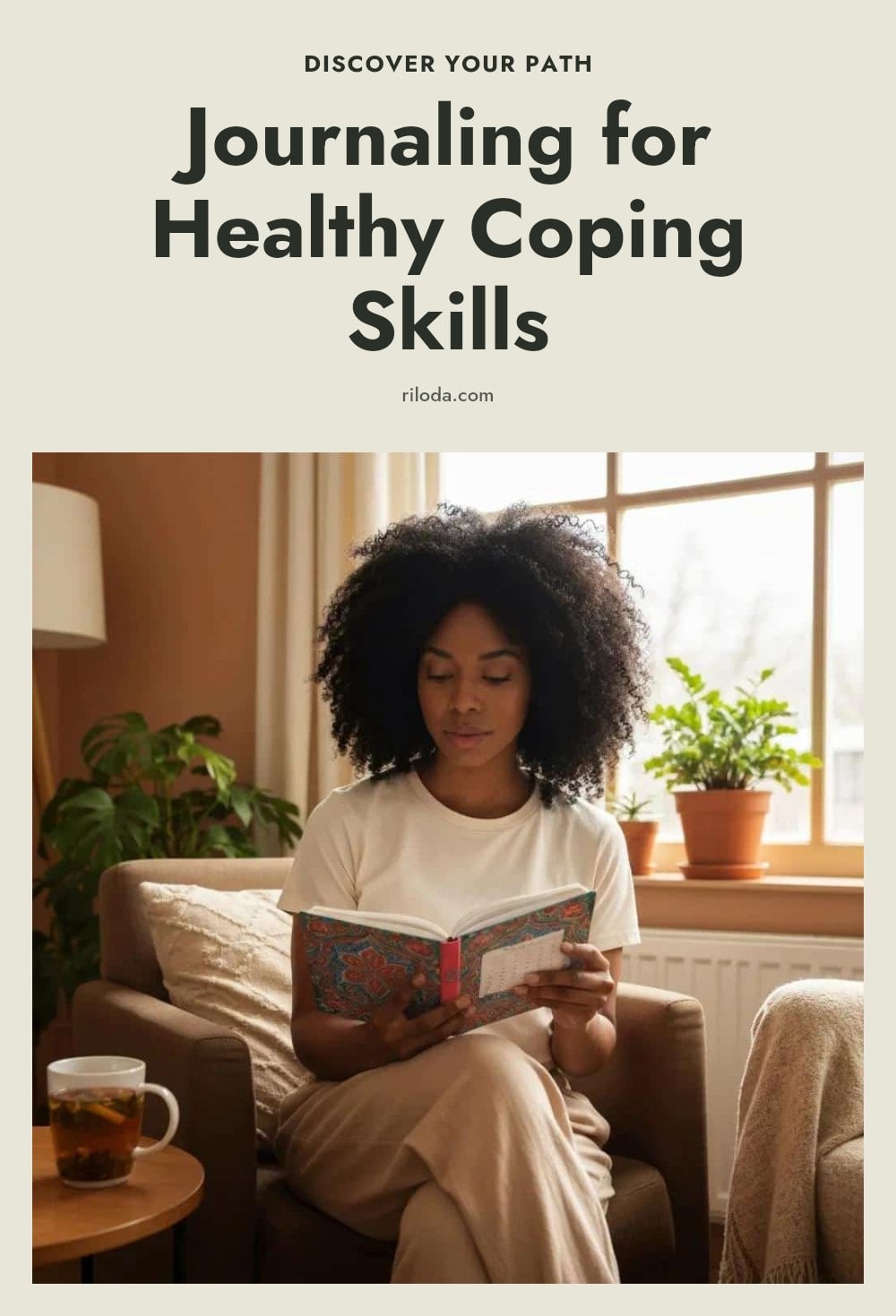
We all have those days when stress feels heavy and emotions run high. You’re not alone in wanting practical ways to navigate those moments. This article breaks down healthy coping skills into two main types: problem-focused strategies that tackle the cause of stress and emotion-focused strategies that help you manage how you feel. I’ll share actionable ideas you can try today to build your own coping toolkit.
Key Takeaways
- Coping skills are learned behaviors, not something you are born with.
- Problem-focused coping changes the source of stress; emotion-focused coping manages your reaction.
- Healthy coping promotes well-being and avoids long-term harm to yourself or others.
- Build a diverse toolkit of skills so you can adapt to different stressors.
- If coping skills feel insufficient, seek professional help for persistent overwhelm or sadness.
What Are Healthy Coping Skills and Why Do They Matter?
Coping skills are strategies you learn to handle stress and tough emotions. They aren’t something you’re born with. I like to think of them as falling into two main groups: problem-focused (changing the situation itself) and emotion-focused (managing how you feel about it). Building a diverse toolkit of healthy coping skills is key because no single approach works for every challenge. The goal isn’t to avoid stress but to navigate it effectively.
Understanding Problem-Focused vs. Emotion-Focused Coping
Understanding Problem-Focused vs. Emotion-Focused Coping
Problem-focused coping targets the source of your stress head-on. For example, if a tight deadline is overwhelming you, problem-focused steps might include breaking the project into smaller tasks or asking a coworker for help. This works best when you have some control over the situation.
Emotion-focused coping, on the other hand, manages your emotional reaction when the stressor itself can’t be changed, like after a breakup or during a health scare. Deep breathing, journaling, or talking to a friend fall into this category.
My tip: Pay attention to which approach fits each situation. Trying to problem-solve something you can’t control often leads to frustration, while only soothing emotions without addressing a fixable problem can leave the real issue unresolved.
Emotion-Focused Coping Skills to Soothe Your Soul

When stress feels overwhelming and you can’t change the situation itself, emotion-focused coping helps calm your nervous system and process what you’re feeling. Here are a few I turn to regularly.
- Try a 5-minute mindfulness break: Sit quietly and focus on your breath for five minutes. When your mind wanders, gently bring it back. This reduces stress hormones and improves mood over time.
- Use a creative outlet: Grab a journal, sketchbook, or even just a pen and paper. Drawing, writing, or playing music lets you express emotions without needing the right words.
- Practice self-compassion: Talk to yourself like you would a close friend. Say something kind like, “This is hard, and it’s okay to feel this way.” Treating yourself with kindness during difficult moments fosters resilience.
- Move your body gently: A short walk, stretching, or yoga can release built-up tension. Physical activity lowers cortisol levels and lifts your mood.
Problem-Focused Coping Skills for Taking Action
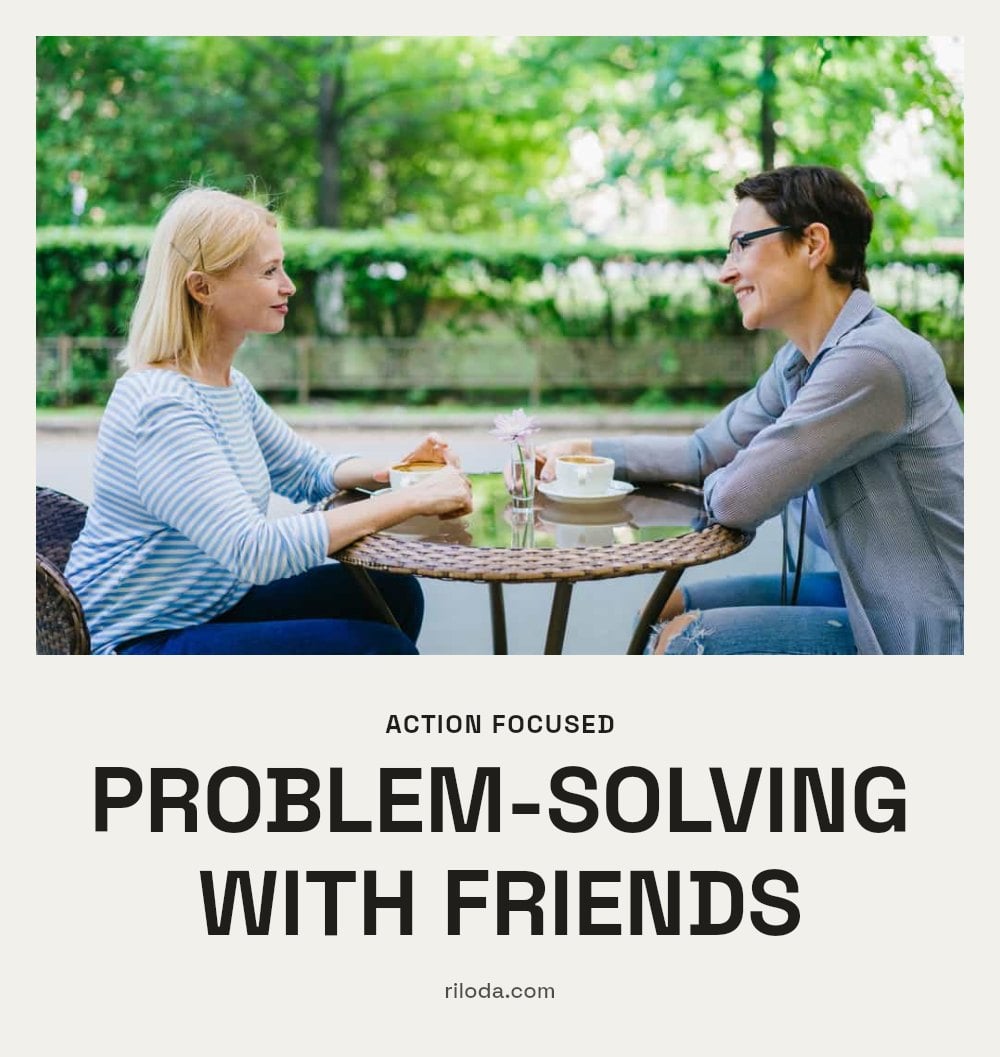
When you have some control over a stressful situation, problem-focused coping helps you take direct action. These skills reduce the stressor itself rather than just how you feel about it.
- Set clear boundaries: Say no to extra commitments when your plate is full. Protect your personal energy by communicating your limits calmly and directly.
- Seek social support: Ask a trusted friend or family member for practical help, whether it’s brainstorming solutions, running an errand, or just listening. Social support provides both emotional relief and actionable advice.
- Prioritize self-care as a non-negotiable: Schedule time for sleep, healthy meals, and activities that recharge you. Treating self-care as essential rather than optional builds the energy you need to tackle problems.
- Break the problem into small steps: List the specific actions you can take right now. Focusing on one manageable step reduces overwhelm and moves you forward.
Common Coping Mistakes and How to Avoid Them
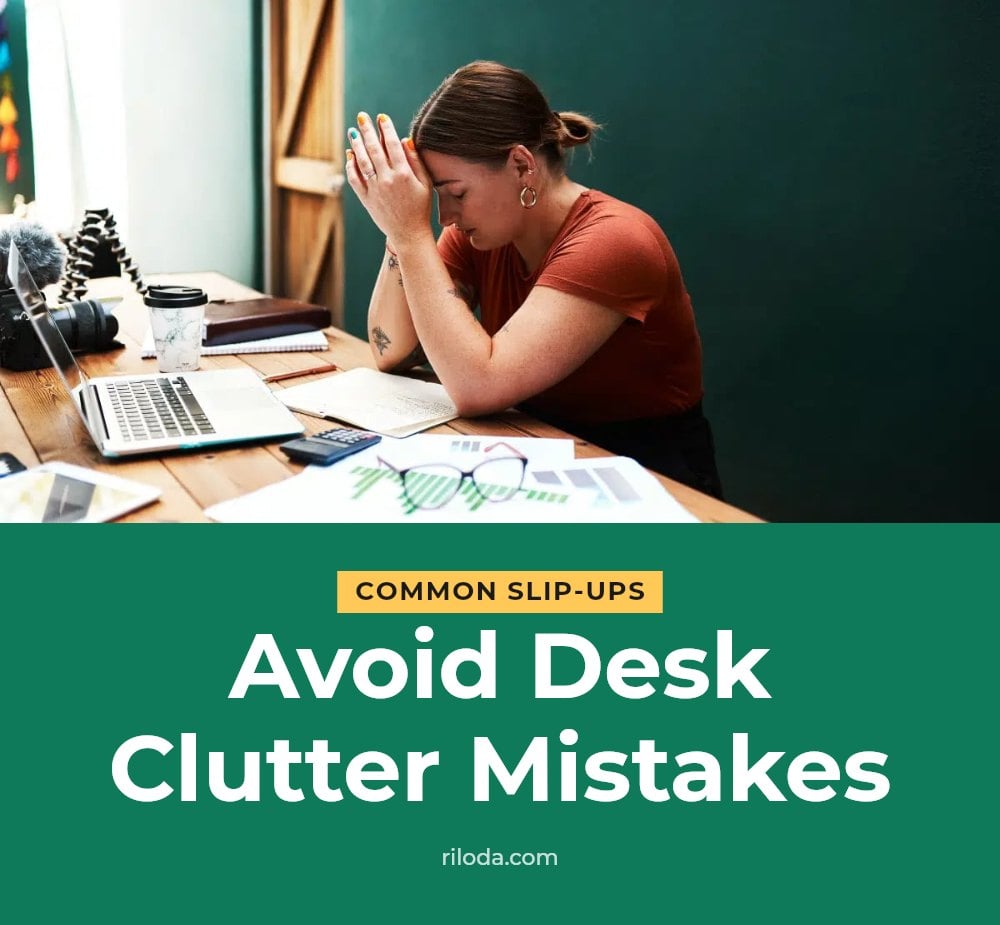
One of the biggest traps I see is using avoidance as a coping strategy. Ignoring a problem or distracting yourself with endless scrolling might feel good in the moment, but it doesn’t make the stressor disappear. Over time, avoidance can make things worse because the underlying issue remains unresolved.
Another common mistake is relying on just one coping skill for every situation. What works for a minor annoyance, like a deep breath before a meeting, probably won’t help with a major life change. You need a variety of tools to match different stressors.
Maladaptive strategies, such as excessive drinking, overspending, or emotional eating, can provide short-term relief but often create long-term problems like debt, health issues, or guilt. If you notice a coping habit leaving you worse off afterward, it’s time to swap it for something healthier.
My tip: When you catch yourself in avoidance or a harmful pattern, pause and ask, “What is one small, constructive action I can take right now?” That shift can redirect you toward something that actually helps.
When to Seek Professional Help for Coping
Coping skills are powerful tools, but they are not a replacement for professional support. If you feel persistently overwhelmed, anxious, or sad despite your best efforts, it may be time to talk to a therapist or counselor. They can help you uncover deeper patterns and build more effective strategies.
Caution: If you ever have thoughts of harming yourself or others, reach out for help immediately. Call a crisis hotline or go to your nearest emergency room. Seeking professional help is a sign of strength, not weakness.
Frequently Asked Questions
What is the difference between problem-focused and emotion-focused coping?
Problem-focused coping aims to change or eliminate the source of stress, like breaking a big project into smaller tasks. Emotion-focused coping helps you manage the emotional reaction when you cannot change the situation, such as using deep breathing to calm your nervous system. Both are valuable depending on the stressor.
How do I know if a coping skill is healthy?
A healthy coping skill promotes your well-being and does not cause harm to yourself or others. It provides relief without leading to long-term negative consequences, like substance abuse or avoidance. If a strategy leaves you feeling worse or creates new problems, it may be maladaptive.
Can coping skills help with anxiety or depression?
Coping skills can help manage symptoms of anxiety and depression by providing tools to handle difficult emotions and stress. However, they are not a replacement for professional treatment. If you experience persistent sadness, anxiety, or thoughts of self-harm, reach out to a therapist or crisis hotline.
How often should I practice coping skills?
Practice coping skills regularly, even when you are not stressed, to build resilience. Aim for a few minutes daily with techniques like mindfulness or journaling. Consistency is more important than duration, and you may notice improved well-being over weeks to months.
Is it normal to struggle with finding effective coping skills?
Yes, it is completely normal to struggle at first. Coping is a process, and what works for one person may not work for another. Experiment with different strategies, be patient with yourself, and avoid comparing your journey to others. Over time, you will discover what fits your needs.
Final Thoughts
Start by identifying your stress triggers and experimenting with one or two coping skills from this list. Practice them regularly, even on calm days, to build resilience. Results often show up over weeks to months, not overnight. Be patient with yourself as you learn what works for you.
This article is for general informational purposes only and does not constitute medical or professional advice. If you are experiencing a mental health crisis, persistent sadness, anxiety, or thoughts of self-harm, please contact a crisis hotline or a qualified mental health professional.
More Blog ideas
- How to Use Rose Water for Radiant Skin and Healthy Hair
- What Is My Personality Type? Understanding Yourself Better
- How to Clean Your Pores at Home
- Vitamin C Benefits for Skin and Health Plus the Best Foods
- How to Start Shadow Work for Deeper Self-Understanding
- How to Prep Your Hair Before Bleaching for Less Damage
- How to Prepare Sea Moss Gel at Home for Wellness
- How to Use Rice Water for Glowing Skin and Shiny Hair
- How to Find Morning Motivation When You Want to Stay in Bed
- Filing Nails: How to File Nails Correctly for Strong, Healthy Fingernails
- Simple Ways to Romanticize Your Life Every Day
- Effortless Shower Cleaning