How to Clean Your Pores at Home: Simple Steps that Work
Learn how to effectively clean your pores at home with simple, dermatologist-approved steps for clearer, healthier-looking skin. Get practical advice.

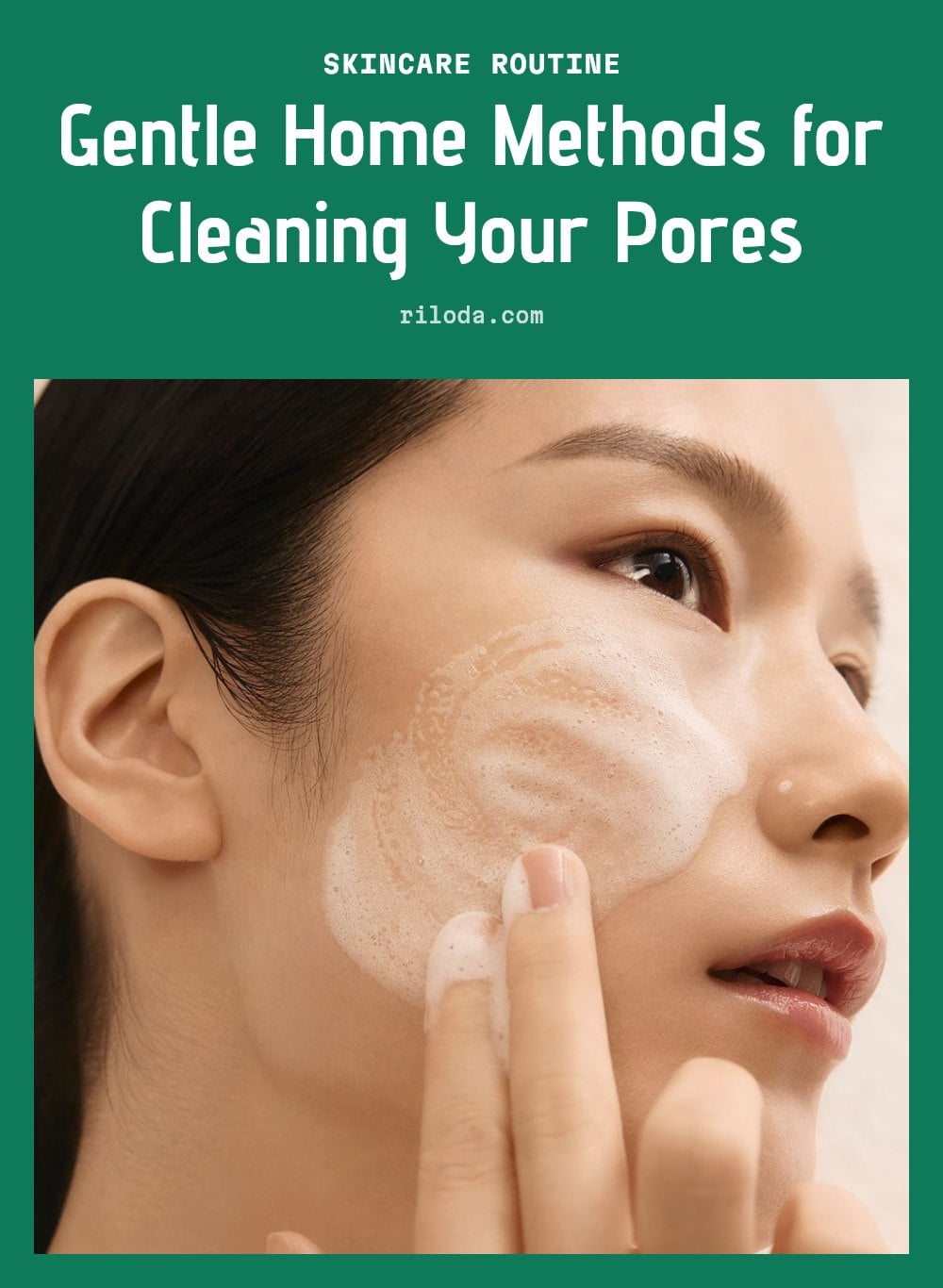
If you’ve ever looked closely in the mirror and wished your pores would just disappear, you’re not alone. The truth is, pore size is mostly genetic, but how clean they are makes a huge difference in how visible they look. This article covers a straightforward, at-home routine to keep your pores clear and minimize their appearance without harsh treatments or expensive procedures.
Key Takeaways
- Cleanse your face twice daily with a gentle cleanser to remove surface oil and dirt.
- Exfoliate 2-3 times a week with a chemical exfoliant like salicylic or glycolic acid.
- Use non-comedogenic skincare and makeup to avoid clogging pores.
- Apply a clay mask once or twice a week to absorb excess oil.
- Visible improvements in pore clarity typically take 4 to 8 weeks of consistent care.
Understanding Your Pores and Why They Appear Large
Pores are tiny openings on your skin that house hair follicles and oil glands. Their size is mostly genetic, but they can look larger when dead skin cells, oil, and dirt build up inside them. As you age, collagen loss can also make pores appear more noticeable. Here is the honest truth: you cannot permanently shrink a pore because it is a fixed structure. What you can do is keep them clean and clear so they look smaller. A consistent routine removes blockages and prevents them from stretching, which makes a real difference in how your skin looks.
Your Essential Tools for Pore Cleaning
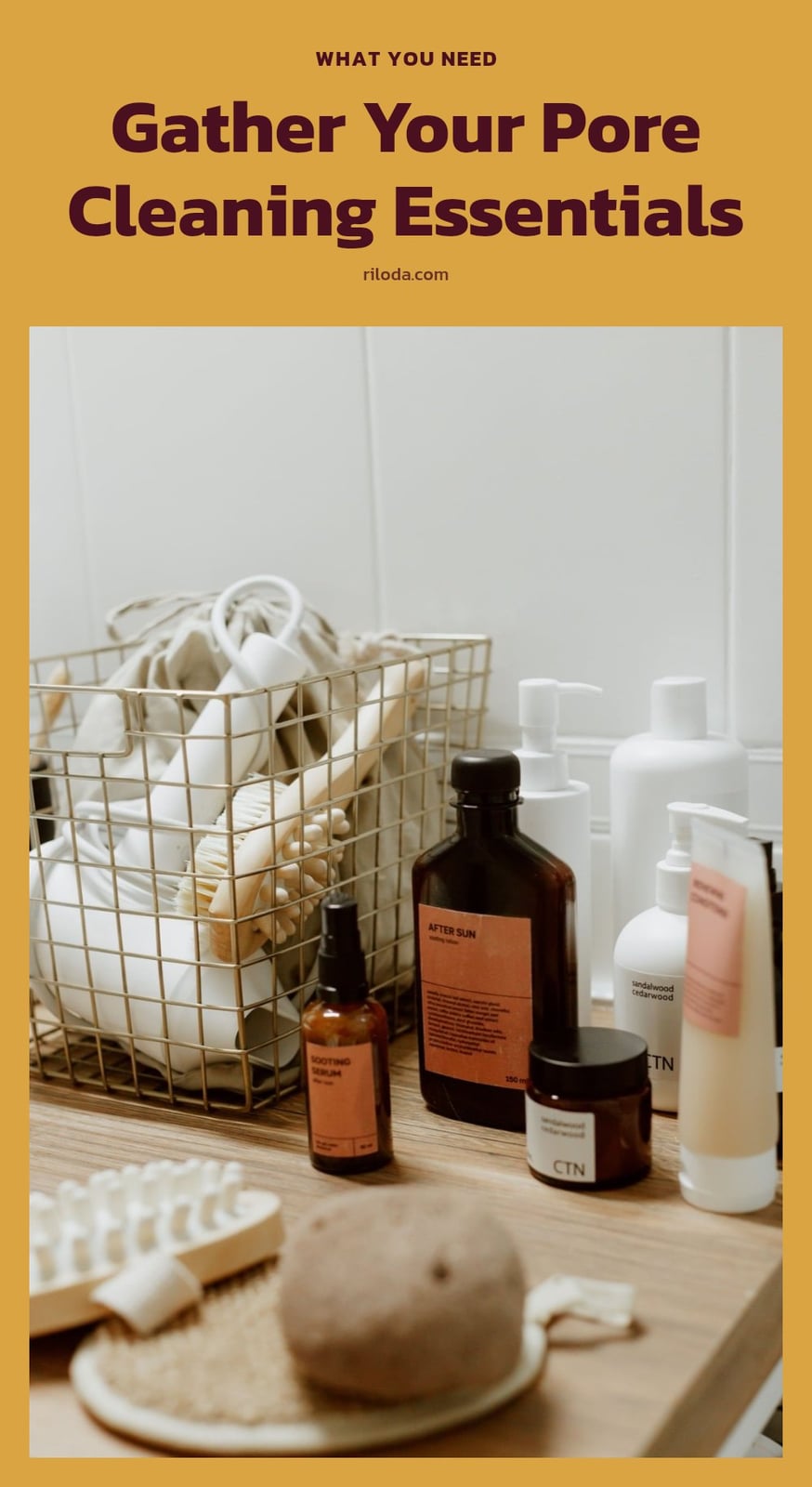
To get pores looking their best, you need a few key products. Each one plays a specific role in keeping them clean and clear.
- Gentle facial cleanser: Removes surface oil and dirt without stripping your skin.
- Chemical exfoliant (AHA/BHA): Dissolves dead skin cells inside the pore to prevent blockages.
- Clay mask: Absorbs excess oil and draws out impurities from deep within.
- Non-comedogenic moisturizer: Hydrates without clogging pores, keeping your skin barrier healthy.
- Sunscreen (SPF 30+): Protects collagen from sun damage, which helps pores stay less visible.
- Makeup remover: Ensures all traces of makeup are gone before cleansing.
Step-by-Step: Your Daily and Weekly Pore Cleaning Routine

Stick with this simple routine, and you will see your pores look clearer over time.
- Cleanse your face: Wash with a gentle cleanser every morning and night. Massage in circular motions for 30 seconds, then rinse with lukewarm water.
- Remove makeup first: Use micellar water or a dedicated makeup remover before your evening cleanse. Never sleep with makeup on, as it traps oil and dead skin inside pores.
- Exfoliate chemically: Apply a salicylic acid (BHA) or glycolic acid (AHA) product 2 to 3 times per week. Leave it on for the time directed on the label, then follow with moisturizer.
- Apply a clay mask: Use a clay mask 1 to 2 times per week. Smooth a thin layer over clean skin, let it dry for 10 minutes or until it is mostly dry but not cracking, then rinse with lukewarm water.
- Moisturize daily: After cleansing or exfoliating, apply a non-comedogenic moisturizer to keep your skin barrier strong. Even oily skin needs hydration to avoid producing extra oil.
- Wear SPF every day: Apply sunscreen with at least SPF 30 as the last step of your morning routine. Sun exposure breaks down collagen, which makes pores look larger.
Targeted Treatments for Stubborn Pores
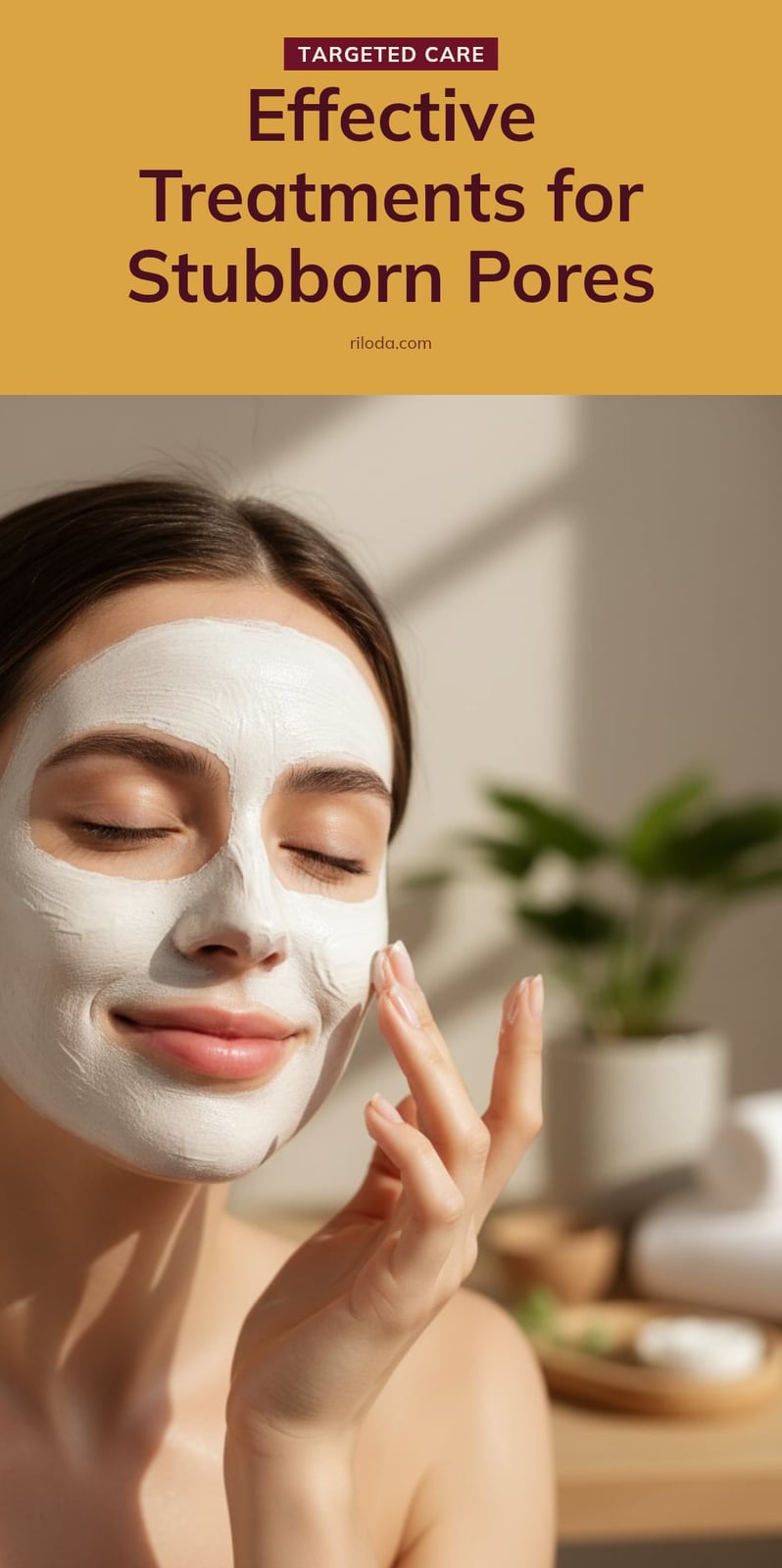
For stubborn pores that do not respond to your basic routine, these targeted treatments can help.
Salicylic Acid (BHA)
This oil-soluble acid penetrates deep into pores to dissolve sebum and dead skin cells. It works especially well for oily skin and blackheads. Use a leave-on product with 0.5% to 2% salicylic acid 2 to 3 times per week.
Glycolic Acid (AHA)
Glycolic acid exfoliates the skin surface, improving texture and reducing the appearance of enlarged pores. It also helps fade discoloration from past breakouts. Start with a low concentration, around 5% to 7%, and use it 2 to 3 times per week.
Clay Masks
Clay masks absorb excess oil and draw out impurities from pores. Kaolin and bentonite clays are common options. Apply a thin layer once or twice a week and leave it on for 10 to 15 minutes, but do not let it dry completely, as over-drying can irritate skin. Rinse with lukewarm water before the mask hardens fully.
Topical Retinoids
Retinoids normalize skin cell turnover, preventing dead cells from building up inside pores. Over-the-counter retinol or prescription-strength tretinoin can reduce blockages over time. Caution: Start with a pea-sized amount twice a week, and always use sunscreen daily because retinoids increase sun sensitivity. Patch test before applying to your whole face.
Common Mistakes to Avoid When Cleaning Pores
It is easy to make mistakes when trying to clean pores, and some common habits can actually make things worse. Forcefully picking or squeezing pores can damage the skin, cause scarring, and push bacteria deeper. Harsh physical scrubs create micro-tears that irritate the skin barrier and can increase inflammation.
Myth: Pores open and close with temperature changes. They are fixed structures, so hot water or ice does not change their size. Steaming may soften sebum but does not open pores.
Skipping moisturizer is another trap. Even oily skin needs hydration; when you skip it, your skin may produce even more oil to compensate, which can make pores look larger. Neglecting sunscreen is equally harmful because UV exposure breaks down collagen, making pores appear bigger over time. Stick with gentle, consistent care instead.
Expert Tips for Maintaining Clearer-Looking Pores

Beyond your core routine, a few simple habits can keep pores looking clearer. Stay hydrated by drinking plenty of water throughout the day; it helps your skin maintain its natural balance. Always choose non-comedogenic makeup and skincare products, which are formulated not to clog pores.
Tip: Remove every trace of makeup before bed, no matter how tired you are. Sleeping in makeup traps oil and dead skin cells against your pores.
When trying a new active ingredient like a retinoid or acid, patch test it on a small area first to check for sensitivity. Protect your skin daily with SPF 30 or higher to prevent collagen loss that can enlarge pores. Avoid over-exfoliation; sticking to 2-3 times a week with chemical exfoliants is enough to keep pores clear without irritation.
When to Expect Results and What to Consider
Visible improvements in pore clarity usually take 4 to 8 weeks of consistent daily and weekly care. Skincare product costs vary widely, from affordable drugstore options to higher-end brands, so you can build a routine that fits your budget.
Focus on steady habits rather than expecting quick fixes. Cleansing, exfoliating, moisturizing, and using sunscreen every day will give you better long-term results than any single treatment.
When to Consult a Dermatologist for Pore Concerns
If you have persistent acne, severe skin irritation, or your pores do not improve after several weeks of at-home care, consider consulting a dermatologist. They can assess your skin and recommend treatments like prescription-strength retinoids or professional extractions.
You should also see a dermatologist before using strong prescription treatments, especially if you have sensitive skin or other skin conditions. A professional can help you avoid irritation and find the most effective approach for your specific concerns.
Frequently Asked Questions
Can I permanently shrink my pores?
No, you cannot permanently shrink your pores. Pore size is largely determined by genetics and age-related collagen loss. However, you can make them appear smaller by keeping them clean and free of blockages through a consistent skincare routine.
Do pore strips work to clean pores?
Pore strips can temporarily remove surface-level blackheads, but they do not clean deep inside the pore and may irritate the skin if used too often. They are not a substitute for regular cleansing and exfoliation, and overuse can damage the skin barrier.
What ingredients should I look for in pore-cleaning products?
Look for salicylic acid (BHA) to penetrate oil inside pores, glycolic acid (AHA) to exfoliate the surface, and clay or charcoal to absorb excess oil. Non-comedogenic labels help ensure products won’t clog pores. Retinoids can also help normalize cell turnover over time.
Is it bad to have visible pores?
No, visible pores are completely normal and not a sign of uncleanliness. Everyone has pores, and their size varies due to genetics and skin type. The goal is to keep them clean and healthy, not to make them disappear entirely.
How often should I exfoliate my skin?
Exfoliate 2-3 times per week with a chemical exfoliant like an AHA or BHA. Over-exfoliating can irritate your skin and make pores look worse. If you have sensitive skin, start with once a week and gradually increase as your skin tolerates it.
Final Thoughts
Stick with a routine of gentle cleansing, regular chemical exfoliation, and targeted treatments like clay masks or salicylic acid. Expect to see clearer-looking pores after 4 to 8 weeks of consistent effort. Focus on habits you can maintain, and your skin will thank you.
This article is for general informational purposes only and does not constitute medical or professional skincare advice. Individual skin types and conditions vary. For persistent acne, severe irritation, or concerns that do not improve with at-home care, please consult a dermatologist or licensed skincare professional.
More Blog ideas
- How to Use Rose Water for Radiant Skin and Healthy Hair
- What Is My Personality Type? Understanding Yourself Better
- Vitamin C Benefits for Skin and Health Plus the Best Foods
- How to Start Shadow Work for Deeper Self-Understanding
- How to Prep Your Hair Before Bleaching for Less Damage
- How to Prepare Sea Moss Gel at Home for Wellness
- How to Use Rice Water for Glowing Skin and Shiny Hair
- How to Find Morning Motivation When You Want to Stay in Bed
- Filing Nails: How to File Nails Correctly for Strong, Healthy Fingernails
- Healthy Coping Skills: Proven Strategies for Difficult Times
- Simple Ways to Romanticize Your Life Every Day
- Effortless Shower Cleaning