How to Use Rice Water for Glowing Skin and Shiny Hair
Discover how to prepare and use rice water for hair and skin. Learn simple DIY methods to get glowing skin and shiny, strong hair naturally.


If you’re looking for a simple, natural way to boost your hair’s shine and strength, rice water might be the answer you’ve been searching for. This starchy liquid, a centuries-old beauty secret from East Asia, is packed with nutrients that can help repair damage and add luster. In this article, I’ll walk you through how to make and use rice water for both your hair and skin, covering the best methods, common pitfalls, and what results you can realistically expect.
Key Takeaways
- Use rice water as a rinse after shampooing and conditioning, 1-2 times per week for hair.
- Always dilute fermented rice water with plain water to avoid stickiness or irritation.
- Perform a patch test on your inner arm before using rice water on your face or scalp.
- Store prepared rice water in the refrigerator for up to a week and discard if it smells off.
- For low porosity hair, limit use to avoid protein overload, which can cause stiffness.
What is Rice Water and How Does it Benefit Hair and Skin?
Rice water is simply the starchy liquid left after soaking or boiling uncooked rice. It has been used for centuries in East Asian beauty routines, most famously by the Yao women of Huangluo Village, China, who credit it for their long, healthy hair. This water contains inositol, a carbohydrate that can penetrate and repair damaged hair from within, along with amino acids, B vitamins, vitamin E, and antioxidants. These components may help strengthen hair strands and improve skin clarity. Proper preparation and application are crucial for maximizing benefits and avoiding issues like stickiness or irritation.
The Science Behind Rice Water’s Beauty Benefits
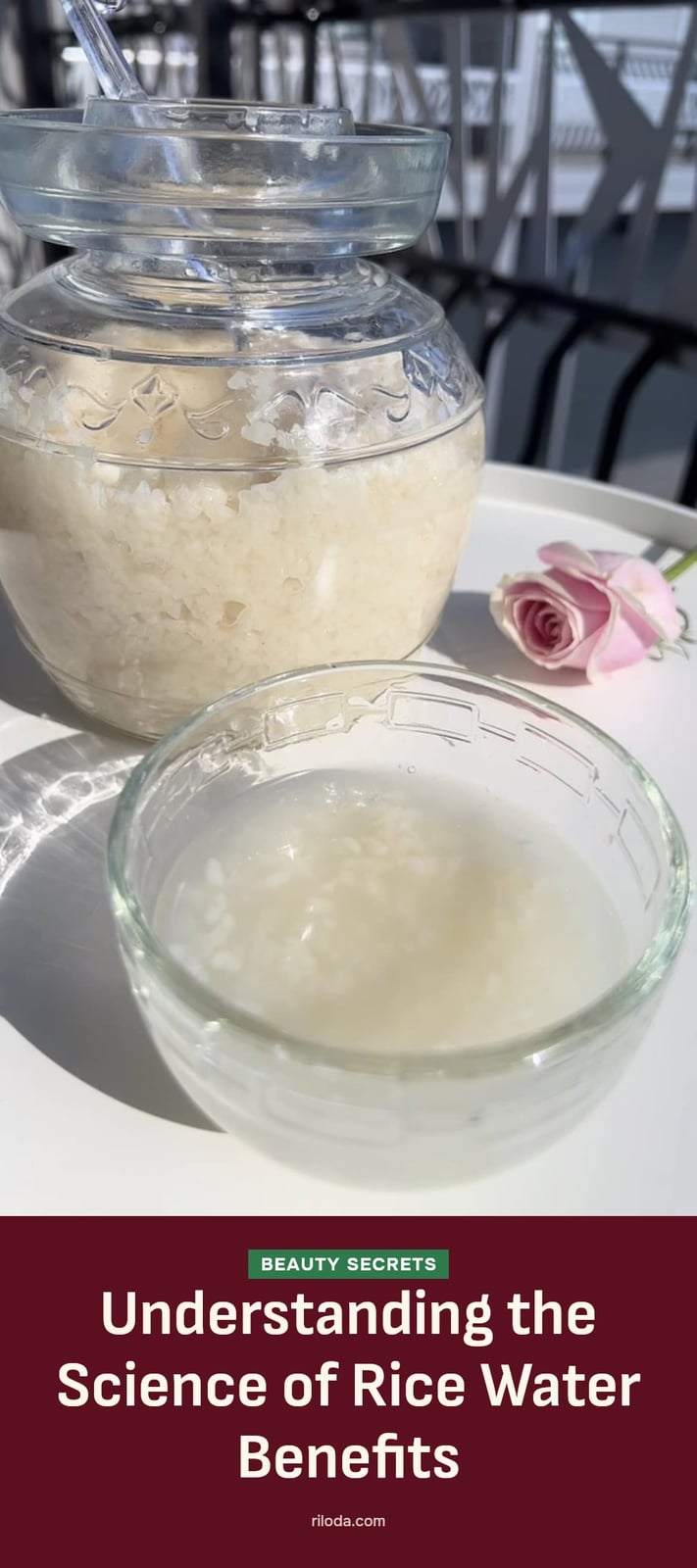
Inositol Repairs Hair From Within
Inositol, a carbohydrate found in rice water, can penetrate the hair shaft and help repair damage from the inside out. This is why many people notice stronger, more resilient hair with regular use.
Amino Acids, Vitamins, and Antioxidants
Rice water is packed with amino acids, B vitamins, vitamin E, and antioxidants. These nutrients support overall hair and skin health by nourishing hair follicles and protecting skin cells from environmental stress.
Fermented Rice Water and pH
When rice water is fermented, its pH drops closer to the natural pH of hair. This lower pH may help close the hair cuticle, which seals in moisture and adds visible shine. The starch in rice water also creates a temporary smooth coating on each strand, making hair feel softer and look glossier.
Gather Your Supplies for Making Rice Water
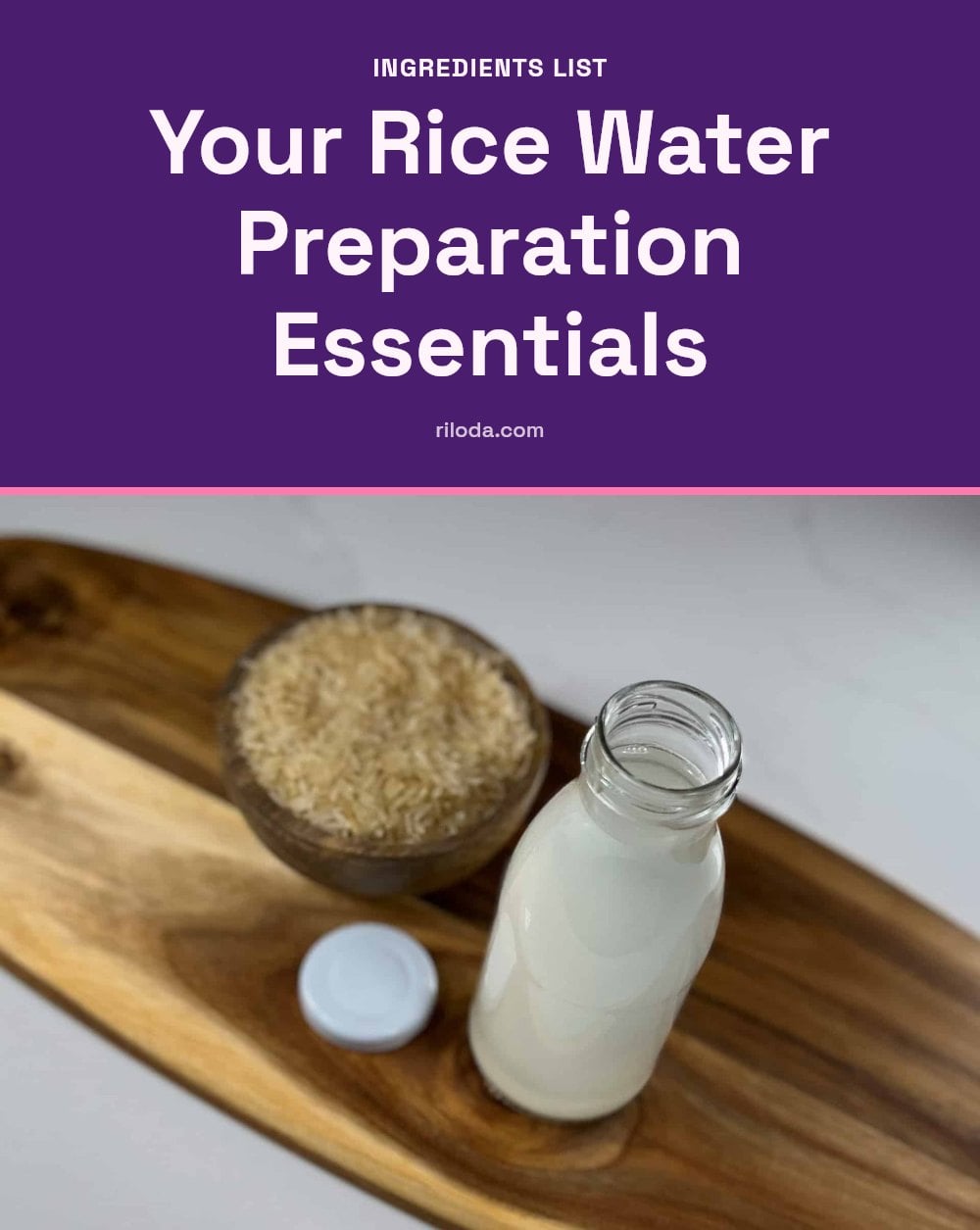
You need just a few basic items to make rice water at home. Use white rice such as jasmine, basmati, or long-grain for the best results. Filtered or distilled water is recommended to keep the solution pure and free of additives. You will also need a bowl for soaking, a strainer or fine-mesh sieve to separate the liquid from the rice, and a spray bottle or applicator bottle for easy application. An airtight container helps store any leftover rice water in the refrigerator. Choosing organic rice can further reduce the risk of pesticide residue.
Three Ways to Prepare Rice Water at Home
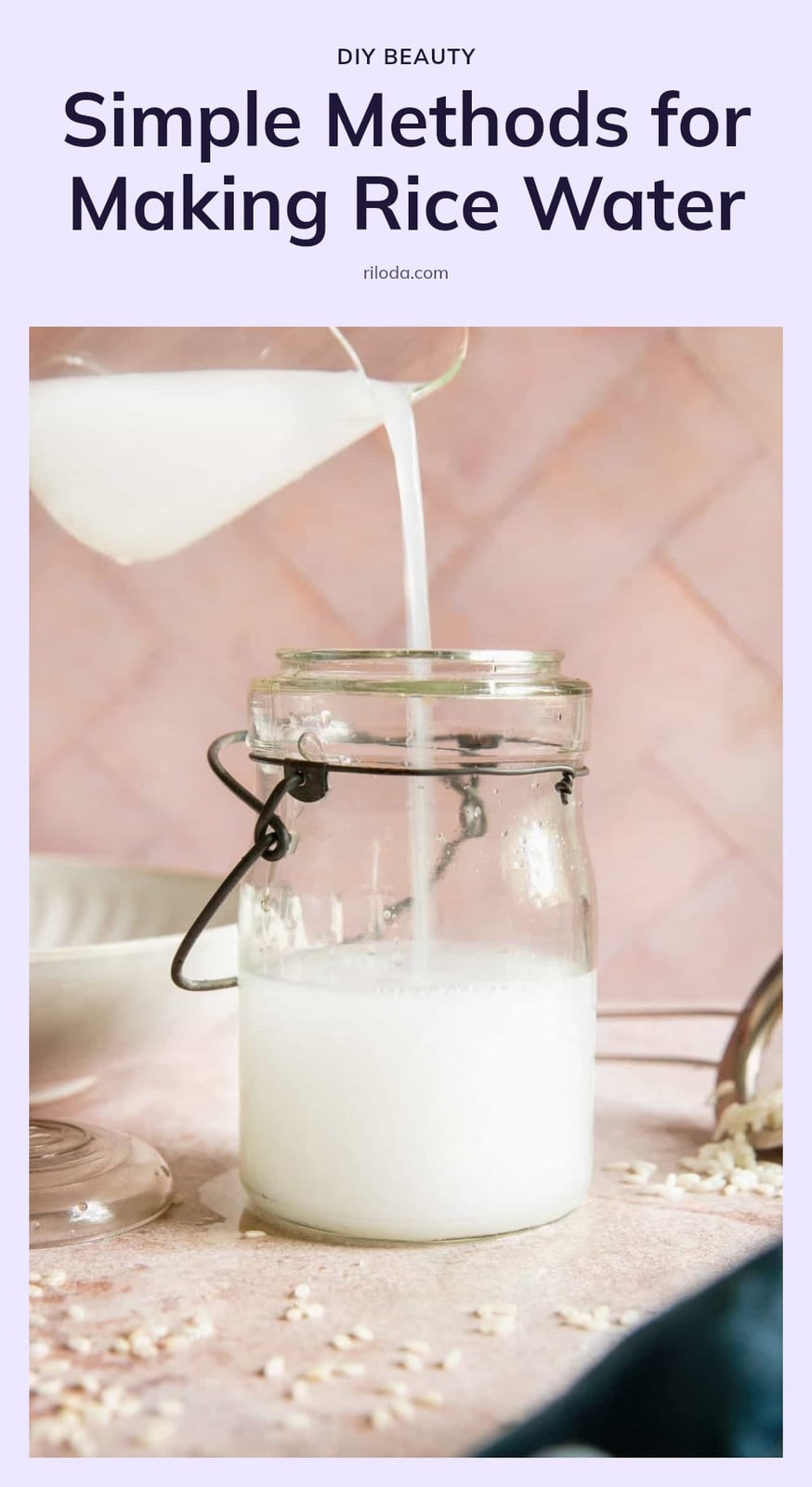
Soaking Method (Simplest)
Place 1/2 cup of uncooked rice in a bowl and cover it with 2 cups of water. Let it soak for 30 minutes, stirring occasionally. Strain the liquid into a clean bowl or container. This method is gentle and works well for first-time users.
Boiling Method (More Concentrated)
Add 1/2 cup of rice to 2 cups of water in a pot. Boil for 10-15 minutes until the water becomes cloudy and starchy. Strain the liquid through a fine-mesh sieve. This yields a more concentrated solution, so you may want to dilute it with plain water before use.
Fermented Method (Lower pH, Enhanced Benefits)
Prepare rice water using the soaking method, then cover the bowl and leave it at room temperature for 12-24 hours. The liquid will develop a slightly sour smell, which is normal. Caution: Fermented rice water is potent and must be diluted with equal parts plain water before applying to hair or skin. Undiluted fermented rice water can cause stickiness or irritation.
How to Apply Rice Water for Hair and Skin
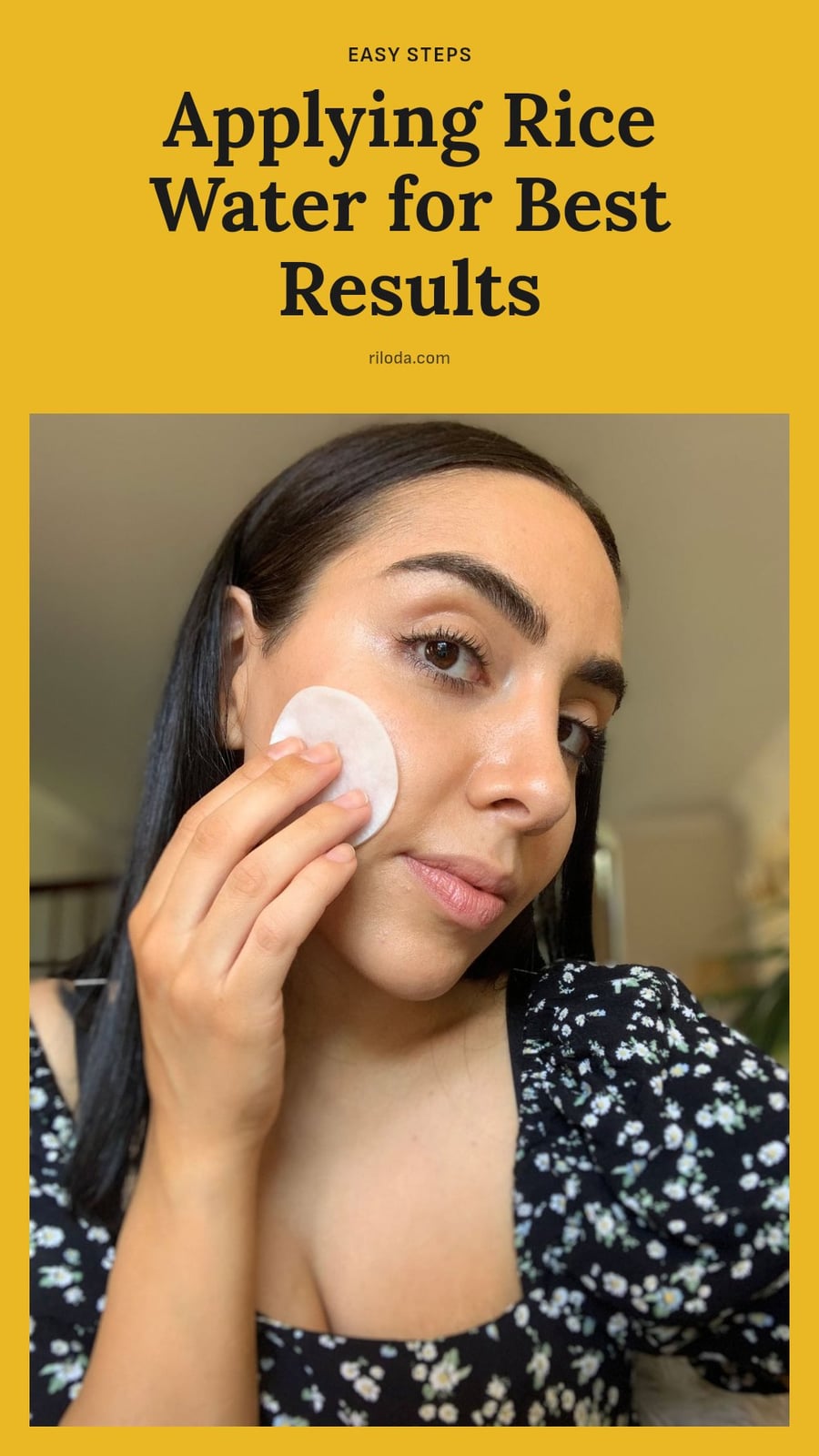
Before using rice water on your hair or face, do a patch test. Apply a small amount to your inner arm or behind your ear and wait 24 hours to check for any redness, itching, or irritation. If no reaction occurs, you can proceed.
- Shampoo and condition your hair: Wash your hair as usual with your regular shampoo and conditioner. Rice water works best on clean, damp hair.
- Apply rice water to your hair: Pour the prepared rice water into a spray bottle or applicator bottle. Spray or pour it evenly over your scalp and through your hair strands, focusing on the roots and lengths.
- Let it sit: Leave the rice water on your hair for 5 to 20 minutes. For a quick treatment, 5 minutes is enough; for deeper conditioning, 20 minutes works well. Do not exceed 20 minutes, especially with fermented rice water.
- Rinse thoroughly with plain water: Rinse your hair completely with cool or lukewarm water until no residue remains. This prevents stickiness and dullness, especially if you have fine hair.
- For skin, use as a toner or facial rinse: After cleansing your face, pour a small amount of rice water into your palm or onto a cotton pad. Gently pat it onto your clean skin, avoiding the eye area. Leave it on for a few minutes, then rinse with water or leave it on if your skin tolerates it. Start with a few times a week.
Common Rice Water Mistakes to Avoid
Even with the best intentions, a few common mistakes can turn rice water from helpful to harmful. Here is what to watch for.
- Not diluting fermented rice water: Fermented rice water is more acidic and concentrated. Using it undiluted can leave hair sticky or cause scalp irritation. Always mix one part fermented rice water with two parts plain water before applying.
- Using spoiled rice water: Rice water left at room temperature for more than 24 hours can develop bacteria or mold. If it smells sour, looks cloudy with floaters, or has a bad odor, discard it immediately.
- Leaving rice water on hair too long: Rice water is high in protein. For low porosity hair, which resists moisture, leaving it on longer than 20 minutes can cause protein overload. This makes hair feel stiff, brittle, or dry. Stick to the recommended time.
- Not rinsing hair thoroughly: Rice water leaves a starchy coating on hair. If you do not rinse it out completely, that coating can build up, making hair look dull and feel heavy. Rinse until the water runs clear.
How Often to Use Rice Water and Expected Timeline
Consistency matters more than frequency with rice water. For hair, aim to use it 1 to 2 times per week. If your hair feels dry or stiff after a few uses, reduce to once a week or every other week. For skin, start with 2 to 3 times per week and increase to daily if your skin tolerates it without irritation. Most people notice improved shine and a smoother texture after 3 to 4 weeks of regular use. The cost is minimal, just the price of the rice and water you already have at home.
When to Consult a Professional About Hair or Skin Concerns
Rice water is a gentle home remedy, but it is not a substitute for medical care. Stop using it and see a doctor or dermatologist if you develop persistent itching, redness, a rash, or any irritation on your scalp or skin. If you have a pre-existing condition like eczema, psoriasis, or severe acne, talk to a dermatologist before trying rice water. For serious concerns such as significant hair loss, unexplained skin changes, or chronic scalp issues, rice water alone will not replace prescribed treatments. A professional can give you a proper diagnosis and a safe plan.
Frequently Asked Questions
How often should I use rice water on my hair?
Aim for 1 to 2 times per week. If your hair feels dry or stiff after a few uses, reduce the frequency to once a week or every other week. Consistency is more important than how often you use it.
Can rice water cause hair to become stiff or brittle?
Yes, especially if you have low porosity hair or use rice water too often. The protein in rice water can lead to protein overload, making hair feel stiff, brittle, or dry. If you notice this, cut back on how often you use it or switch to a diluted version.
Is fermented rice water better than plain rice water?
Fermented rice water has a lower pH, which is closer to that of hair, and may help close the hair cuticle for added shine. However, it is more concentrated and must be diluted with plain water before use to avoid stickiness or irritation. Both methods can be effective, so choose based on your preference.
How long does rice water last?
Store prepared rice water in an airtight container in the refrigerator for up to a week. Discard it immediately if it develops a strong, unpleasant odor, becomes cloudy, or shows any signs of mold. Always check before each use.
Can I use rice water on all hair types?
Yes, rice water can be used on all hair types, but results vary. Those with low porosity hair should be cautious and limit use to avoid protein overload. For fine hair, rinse thoroughly after application to prevent buildup. A patch test is recommended for everyone.
Final Thoughts
For most people, sticking with rice water once or twice a week is a good starting point. You might notice improvements in shine and texture after a few weeks of consistent use. My tip: If your hair feels dry or stiff after a few applications, cut back to once a week or every other week. Remember, natural remedies work best as part of a balanced routine, not as a quick fix.
This article is for general informational purposes only and does not constitute medical or professional advice. The information provided is based on anecdotal evidence and emerging research. Always consult a dermatologist or healthcare provider before starting any new beauty routine, especially if you have a pre-existing skin or scalp condition or are experiencing persistent issues.
More Blog ideas
- How to Use Rose Water for Radiant Skin and Healthy Hair
- What Is My Personality Type? Understanding Yourself Better
- How to Clean Your Pores at Home
- Vitamin C Benefits for Skin and Health Plus the Best Foods
- How to Start Shadow Work for Deeper Self-Understanding
- How to Prep Your Hair Before Bleaching for Less Damage
- How to Prepare Sea Moss Gel at Home for Wellness
- How to Find Morning Motivation When You Want to Stay in Bed
- Filing Nails: How to File Nails Correctly for Strong, Healthy Fingernails
- Healthy Coping Skills: Proven Strategies for Difficult Times
- Simple Ways to Romanticize Your Life Every Day
- Effortless Shower Cleaning