How to Prep Your Hair Before Bleaching for Less Damage
Learn how to properly prepare your hair for bleaching at home to minimize damage, achieve even results, and keep your hair healthy.

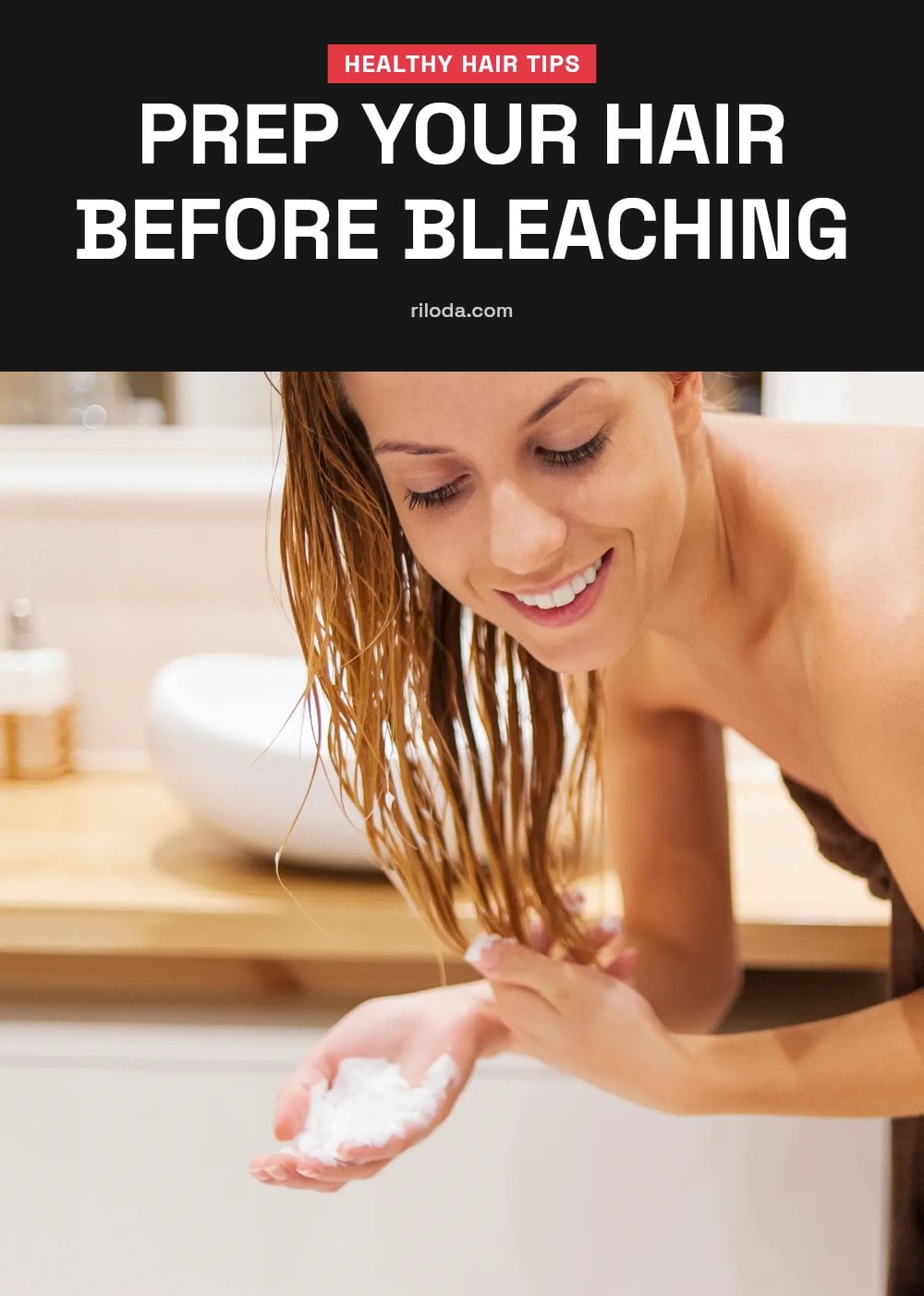
Thinking about bleaching your hair at home? The difference between a gorgeous, even lift and a frizzy, breakage-prone mess often comes down to what you do in the weeks before you ever open the bleach. Preparing your hair properly can make the chemical process gentler and the results much more predictable.
This article walks you through a simple 2 to 4 week prep plan, covering deep conditioning, the right way to time your last wash, and the essential strand and patch tests. You will also learn which mistakes to avoid and when it is smarter to call in a professional.
Key Takeaways
- Deep condition once or twice weekly for 2-4 weeks before bleaching.
- Avoid heat styling tools for at least two weeks prior.
- Wash hair 1-2 days before, not right before, bleaching.
- Always perform a strand test and a 48-hour patch test.
- Do not bleach severely damaged or previously permed hair.
Why Preparing Your Hair Before Bleaching Matters
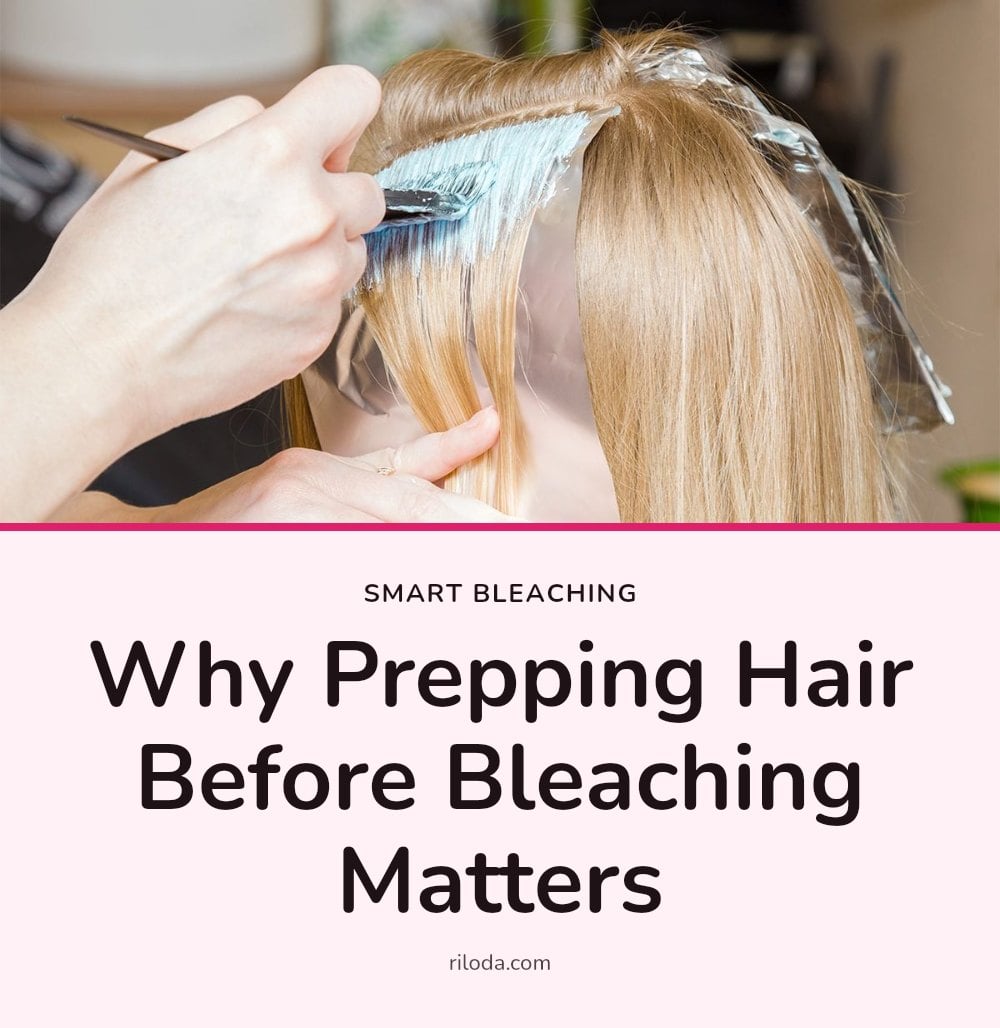
Bleaching removes your hair’s natural pigment through a chemical process that oxidizes melanin. Without preparation, damaged or weak hair absorbs bleach unevenly, leading to splotchy results and increased breakage. By deep conditioning, skipping heat styling, and ensuring your hair is strong enough beforehand, you create a healthier foundation. This proactive approach minimizes damage and helps you achieve a more even, vibrant lightening outcome.
Essential Supplies for Pre-Bleach Hair Care
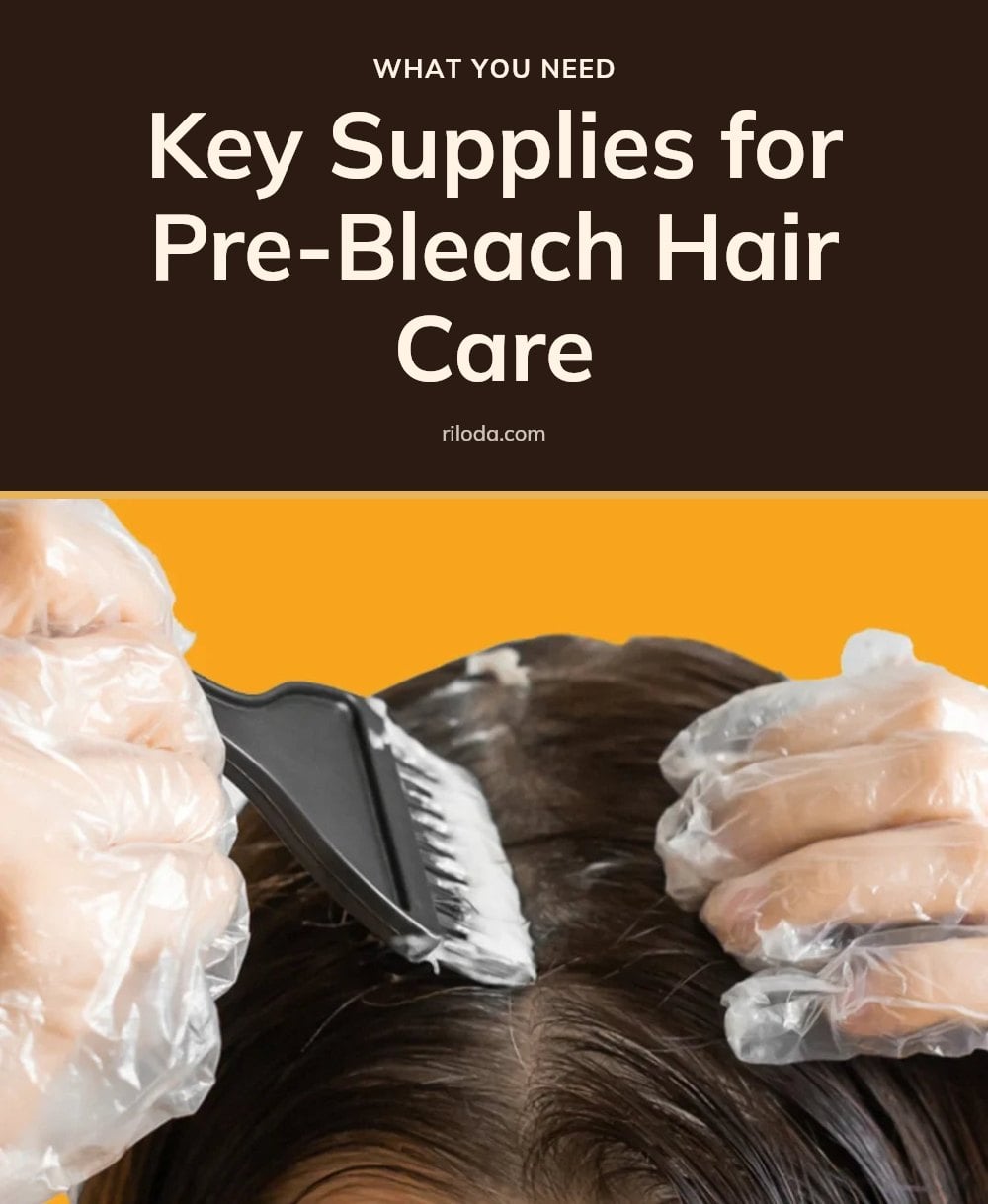
Having the right supplies on hand before you start makes the preparation process smoother and more effective. Here is what you will need:
- Deep conditioning treatments: Restore moisture and strengthen the hair cuticle, making it more resilient to bleach.
- Protein treatments: Fortify the hair’s internal structure against chemical damage.
- Clarifying shampoo: Removes product buildup so bleach absorbs evenly.
- Hair ties or clips: For sectioning during a strand test.
- Gloves and an old towel: Protect your hands and workspace during testing.
Your 2-4 Week Hair Preparation Timeline
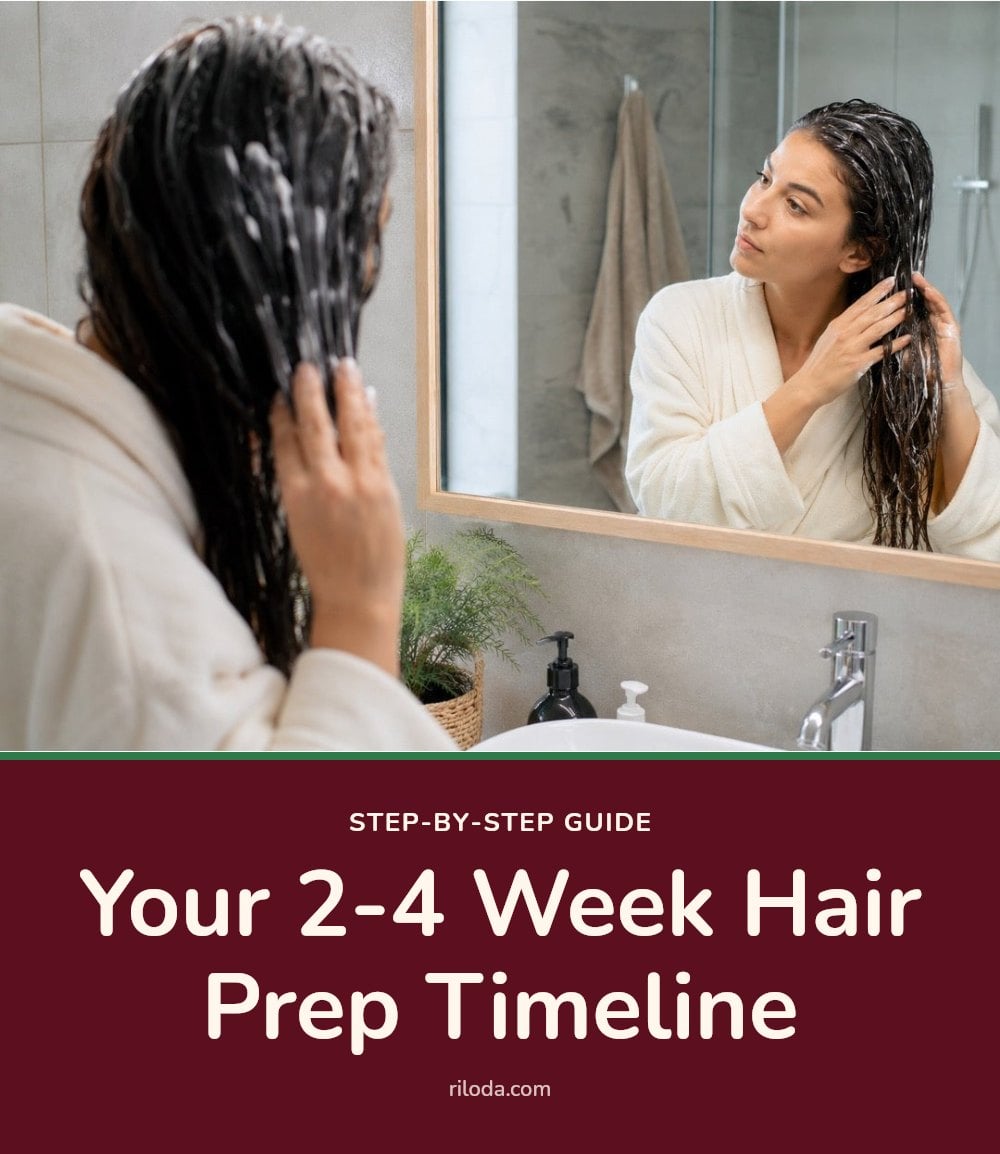
Start preparing two to four weeks before your bleach session. Each step builds strength and reduces the risk of damage.
- Deep condition regularly: Use a deep conditioning treatment once or twice a week for 2-4 weeks. This restores moisture and reinforces the hair cuticle so it can better withstand the chemical process.
- Avoid heat styling: Put away flat irons, curling irons, and blow dryers for at least two weeks prior. Heat adds stress and dries out hair, making it more vulnerable to bleach.
- Use a clarifying shampoo: One week before bleaching, wash with a clarifying shampoo to remove product buildup, oil, and minerals that can block even bleach absorption.
- Consider a protein treatment: Apply a protein treatment a week or two before bleaching. It helps fortify the hair’s structure, reducing the chance of breakage during lightening.
- Trim split ends: Snip off any split or frayed ends. Removing this already damaged part prevents the bleach from traveling further up the hair shaft and causing more breakage.
- Wash 1-2 days before: Clean your hair 1-2 days before you plan to bleach, but not immediately before. The natural oils that build up in that time offer some protection to your scalp during the process.
Crucial Steps Right Before You Bleach
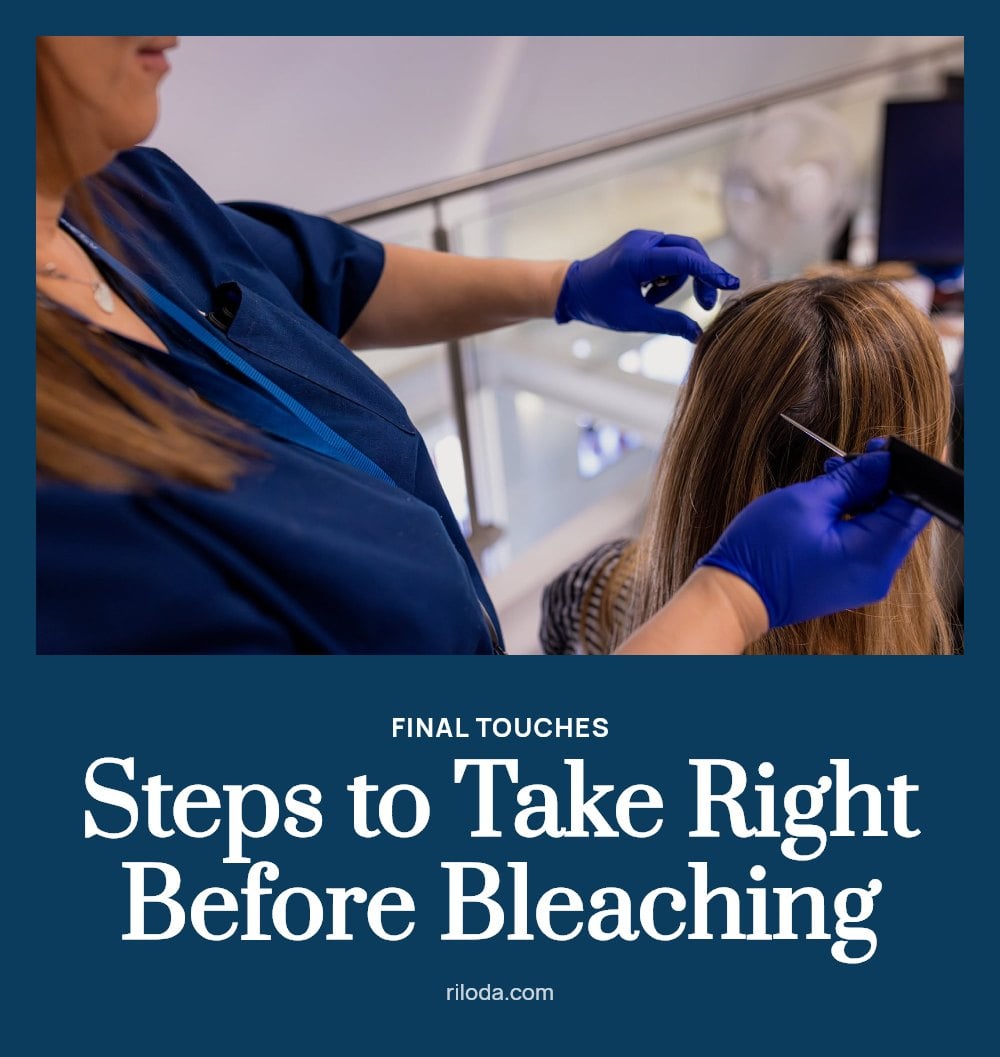
In the 48 hours leading up to your bleach application, take these critical steps to protect your health and get predictable results.
- Perform a patch test: Apply a small amount of the bleach mixture to a patch of skin behind your ear or on your inner elbow 48 hours beforehand. Wait to see if any redness, itching, or irritation develops. This checks for allergic reactions, which can be severe.
- Conduct a strand test: Snip a small, hidden section of hair from underneath. Apply the bleach according to the product instructions and time how long it takes to reach your desired lightness. This tells you the exact processing time needed for your hair and reveals any unexpected tones.
- Check your hair’s condition: Ensure your hair is clean but not freshly washed, aim for 1-2 days unwashed so natural oils remain on the scalp. Do not apply bleach to hair that is severely damaged, brittle, or breaking.
- Gather your materials: Set up your workspace with all your bleaching supplies, gloves, a timer, and an old towel. Having everything ready reduces mistakes and keeps you focused on the process.
My tip: Always perform a strand test and a 48-hour patch test for allergic reactions before you start. Skipping either can lead to unexpected color or a serious skin reaction.
Common Pre-Bleaching Mistakes to Avoid
Skipping the Strand Test: This is the most common mistake. A strand test on a hidden section predicts your processing time and the final shade, preventing surprises.
Bleaching Damaged Hair: Never apply bleach to hair that is already dry, brittle, or breaking. The chemical process will worsen the damage, leading to severe breakage or even hair loss.
Washing Hair Immediately Before: Natural scalp oils protect your skin during bleaching. Wash your hair 1-2 days prior, not the same day.
Ignoring Previous Color: Permanent dyes, especially dark ones, can react unpredictably with bleach. You may need a professional consultation to avoid uneven or orange results.
Forgetting Deep Conditioning: Without moisture and strength from deep conditioning, your hair is more vulnerable to bleach damage. Stick to your 2-4 week prep routine.
Applying to Product-Laden Hair: Heavy buildup from gels, sprays, or oils can block the bleach, causing uneven lifting. Use a clarifying shampoo a week before to remove residue.
When to Consult a Professional Hair Stylist
Some situations call for a professional stylist rather than a DIY approach. See a pro if:
- Your hair is severely damaged, brittle, or has extensive breakage.
- You have previously colored hair with permanent dyes, especially dark shades.
- You are unsure about your hair's health or how it will react to bleach.
- You experience burning, itching, or irritation during a patch test or early application.
- You want significant color changes or need a complex bleaching process.
A professional can assess your hair's condition and choose the safest approach.
Understanding How Bleach Affects Your Hair
The Chemistry Behind Bleaching
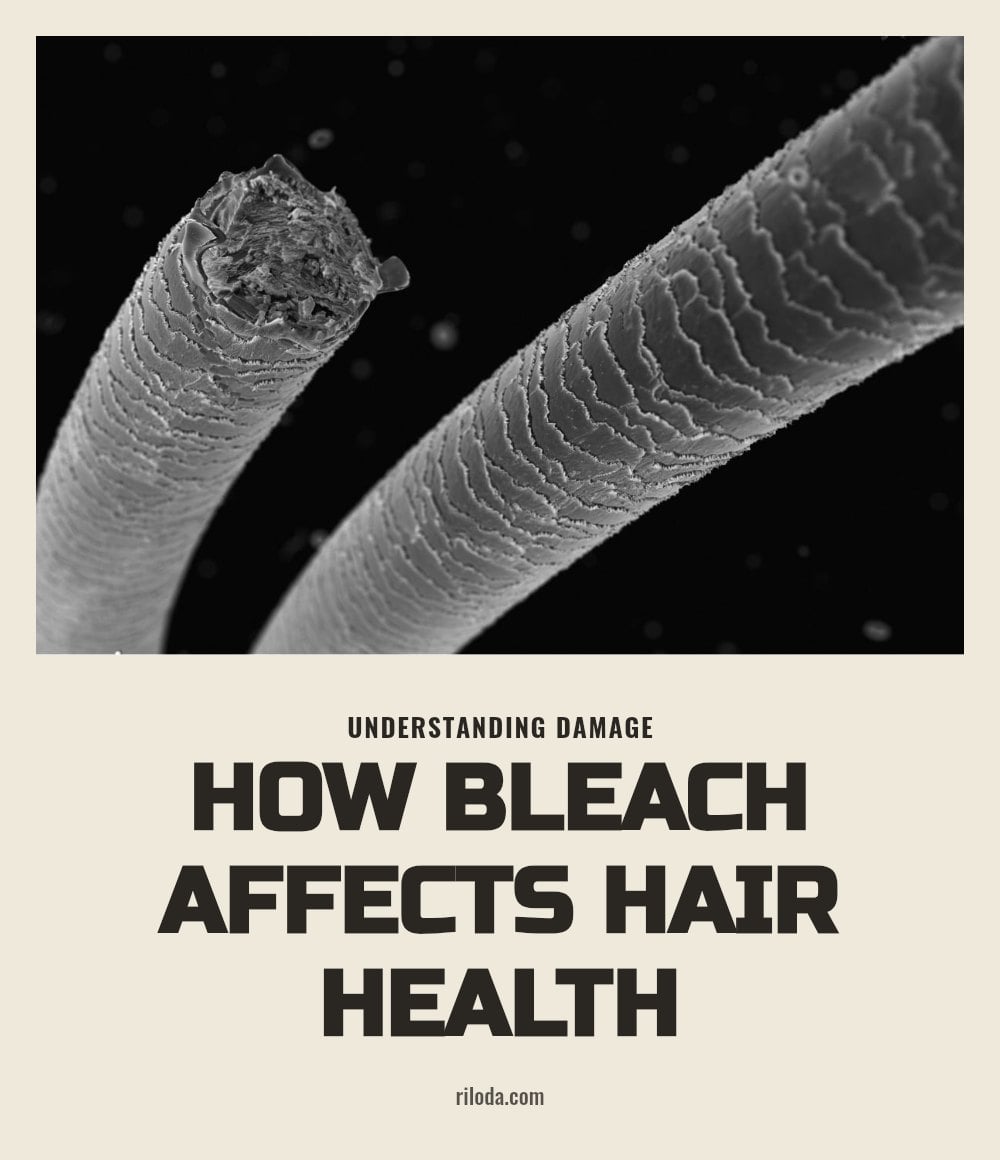
Bleaching is a chemical process that removes natural pigment from the hair shaft, making it lighter. It works by oxidizing melanin, the pigment responsible for your hair color, breaking down the pigment molecules so they wash away.
Damaged hair is more porous and absorbs bleach unevenly. This leads to splotchy results and increased breakage because the chemical penetrates weak spots faster. Proper preparation strengthens the hair cuticle, making it more resilient to the chemical process and helping you achieve a more even lift.
Frequently Asked Questions
How long should I wait to bleach my hair after coloring it?
If you have used permanent dye, it is generally safer to wait several weeks, and ideally consult a stylist before bleaching. Permanent color changes the hair’s structure, so bleach can lift it unevenly or cause unexpected tones. For semi-permanent color, a week or two may be enough, but a strand test is still essential.
Can I bleach my hair if I have a sensitive scalp?
You can, but you must take extra precautions. Always do a patch test 48 hours before to check for allergic reactions. On bleach day, apply the mixture carefully and avoid overlapping on the scalp. If you feel burning or intense itching, rinse immediately and stop. If you have a known scalp condition, ask a dermatologist first.
What if my hair feels damaged after the preparation period?
If your hair still feels dry, brittle, or shows breakage after 2 to 4 weeks of deep conditioning and protein treatments, do not bleach it. Bleaching already damaged hair will likely make it worse, leading to more breakage. Instead, focus on repairing your hair with regular conditioning and consider seeing a professional for an assessment.
Is it better to bleach hair wet or dry?
Bleach is typically applied to dry hair because it allows for more even saturation and better control of the processing time. Wet hair dilutes the bleach and can cause uneven lifting. If your hair is very dry, you might apply a light oil to the ends, but the hair itself should be dry.
How can I tell if my hair is healthy enough to bleach?
A simple test: take a small strand of hair and gently stretch it. Healthy hair stretches a little and then springs back. If it stretches a lot and does not return, or if it snaps easily, your hair is too damaged. Also, look for split ends or a mushy feel when wet, both signs to wait.
Final Thoughts
The best rule is to treat your hair like it is already delicate: deep condition weekly, skip the heat, and never bleach hair that feels dry or brittle. Start your prep at least two weeks out, and accept that the process takes time, usually around a month for the full conditioning routine.
If your hair is already breaking or you have used permanent dye, especially a dark shade, the smartest move is to book a consultation with a professional stylist. They can assess your hair’s condition and recommend the safest path to your lighter shade.
This article provides general information for educational purposes and is not a substitute for professional advice. Bleaching involves chemicals that can cause allergic reactions or hair damage. Always perform patch and strand tests, and consult a dermatologist or licensed stylist if you have concerns about your scalp or hair health, or if you experience severe irritation.
More Blog ideas
- How to Use Rose Water for Radiant Skin and Healthy Hair
- What Is My Personality Type? Understanding Yourself Better
- How to Clean Your Pores at Home
- Vitamin C Benefits for Skin and Health Plus the Best Foods
- How to Start Shadow Work for Deeper Self-Understanding
- How to Prepare Sea Moss Gel at Home for Wellness
- How to Use Rice Water for Glowing Skin and Shiny Hair
- How to Find Morning Motivation When You Want to Stay in Bed
- Filing Nails: How to File Nails Correctly for Strong, Healthy Fingernails
- Healthy Coping Skills: Proven Strategies for Difficult Times
- Simple Ways to Romanticize Your Life Every Day
- Effortless Shower Cleaning