Zinc Benefits for Women: What You Need to Know
Discover the essential zinc benefits for women, from boosting immunity to supporting skin and hormonal balance. Learn how to get enough zinc safely.


Zinc is one of those nutrients you hear about all the time, but you might not know exactly why it’s so important for you. As a woman, getting enough zinc can make a real difference in everything from your skin to your immune system. In this article, I’ll break down the key benefits of zinc for women, how to get it from your diet, and what you need to know before considering supplements.
Key Takeaways
- Zinc supports immune function, wound healing, and healthy skin, hair, and nails.
- Adult women need 8 mg of zinc per day; pregnant or lactating women need more.
- Top food sources include red meat, poultry, seafood, dairy, nuts, and legumes.
- Don’t exceed 40 mg of zinc per day from all sources without medical supervision.
- Consult a healthcare professional before starting zinc supplements, especially if you have health conditions.
What is Zinc and Why is it Important for Women?
Zinc is an essential trace mineral, which means your body can’t produce it on its own. You have to get it from food or supplements. It plays a vital role in immune function, wound healing, and cell growth. For women specifically, zinc is crucial for maintaining clear skin, supporting hormonal balance, and promoting reproductive well-being. Adequate intake helps your body function at its best, from fighting off infections to keeping your hair and nails strong.
The Many Roles Zinc Plays in Your Body
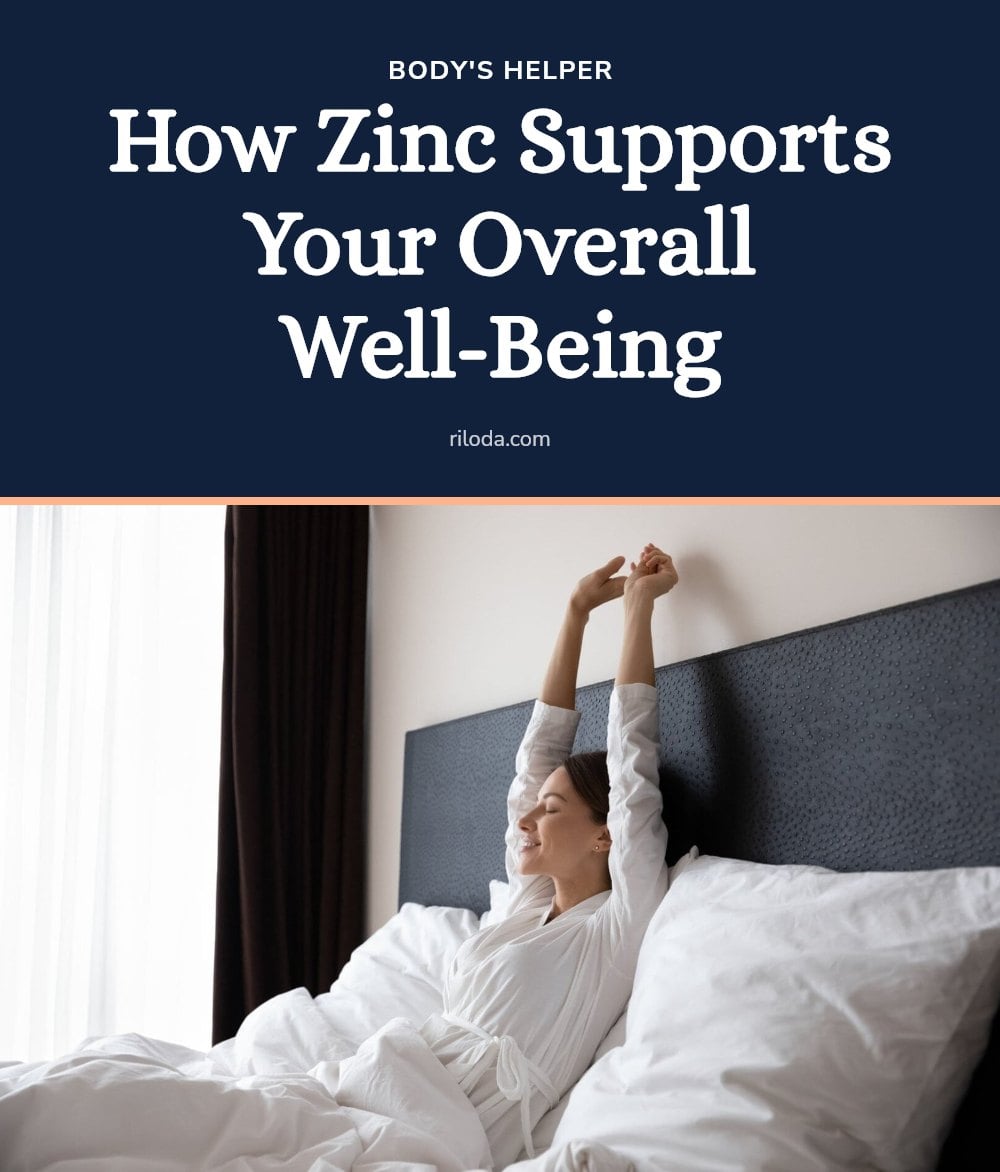
Immune Defense and Cell Repair
Zinc is a key player in your immune system. It helps your body fight off infections by supporting the development and function of immune cells. When you get a cut or scrape, zinc is hard at work helping tissues repair and regenerate.
Antioxidant and Sensory Support
Beyond immunity, zinc acts as an antioxidant, protecting your cells from damage caused by free radicals. It’s also involved in DNA synthesis and cell division, which is essential for growth and maintenance. And if you’ve noticed changes in your sense of taste or smell, zinc levels may play a part. It’s directly involved in how these senses work.
Specific Zinc Benefits for Women’s Health
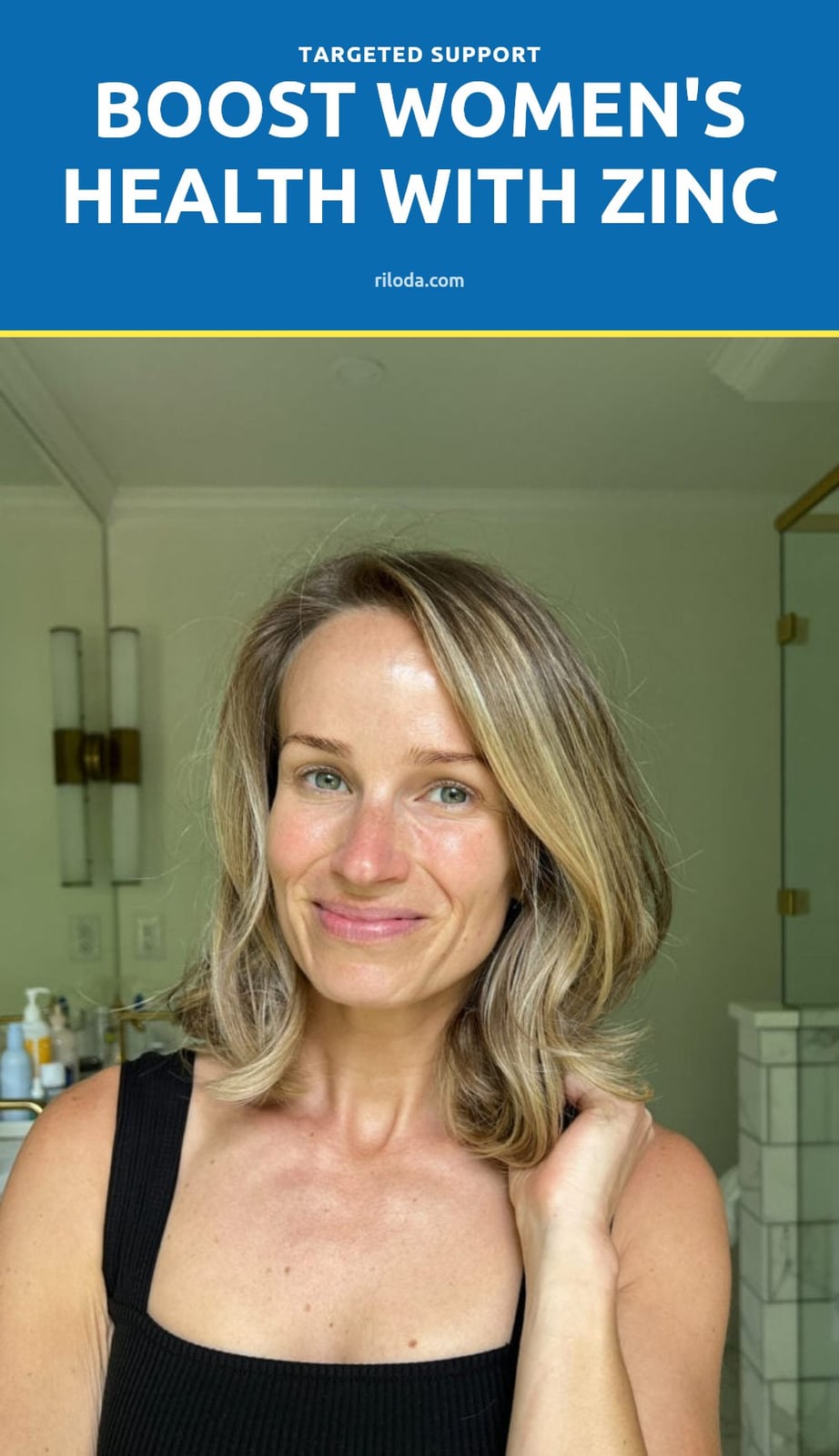
Skin, Hair, and Nails
Adequate zinc supports clear skin and may help with acne by reducing inflammation and regulating oil production. It also contributes to healthy hair and strong nails, low levels have been linked to hair thinning and brittle nails.
Hormonal Balance and Reproductive Health
Zinc is important for hormonal balance, including the regulation of estrogen and progesterone. This makes it relevant for menstrual health and overall reproductive function. Pregnant and lactating women have higher zinc needs because the mineral supports fetal development and milk production. If you’re in this group, paying extra attention to your zinc intake is a good idea.
How to Get Enough Zinc Through Your Diet

The best way to get zinc is through food. Top sources include red meat, poultry, and seafood, oysters are especially rich in it. Dairy products like milk and cheese, as well as nuts, legumes, and whole grains, also provide zinc. If you’re vegetarian or vegan, be mindful: zinc from plant foods is less easily absorbed by the body. Soaking beans and grains before cooking or choosing leavened bread can help improve absorption. Aim to include a variety of these foods in your meals regularly.
Common Mistakes When Considering Zinc
Assuming more is always better: It’s tempting to think that if a little zinc is good, more is better. But excessive zinc can lead to nausea, vomiting, and even copper deficiency over time. Stick to the recommended daily allowance unless your doctor advises otherwise.
Not prioritizing diet: Always aim to get zinc from food first. Whole foods like red meat, poultry, oysters, nuts, and legumes provide zinc along with other beneficial nutrients. Supplements are a backup, not a replacement.
Taking supplements on an empty stomach: Zinc can cause nausea if taken without food. My tip: always take it with a meal to avoid stomach upset.
Ignoring medication interactions: Zinc can interfere with certain antibiotics (like quinolones and tetracyclines) and diuretics. If you take these medications, talk to your pharmacist or doctor about timing.
Not checking the form of zinc: Some forms are absorbed better than others. Zinc gluconate, picolinate, and citrate are generally well-absorbed. Check the label to choose a form that works for you.
Smart Tips for Zinc Supplementation
Consult a professional: Before starting any zinc supplement, talk to your doctor, especially if you have existing health conditions or take other medications. They can help determine if you need it and at what dose.
Stick to RDA: The recommended daily allowance for adult women is 8 mg per day. Unless your doctor advises a higher amount for a specific reason, stay within this range to avoid side effects.
Be aware of symptoms: Pay attention to how you feel. Signs of deficiency include impaired immune function, hair loss, or skin issues. Signs of excess include nausea, vomiting, or diarrhea. If you notice either, seek medical advice.
Consider your diet: If you’re vegetarian or vegan, you may have lower zinc intake due to the reduced bioavailability from plant sources. Discuss supplementation with your healthcare provider to ensure you meet your needs.
When to Talk to Your Doctor About Zinc
Talk to your doctor if you suspect a zinc deficiency. Common signs include frequent infections, hair loss, poor wound healing, or skin problems like acne. A simple blood test can confirm.
Consult your healthcare provider before starting any zinc supplement, especially if you have underlying conditions like kidney disease or take medications that may interact, such as antibiotics or diuretics.
If you are pregnant or breastfeeding, your zinc needs are higher, but dosage must be determined carefully with a professional. Also, seek medical advice if you experience adverse effects from zinc supplements, such as nausea, vomiting, or diarrhea.
Frequently Asked Questions
Can zinc help with hair loss?
Yes, zinc plays a role in hair growth and repair, and low levels have been linked to hair thinning. However, taking extra zinc won’t necessarily reverse hair loss if you are not deficient. It’s best to check with a doctor to see if a zinc deficiency is contributing to your hair concerns.
How much zinc should I take daily?
The recommended daily allowance for adult women is 8 mg. Pregnant and lactating women need more. The upper limit is 40 mg per day from all sources. Do not exceed this without a doctor’s supervision, as too much zinc can cause side effects like nausea and copper deficiency.
Are there any side effects of too much zinc?
Yes, taking too much zinc can cause nausea, vomiting, diarrhea, and abdominal cramps. Long-term high doses may lead to copper deficiency, which can affect your nervous system. Always stick to the recommended amounts and talk to your doctor before taking high-dose supplements.
Can I get enough zinc from diet alone?
Most women can get enough zinc from a balanced diet that includes red meat, poultry, seafood, dairy, nuts, and whole grains. Vegetarians and vegans may need to pay extra attention, as plant-based zinc is less easily absorbed. If you are concerned, a blood test can help determine if you need supplements.
What are the best plant-based sources of zinc?
Good plant-based sources include nuts (like cashews and almonds), seeds (like pumpkin and sesame), legumes (like chickpeas and lentils), and whole grains (like oats and quinoa). Soaking or sprouting legumes and grains can improve zinc absorption. Fortified cereals are another option.
Final Thoughts
My tip: focus on getting zinc from food first, like a serving of red meat or a handful of nuts each day. If you think you might be low, a simple blood test can confirm, and then you can decide with your doctor if a supplement makes sense. It usually takes a few weeks to months to notice changes, so be patient and consistent with your intake.
This article is for informational purposes only and is not a substitute for professional medical advice. Zinc needs can vary based on individual health conditions and medications. If you suspect a zinc deficiency or are considering supplements, please consult a doctor or registered dietitian for personalized guidance.
More Blog ideas
- How to Use Rose Water for Radiant Skin and Healthy Hair
- What Is My Personality Type? Understanding Yourself Better
- How to Clean Your Pores at Home
- Vitamin C Benefits for Skin and Health Plus the Best Foods
- How to Start Shadow Work for Deeper Self-Understanding
- How to Prep Your Hair Before Bleaching for Less Damage
- How to Prepare Sea Moss Gel at Home for Wellness
- How to Use Rice Water for Glowing Skin and Shiny Hair
- How to Find Morning Motivation When You Want to Stay in Bed
- Filing Nails: How to File Nails Correctly for Strong, Healthy Fingernails
- Healthy Coping Skills: Proven Strategies for Difficult Times
- Simple Ways to Romanticize Your Life Every Day