Whole30 Made Easy: Simple Meal Plan and Tips to Succeed
Starting Whole30? Learn how to succeed with a simple meal plan, essential tips, and a step-by-step guide to this 30-day health reset.

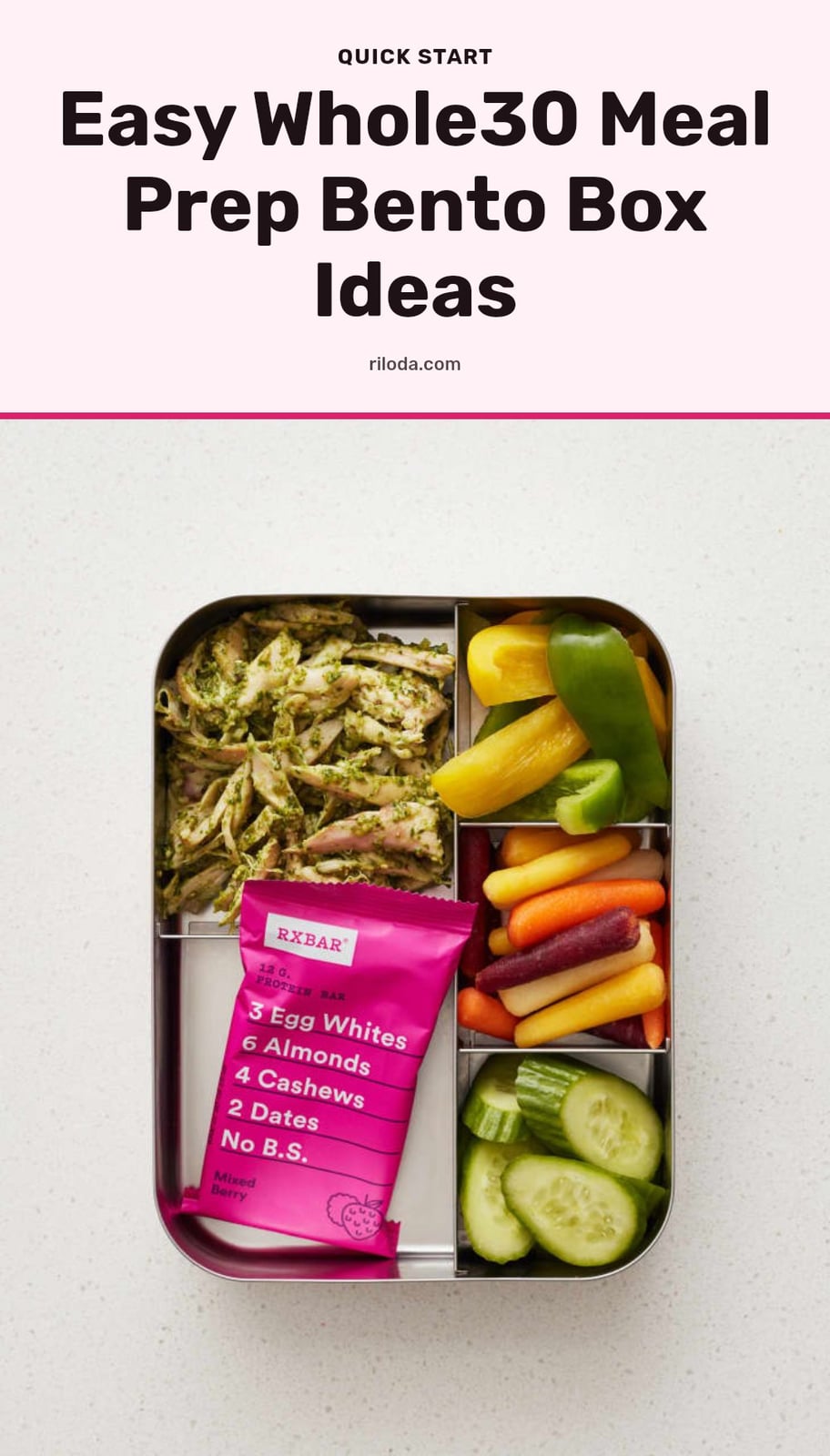
Starting Whole30 can feel like a big commitment, but with the right plan, it’s totally doable. This 30-day elimination diet is designed to help you reset your eating habits and discover how certain foods affect your body. It’s not about quick weight loss, but about building a healthier relationship with food.
In this guide, I’ll walk you through a simple meal plan, essential shopping tips, and practical advice to help you succeed. You’ll learn what to expect, how to avoid common pitfalls, and how to make the most of the reintroduction phase. Let’s get started.
Key Takeaways
- Commit to 30 consecutive days; one bite of non-compliant food means restarting.
- Stock your kitchen with whole foods like vegetables, fruits, and lean proteins.
- Plan meals and snacks in advance to avoid impulse eating.
- Read every food label to catch hidden sugars and prohibited ingredients.
- Complete the reintroduction phase to identify how food groups affect you.
What is Whole30 and How Can It Reset Your Health?
Whole30 is a 30-day elimination diet designed to help you identify food sensitivities and reset your eating habits. For the full month, you strictly remove all added sugars, alcohol, grains, legumes, and dairy, focusing instead on whole, unprocessed foods like meat, seafood, eggs, vegetables, fruits, and healthy fats. The program aims to improve your energy, sleep, mood, and reduce cravings, with health benefits taking priority over weight loss. It’s a short-term reset, not a long-term diet.
Your Whole30 Shopping List: Essential Foods to Stock Up On
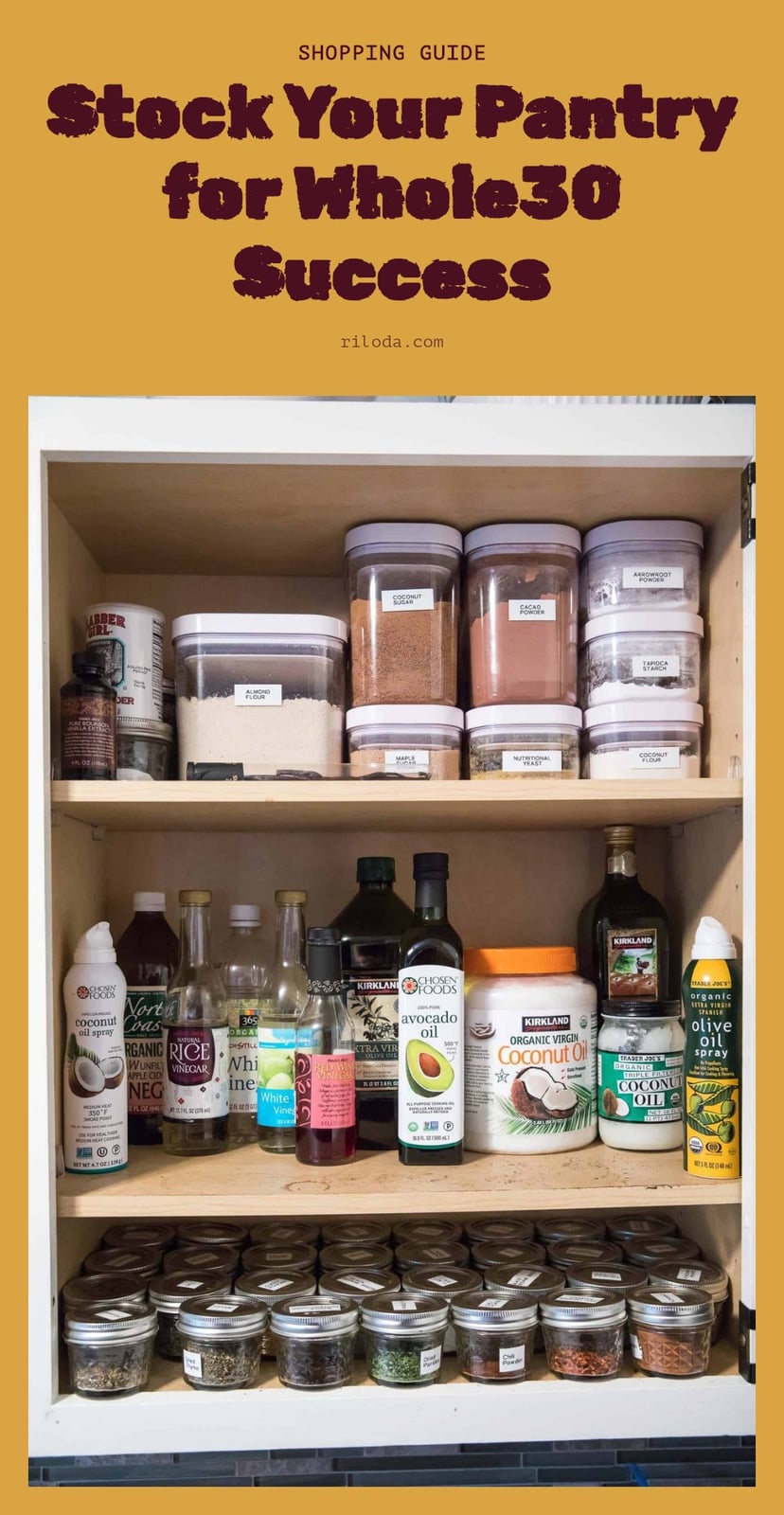
Stocking your kitchen with compliant foods makes the 30 days much easier. Here’s what to grab:
- Fresh vegetables: leafy greens, cruciferous (broccoli, cauliflower), root vegetables (sweet potatoes, carrots)
- Fresh fruits: berries, apples, bananas
- Lean proteins: chicken, beef, fish, eggs
- Healthy fats: avocado, olive oil, coconut oil, nuts, seeds, ghee
- Herbs and spices: any without added sugar
- Vinegars: apple cider, balsamic, red wine (check labels for added sugar)
- Coconut aminos: a soy sauce alternative
Your 30-Day Whole30 Journey: A Step-by-Step Guide

Starting Whole30 is straightforward once you know the rules. Here’s how to navigate your 30 days.
- Commit fully: Decide to follow the program for 30 consecutive days, no exceptions. One bite of a non-compliant food means restarting from day one.
- Clear your kitchen: Remove all added sugars (real or artificial), alcohol (even for cooking), grains (wheat, corn, rice, oats, quinoa), legumes (beans, lentils, peanuts, soy), and dairy (milk, cheese, yogurt, butter; ghee is the exception).
- Stock compliant foods: Fill your fridge and pantry with meat, seafood, eggs, vegetables, fruits, and healthy fats like avocado and olive oil.
- Skip the scale: Do not weigh yourself or take body measurements during the 30 days. This helps you focus on how you feel, not numbers.
- Plan your meals: Map out breakfast, lunch, dinner, and snacks to avoid hunger-driven slip-ups. Meal prepping on weekends saves time.
- Prepare for reintroduction: After day 30, plan to reintroduce food groups one at a time over 10-15 days to see how each affects you.
Some people experience headaches or fatigue in the first week as their body adjusts to less sugar and carbs. That’s normal, but if symptoms are severe or persistent, check with a healthcare professional.
Whole30 Meal Plan: Week 1 to Kickstart Your Reset
Week 1 is about simplicity and building confidence. Focus on whole foods and keep meals easy. Here’s a sample plan to get you started.
| Day | Breakfast | Lunch | Dinner | Snack |
|---|---|---|---|---|
| 1 | Eggs scrambled in coconut oil with spinach | Grilled chicken salad with olive oil and vinegar | Baked salmon with roasted broccoli and sweet potato | Apple slices with almond butter |
| 2 | Frittata with peppers and onions | Leftover salmon over mixed greens | Beef stir-fry with bell peppers and cauliflower rice | Carrot sticks with guacamole |
| 3 | Chia pudding made with coconut milk and berries | Turkey lettuce wraps with avocado | Baked chicken thighs with asparagus and sweet potato | Handful of almonds |
| 4 | Sweet potato hash with eggs | Leftover chicken thighs with cucumber salad | Shrimp scampi with zucchini noodles | Orange slices |
| 5 | Green smoothie with spinach, banana, and coconut milk | Tuna salad with olive oil and celery | Pork chops with roasted Brussels sprouts | Celery with almond butter |
| 6 | Egg muffins with mushrooms and herbs | Leftover pork chop over salad | Baked cod with sautéed kale and butternut squash | Mixed berries |
| 7 | Pancakes made with mashed banana and eggs | Chicken and vegetable soup | Grilled steak with roasted carrots and green beans | Coconut chips (unsweetened) |
Keep snacks simple: fresh fruit, raw veggies, nuts, or a hard-boiled egg. Vary your protein and vegetables daily to cover nutrients.
Whole30 Meal Plan: Weeks 2-4 for Sustained Success
By week two, you should feel more comfortable with the rules and start noticing changes in your energy and cravings. Now is the time to expand your recipe rotation and avoid meal boredom. Try one new compliant recipe each week, like zucchini noodles with marinara and ground beef or a coconut curry with shrimp and cauliflower rice.
Meal prepping becomes your best friend during these weeks. Set aside two to three hours on a Sunday to chop vegetables, cook a batch of hard-boiled eggs, grill chicken breasts, and roast sweet potatoes. Store pre-portioned containers in the fridge so you can grab a compliant lunch or dinner in minutes.
| Day | Breakfast | Lunch | Dinner |
|---|---|---|---|
| Monday | Scrambled eggs with spinach and avocado | Grilled chicken salad with olive oil vinaigrette | Baked salmon with roasted broccoli and sweet potato |
| Tuesday | Frittata with mushrooms and bell peppers | Leftover salmon over mixed greens | Beef stir-fry with coconut aminos and snap peas |
| Wednesday | Apple slices with almond butter | Turkey lettuce wraps with guacamole | Sheet pan chicken thighs with carrots and onions |
| Thursday | Hard-boiled eggs and a banana | Leftover chicken thighs with roasted veggies | Zucchini noodles with bolognese sauce |
| Friday | Sweet potato hash with ground turkey | Tuna salad stuffed in bell pepper halves | Grilled steak with asparagus and a side salad |
Tip: Keep a water bottle on your desk and aim for at least eight glasses daily. Dehydration can mimic hunger and leave you feeling sluggish. Add a pinch of salt or a squeeze of lemon to support electrolyte balance, especially if you are active.
Common Whole30 Pitfalls and How to Avoid Them
Even with the best intentions, a few common mistakes can trip you up. Here’s how to sidestep them.
- Not planning meals: Plan your meals and snacks in advance to avoid impulse eating. A weekly menu and a stocked pantry make sticking to the program much easier.
- Underestimating hidden sugars: Read all food labels meticulously for hidden sugars and prohibited ingredients. Sugar shows up in things like bacon, broth, and even some spice blends.
- Skipping reintroduction: Complete the reintroduction phase to identify food sensitivities. Skipping it means you miss the whole point of the reset.
- Treating it as a weight-loss diet: Focus on Whole30 as a reset for health and habits, not just weight loss. The real benefits are in how you feel.
- Giving up after a slip-up: Commit to the ‘reset’ rule if you have a non-compliant bite. One slip-up means you restart the 30 days from that point.
- Not preparing for social situations: Plan ahead for events where non-compliant food might be present. Eat before you go or bring a compliant dish to share.
Best Tips for a Smooth and Successful Whole30

These small habits can make a big difference in how smoothly your Whole30 goes.
- Hydrate Consistently: Drink plenty of water throughout the day to support your body’s processes. Aim for at least half your body weight in ounces daily.
- Prioritize Sleep: Aim for 7-9 hours of quality sleep each night, as it greatly impacts your well-being. A consistent bedtime routine helps.
- Manage Stress: Incorporate stress-reducing activities like meditation or light exercise. Even 5 minutes of deep breathing can help.
- Cook at Home: Focus on preparing your own meals to control ingredients and avoid hidden additives. You know exactly what goes into your food.
- Read Labels Carefully: Be diligent about checking all food labels for compliant ingredients. If you can’t pronounce it, it’s probably not allowed.
- Embrace Healthy Fats: Don’t shy away from healthy fats like avocados and nuts; they help with satiety. A handful of almonds or half an avocado can keep you full between meals.
Beyond 30 Days: The Crucial Reintroduction Phase
Once the 30 days are up, the reintroduction phase is where you really learn about your body. Reintroduce food groups one at a time over several days, starting with a small serving and then waiting 2-3 days before adding the next group. Pay attention to symptoms like digestive issues, skin changes, energy shifts, or mood alterations after each reintroduced food. This phase helps you build a sustainable eating plan tailored to your body’s needs, so you can keep feeling your best long after the reset ends.
When to Consult a Professional During Your Whole30 Journey
Before starting Whole30, talk to a healthcare professional if you have underlying health conditions, are pregnant, breastfeeding, or take medications. They can help determine if the program is safe for you. During the 30 days, if you experience severe or persistent symptoms like extreme fatigue, dizziness, or digestive distress, stop the program and seek medical advice. A registered dietitian can also provide personalized guidance to ensure you get enough nutrients throughout the elimination and reintroduction phases.
Frequently Asked Questions
Can I drink coffee on Whole30?
Yes, plain coffee is allowed on Whole30. However, you can’t add sugar, milk, cream, or any non-compliant creamers. Black coffee or coffee with compliant nut milks (like unsweetened almond milk) is fine. Just check the label on any milk you use.
What if I accidentally eat something non-compliant?
If you accidentally eat a non-compliant food, the official rule is to restart the 30 days from the beginning. It might feel discouraging, but it’s part of the program’s commitment to a clean reset. Use it as a learning moment to check labels more carefully.
Is Whole30 good for weight loss?
Whole30 is not designed as a weight-loss diet, but many people do lose weight as a side effect. The focus is on eliminating inflammatory foods and resetting habits. Weight loss can happen, but it’s not the primary goal. Consult a professional if you have specific weight concerns.
How do I handle social events while on Whole30?
Plan ahead: eat a compliant meal before you go, or bring a dish you can eat. Communicate your dietary needs to the host politely. Focus on socializing rather than the food, and remember that this is a temporary commitment.
What are some quick Whole30 snack ideas?
Great options include hard-boiled eggs, fresh fruit, raw veggies with guacamole, a handful of nuts (not peanuts), or an apple with almond butter. Keep snacks simple and whole-food based to stay on track.
Final Thoughts
Whole30 is a powerful reset, but it’s not meant to be a long-term diet. My tip: use the 30 days to build habits you can keep, like cooking at home and reading labels. After the elimination, follow the reintroduction phase carefully to learn what works for your body. Expect to feel more energetic and clear-headed, but give yourself time to adjust, especially in the first week.
Remember, the goal is to understand your body better, not to be perfect. If you slip up, restart and keep going. This is your journey, and every day is a chance to learn something new.
This article provides general information about the Whole30 program and is not medical advice. Before starting any new diet, especially if you have health conditions, are pregnant, breastfeeding, or take medications, consult a healthcare professional. If you experience severe or persistent symptoms, stop and seek medical guidance.
More Blog ideas
- How to Use Rose Water for Radiant Skin and Healthy Hair
- What Is My Personality Type? Understanding Yourself Better
- How to Clean Your Pores at Home
- Vitamin C Benefits for Skin and Health Plus the Best Foods
- How to Start Shadow Work for Deeper Self-Understanding
- How to Prep Your Hair Before Bleaching for Less Damage
- How to Prepare Sea Moss Gel at Home for Wellness
- How to Use Rice Water for Glowing Skin and Shiny Hair
- How to Find Morning Motivation When You Want to Stay in Bed
- Filing Nails: How to File Nails Correctly for Strong, Healthy Fingernails
- Healthy Coping Skills: Proven Strategies for Difficult Times
- Simple Ways to Romanticize Your Life Every Day