Understanding and Reducing Redness on Your Face
Learn the common causes of redness face and discover effective, gentle solutions to reduce and prevent it, including product recommendations and lifestyle.

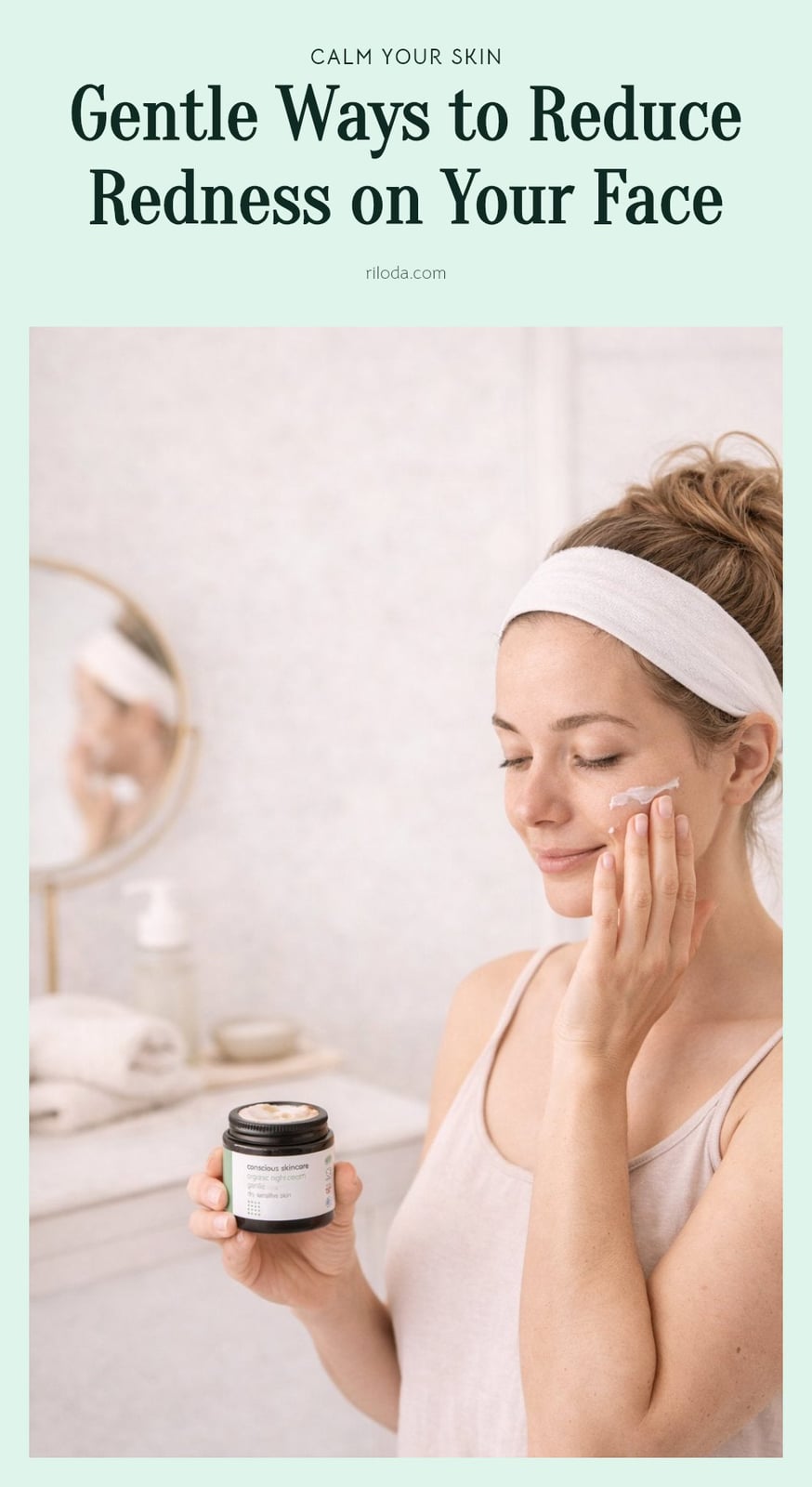
Facial redness can be frustrating, but understanding what triggers it is the first step to calming your skin. Whether it’s a persistent condition like rosacea or a reaction to a new product, the right approach can make a real difference. This article covers the common causes of facial redness and shares practical, gentle ways to reduce and prevent it.
Key Takeaways
- Use a gentle, fragrance-free cleanser and lukewarm water twice daily.
- Apply broad-spectrum sunscreen with SPF 30 or higher every morning.
- Moisturize with a barrier-repairing cream containing ceramides or niacinamide.
- Identify and avoid personal triggers like spicy foods, hot showers, or alcohol.
- Consult a dermatologist if redness persists or worsens for several weeks.
What Causes Redness on Your Face?
Facial redness often comes from more than one place. Chronic skin conditions like rosacea or eczema are common culprits, but environmental triggers such as sun exposure or extreme temperatures can also cause it. Reactions to certain skincare products or ingredients play a role too. The key is identifying your personal triggers, adopting a gentle routine, and using soothing ingredients to support your skin barrier.
Why Your Face Might Be Red
Common Causes
Your face might be red for several reasons. Rosacea is a chronic inflammatory condition that causes redness, visible blood vessels, and sometimes bumps. Eczema leads to red, itchy, inflamed patches, often worsened by dryness and irritants. Allergic reactions, sunburn, acne, and irritation from skincare products are also frequent causes.
How the Skin Barrier Fits In
A damaged skin barrier struggles to retain moisture and protect against irritants, which increases sensitivity and redness. This makes your skin more reactive to triggers.
Common Triggers
- Sun exposure
- Hot showers
- Spicy foods
- Alcohol
These can all exacerbate redness, especially if you have an underlying condition like rosacea.
Essential Products for Calming Facial Redness

Stocking your bathroom cabinet with the right products can make a real difference. Here is what I look for:
- Gentle, fragrance-free cleanser: Cleans without stripping your skin’s natural oils.
- Broad-spectrum sunscreen (SPF 30+): Non-negotiable daily protection from sun-induced redness.
- Moisturizer for sensitive skin: Choose one with ceramides, hyaluronic acid, or niacinamide to repair and hydrate.
- Soothing facial serums: Ingredients like green tea extract or centella asiatica help calm inflammation.
- Colloidal oatmeal masks: Great for immediate relief when your skin feels hot or irritated.
Effective Ways to Reduce Facial Redness

Gentle Cleansing Routine
Wash your face with lukewarm water and a gentle, fragrance-free cleanser twice daily. Pat dry with a soft towel, never rub, as that can aggravate redness.
Prioritize Sun Protection
Apply a broad-spectrum sunscreen with SPF 30+ every morning, even if you stay indoors. Sun exposure is a major trigger, and consistent protection helps prevent flare-ups.
Moisturize Consistently
Use a barrier-repairing cream containing ceramides or niacinamide. My tip: Apply moisturizer while your skin is still slightly damp to lock in hydration.
Incorporate Soothing Ingredients
Look for serums or moisturizers with green tea extract, niacinamide, or ceramides. These help reduce inflammation and strengthen your skin barrier over time.
Identify and Avoid Triggers
Keep a diary to track what makes your redness worse, spicy foods, hot showers, or certain products. Once you pinpoint them, avoiding them becomes much easier.
Common Mistakes That Worsen Facial Redness
Even with a solid routine, a few common missteps can keep your skin red and irritated.
- Over-exfoliating: Harsh physical scrubs or strong chemical exfoliants can strip already sensitive skin. If your skin reacts easily, skip exfoliation entirely or choose a very gentle chemical option no more than once a week.
- Skipping sunscreen: Sun exposure is one of the biggest redness triggers, and it can damage your skin barrier over time. Daily broad-spectrum SPF 30+ is non-negotiable, even on cloudy days.
- Using harsh products: Alcohol, strong fragrances, and essential oils can irritate and strip your skin. Stick to fragrance-free, sensitive-skin friendly formulas with minimal ingredients.
- Ignoring triggers: Hot showers, spicy foods, alcohol, and certain fabrics can cause flushing or worsen redness. Pay attention to what your skin reacts to and avoid those triggers consistently.
Preventing Future Redness Flare-Ups
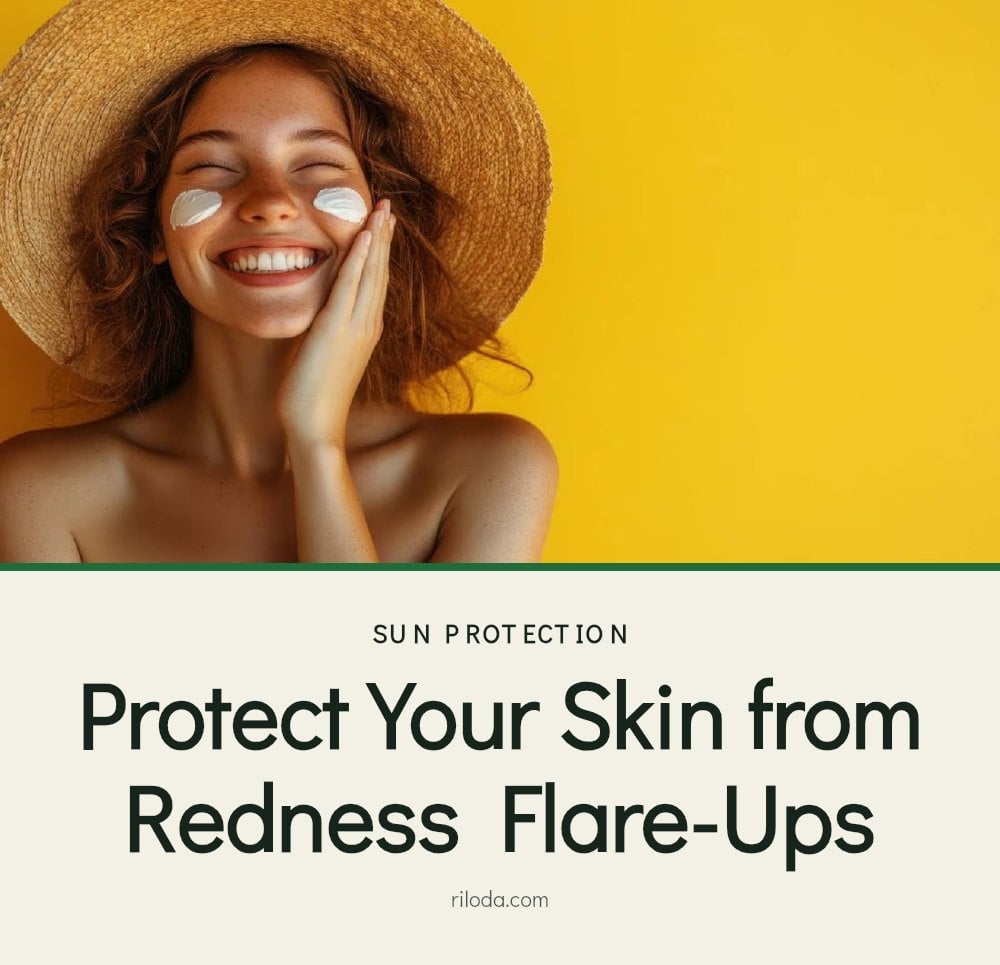
Long-term redness control comes down to consistent habits that protect your skin barrier and avoid known irritants.
- Wear SPF daily: Broad-spectrum sunscreen with SPF 30+ every morning prevents sun-induced redness and shields sensitive skin from UV damage.
- Keep your routine simple: Use only fragrance-free, gentle products designed for sensitive skin. Fewer active ingredients means less chance of irritation.
- Avoid your triggers: Once you know what causes flare-ups, whether it is spicy food, hot drinks, or certain fabrics, make a point to avoid them.
- Manage stress: High stress can worsen redness and conditions like rosacea. Try deep breathing, short walks, or any calming activity that works for you.
When to Consult a Dermatologist for Facial Redness
Most redness can be managed at home, but some situations call for a professional.
- Persistent or worsening redness: If your skin stays red despite consistent care for several weeks, a dermatologist can identify the underlying cause.
- Suspected skin condition: Rosacea and eczema need an accurate diagnosis. A dermatologist can confirm what is going on and recommend a tailored treatment plan.
- Severe symptoms: Seek medical attention if redness comes with severe itching, burning, swelling, or blistering, as these may signal a serious reaction or infection.
- No improvement: If over-the-counter products and home remedies have not helped after several weeks of regular use, professional guidance is the next step.
Frequently Asked Questions
Can stress cause facial redness?
Yes, stress can trigger or worsen facial redness in some people. Stress hormones may cause temporary flushing or exacerbate conditions like rosacea. Managing stress through techniques like deep breathing or meditation might help reduce flare-ups.
What is the best foundation for red skin?
Look for foundations labeled non-comedogenic, fragrance-free, and designed for sensitive skin. Green-tinted color-correcting primers can help neutralize redness before applying foundation. Always patch test a new product on a small area first.
How long does it take to reduce facial redness?
Some soothing products can provide immediate relief, but significant reduction in chronic redness often takes several weeks to months of consistent routine changes. Professional treatments may offer faster results, but they require a dermatologist’s guidance.
Are there any foods that can help with facial redness?
Some people find that anti-inflammatory foods like those rich in omega-3 fatty acids (e.g., salmon, walnuts) or antioxidants (e.g., berries, green tea) may help calm skin. However, dietary changes alone are unlikely to resolve redness without a proper skincare routine.
Can dehydration make facial redness worse?
Yes, dehydration can weaken your skin barrier, making it more prone to irritation and redness. Drinking enough water and using a moisturizer with hyaluronic acid or ceramides can help maintain hydration and support barrier repair.
Final Thoughts
Consistency is key when managing facial redness. Stick to a simple, gentle routine with soothing ingredients and daily sunscreen. It can take several weeks to see significant improvement, so be patient with your skin. If redness doesn’t improve, don’t hesitate to see a dermatologist for a proper diagnosis and treatment plan.
This article provides general information for educational purposes and is not a substitute for professional medical advice. If you have persistent, severe, or worsening facial redness, or suspect an underlying skin condition, please consult a dermatologist or healthcare provider for a proper diagnosis and treatment plan.
More Blog ideas
- How to Use Rose Water for Radiant Skin and Healthy Hair
- What Is My Personality Type? Understanding Yourself Better
- How to Clean Your Pores at Home
- Vitamin C Benefits for Skin and Health Plus the Best Foods
- How to Start Shadow Work for Deeper Self-Understanding
- How to Prep Your Hair Before Bleaching for Less Damage
- How to Prepare Sea Moss Gel at Home for Wellness
- How to Use Rice Water for Glowing Skin and Shiny Hair
- How to Find Morning Motivation When You Want to Stay in Bed
- Filing Nails: How to File Nails Correctly for Strong, Healthy Fingernails
- Healthy Coping Skills: Proven Strategies for Difficult Times
- Simple Ways to Romanticize Your Life Every Day