Understanding Procrastination and How to Overcome It
Discover why procrastination happens and learn practical, actionable strategies to break the cycle, boost productivity, and improve your daily life.

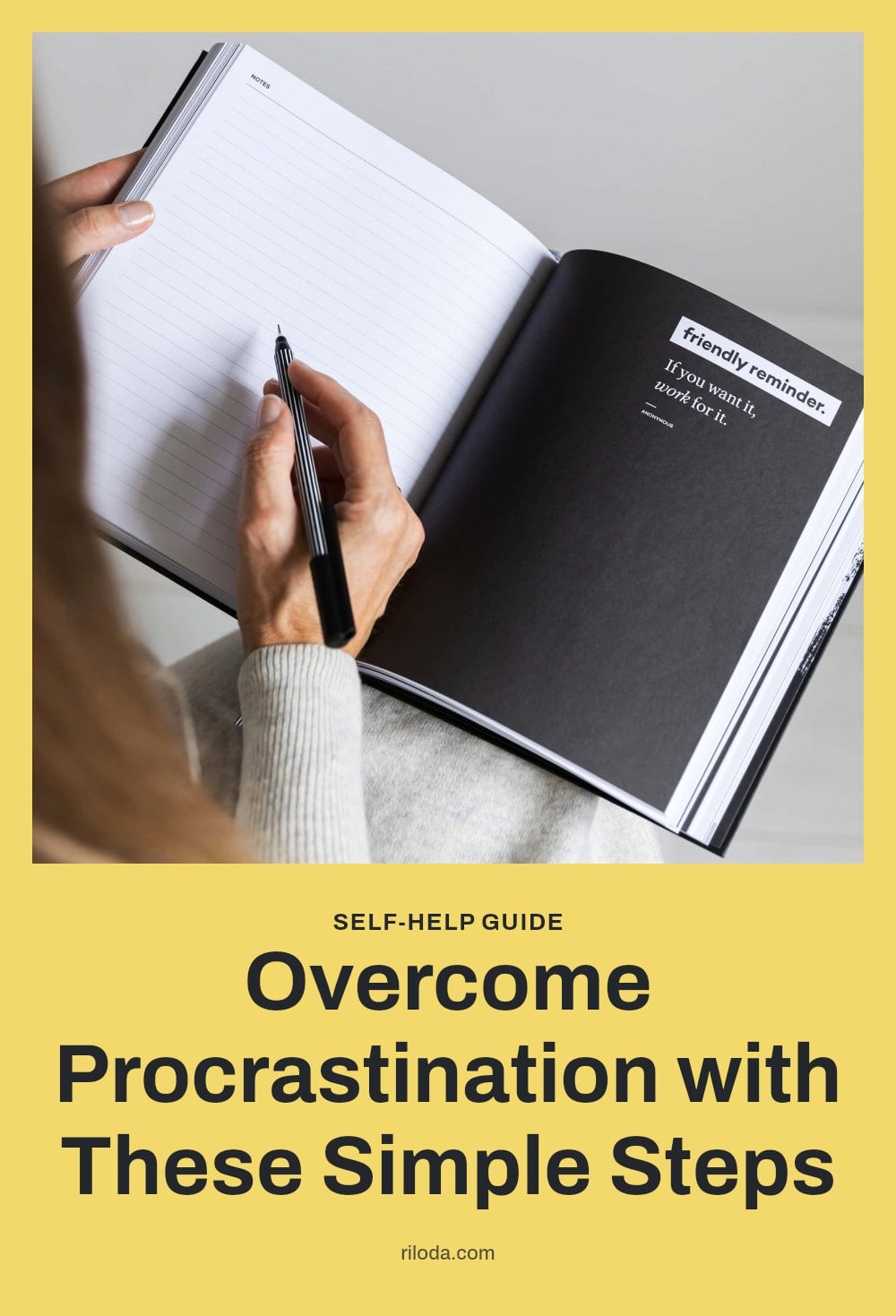
If you have ever sat staring at a to-do list, feeling stuck and frustrated, you are not alone. Procrastination is not about being lazy; it is an emotional habit where you avoid tasks to sidestep uncomfortable feelings like anxiety or boredom. This article covers what actually drives procrastination and offers practical strategies to help you break the cycle and build momentum.
Key Takeaways
- Procrastination is an emotional regulation problem, not a sign of laziness.
- Break large tasks into small, manageable steps to reduce overwhelm.
- Use time management techniques like the Pomodoro Technique to maintain focus.
- Practice self-compassion instead of self-criticism to boost motivation.
- Identify your personal triggers and create a distraction-free workspace.
What is Procrastination and Why Does it Happen?
Procrastination is often misunderstood as laziness, but it’s really an emotional regulation problem. When you delay a task, you’re usually trying to avoid uncomfortable feelings like anxiety, boredom, or frustration. The task itself isn’t the issue; the emotions it stirs up are. Understanding this emotional root is the first step to breaking the cycle. Once you recognize that you’re avoiding feelings, not work, you can start addressing the real cause.
Understanding the Real Reasons We Procrastinate
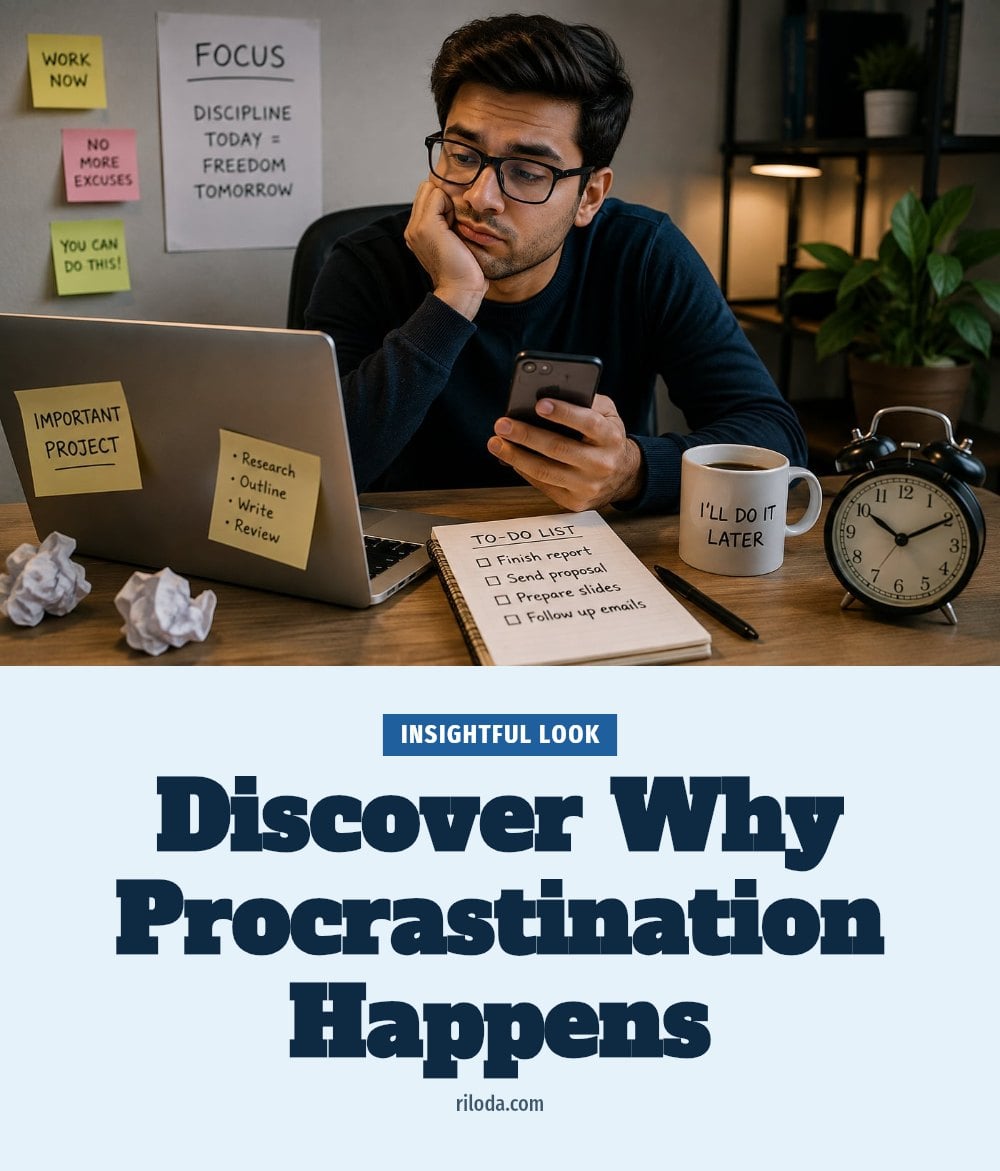
Why We Really Delay
Procrastination is closely linked to poor emotional regulation. You put off tasks to dodge negative feelings, but the avoidance only provides temporary relief. The underlying emotion stays, and the task still looms.
Perfectionism is a major driver. If you fear you can’t meet impossibly high standards, starting feels overwhelming. The fear of not doing it perfectly can paralyze you into doing nothing at all.
Other common triggers include:
- Fear of failure: Worrying about the outcome can make you avoid starting.
- Lack of clarity: Not knowing where to begin makes the task feel vague and intimidating.
- Low energy: Physical or mental fatigue reduces your capacity to take action.
Identifying which of these resonates with you is key. Once you name the real reason, you can address it directly instead of just pushing through.
Essential Tools to Help You Get Started
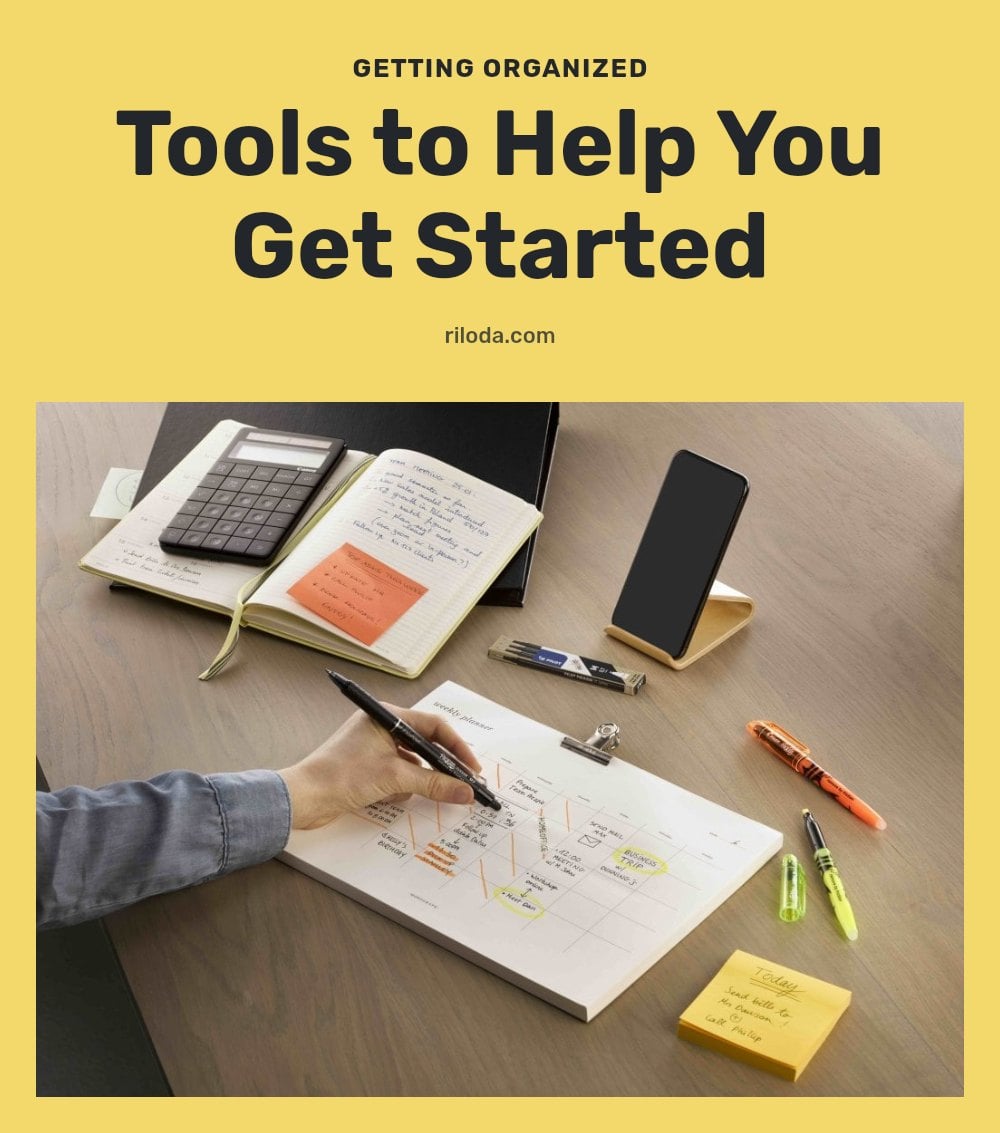
You don’t need a complex system to beat procrastination, just a few reliable tools.
- Planner or calendar: Use it to organize tasks and deadlines so nothing slips your mind.
- Timer: Essential for techniques like the Pomodoro method, where you work in focused intervals.
- Notebook and pen: Great for brainstorming ideas or jotting down a simple task list to clear your head.
- Distraction-blocking apps: These can temporarily block social media or other sites, creating a focused digital environment.
Start with just a planner and a timer. You can add more as you figure out what works for you.
Effective Strategies to Break the Procrastination Cycle
Strategies That Actually Work
Breaking large tasks into smaller, manageable steps is one of the most effective ways to reduce the overwhelm. Instead of “write report,” try “open document and write title.” Each small win builds momentum.
Set SMART goals: Specific, Measurable, Achievable, Relevant, and Time-bound. For example, “spend 30 minutes drafting the introduction by 3 PM” is clearer than “work on project.” This clarity reduces the mental friction that leads to delay.
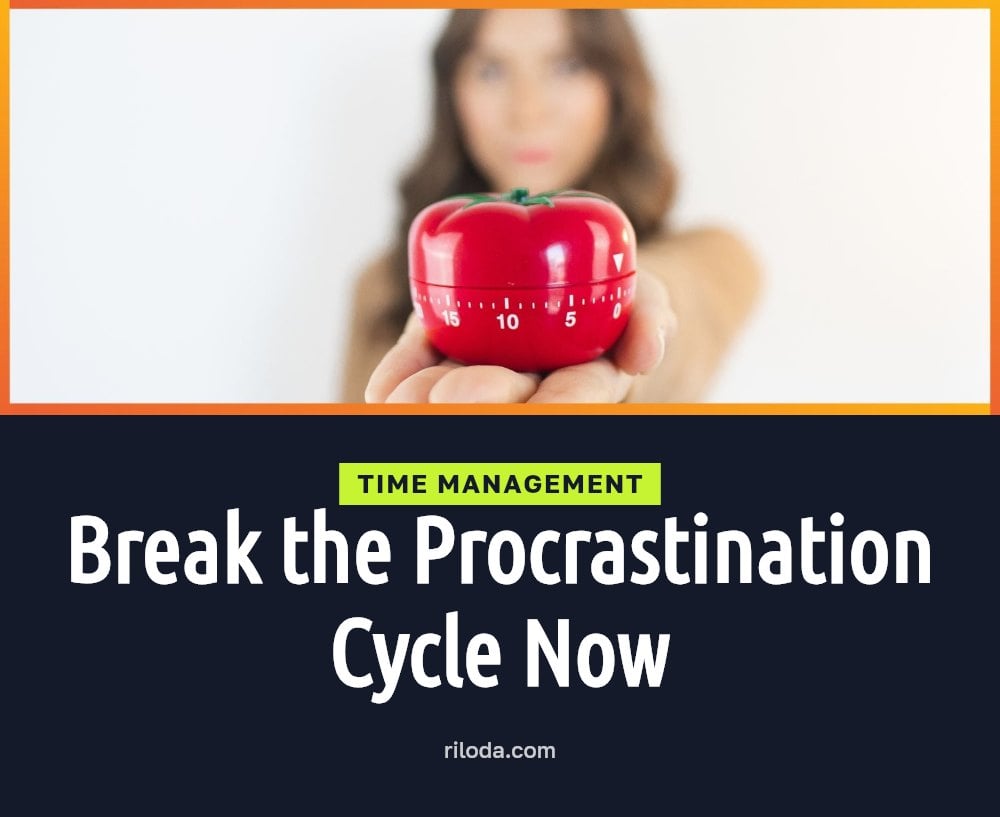
The Pomodoro Technique is a simple time-management method: work for 25 minutes, then take a 5-minute break. This structure helps maintain concentration and prevents burnout. After four cycles, take a longer break. Many people find this rhythm easier to sustain than long, unstructured work sessions.
The two-minute rule is another quick win. If a task takes less than two minutes, do it immediately. Respond to that email, file that document, or make that quick call. These small actions create a sense of accomplishment and build momentum.
Once you start, the Zeigarnik effect can work in your favor. Unfinished tasks create mental tension, which makes them more memorable and motivates you to complete them. So the hardest part is often just beginning.
Finally, address the underlying reasons for your procrastination. If fear of failure is holding you back, remind yourself that progress matters more than perfection. If you’re low on energy, schedule tasks during your peak hours or break them into shorter sessions. Ignoring the root cause means you’ll likely slip back into the same pattern.
Common Mistakes That Keep You Stuck
Mistake 1: Treating procrastination as a simple case of laziness. This prevents you from addressing the real emotional roots, like fear of failure or perfectionism. Self-compassion is a more effective starting point than self-judgment.
Mistake 2: Relying only on willpower without investigating underlying causes. Willpower alone often fails because it doesn’t resolve the anxiety or boredom driving the delay. Mistake 3: Setting unrealistic expectations for yourself. Aiming for perfection or an impossible workload leads to discouragement and more procrastination. Mistake 4: Underestimating how much environmental distractions pull your focus. A cluttered desk or buzzing phone makes it much harder to start. Mistake 5: Waiting for the perfect mood or moment. That moment rarely arrives; starting with a small, imperfect action builds real momentum.
Practical Tips for Building Momentum and Focus
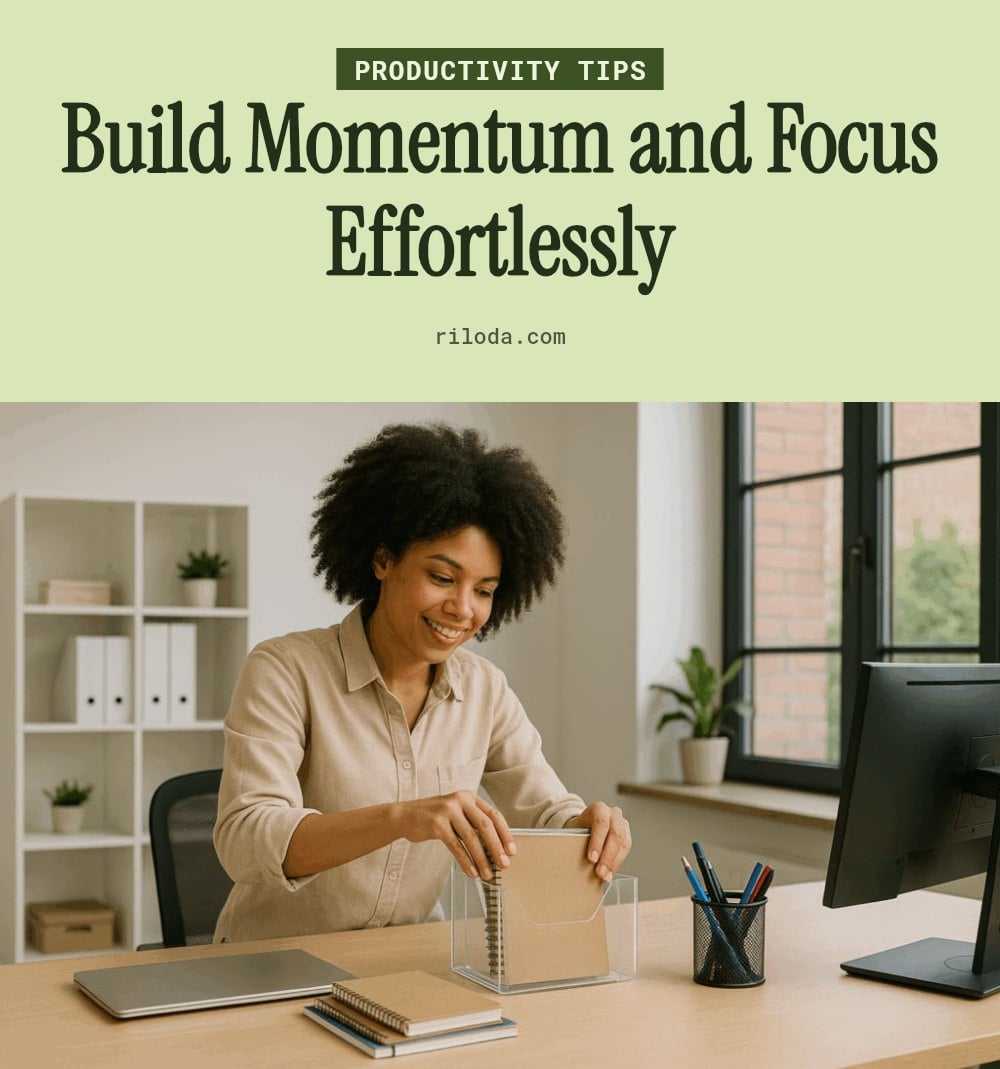
Practice self-compassion: Replace harsh self-criticism with a kinder inner voice. Shame can paralyze you, while self-acceptance actually boosts motivation to move forward. Create a dedicated workspace: Set up a spot where you only work. Keep it free from phones, TV, and clutter to reduce the temptation to switch tasks. Schedule for your peak time: Notice when you feel most alert and focused, and schedule your hardest tasks for those hours. Reward your progress: After finishing a difficult task, give yourself a small, meaningful reward. This reinforces the positive habit. Prioritize by urgency: Use a simple system like labeling tasks as high, medium, or low priority so you focus on what truly matters first.
Sustaining Progress and Preventing Future Procrastination
Make habits consistent: Repeat your new strategies daily until they feel automatic. The Zeigarnik effect suggests that once you start a task, the mental tension keeps you motivated to finish it. Review your goals regularly: Check in weekly on what worked and what didn’t. Adjust your approach based on your own experience. Maintain balance: Avoid burnout by scheduling breaks, sleep, and time for hobbies. Exhaustion is a common trigger for procrastination. Learn and adapt: If a strategy stops working, try a different one. Progress is about continuous small improvements, not perfection.
When to Seek Professional Help for Procrastination
If chronic procrastination is seriously affecting your daily life, relationships, or career, consider talking to a professional. It may be a sign of an underlying issue like anxiety or depression. A therapist or counselor can help you explore the emotional roots and develop personalized strategies. You don’t have to manage this alone.
Frequently Asked Questions
Is procrastination a sign of laziness?
No, procrastination is not the same as laziness. It is often an emotional regulation issue where you delay tasks to avoid uncomfortable feelings like anxiety, boredom, or frustration. Laziness involves a lack of energy or desire to act, while procrastination involves knowing what to do but struggling to start due to emotional barriers.
How do I start a task when I have no motivation?
Do not wait for motivation to strike. Start with a very small action, like writing just one sentence or setting a timer for two minutes. The two-minute rule suggests that if a task takes less than two minutes, do it immediately. Often, taking that first tiny step creates momentum and makes the task feel more manageable.
Can perfectionism lead to procrastination?
Yes, perfectionism is a major driver of procrastination. The fear of not meeting impossibly high standards can make starting a task feel overwhelming. You may avoid the task altogether rather than risk doing it imperfectly. Focusing on progress instead of perfection can help reduce that pressure and make it easier to begin.
What is the ‘two-minute rule’ for productivity?
The two-minute rule is a simple guideline: if a task takes less than two minutes to complete, do it immediately rather than adding it to your to-do list. This helps clear small tasks quickly, reduces mental clutter, and builds a habit of taking action. It is especially useful for chores, emails, or small administrative tasks.
How long does it take to overcome procrastination?
Overcoming procrastination is a continuous process, not a one-time fix. With consistent practice of new habits, many people notice noticeable improvements within a few weeks. The key is to keep using strategies like breaking tasks down, managing distractions, and practicing self-compassion. If procrastination persists and seriously affects your life, consider speaking with a therapist.
Final Thoughts
Start with one small step today, even if it is just opening a document or setting a timer for five minutes. You will likely notice improvements within a few weeks of consistent practice. Remember, progress matters more than perfection, and every small win builds the momentum you need to keep going.
This article is for informational purposes only and does not constitute medical or professional advice. If chronic procrastination is significantly impacting your daily life, relationships, or career, or if you are experiencing symptoms of anxiety or depression, please consult a qualified therapist or counselor for personalized support.
More Blog ideas
- How to Use Rose Water for Radiant Skin and Healthy Hair
- What Is My Personality Type? Understanding Yourself Better
- How to Clean Your Pores at Home
- Vitamin C Benefits for Skin and Health Plus the Best Foods
- How to Start Shadow Work for Deeper Self-Understanding
- How to Prep Your Hair Before Bleaching for Less Damage
- How to Prepare Sea Moss Gel at Home for Wellness
- How to Use Rice Water for Glowing Skin and Shiny Hair
- How to Find Morning Motivation When You Want to Stay in Bed
- Filing Nails: How to File Nails Correctly for Strong, Healthy Fingernails
- Healthy Coping Skills: Proven Strategies for Difficult Times
- Simple Ways to Romanticize Your Life Every Day