How to Track Macros for Beginners: Easy Steps for Women
Learn how to track macros for fitness and weight loss with our easy-to-follow guide for women. Get your personalized plan and avoid common mistakes.


If you’ve ever felt like calories alone don’t tell the whole story of your diet, tracking macros might be the step you need. Macros, protein, carbs, and fats, are the building blocks your body uses for energy, muscle repair, and hormone balance. This article walks you through exactly how to start tracking them, from calculating your numbers to choosing the right tools, so you can tailor your eating to your fitness goals without the guesswork.
Key Takeaways
- Calculate your TDEE first to set a calorie goal, then divide it into a macro split.
- Use a food scale for accurate portions, especially for calorie-dense foods like nuts and oils.
- Prioritize protein at 0.7-1 gram per pound of body weight if you’re active.
- Keep dietary fat above 20% of daily calories to support hormonal health.
- Adjust your targets every 4-8 weeks based on progress and how you feel.
What Are Macros and Why Should You Track Them?
Macros, short for macronutrients, are the three nutrients your body needs in large amounts: protein, carbohydrates, and fats. Each one plays a distinct role in keeping you energized, building muscle, and regulating hormones, so they are essential for basic body function. Tracking them helps you optimize body composition, steady your energy throughout the day, and improve athletic performance. Unlike simple calorie counting, macro tracking focuses on the quality and balance of what you eat, which gives you more control over how your body uses those calories.
The Role of Each Macronutrient in Your Body
Each macronutrient has a specific job and calorie density, so balancing them matters more than just hitting a total number.
Protein
Protein provides 4 calories per gram and is vital for muscle repair and growth. It also supports enzymes, hormones, and immune function. For active women, getting enough protein helps preserve lean mass, especially during weight loss.
Carbohydrates
Carbs also provide 4 calories per gram and are your body’s primary energy source. They fuel your brain, muscles, and daily activities. Choosing complex carbs like oats, quinoa, and vegetables gives you steady energy plus fiber.
Fats
Fats are the most calorie-dense at 9 calories per gram. They are crucial for hormone production, including estrogen and progesterone, and for absorbing fat-soluble vitamins A, D, E, and K. Healthy fats from avocados, nuts, and olive oil support cell function and satiety.
Balancing these three is key for overall health and specific goals, whether you want to lose fat, gain muscle, or simply maintain your energy.
Essential Tools for Accurate Macro Tracking
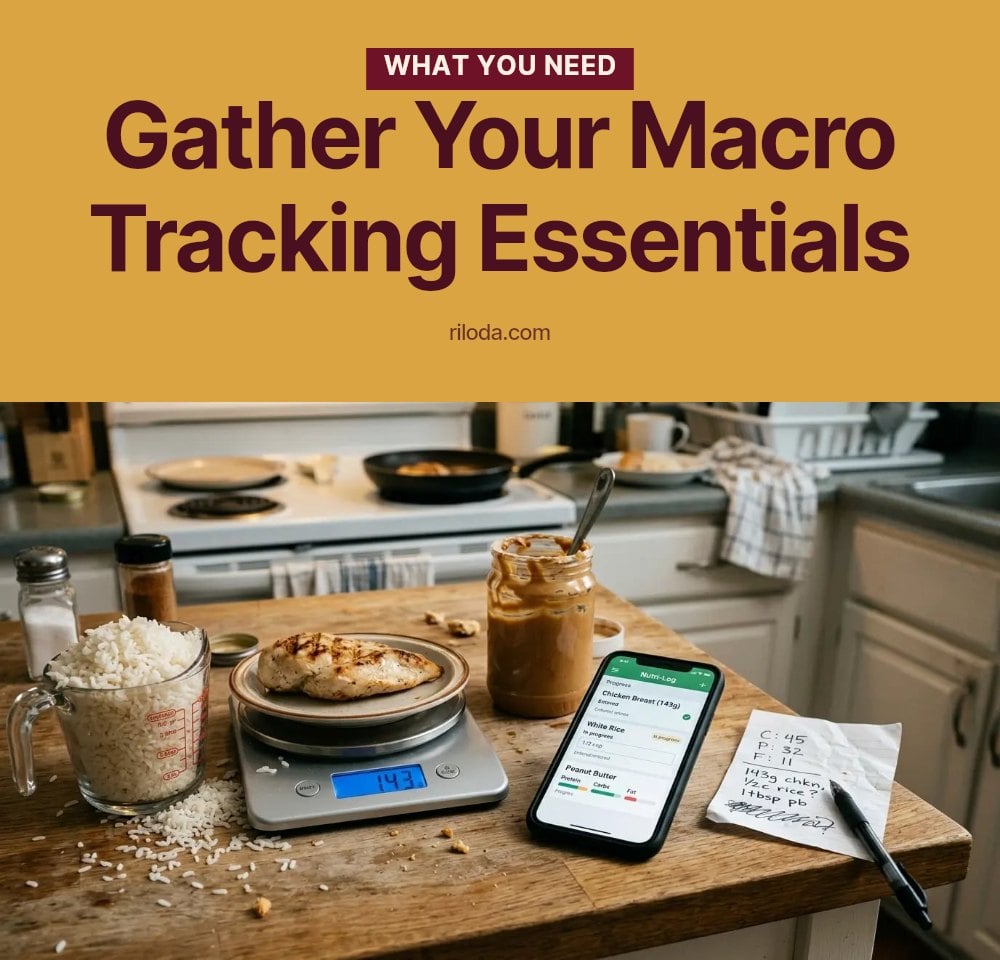
Accurate tracking starts with the right tools. Here is what you need.
- Food scale: This is the most critical tool. Weighing food in grams gives you precise portion sizes, which is especially important for calorie-dense items like nuts, cheese, and oils.
- Measuring cups and spoons: Use these for liquids, like milk or yogurt, and for smaller portions like peanut butter or salad dressing.
- Macro tracking app: Apps like MyFitnessPal, Cronometer, or Lose It! simplify logging and auto-calculate your remaining macros for the day.
- Journal or notebook: If you prefer pen and paper, a journal works for manual tracking and lets you reflect on how different foods make you feel.
Start with a food scale and an app; those two alone will dramatically improve your accuracy.
Your Step-by-Step Guide to Calculating and Tracking Macros
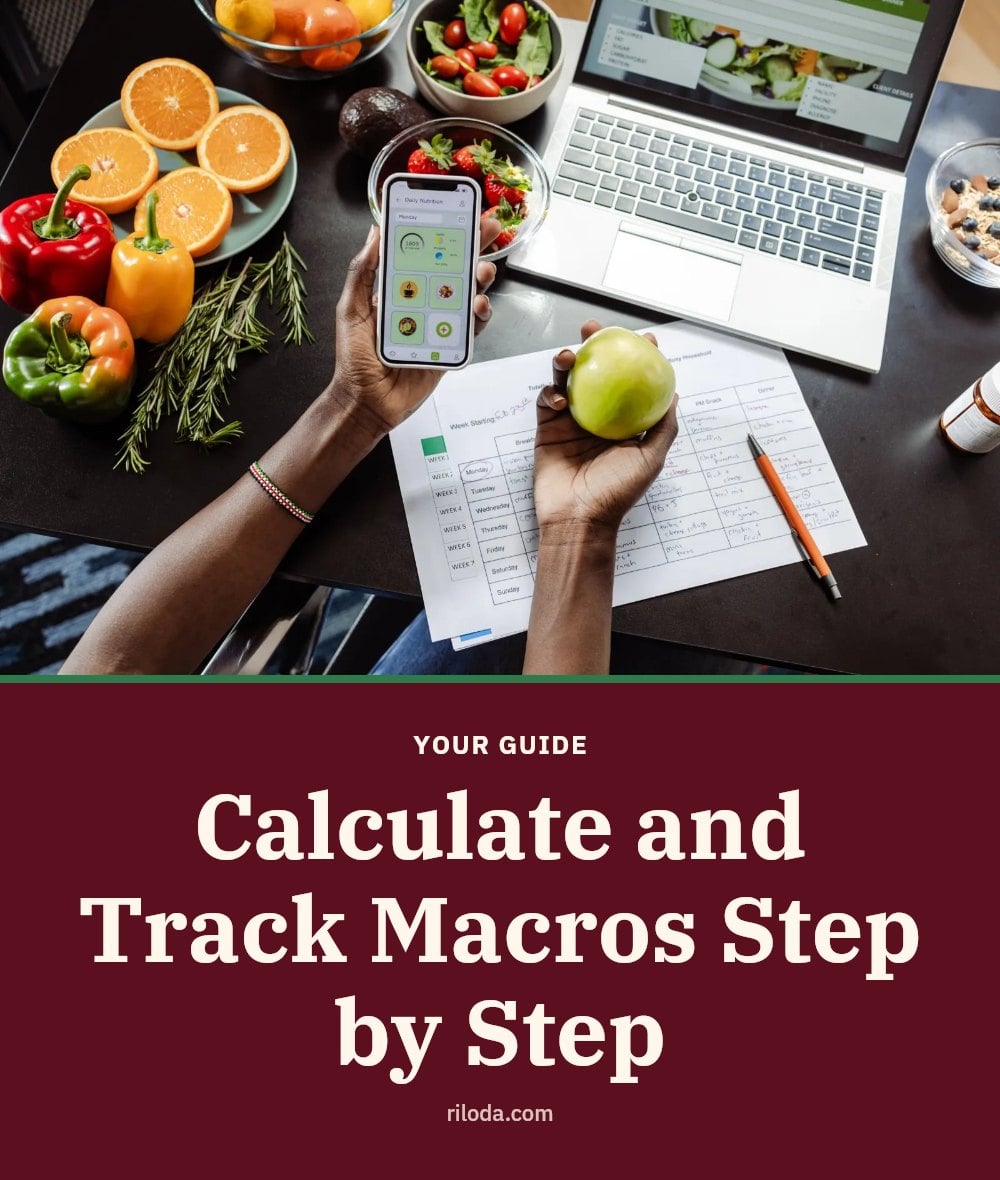
Calculating your macros sounds technical, but it breaks down into six clear steps.
- Calculate your TDEE: Your Total Daily Energy Expenditure is the number of calories you burn each day. Use an online calculator that factors in your age, height, weight, and activity level. This gives you your starting calorie goal.
- Set your macro split: Based on your goal, adjust your percentages. For weight loss, a common split is higher protein to preserve muscle. For muscle gain, increase carbs and protein. For maintenance, keep a balanced ratio.
- Prioritize protein: Aim for 0.7 to 1 gram per pound of body weight if you are active. This supports muscle repair and keeps you satisfied.
- Divide the rest between carbs and fats: After protein, allocate the remaining calories. Keep fat above 20% of total calories to support hormonal health. Carbs fill the rest and fuel your workouts.
- Log everything accurately: Use your food scale and tracking app for every meal, snack, and drink. Don’t forget cooking oils, sauces, and beverages.
- Adjust based on progress: After 2 to 4 weeks, check your results and energy. If you’re not moving toward your goal, tweak your calories or macros by 5 to 10%. Also, consult a professional before making significant changes.
Common Macro Tracking Mistakes and How to Avoid Them
Inaccurate Food Measurement: Using a food scale in grams gives you reliable portion sizes, especially for calorie-dense foods like nuts and cheese. Measuring cups are less precise for solids.
Unrealistic Targets: Start with a moderate calorie deficit or surplus based on your TDEE. Adjust by 100-200 calories only after two weeks of consistent tracking.
Obsessing Over Exact Numbers: Aim to hit within 5-10 grams of each macro daily. Consistency over weeks matters more than perfection on any single day.
Neglecting Micronutrients: Whole foods like vegetables, fruits, and lean proteins provide vitamins and fiber that processed foods lack. Your body needs those, too.
Ignoring Body Cues: If you feel hungry, eat a protein- and fiber-rich snack. If you feel full, don’t force the last 100 calories. Your body signals are valid.
Forgetting Hidden Macros: Cooking oils, salad dressings, sauces, and drinks like lattes add calories and macros fast. Log every drizzle and splash.
Smart Tips for Sustainable Macro Tracking

Prep Meals Ahead: Spend one hour on Sunday cooking grains, roasting vegetables, and portioning proteins. Grab-and-go containers make weekday tracking effortless.
Focus on Whole Foods: Vegetables, lean meats, eggs, legumes, and whole grains pack more nutrients and fiber per calorie than processed snacks. They keep you full longer.
Stay Hydrated: Water supports metabolism and helps you recognize true hunger. Drink a glass before each meal.
Be Consistent, Not Perfect: Track most days, log honestly, and don’t stress over a missed day. Small daily habits build lasting results.
Review Your Progress: Every 4 weeks, check your energy, weight trend, and how your clothes fit. Adjust your macro targets if needed.
Don’t Compare: Your height, activity level, and metabolism are yours alone. Another woman’s split won’t work for you. Trust your own data.
When to Consult a Professional for Your Diet Plan
If you have a medical condition like diabetes, thyroid disorder, or kidney issues, talk to your doctor before changing your diet. A registered dietitian can design a plan that fits your health needs, especially if you have food allergies or complex goals. Stop tracking and seek help if you notice extreme fatigue, mood swings, or signs of disordered eating. For hormonal health, keep dietary fat above 20% of your total daily calories. A dietitian can help you set that safely.
Timeline for Results and What to Expect
Setting up your macros takes about one hour: calculate your TDEE, choose a split, and set up a tracking app. After that, plan on 5-10 minutes per day to log food. Most people notice changes in energy, body composition, or weight within 4-8 weeks of consistent tracking. Costs include a food scale (one-time $10-20) and possibly a monthly app subscription ($5-15) for premium features.
Frequently Asked Questions
What is a good macro split for weight loss?
A common starting point for weight loss is a split that emphasizes protein to preserve muscle, such as 30-35% protein, 30-35% carbohydrates, and 30-40% fats. Your exact split depends on your TDEE and activity level, so start with a moderate calorie deficit and adjust based on your results.
How do I adjust my macros if I’m not seeing results?
If you haven’t seen changes after 4-8 weeks, first check your tracking accuracy, are you weighing portions and logging everything, including sauces and drinks? If that’s solid, adjust your calorie goal by 100-200 calories per day or tweak your macro ratio slightly, like increasing protein or lowering carbs, and give it another 2-4 weeks.
Can I track macros without weighing all my food?
Yes, you can use measuring cups, spoons, or visual estimates, but these are less accurate, especially for calorie-dense foods like nuts, cheese, and oils. For best results, weigh your food for the first few weeks to train your eye, then you can rely on approximations more confidently.
How long does it take to see results from macro tracking?
Most people notice changes in energy, body composition, or weight within 4-8 weeks of consistent tracking. The timeline depends on your goals, calorie deficit or surplus, and how closely you stick to your targets. Give it at least a month before making major adjustments.
Final Thoughts
Start by calculating your TDEE and setting a moderate calorie goal, whether you want to lose, gain, or maintain weight. Then pick a simple macro split, like 30% protein, 40% carbs, and 30% fat, and track consistently with a food scale and an app. Expect to see noticeable changes in energy or body composition within 4-8 weeks if you stick with it. Remember, consistency beats perfection every time.
This article is for general informational purposes only and does not constitute medical or dietary advice. Before making significant changes to your diet or starting a new tracking regimen, consult a healthcare professional or registered dietitian, especially if you have underlying health conditions or specific nutritional needs.
More Blog ideas
- How to Use Rose Water for Radiant Skin and Healthy Hair
- What Is My Personality Type? Understanding Yourself Better
- How to Clean Your Pores at Home
- Vitamin C Benefits for Skin and Health Plus the Best Foods
- How to Start Shadow Work for Deeper Self-Understanding
- How to Prep Your Hair Before Bleaching for Less Damage
- How to Prepare Sea Moss Gel at Home for Wellness
- How to Use Rice Water for Glowing Skin and Shiny Hair
- How to Find Morning Motivation When You Want to Stay in Bed
- Filing Nails: How to File Nails Correctly for Strong, Healthy Fingernails
- Healthy Coping Skills: Proven Strategies for Difficult Times
- Simple Ways to Romanticize Your Life Every Day