Strength Training at Home: Easy Guide for Beginners
Discover how to start strength training at home with this easy guide for beginners. Build muscle, boost metabolism, and improve bone density safely.

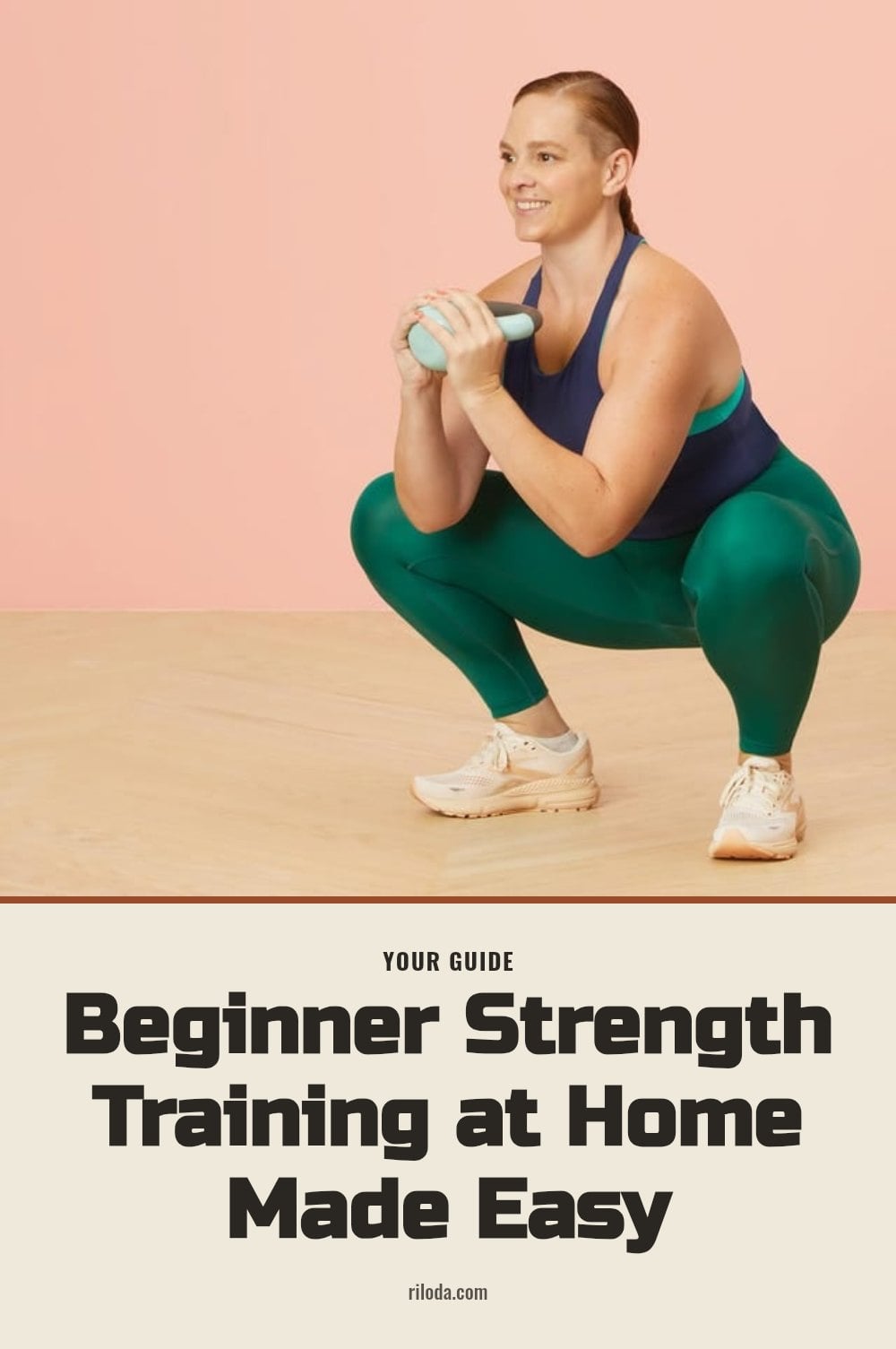
Starting strength training at home can feel like a big step, but it’s one of the most effective ways to build muscle, improve bone density, and boost your metabolism, all without a gym membership. This article covers what you need to get started, the key moves to focus on, and how to progress safely so you see real results over time.
Whether you’re looking to feel stronger in daily life or simply want a new way to move your body, you can begin right now with little more than your own body weight.
Key Takeaways
- Aim for 2 to 3 strength training sessions per week with at least one rest day between them.
- Start with bodyweight exercises like squats, lunges, and push-ups to master proper form first.
- Gradually increase repetitions, sets, or resistance to continue challenging your muscles over time.
- Always warm up for 5 to 10 minutes and cool down with static stretches after each workout.
- Listen to your body: muscle soreness is normal, but sharp pain means stop immediately.
What is Strength Training and Why Do It?
Strength training, also called resistance training, uses resistance to build muscle strength and endurance. It can increase muscle mass, improve bone density, boost metabolism, and even enhance mood. Many women find it helps with weight management and daily activities. The best part: you can start at home with bodyweight exercises, no gym membership needed. That makes it accessible for beginners who want to get stronger on their own schedule.
Essential Equipment for At-Home Strength Training

You don’t need much to start strength training at home. Bodyweight exercises are the foundation, so most equipment is optional. Here’s what can help:
- Yoga mat: Provides comfort and grip for floor work.
- Resistance bands: Offer varied resistance levels for adding challenge.
- Light dumbbells (2-5 lbs): Good for starting to add weight.
- Sturdy chair or bench: Assists with exercises like step-ups and tricep dips.
- Water bottle: Crucial for staying hydrated during your workout.
Start with just a mat and a chair, then add bands or dumbbells as you progress.
Your First Steps to Starting Strength Training at Home
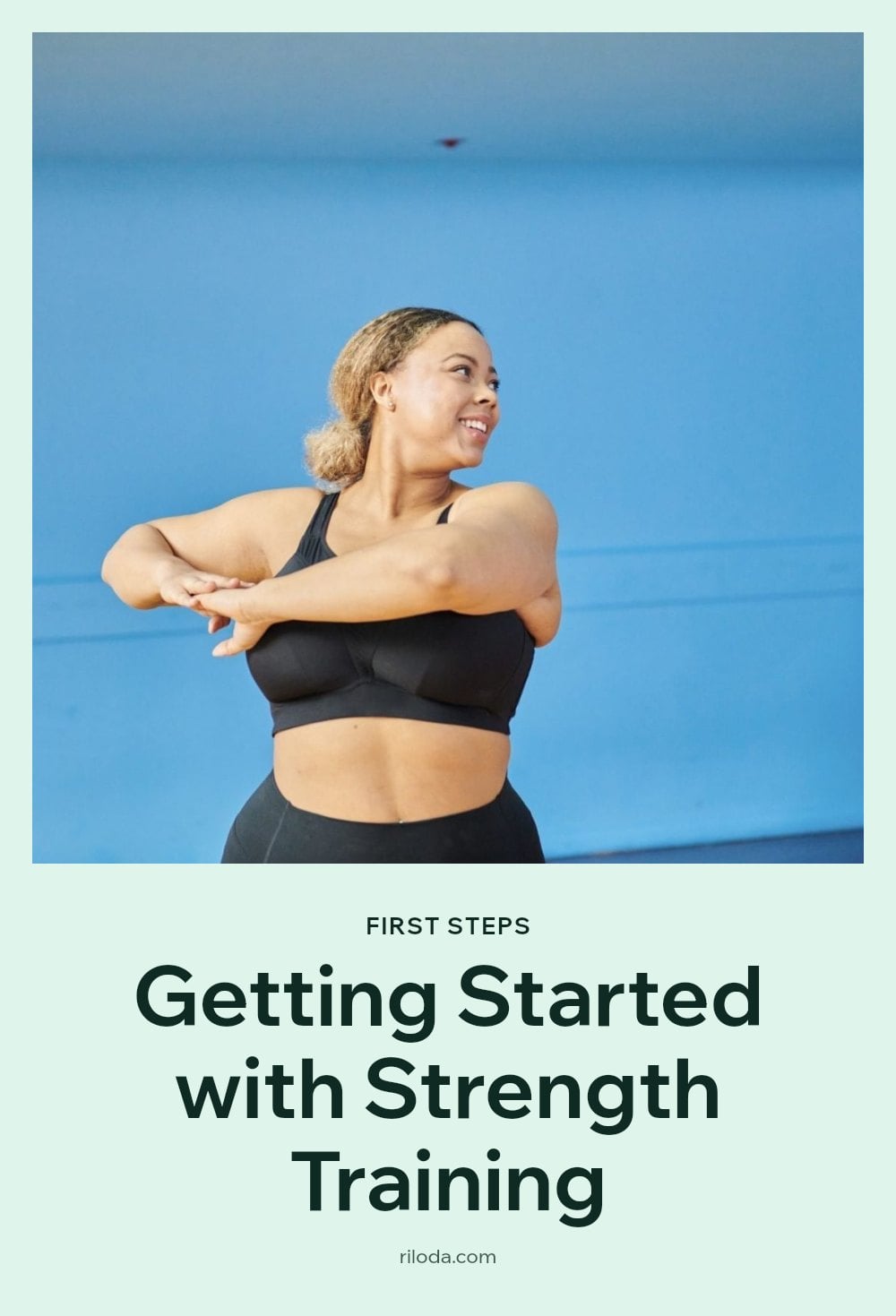
Starting strength training at home is simple if you follow these steps.
- Check with your doctor: Before beginning any new exercise program, especially if you have pre-existing health conditions, consult a healthcare professional.
- Warm up dynamically: Spend 5-10 minutes doing light cardio like marching in place or arm circles to increase blood flow and prepare your muscles.
- Master bodyweight form: Focus on exercises like squats, lunges, and push-ups with controlled movements. Proper form prevents injury and maximizes benefits.
- Choose compound moves: Pick exercises that work multiple muscle groups at once, such as squats, lunges, and push-ups, to get more done in less time.
- Schedule 2-3 sessions per week: Allow at least one rest day between sessions for muscle recovery. Consistency beats intensity when you’re starting.
- Cool down and stretch: Finish each session with 5-10 minutes of static stretching to improve flexibility and aid recovery.
Start with one set of each exercise, and gradually add more as you feel stronger.
Understanding Progressive Overload for Continued Progress
Progressive overload is the key to continued progress. It means gradually increasing the challenge to your muscles over time. You can do this by adding more repetitions, increasing the number of sets, using heavier resistance, or decreasing rest time between sets. Without this gradual increase, your muscles adapt and stop growing stronger. Start with a weight or resistance that allows you to complete your sets with good form, then add a rep or two each week. Small changes add up to big results.
Effective Bodyweight Exercises for Beginners
These five moves hit every major muscle group and need zero equipment. Master them in order, and you will build a solid foundation.
- Squats: Stand with feet shoulder-width apart, lower your hips back and down as if sitting into a chair, then push through your heels to stand. They target your glutes, quads, and hamstrings.
- Lunges: Step one foot forward and lower your back knee toward the floor, keeping your front knee over your ankle. Push back to start. They work your legs and glutes while challenging your balance.
- Push-ups: Start in a high plank with hands under shoulders, lower your chest toward the floor, and push back up. They strengthen your chest, shoulders, and triceps. On your knees is fine to start.
- Planks: Hold a straight line from head to heels on your forearms and toes, engaging your core and glutes. Build up to 30-60 seconds. They build core strength and stability.
- Glute Bridges: Lie on your back with knees bent and feet flat, then lift your hips toward the ceiling, squeezing your glutes at the top. They activate your glutes and hamstrings.
Start with 2-3 sets of 8-12 repetitions for each exercise, resting 60 seconds between sets. Focus on slow, controlled movements rather than speed.
Common Mistakes to Avoid When Strength Training
Even with the best intentions, a few common mistakes can slow your progress or lead to injury. Here is what to watch for.
- Ignoring proper form: Controlled movements beat speed or heavy weights every time. Slow down, check your alignment in a mirror, and master the motion before adding any load.
- Skipping warm-ups and cool-downs: A 5-10 minute light cardio warm-up prepares your muscles, and stretching afterward aids recovery. Skipping either raises your injury risk.
- Not allowing adequate rest: Muscles grow during recovery, not just during the workout. Take at least one rest day between sessions, and get enough sleep.
- Holding your breath: Exhale on the exertion (the hard part) and inhale on the release. Holding your breath can spike blood pressure and reduce performance.
- Ignoring pain: Muscle fatigue and mild soreness are normal. Sharp, unusual pain is not. Stop immediately if you feel it, and seek medical advice if it persists.
Top Tips for a Successful At-Home Strength Routine

Stay Hydrated: Drink water before, during, and after your workout. Even mild dehydration can reduce your strength and make you feel sluggish.
Prioritize Nutrition: Your muscles need protein to repair and grow after a session. Aim to include a protein source like eggs, Greek yogurt, or a shake within a few hours of finishing.
Listen to Your Body: Some muscle soreness the next day is normal, especially when you start. Sharp or sudden pain during a move means stop immediately and rest that area.
Be Consistent: Two to three sessions per week will build strength faster than one intense workout followed by a long break. Regularity matters more than how heavy you lift in the beginning.
Track Your Progress: Jot down the exercises, reps, and sets after each workout. Seeing that you did one more rep or held a plank five seconds longer than last week keeps you motivated.
What to Expect: Timeline and Cost for At-Home Strength Training
You can expect to notice initial improvements in your strength and endurance within 4 to 6 weeks of consistent training. More visible changes in muscle definition and body composition usually take several months of regular effort. The good news is that at-home strength training can be very low-cost. You can start with zero equipment using only bodyweight exercises. Costs only increase if you choose to add resistance bands, dumbbells, or a yoga mat later on.
When to Consult a Professional
If you have pre-existing health conditions like heart disease, high blood pressure, or joint issues, check with your doctor before starting any strength routine. This is especially important if you have been inactive for a while or are unsure about your health status.
Stop your workout immediately and seek medical advice if you experience sharp pain, dizziness, or chest discomfort. Muscle fatigue and mild soreness are normal, but these symptoms are not.
Consider working with a certified personal trainer, even for a few sessions, if you are unsure about your form or want a plan tailored to your needs. Many trainers offer virtual sessions, so you can get guidance at home.
Frequently Asked Questions
How often should a beginner do strength training?
Aim for two to three sessions per week, with at least one rest day in between to allow your muscles time to recover. This schedule gives you enough stimulus to build strength without overtraining.
What is progressive overload in strength training?
Progressive overload means gradually making your muscles work harder over time. You can do this by adding more repetitions, increasing the number of sets, using heavier resistance, or shortening rest periods between sets. Without it, your progress will stall.
Can strength training help with weight loss?
Yes, it can. Building muscle mass boosts your resting metabolism, meaning you burn more calories even at rest. When combined with a balanced diet and regular cardio, strength training becomes a powerful tool for weight management.
How long does it take to see results from strength training?
You can notice initial improvements in strength and endurance within 4 to 6 weeks of consistent training. More visible changes in muscle definition and body composition usually take several months of regular effort.
Is it okay to feel sore after strength training?
Yes, some muscle soreness is normal, especially when you start or increase intensity. However, sharp or unusual pain is a sign to stop. If soreness persists for more than a couple of days or feels extreme, give your body extra recovery time.
Final Thoughts
For the best results, commit to two or three strength sessions each week and focus on controlled movements over speed or heavy weights. You can expect to notice improvements in your strength and endurance within 4 to 6 weeks, with more visible changes in muscle definition taking a few months of consistent effort.
Stay patient, stay consistent, and remember that every small step forward builds a stronger, healthier you.
This article is for general informational purposes only and does not constitute medical or professional fitness advice. Before starting any new exercise program, especially if you have pre-existing health conditions, consult a doctor or qualified fitness professional. Stop immediately if you experience sharp pain, dizziness, or chest discomfort.
More Blog ideas
- How to Use Rose Water for Radiant Skin and Healthy Hair
- What Is My Personality Type? Understanding Yourself Better
- How to Clean Your Pores at Home
- Vitamin C Benefits for Skin and Health Plus the Best Foods
- How to Start Shadow Work for Deeper Self-Understanding
- How to Prep Your Hair Before Bleaching for Less Damage
- How to Prepare Sea Moss Gel at Home for Wellness
- How to Use Rice Water for Glowing Skin and Shiny Hair
- How to Find Morning Motivation When You Want to Stay in Bed
- Filing Nails: How to File Nails Correctly for Strong, Healthy Fingernails
- Healthy Coping Skills: Proven Strategies for Difficult Times
- Simple Ways to Romanticize Your Life Every Day