How to Squat with Good Form: Easy Guide and Variations
Learn how to squat with good form, prevent injuries, and explore variations to build lower body strength and improve mobility effectively.

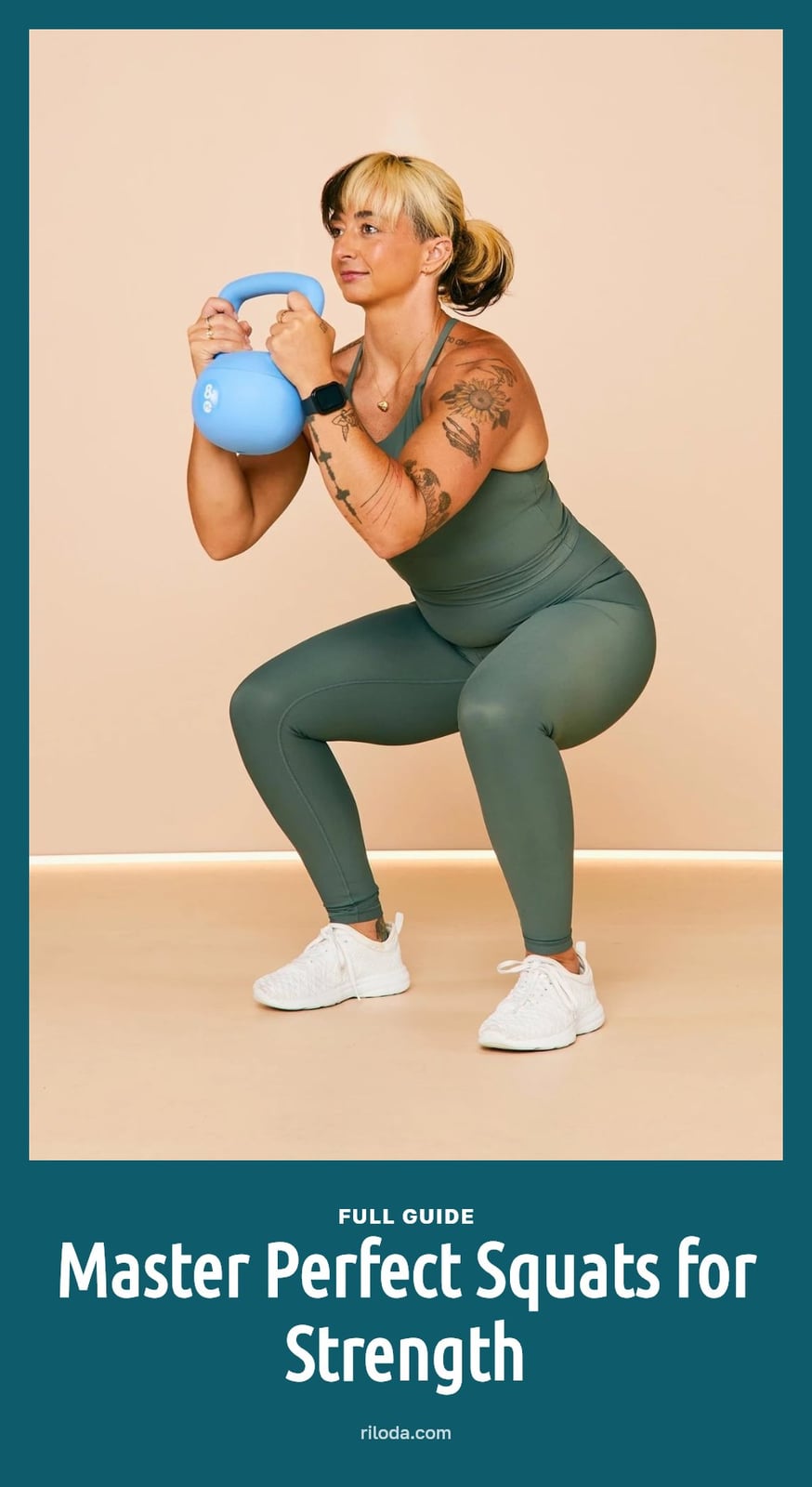
Squats are one of the most effective exercises you can do for your lower body, but only if your form is on point. Whether you’re new to strength training or looking to refine your technique, this guide breaks down the proper squat form, common mistakes to avoid, and variations to keep your workouts challenging. I’ll walk you through everything you need to know for a safer, stronger squat.
Key Takeaways
- Master the bodyweight squat before adding weight, aiming for thighs parallel to the floor.
- Keep your core engaged and chest up to maintain a neutral spine throughout the movement.
- Your knees should track in line with your toes, not collapse inward or extend past them uncomfortably.
- Start with 2 to 3 squat sessions per week, with a rest day between each.
- Stop immediately if you feel sharp pain in your knees, hips, or back and consult a professional.
What Are Squats and Why Are They So Good For You?
Squats are a fundamental compound exercise that works your quadriceps, glutes, hamstrings, and core all at once. Because they involve motion at your hips, knees, and ankles, they build practical strength for everyday movements like sitting and lifting. Proper form is non-negotiable: it maximizes muscle activation and keeps your joints safe. With regular practice, you can expect improved lower body strength, power, and mobility.
Essential Gear for Your Squat Workout

You don’t need much to start squatting, but a few items help. Here’s what I keep handy:
- Comfortable athletic shoes: Flat soles with good grip keep you stable.
- A kettlebell or dumbbells: Hold one at your chest for a goblet squat to add intensity.
- A resistance band: Place it above your knees during warm-ups to activate your glutes.
Step-by-Step: Mastering the Basic Bodyweight Squat
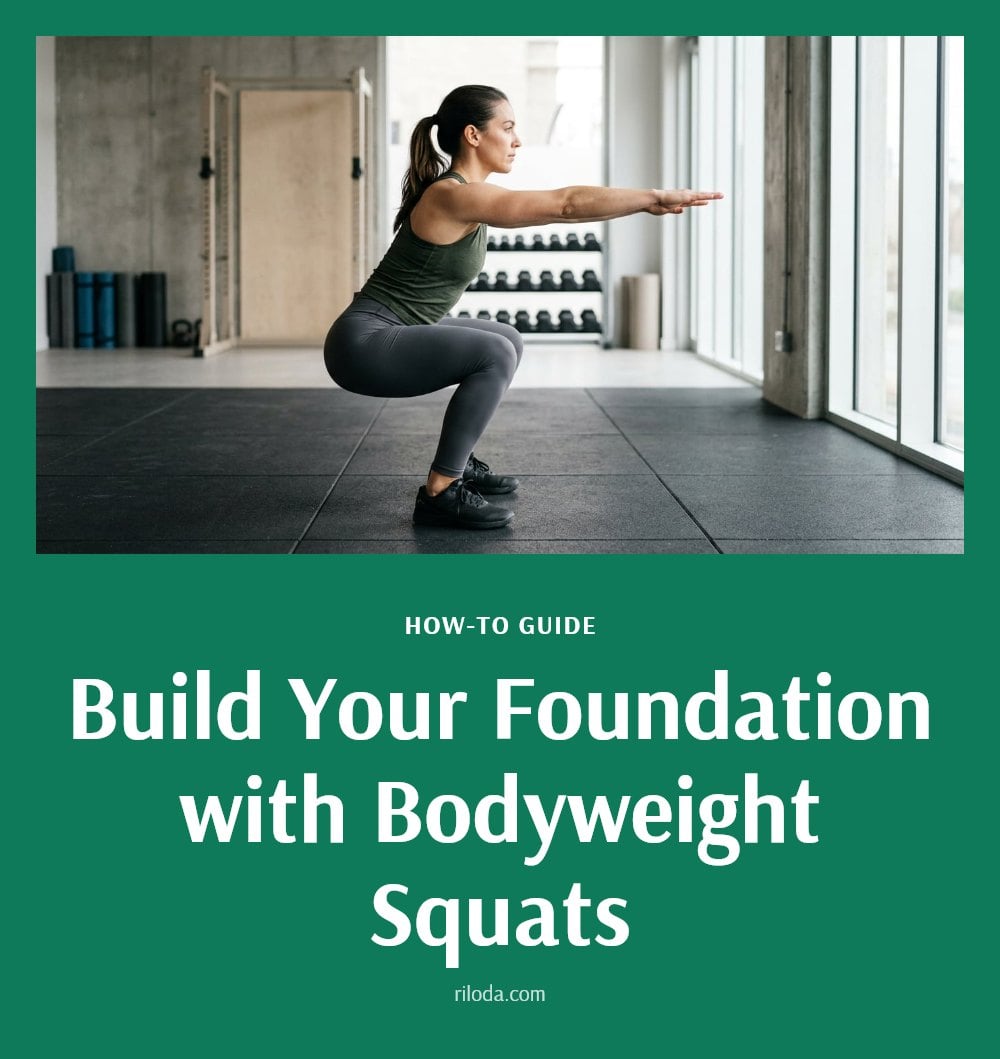
Set your stance: Place your feet shoulder-width apart with your toes turned out slightly, about 5 to 15 degrees. This natural alignment gives you a stable base and lets your hips open up as you lower down.
- Engage your core: Brace your abs as if someone were about to poke you in the stomach. Keep your chest lifted and your shoulders pulled back. A neutral spine means no arching or rounding through your lower back.
- Initiate the movement: Push your hips back like you are reaching for a chair behind you. Let your knees bend naturally as your hips travel backward. Do not just bend your knees straight down.
- Lower to parallel: Descend until your hip crease is at or below your knee level, that’s parallel depth or deeper if your mobility allows. Keep your weight centered over your midfoot, not on your toes.
- Track your knees: Make sure your knees stay in line with your toes throughout the descent and ascent. Actively push them outward if they try to cave inward. This protects your knee joints.
- Keep heels planted: Your heels should stay on the floor the whole time. If they lift, shift your weight back into your heels and check your ankle mobility.
- Breathe with purpose: Inhale as you lower down, then exhale forcefully as you push back up. Holding your breath reduces stability and increases pressure in your chest.
- Drive through your heels: Press through your heels to return to standing. Squeeze your glutes at the top, but do not lock your knees. Control the motion on both the way down and the way up.
My tip: Practice the first few reps in front of a mirror or record a side view. Seeing your hip hinge and knee position helps you make small corrections before they become habits.
Common Squat Mistakes and How to Fix Them
- Rounding your back: This strains your lower back. Fix: keep your chest up and shoulders back, and brace your core.
- Not going deep enough: Shallow squats limit muscle activation. Aim for thighs parallel to the floor or lower if comfortable.
- Knees caving inward: This stresses your knee joints. Actively push your knees outward to stay in line with your toes.
- Lifting your heels: Poor ankle mobility or weight on your toes causes this. Shift your weight back into your heels.
- Looking down: This rounds your upper back. Keep your gaze forward, not at the floor.
- Holding your breath: It reduces stability. Inhale on the way down, exhale on the way up.
Squat Variations to Challenge Your Routine
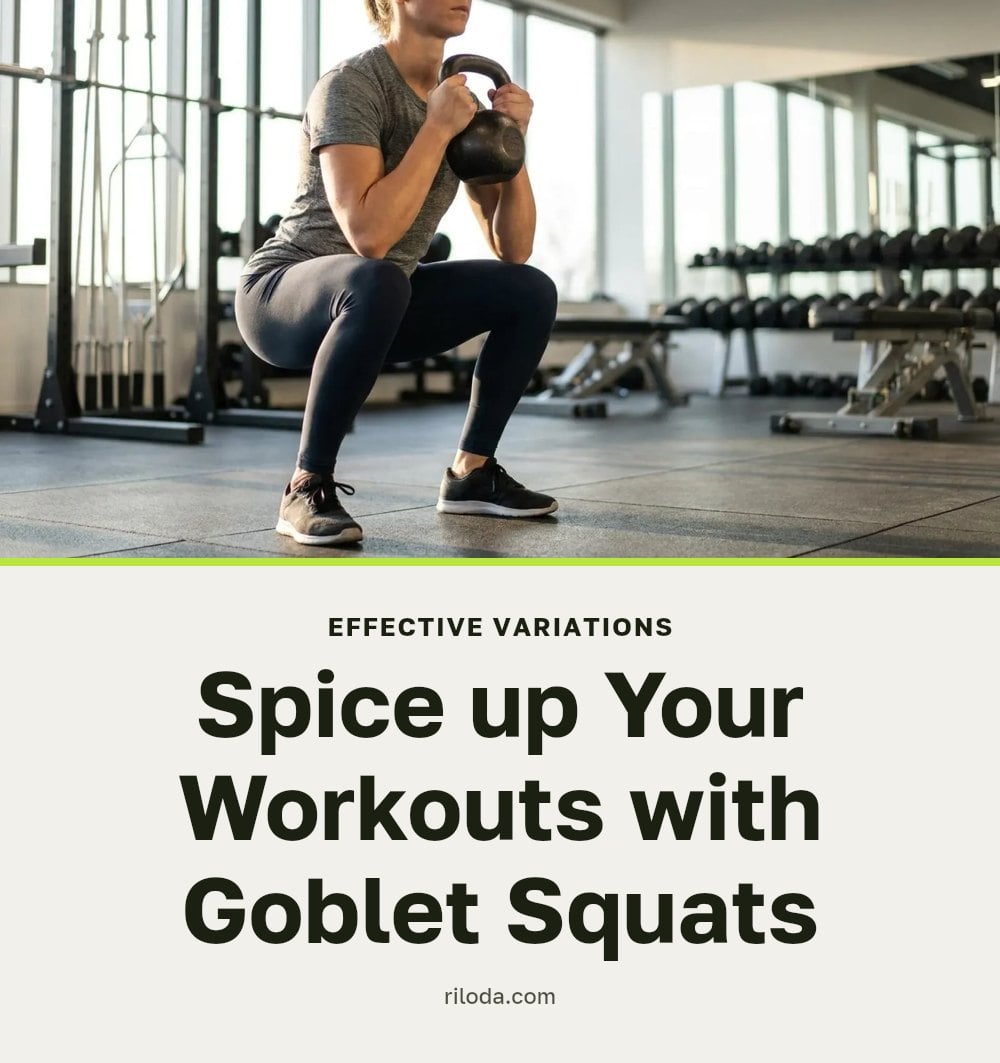
Squat Variations to Challenge Your Routine
Once you’ve mastered the basic bodyweight squat, it’s time to mix things up. Here are four variations I rotate through, each with a different focus.
- Bodyweight squat: Perfect for beginners or as a warm-up. Stand with feet shoulder-width apart, toes slightly out, and lower as if sitting in a chair. Keep your chest up and core tight. My tip: Master this before adding weight. It builds the foundation for everything else.
- Goblet squat: Hold a kettlebell or dumbbell vertically against your chest with both hands. The weight pulls you forward, encouraging an upright torso and deeper squat. Tip: Use a weight that lets you keep your elbows pointed down throughout the movement.
- Sumo squat: Take a wider-than-shoulder-width stance with toes turned out. As you descend, your inner thighs and glutes work harder. Good to know: Push your knees open in line with your toes to avoid them caving inward.
- Jump squat: From a squat position, explode upward, jumping off the ground. Land softly with bent knees and immediately lower into the next rep. This plyometric move builds power. Pro move: Land quietly, if you hear a thud, you’re landing too hard and need to soften the knees more.
Pro Tips for a Stronger, Safer Squat
Pro Tips for a Stronger, Safer Squat
Beyond the basic mechanics, a few habits make a real difference.
- Warm up properly: Do dynamic stretches like leg swings and hip circles for 5 minutes before squatting. Cold muscles are more prone to injury.
- Engage your core: Brace your abs as if someone were about to punch you. This stabilizes your spine throughout the movement.
- Use a mirror: Practice in front of one to check your form in real time. Look for knees tracking over toes and a straight back.
- Record yourself: Film a set from the side and front. You’ll spot issues like leaning too far forward or heels lifting that you don’t feel while moving.
- Listen to your body: Stop immediately if you feel sharp pain in your knees, hips, or back. That’s not “good sore”. It’s a signal to stop.
- Use a spotter for heavy weights: If you add a barbell, have someone stand behind you. They can catch the bar if you lose balance or can’t complete a rep.
How Often to Squat and When to See Results
How Often to Squat and When to See Results
Consistency matters more than intensity. Aim for 2 to 3 squat sessions per week, with at least one rest day between them for muscle recovery. Start with bodyweight only to lock in proper form before adding weight. Visible strength improvements, like being able to do more reps or use a heavier weight, typically appear within 4 to 6 weeks. To progress, add one extra rep per set, an additional set, or a small amount of external weight like a dumbbell.
When to Consult a Professional About Your Squats
When to Consult a Professional About Your Squats
Stop squatting immediately if you experience sharp pain in your knees, hips, or back. That’s not normal muscle fatigue. If you have a pre-existing joint condition or injury, talk to a healthcare professional or physical therapist before starting any squat routine. Also seek professional guidance if you’ve practiced proper form for several weeks but still can’t keep your heels down or feel unstable. A certified personal trainer can watch your movement, correct subtle mistakes, and design a program that fits your body.
Frequently Asked Questions
How can I improve my squat depth?
Improving squat depth often comes down to ankle mobility and hip flexibility. Try warming up with ankle circles, deep lunges, and hip openers before your workout. Lowering slowly with control and keeping your chest up can also help you find a deeper, comfortable position over time.
Should my knees go past my toes when squatting?
A small amount of forward knee travel is normal and safe for most people, especially if you have long legs. The key is to avoid letting your knees shoot forward excessively, which can shift your weight onto your toes and strain your knees. Focus on pushing your hips back first, like sitting into a chair.
What’s the difference between a goblet squat and a regular squat?
A goblet squat uses a kettlebell or dumbbell held at your chest, which helps keep your torso upright and core engaged. This variation is often easier on the lower back and great for beginners learning proper form. A regular bodyweight squat relies on your own weight, allowing more focus on hip and ankle mechanics.
Can squats help with weight loss?
Squats are a compound exercise that burns calories and builds muscle, which can support weight loss as part of a balanced routine. However, they work best when combined with a healthy diet and regular cardiovascular exercise. Squats alone won’t guarantee weight loss, but they help build a stronger, leaner lower body.
What are the benefits of doing squats?
Squats build functional strength for everyday movements like sitting, lifting, and climbing stairs. They primarily target your quadriceps, glutes, and hamstrings while also engaging your core, calves, and adductors. Regular squatting can improve lower body power, mobility, and balance, making it a valuable addition to any fitness routine.
Final Thoughts
Proper squat form is your foundation for building lower body strength safely. Start with bodyweight squats, focus on keeping your chest up and knees tracking over your toes, and progress to variations like goblet or sumo squats when you’re ready. With consistent practice 2 to 3 times a week, you can expect noticeable strength improvements within 4 to 6 weeks. Remember, quality always beats quantity, so listen to your body and stop if something hurts.
This article provides general fitness information and is not a substitute for professional medical advice. If you have a pre-existing injury, joint condition, or experience persistent pain while squatting, consult a healthcare professional or physical therapist before continuing.
More Blog ideas
- How to Use Rose Water for Radiant Skin and Healthy Hair
- What Is My Personality Type? Understanding Yourself Better
- How to Clean Your Pores at Home
- Vitamin C Benefits for Skin and Health Plus the Best Foods
- How to Start Shadow Work for Deeper Self-Understanding
- How to Prep Your Hair Before Bleaching for Less Damage
- How to Prepare Sea Moss Gel at Home for Wellness
- How to Use Rice Water for Glowing Skin and Shiny Hair
- How to Find Morning Motivation When You Want to Stay in Bed
- Filing Nails: How to File Nails Correctly for Strong, Healthy Fingernails
- Healthy Coping Skills: Proven Strategies for Difficult Times
- Simple Ways to Romanticize Your Life Every Day