11 Self-Respect Tips for Women to Live Authentically
Discover 12 powerful self-respect tips for women to build confidence, set boundaries, and live authentically. Start valuing yourself today!


You know that feeling when you say yes to something you really wanted to say no to, or when you catch yourself putting everyone else’s needs ahead of your own? That’s your self-respect trying to get your attention. Self-respect isn’t about being perfect or never making mistakes; it’s about valuing yourself enough to set boundaries, honor your values, and live authentically. In this article, I’m sharing 11 practical tips that can help you strengthen your self-respect and feel more confident in your own skin.
Key Takeaways
- Self-respect means valuing yourself regardless of how you feel, unlike self-esteem which is about feeling good.
- Setting and enforcing clear boundaries in relationships and at work is a direct act of self-respect.
- Practicing assertive communication with “I” statements helps you express your needs without aggression.
- Forgiving yourself for past mistakes and learning from them is essential for building self-respect.
- Avoiding negative self-talk and treating yourself with kindness strengthens your sense of worth.
What Self-Respect Truly Means for You
Self-respect means recognizing your own worth and dignity as a given, not something you earn from others. It is different from self-esteem, which is about feeling good; self-respect is about valuing yourself even when you don’t feel great. This involves setting healthy boundaries, speaking up for your needs, and making choices that match your core values. It is an ongoing practice, not a fixed trait, and each small act of alignment builds confidence and strengthens your relationships over time.
1. Identify and Live Your Core Values

My tip: Start by listing the values that feel non-negotiable to you, such as honesty, kindness, integrity, or creativity. Write down times you felt proud of a decision and note which value was at play. When you live in alignment with those values, even when it is hard, you send yourself a clear signal that your internal compass matters. This consistency builds a stronger sense of who you are and makes future decisions easier.
- Keep your list somewhere visible as a daily reminder.
- Before a big choice, ask yourself: does this honor my top value?
2. Set Clear and Firm Boundaries
Clear boundaries in relationships and at work are a direct expression of self-respect. Communicate your limits assertively and consistently, even when it feels uncomfortable at first. Saying no to requests that overextend your time or compromise your values is not rude, it is necessary. Practice small nos first, like declining a last-minute meeting when you need focus time, and build from there.
- Use a calm, direct tone: “I can’t take that on right now.”
- Follow through every time you set a limit so others learn to respect it.
3. Prioritize Your Well-being with Self-Care
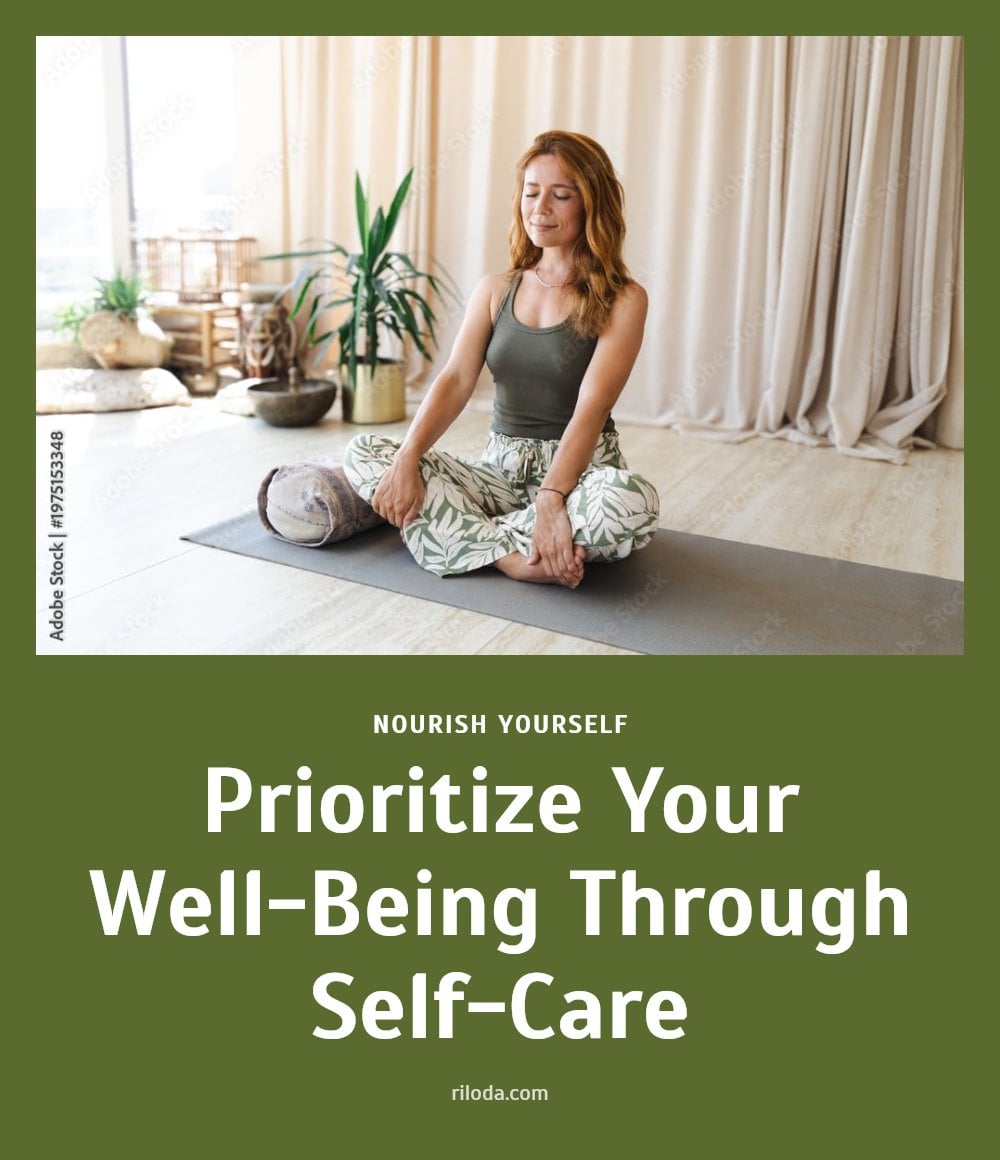
Self-care that covers your physical, emotional, and mental health is a core practice of self-respect. Schedule time for activities that genuinely nourish you, such as a 20-minute walk, cooking a balanced meal, journaling, or a creative hobby. This sends a clear message to yourself that your well-being is a priority, not an afterthought.
- Choose one small act daily, like drinking water before coffee.
- Treat your self-care time as non-negotiable, just like a work meeting.
4. Practice Assertive Communication
Assertive communication means stating your needs, opinions, and feelings directly and respectfully, without aggression or passivity. It shows you value your voice and believe your thoughts matter. This is about advocating for yourself while still respecting others.
- Use “I” statements: Say “I need some time to think this over” instead of “You’re rushing me.”
- Maintain calm tone: Keep your voice steady and your posture open, even when the topic feels charged.
5. Acknowledge Your Achievements and Strengths

Take time to reflect on your accomplishments, big or small, and acknowledge your unique strengths. Recognizing and celebrating personal achievements reinforces your self-respect and reminds you of your capabilities. A ‘wins’ journal is a practical tool for this practice.
- Start small: Write down one win each evening, like completing a task or handling a difficult conversation.
- Review weekly: Look back at your entries to see patterns in your strengths and growth.
6. Forgive Yourself for Past Mistakes
We all make mistakes. Forgiving yourself and learning from past experiences is a crucial component of self-respect. Avoid dwelling on regrets; instead, focus on growth and moving forward. This frees up mental energy and allows you to embrace your imperfect, evolving self.
- Name the lesson: Ask yourself what you learned from the mistake and how you can apply it.
- Write a letter: Draft a note to your past self with compassion, then destroy it as a symbolic release.
7. Cultivate a Supportive Inner Circle

Surround yourself with people who uplift you, respect your boundaries, and genuinely celebrate your successes. Seeking out supportive relationships is beneficial for maintaining and nurturing your self-respect. If a relationship consistently diminishes you, it is a sign to re-evaluate its place in your life.
- Assess your circle: Notice who makes you feel energized versus drained after interactions.
- Set limits: Reduce time with people who dismiss your boundaries or criticize your choices.
8. Dress in a Way That Empowers You
Dress in clothes that make you feel confident and comfortable. This is a simple but direct way to honor your personal style and how you want to present yourself. It is not about following trends or impressing others.
When you feel good in what you wear, it shows in your posture, your eye contact, and how you interact with people. That outward reflection reinforces your internal sense of worth.
9. Take Responsibility for Your Choices
Taking ownership of your actions and decisions, both the good and the bad, is central to self-respect. This does not mean blaming yourself for everything. It means acknowledging your role and learning from the outcomes.
When you take responsibility, you empower yourself to be the architect of your own life rather than a passenger. That sense of control builds genuine confidence.
10. Avoid Negative Self-Talk and Criticism
Pay attention to your inner dialogue. Harsh self-criticism and negative self-talk chip away at self-respect. When you catch yourself thinking you are not good enough, pause and question that voice.
Treat yourself with the same kindness and understanding you would offer a close friend. Replace judgment with curiosity about what you can learn, and watch your internal confidence grow.
11. Engage in Fulfilling Activities
Spend time on hobbies, passions, and activities that genuinely fulfill you. Whether it is painting, hiking, reading, or playing an instrument, these moments honor your own desires and invest in your happiness.
This is a direct way to show yourself that your happiness matters. When you prioritize what brings you joy, you send a clear message that you are worth the time and effort.
When to Seek Professional Support
If struggles with self-respect lead to persistent feelings of sadness, anxiety, or hopelessness, reaching out to a mental health professional is a wise step. A therapist can offer tools and strategies to help you navigate these challenges and build a stronger sense of self. If you are in a relationship where your boundaries are consistently violated or you feel disrespected, consider seeking professional guidance or support from trusted individuals. You do not have to figure this out alone, and asking for help is itself an act of self-respect.
Frequently Asked Questions
What is the difference between self-respect and self-esteem?
Self-esteem is about feeling good about yourself, often based on achievements or external validation. Self-respect, on the other hand, is about valuing yourself as a person regardless of how you feel or what others think. You can have low self-esteem on a bad day but still maintain self-respect by honoring your boundaries and values.
Can self-respect be learned or improved?
Yes, self-respect can absolutely be learned and strengthened over time. It is not a fixed trait you either have or don’t have. By practicing consistent actions like setting boundaries, speaking up for yourself, and caring for your well-being, you can gradually build a stronger sense of self-respect. It is an ongoing journey, not a destination.
How do I know if I lack self-respect?
Common signs include constantly saying yes when you want to say no, tolerating disrespectful behavior from others, neglecting your own needs, engaging in harsh self-criticism, or frequently seeking approval from others. If you often feel drained, resentful, or like your values are being compromised, it may be a signal to check in with your self-respect.
Is it selfish to prioritize my own needs?
No, prioritizing your own needs is not selfish; it is necessary for your well-being and a key part of self-respect. Taking care of yourself allows you to show up more fully for others without resentment or burnout. The key is balance: you can honor your own needs while still being considerate of others.
What if others don’t respect my boundaries?
If someone consistently violates your boundaries despite clear communication, it may be a sign that the relationship is not healthy for you. You can reinforce your boundaries by calmly restating them and following through with consequences, such as limiting time with that person. If the situation persists, consider seeking support from a therapist or trusted individuals.
How long does it take to build self-respect?
Building self-respect is a gradual process that varies for everyone. With consistent practice, many people notice small shifts in their confidence and boundaries within a few weeks. However, deeper changes often take months or longer, especially if you are unlearning old patterns. Be patient with yourself and celebrate each step forward.
Final Thoughts
Building self-respect is not a one-time event; it is a daily practice that gets easier with consistency. Start with just one tip that resonates with you, whether it’s saying no to an overextending request or writing down a win from your day. Over time, these small actions will reinforce your sense of worth and help you feel more grounded. Remember, you are worthy of respect simply because you exist, and every step you take toward honoring yourself matters.
This article is for informational purposes only and is not a substitute for professional medical or mental health advice. If you are experiencing persistent sadness, anxiety, or feelings of hopelessness related to self-respect or self-worth, please consult a qualified therapist or counselor for personalized support.
More Blog ideas
- How to Use Rose Water for Radiant Skin and Healthy Hair
- What Is My Personality Type? Understanding Yourself Better
- How to Clean Your Pores at Home
- Vitamin C Benefits for Skin and Health Plus the Best Foods
- How to Start Shadow Work for Deeper Self-Understanding
- How to Prep Your Hair Before Bleaching for Less Damage
- How to Prepare Sea Moss Gel at Home for Wellness
- How to Use Rice Water for Glowing Skin and Shiny Hair
- How to Find Morning Motivation When You Want to Stay in Bed
- Filing Nails: How to File Nails Correctly for Strong, Healthy Fingernails
- Healthy Coping Skills: Proven Strategies for Difficult Times
- Simple Ways to Romanticize Your Life Every Day