Self-Improvement Habits Worth Building: Your Guide to Lasting Change
Learn how to build effective self-improvement habits with practical strategies and expert tips. Discover the best routines for lasting positive change.


You know that feeling when you want to make a real change but have no idea where to begin? Building new habits is the foundation of self-improvement, but it’s not about willpower alone. It’s about strategy. In this article, I’ll walk you through practical, research-backed strategies to create habits that actually stick, from starting small to designing your environment for success.
Key Takeaways
- Start with one tiny habit, like putting on running shoes, not running 30 minutes.
- Link a new habit to an existing one using the formula: After I [existing habit], I will [new habit].
- Design your environment to make desired actions obvious and easy to reach.
- Track your progress visually, such as with a calendar of X’s, to stay motivated.
- Plan for obstacles with if-then strategies to get back on track after a missed day.
What Are Habits and Why Do They Matter?
A habit is a routine behavior you repeat so often it drops below conscious thought. The brain runs habits on a loop of three parts: a cue that triggers it, the routine itself, and a reward that tells you to do it again. That automation is the whole point. When a good action runs on autopilot, it stops draining willpower and mental energy, so you can spend focus on harder things. Building habits is how intentional choices turn into automatic ones, which is what makes long-term change stick without constant effort.
1. Start Small, Make It Easy

Don’t try to conquer the world on day one. Making a new habit incredibly easy to start is the secret to actually keeping it. Focus on the bare minimum, done consistently.
- Instead of “run 30 minutes,” set the goal as “put on running shoes.”
- Instead of “meditate daily,” set “sit on the cushion for one minute.”
Small starts build consistency and momentum, and momentum makes it far easier to increase the intensity later. My tip: if the first version of a habit feels like a chore, shrink it until it feels almost too easy.
2. Use Habit Stacking Effectively

Linking a new habit to one that’s already cemented in your routine works remarkably well. The formula is simple: “After I [existing habit], I will [new habit].”
- After I brush my teeth, I will do 10 squats.
- After I pour my morning coffee, I will write one line in my journal.
- After I put my plate in the sink, I will wipe the counter.
The established habit acts as a built-in cue, so you don’t have to remember to start. The new behavior rides on a routine you already do without thinking, which makes it much easier to initiate and repeat.
3. Design Your Environment for Success

Your surroundings can make or break a new habit. The goal is to make the actions you want obvious and easy to reach, and to make the ones you don’t want invisible.
- Want to read more? Put a book on your pillow.
- Want to drink more water? Keep a full bottle on your desk.
- Want to snack less? Move the chips to a high shelf and leave fruit out on the counter.
Removing cues for unwanted habits is just as powerful as adding cues for good ones, because a behavior you don’t see is a behavior you’re far less likely to start.
4. Track Your Progress Visually
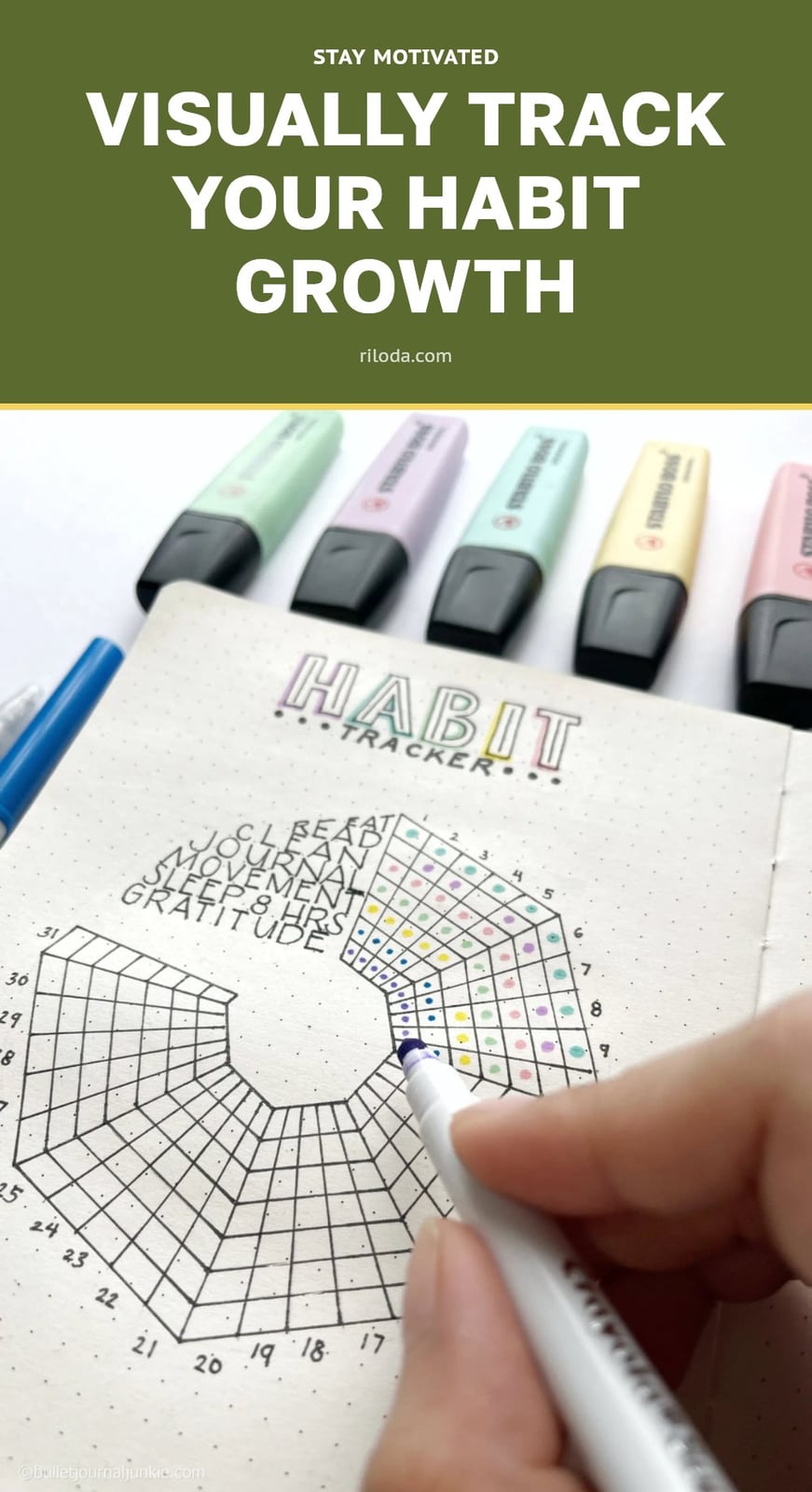
There is something incredibly motivating about seeing your progress. I love a good habit tracker for this reason. Whether you use a simple calendar with X’s or a dedicated app, tracking gives you visual proof of your consistency. That visual reinforcement strengthens the behavior and provides a sense of accomplishment, even on days when your motivation is low. Seeing those marks add up keeps you going.
5. Reward Yourself Smartly
The reward in the habit loop is crucial. I have learned that immediate, small rewards work best for cementing new behaviors. After you complete your new habit, give yourself something healthy and quick: listen to a favorite song, enjoy a cup of tea, or allow a few minutes of guilt-free scrolling. Caution: Avoid rewards that undermine the habit you are building, like eating a donut after a workout.
6. Plan for Obstacles and Setbacks
Let us be real, life happens. I always try to anticipate potential roadblocks and have a plan for them. Think about what might derail your habit, such as travel, illness, or busy days, and decide beforehand how you will respond. This if-then planning helps you stay on track. For example, if you cannot get to the gym, then you will do a 10-minute home workout instead.
7. Prioritize Consistency Over Intensity
This is one of the biggest lessons I have learned: showing up daily, even for a tiny bit, is far more powerful than sporadic bursts of intense effort. Consistency builds the neurological pathways for the habit, making it automatic over time. Do not aim for perfection. Aim for unbroken streaks, even if that means doing less on some days. A five-minute walk beats a skipped workout every time.
8. Embrace the ‘Two-Minute Rule’
When I am dragging my feet, the two-minute rule is my secret weapon. If a new habit takes less than two minutes to do, just do it. This is not about completing the habit itself but about showing up and starting.
- Read one page, meditate for 120 seconds, or put away one item of clothing.
- Each small action counts and builds momentum.
9. Find an Accountability Partner
Having someone else in the loop can be incredibly motivating. It adds a layer of commitment that keeps you accountable. Share your habit goals with a friend, family member, or join an online community.
Tip: Knowing someone is checking in can provide the extra push you need to follow through, especially on tough days.
10. Be Patient and Persistent
Habit formation is a marathon, not a sprint. I have definitely learned that patience is key. It takes time for behaviors to become automatic, and progress is not always linear.
There will be good days and bad days. Focus on the long-term vision and celebrate small wins along the way to maintain motivation.
11. Forgive Yourself for Missed Days
This is huge. I used to beat myself up for missing a day, which often led to giving up entirely. Missing a day or two does not derail your habit; getting back on track quickly matters most.
Do not let one slip-up turn into two, then three. Just restart the next day with renewed commitment.
Common Mistakes to Avoid When Building Habits
Trying to change too many habits at once: This leads straight to burnout. Focus on one or two habits at a time for better success. You will actually keep them.
Setting vague or overly ambitious goals: “Be healthier” is too broad. Instead, aim for “walk 15 minutes daily.” Specific goals give your brain a clear target.
Relying solely on willpower: Willpower is a finite resource. Build systems and environmental cues to support your habits instead. Make the desired action the path of least resistance.
Giving up after one missed day: One setback does not erase your progress. Get back on track immediately. Do not let a missed day become a missed week.
Ignoring your environment: Your surroundings powerfully influence your actions. Make your desired habits easy to do and undesired ones difficult. A book on your pillow beats a reminder on your phone.
Frequently Asked Questions
How long does it really take to form a new habit?
The time varies widely from person to person, but research suggests it can take anywhere from 18 to 254 days for a behavior to become automatic. The key is consistent daily practice, not a specific number of days. Focus on showing up every day, and the habit will eventually stick.
Can I break bad habits using the same strategies?
Yes, you can use the same principles to break bad habits by reversing the habit loop. Identify the cue and reward that drive the unwanted behavior, then replace the routine with a healthier alternative. For example, if stress cues a snack, substitute a short walk. It takes patience, but it works.
Is willpower enough to build new habits?
Willpower alone is rarely enough because it’s a limited resource that gets depleted over time. Instead, build systems like habit stacking, environmental cues, and accountability partners. These systems make good habits easier to start and harder to skip, so you don’t have to rely on willpower every time.
How do I choose which habits to start with?
Start with one habit that aligns with a specific goal you care about and feels manageable. Ask yourself: what small change would have the biggest positive impact on my day? Choose something you can do in under two minutes, like drinking a glass of water after waking up. Focus on one at a time to avoid burnout.
What are some good habits to start for self-improvement?
Great starter habits include drinking a glass of water first thing in the morning, doing 10 squats after brushing your teeth, or reading one page before bed. The best habit is the one you can stick with daily. Start with something so easy you can’t say no, then build from there.
Final Thoughts
My tip: pick just one habit from this list and commit to it for two weeks. Focus on the process, not the outcome, and forgive yourself if you slip up. It’s the getting back on track that matters most. Real change comes from showing up consistently, even in small ways, and over time those small steps add up to lasting transformation.
More Blog ideas
- How to Use Rose Water for Radiant Skin and Healthy Hair
- What Is My Personality Type? Understanding Yourself Better
- How to Clean Your Pores at Home
- Vitamin C Benefits for Skin and Health Plus the Best Foods
- How to Start Shadow Work for Deeper Self-Understanding
- How to Prep Your Hair Before Bleaching for Less Damage
- How to Prepare Sea Moss Gel at Home for Wellness
- How to Use Rice Water for Glowing Skin and Shiny Hair
- How to Find Morning Motivation When You Want to Stay in Bed
- Filing Nails: How to File Nails Correctly for Strong, Healthy Fingernails
- Healthy Coping Skills: Proven Strategies for Difficult Times
- Simple Ways to Romanticize Your Life Every Day