Running: How to Run Longer Without Getting Tired: A Comprehensive Guide
Discover how to run longer without getting tired through effective training, nutrition, and rest. Build your running endurance safely and enjoy your runs more.


You lace up your shoes, hit the pavement, and within ten minutes you’re gasping for air. Sound familiar? Running longer without getting tired isn’t about gritting your teeth and pushing through exhaustion. It’s a smart mix of gradual mileage increases, varied workouts, proper fueling, and rest. This article walks you through the key strategies, from easy runs to strength training, so you can build endurance and enjoy the miles.
Key Takeaways
- Increase weekly mileage by no more than 10% to avoid injury.
- Keep easy runs at a conversational pace to build your aerobic base.
- Aim for 7-9 hours of sleep to support muscle repair.
- Replace running shoes every 300-500 miles.
- Stop immediately if you feel sharp pain, dizziness, or chest discomfort.
How to Run Longer Without Getting Tired
Running longer without getting tired isn’t about pushing through exhaustion every time. It’s a strategic mix of gradually increasing your mileage, fueling your body right, and paying attention to what it’s telling you. Build your aerobic base with varied runs, prioritize recovery, and tweak your form and fuel to keep going. Small, consistent changes and patience are what let you extend your endurance safely and effectively.
1. Start Slowly and Build Gradually

The golden rule for running longer without injury? Increase your mileage slowly. Your muscles, tendons, and joints need time to adapt to new demands.
My tip: Don’t add more than 10% to your weekly mileage. If you run 10 miles this week, aim for 11 next week. That gradual build is what creates a strong, resilient running base.
2. Embrace Easy Runs
Not every run needs to be a hard effort. Easy runs are the foundation of your aerobic base and overall endurance. The trick is to keep a conversational pace: you should be able to talk comfortably while running.
This pace trains your body to use oxygen and fat efficiently, which matters for longer distances. My tip: Aim for 70-80% of your weekly mileage at this easy, chatty effort.
3. Integrate Long, Slow Distance Runs
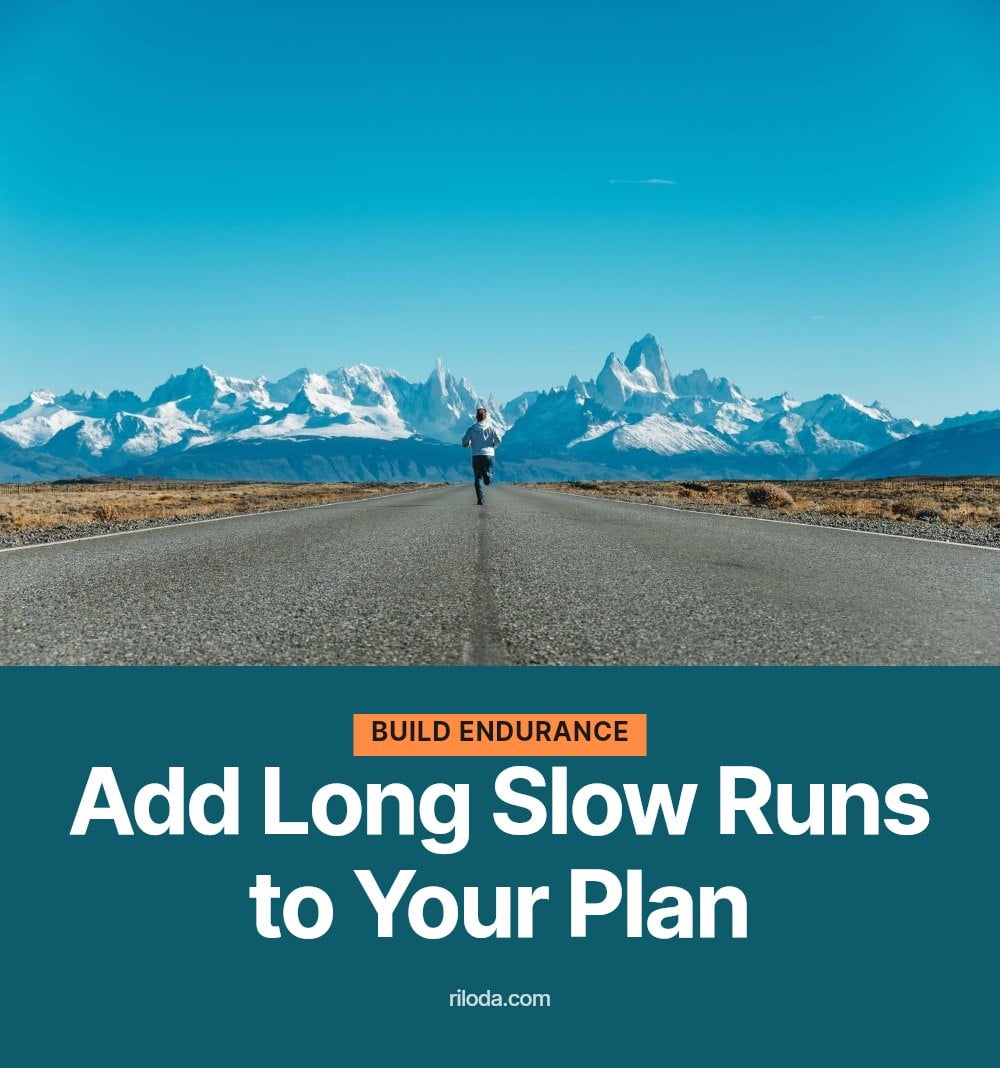
Long, slow distance (LSD) runs are the cornerstone of endurance training. You run at a comfortable, sustainable pace and gradually extend the time on your feet. These runs teach your body to burn fat for fuel, saving your carbohydrate stores for when you really need them, which helps you avoid hitting the wall on longer runs.
Tip: Schedule one LSD run per week and slowly increase its length, always respecting the 10% rule.
4. Add Interval Training
Interval training is a powerful way to boost your speed and stamina. It alternates short bursts of high-intensity running with recovery periods, teaching your body to process oxygen more efficiently and clear lactate. That means your easy runs feel easier, and you can hold a faster pace for longer.
My tip: start with 30 seconds fast followed by 90 seconds easy, and repeat that cycle 6-8 times. As you adapt, increase the number of repeats or the duration of the fast segments.
5. Prioritize Rest and Recovery
Rest days are just as important as running days. Your muscles repair and grow stronger during recovery, so skipping rest can lead to overtraining, fatigue, and a higher risk of injury. Aim for 7-9 hours of sleep per night to support muscle repair and overall energy.
My tip: schedule at least one or two full rest days each week. Use that time for easy stretching or a gentle walk if you want to stay active, but let your body truly recover.
6. Fuel Your Body Properly
What you eat directly affects your running performance. Carbohydrates are your body’s primary fuel, especially for longer distances. A balanced diet with whole grains, fruits, and vegetables gives you the nutrients you need.
Before a longer run, choose easily digestible carbs to top off your energy stores. A banana or a slice of toast about an hour before works well for many people. Experiment to see what sits best with your stomach.
7. Stay Hydrated Consistently

Hydration is a 24/7 commitment, not just something to think about during a run. Being well-hydrated keeps your body functioning optimally and helps prevent fatigue. Drink water throughout the day, not only when you feel thirsty.
For runs longer than 60 minutes, carry water or use a hydration pack. If it’s hot or you sweat heavily, consider replacing electrolytes with a sports drink or electrolyte tablets. My tip: keep a water bottle on your desk and sip regularly to stay consistently hydrated.
8. Refine Your Running Form
Efficient running form conserves energy and helps you run longer with less effort. Think about a slight forward lean from the ankles, relaxed shoulders, and a midfoot strike. Avoid overstriding, which drains energy and increases injury risk. Your arms should swing naturally, parallel to your body, not across it.
Good to know: Focus on one form cue at a time during your runs, like ‘light feet’ or ‘tall posture,’ until it feels natural.
9. Incorporate Strength and Cross-Training

Strength training for your core and glutes improves running economy and reduces injury risk, allowing you to run longer. Cross-training activities like swimming, cycling, or yoga build cardiovascular fitness without the repetitive impact of running. They give your running muscles a break while still building endurance.
Pro move: Aim for 2-3 strength sessions per week, focusing on compound movements like squats, lunges, and planks.
10. Wear Proper Footwear
Your running shoes are your most important piece of gear. Worn-out or ill-fitting shoes can lead to discomfort, blisters, and injuries that derail your progress. Invest in shoes appropriate for your foot type and running style. Replace them regularly, typically every 300-500 miles, as cushioning and support degrade.
Quick tip: Visit a specialized running store where experts can analyze your gait and recommend the best shoes for you.
11. Listen to Your Body
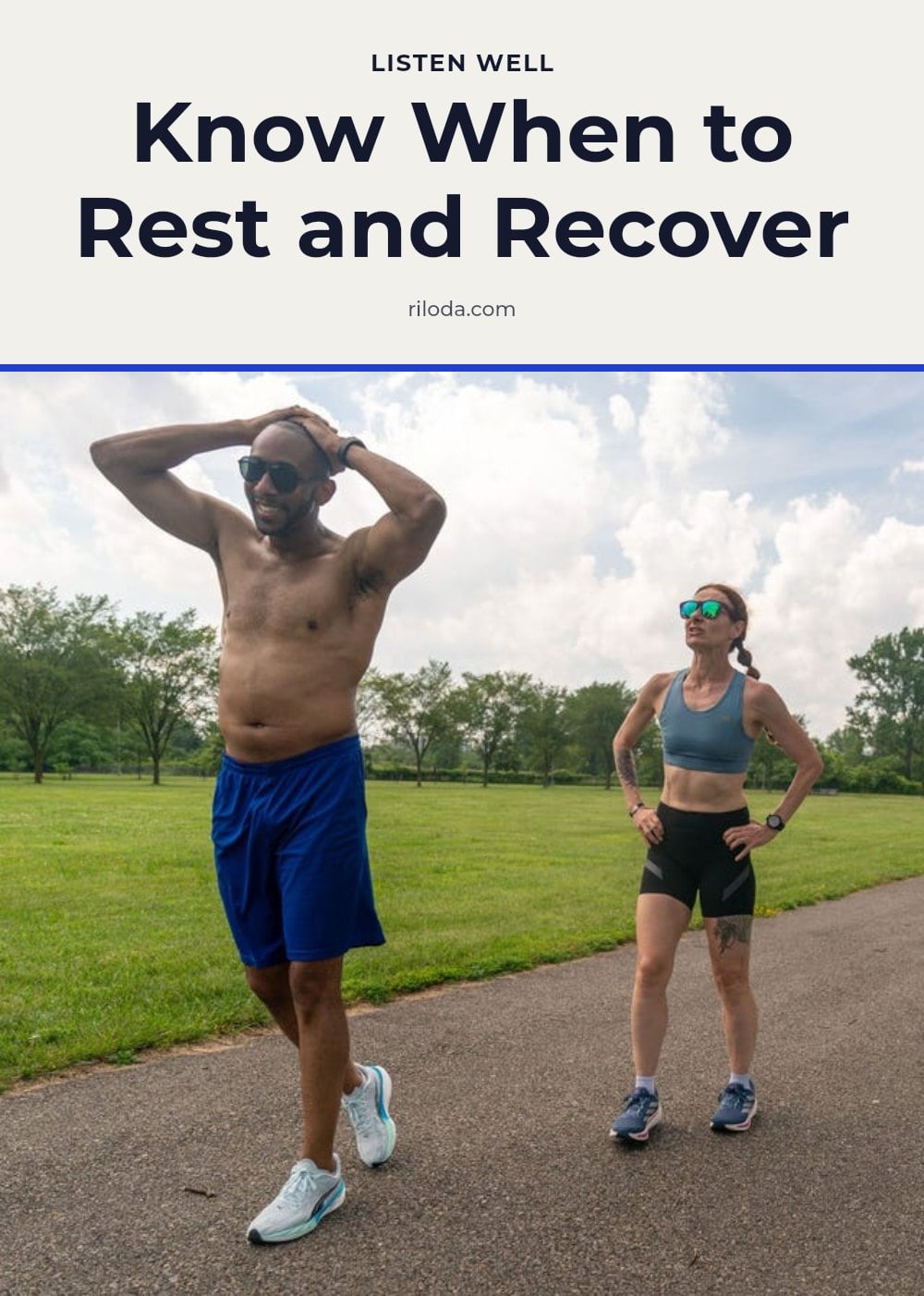
Your body will tell you what it needs. Don’t push through sharp pain, dizziness, or chest discomfort. These are signals to stop and assess. Fatigue is also a signal. If you’re consistently exhausted, you might be overtraining or not recovering enough. Adjust your schedule, take an extra rest day, or shorten a run.
Tip: Keep a running journal to track your runs, how you felt, and any aches or pains. This helps you identify patterns and make smart adjustments to your training.
When to Consult a Professional
While running is a fantastic way to boost your health, there are times when professional advice is best. Consult a healthcare professional or sports doctor before starting any new exercise program, especially if you have underlying health conditions.
Seek medical attention if you experience persistent or sharp pain that doesn’t resolve with rest, severe shortness of breath, chest pain, or dizziness during or after your runs. A physical therapist can also help with persistent aches, form analysis, and injury prevention strategies.
Frequently Asked Questions
How quickly can I improve my running endurance?
Many runners notice improvements in endurance within a few weeks of consistent training, but significant changes typically take several months. The timeline depends on your starting fitness, training frequency, and how well you balance effort with recovery. Stick with a gradual plan, and you’ll see progress over time.
Is it better to run every day or take rest days?
Rest days are essential. Your muscles repair and strengthen during recovery, so running every day without rest can lead to overtraining, fatigue, and injury. Most runners benefit from at least one or two rest days per week, especially when starting out or increasing mileage.
What should I eat before a long run?
Before a longer run, choose easily digestible carbohydrates like a banana, toast with jam, or a small bowl of oatmeal. Eat about 30 to 60 minutes beforehand to top off your energy stores. Avoid heavy, fatty, or high-fiber foods that can cause stomach discomfort.
Can breathing techniques really help me run longer?
Yes, many runners find that focusing on deep, rhythmic breathing improves their comfort and endurance. Diaphragmatic breathing, where you breathe from your belly rather than your chest, can help increase oxygen intake and reduce side stitches. Practice it during easy runs to make it automatic.
When should I replace my running shoes?
Replace your running shoes every 300 to 500 miles, depending on the model and your running style. If you notice worn treads, flattened cushioning, or new aches and pains, it’s time for a new pair. Worn shoes can lead to discomfort and injury, so don’t stretch them too far.
Final Thoughts
To run longer without getting tired, the best approach is to start with a mix of easy runs and long, slow distance runs, adding interval training and strength work as you progress. Expect noticeable improvements within a few weeks, with bigger gains over several months. Make rest and recovery non-negotiable, and let your body guide your pace. The key is consistency and patience, not pushing to exhaustion every time.
This article is for general informational purposes only and is not a substitute for professional medical advice. Before starting any new exercise program, especially if you have underlying health conditions, consult a healthcare professional. If you experience persistent pain, dizziness, chest discomfort, or severe shortness of breath while running, stop and seek medical attention.
More Blog ideas
- How to Use Rose Water for Radiant Skin and Healthy Hair
- What Is My Personality Type? Understanding Yourself Better
- How to Clean Your Pores at Home
- Vitamin C Benefits for Skin and Health Plus the Best Foods
- How to Start Shadow Work for Deeper Self-Understanding
- How to Prep Your Hair Before Bleaching for Less Damage
- How to Prepare Sea Moss Gel at Home for Wellness
- How to Use Rice Water for Glowing Skin and Shiny Hair
- How to Find Morning Motivation When You Want to Stay in Bed
- Filing Nails: How to File Nails Correctly for Strong, Healthy Fingernails
- Healthy Coping Skills: Proven Strategies for Difficult Times
- Simple Ways to Romanticize Your Life Every Day