How to Rest Better: 7 Kinds of Rest and Simple Ways to Get Them
Feeling tired even after sleep? Discover the 7 types of rest you need and practical ways to incorporate them into your routine for true rejuvenation.

You already know that feeling of being tired no matter how much you sleep, right? That’s because sleep alone doesn’t always cover the kind of rest you actually need. There are seven distinct types of rest, each tackling a different kind of fatigue, from mental overload to emotional drain. In this article, I’ll walk you through each one and share simple ways to start recharging in the right way.
Key Takeaways
- There are seven types of rest: physical, mental, emotional, social, sensory, creative, and spiritual.
- Aim for 7-9 hours of sleep for passive physical rest, plus active rest like stretching or yoga.
- Short breaks of 5-10 minutes throughout the day help quiet your mind for mental rest.
- Set boundaries with work and social commitments to protect your emotional and social energy.
- If fatigue persists after weeks of consistent rest, consult a healthcare professional.
Beyond Sleep: Understanding True Rest
You probably think of rest as just sleep, but true recharging goes much deeper. Fatigue comes in different forms: physical, mental, emotional, social, sensory, creative, and spiritual. Each type needs its own kind of recovery. The trick is figuring out which one you’re running low on right now. When you match your rest practice to your actual exhaustion, you stop spinning your wheels and actually feel better. Adding a few different rest habits into your week can boost your energy, sharpen your focus, and improve your overall health.
1. Physical Rest
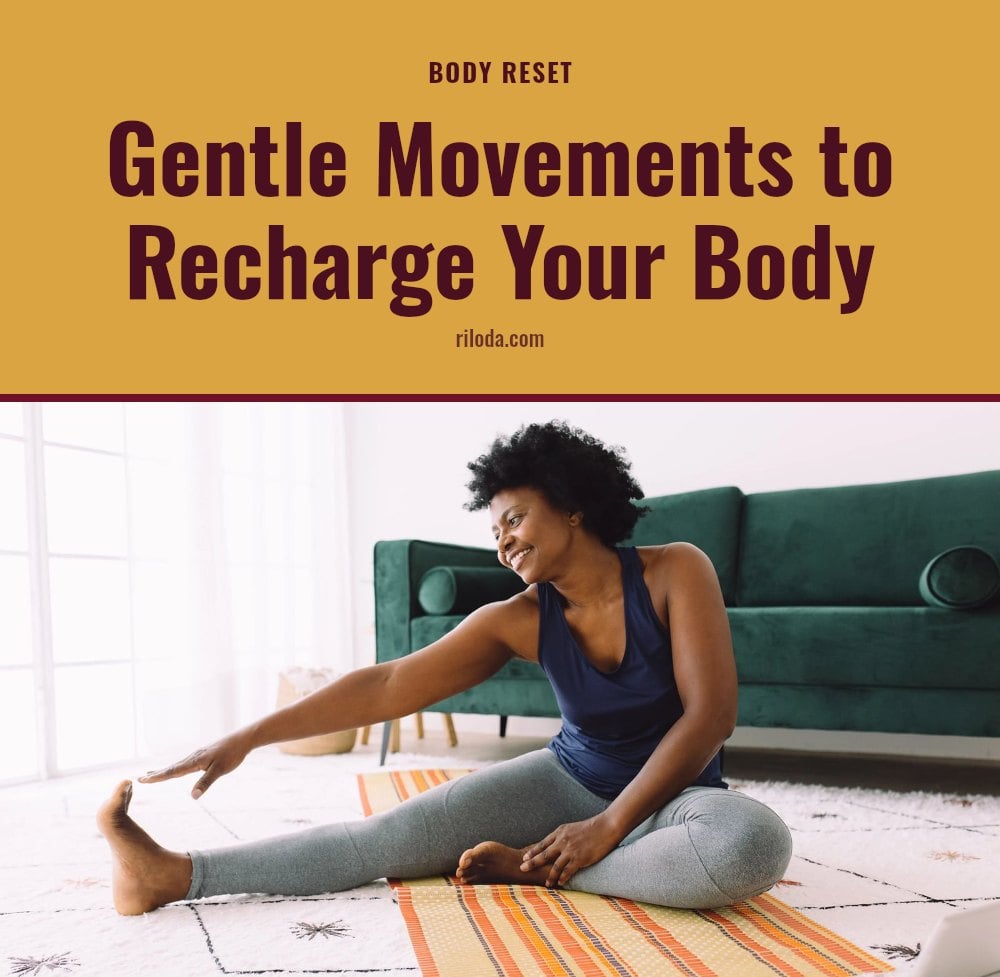
Physical rest comes in two forms: passive and active. Passive rest is sleep: aim for 7-9 hours each night. Active rest includes gentle movement like yoga, stretching, or a massage to release muscle tension. My tip: Even a 10-minute stretch session can make a huge difference if you’re feeling physically drained. Try it right when you wake up or during a work break.
2. Mental Rest
Mental rest quiets the noise when your thoughts feel overwhelming. Short breaks throughout the day work better than waiting for one long break. Try meditation, stepping away from your desk for five minutes, or journaling. My tip: Try the ‘mind dump’, write down everything on your mind for 5-10 minutes to get it out of your head. You can even tear the page up afterward.
3. Emotional Rest
Emotional rest means giving yourself space to feel without judgment and setting boundaries that protect your energy. Allow yourself to process emotions instead of pushing them down. Tip: Practice saying ‘no’ to commitments that drain your emotional energy, and seek out friends who let you be yourself. This protects you from emotional labor and helps you recharge authentically.
4. Social Rest
Social rest is about trimming the interactions that drain you and making more room for the ones that fill you up. Take a look at your calendar and note which commitments leave you feeling lighter and which feel like a chore. Adjust your time accordingly, and don’t underestimate the power of simply being alone.
Good to know: Schedule “alone time” just like you would a social event. Block it on your calendar. It’s essential for recharging your social battery.
5. Sensory Rest
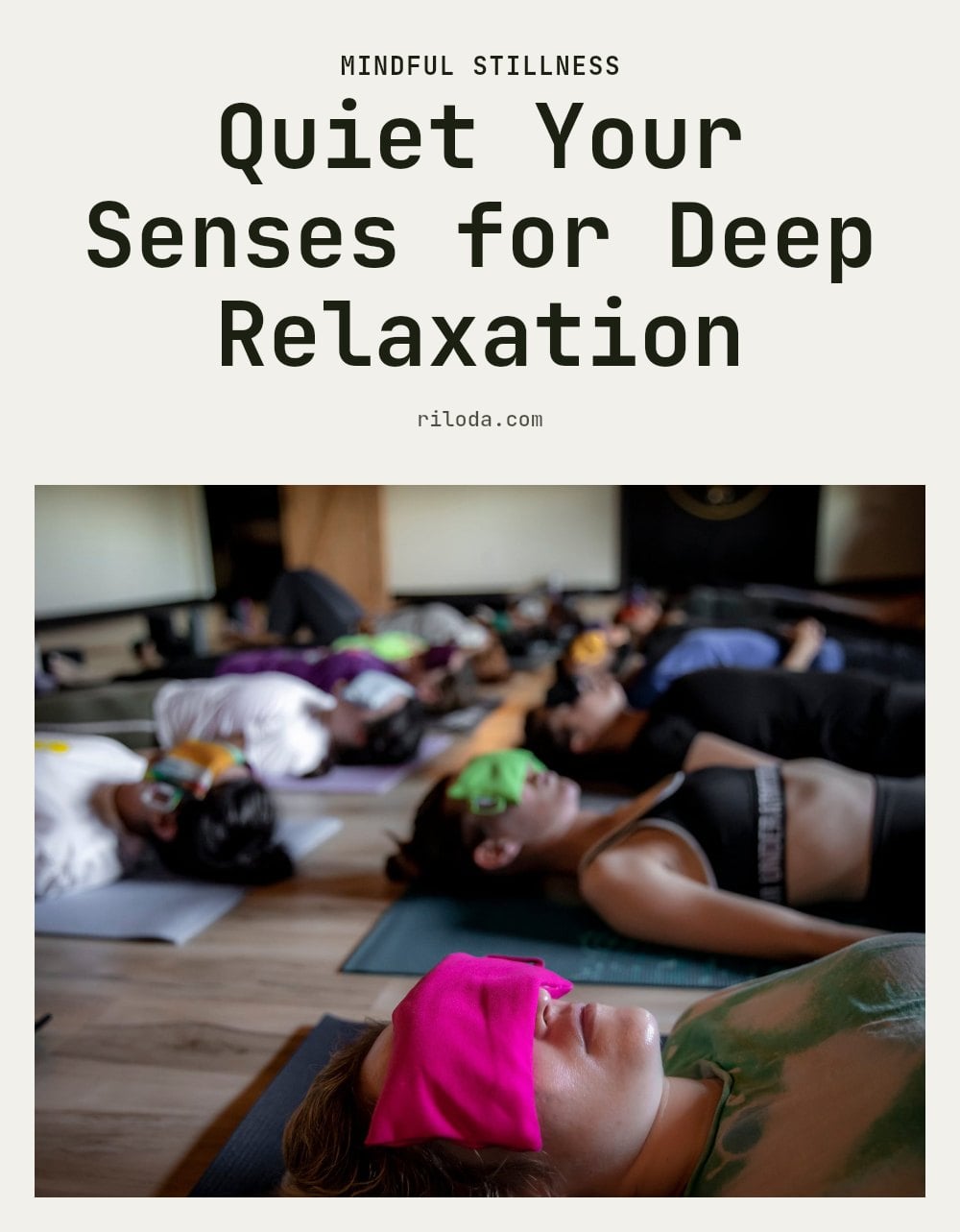
Sensory rest is the antidote to the constant buzz of screens, noise, and bright lights. Your brain works hard processing all that input, and it needs breaks to reset. Step away from your phone, find a quiet corner, or dim the lights for a few minutes.
Pro move: Try a “digital detox” for an hour before bed, or even just for your lunch break. Your eyes and mind will thank you.
6. Creative Rest
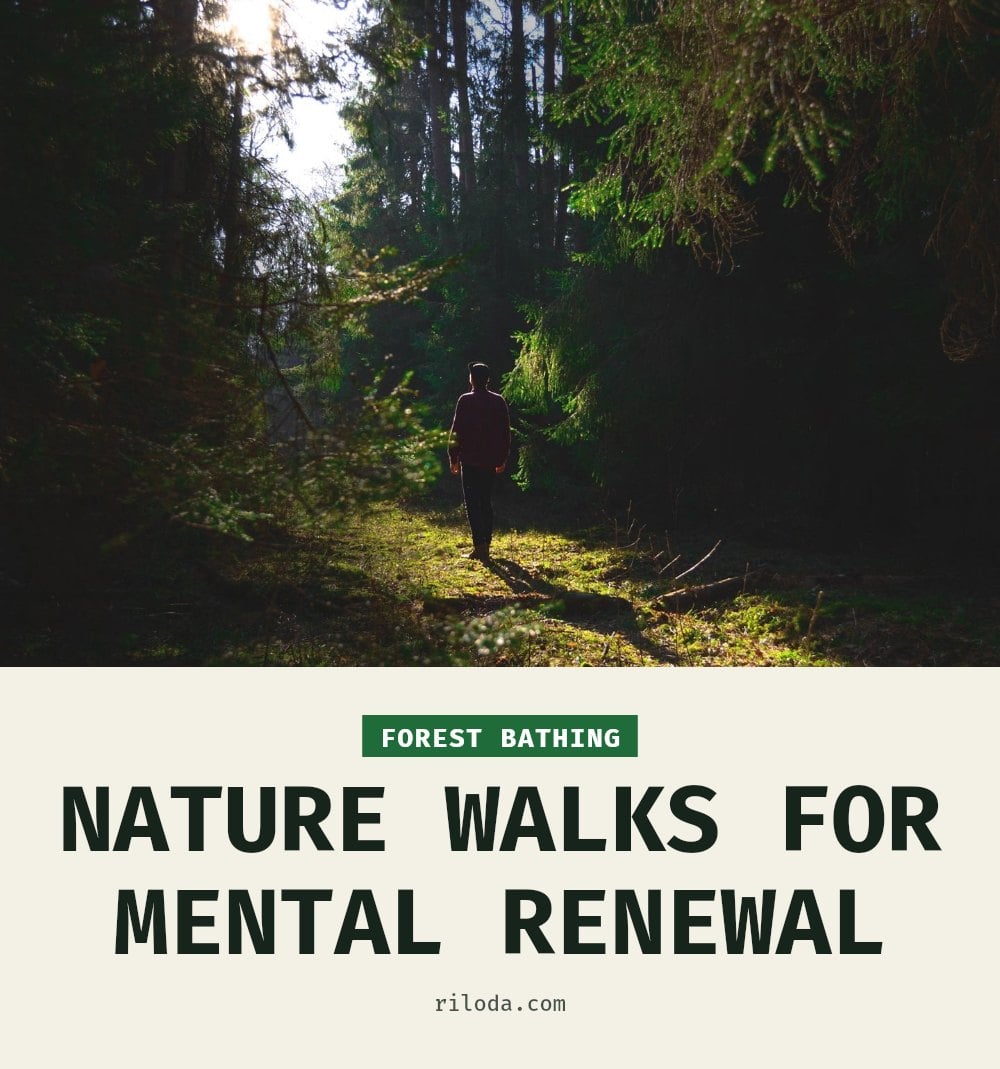
Creative rest is about soaking in beauty and inspiration without any pressure to produce. Visit a museum, listen to your favorite album, or just sit in nature and watch the leaves move. The goal is appreciation, not output.
Quick tip: Don’t force creativity. Just immerse yourself in something beautiful or inspiring with zero expectation of an outcome. Let your mind wander.
7. Spiritual Rest
Spiritual rest involves connecting with something larger than yourself, whether that’s through prayer, meditation, or a walk in the woods. This type of rest helps you feel a sense of purpose and belonging, which can reduce feelings of isolation.
Tip: Even a few minutes of quiet reflection or mindfulness can help you connect with your inner self and find peace. Try it after a stressful meeting.
When to Talk to a Healthcare Professional
Rest strategies help a lot, but they are not a substitute for medical care. If you have tried several types of rest consistently for weeks and the fatigue still does not lift, see a healthcare professional. Persistent exhaustion can have underlying medical causes, and only a clinician can check for them.
Get mental health support promptly if burnout or exhaustion turns into severe anxiety, depression, or leaves you unable to handle daily life. That is a signal to talk to a doctor or therapist, not to push through with more rest hacks.
Caution: If you add intense stretching or yoga, start gently and work with a qualified instructor, especially if you have an existing health condition or injury.
Frequently Asked Questions
Can I get all seven types of rest in one day?
Yes, you can, but it doesn’t have to be a long process. A five-minute meditation can cover mental and spiritual rest, while a walk outside can touch on creative and physical rest. You can weave small moments throughout your day to hit multiple types without setting aside hours.
How can I tell which type of rest I need most?
Reflect on how you feel. If your body aches, you likely need physical rest. If your mind is racing, try mental rest. Feeling drained by people points to social rest, and if you’re overwhelmed by noise or screens, sensory rest is probably your priority. A quick self-check like this can point you in the right direction.
Is scrolling social media considered rest?
Not usually. While it might feel like a break, scrolling often overstimulates your brain and can actually increase mental and sensory fatigue. It’s more distraction than true rest. For real recovery, try an activity that calms your mind without the constant input, like a short walk or quiet time away from your phone.
What if I don’t have time for all these types of rest?
You don’t need to do them all every day. Focus on the one or two types you’re most lacking. Even a few minutes of intentional rest, like stepping away from your desk for mental rest or dimming the lights for sensory rest, can make a difference. Quality matters more than quantity.
How does rest impact my overall health?
Getting the right types of rest can improve your focus, mood, and energy levels, and it helps reduce stress. Over time, consistent rest supports better sleep, stronger relationships, and a greater sense of purpose. If you’re still exhausted after trying different rest strategies, it’s wise to check with a healthcare professional to rule out other causes.
Final Thoughts
Start by identifying the type of rest you need most right now, and try just one small change today, like a five-minute break from screens or a short walk outside. You may notice a difference in how you feel within a few hours, and the benefits will grow as you make rest a regular habit. Give yourself permission to rest without guilt, because it’s not a luxury; it’s how you keep showing up as your best self.
This article is for informational purposes only and is not a substitute for professional medical advice, diagnosis, or treatment. Always consult a qualified healthcare provider with any questions you have about a medical condition or persistent fatigue.
More Blog ideas
- How to Use Rose Water for Radiant Skin and Healthy Hair
- What Is My Personality Type? Understanding Yourself Better
- How to Clean Your Pores at Home
- Vitamin C Benefits for Skin and Health Plus the Best Foods
- How to Start Shadow Work for Deeper Self-Understanding
- How to Prep Your Hair Before Bleaching for Less Damage
- How to Prepare Sea Moss Gel at Home for Wellness
- How to Use Rice Water for Glowing Skin and Shiny Hair
- How to Find Morning Motivation When You Want to Stay in Bed
- Filing Nails: How to File Nails Correctly for Strong, Healthy Fingernails
- Healthy Coping Skills: Proven Strategies for Difficult Times
- Simple Ways to Romanticize Your Life Every Day