How to Recognize and Manage Your Ego for Better Well-Being
Learn how to recognize the signs of an overactive or fragile ego and discover practical strategies to manage it for healthier relationships and personal growth.


Have you ever felt that flash of defensiveness when someone offers feedback, or that urge to prove you’re right even when it doesn’t matter? That’s your ego at work, and understanding it can transform how you handle relationships, challenges, and your own sense of self. This article breaks down what the ego really is in psychology, how to spot when it’s running the show, and practical ways to keep it balanced so you can live more authentically.
Key Takeaways
- Your ego mediates between your desires, morals, and reality, helping you make rational decisions.
- Signs of an overactive ego include defensiveness, needing constant validation, and difficulty admitting mistakes.
- Managing your ego is an ongoing practice of self-reflection, not a one-time fix.
- Mindfulness and meditation can help you observe ego-driven thoughts without identifying with them.
- If ego-driven behaviors harm your relationships or mental health, consider seeing a therapist.
What Exactly Is the Ego?
In everyday conversation, “ego” often gets a bad rap, linked to arrogance or an inflated sense of self. But in psychology, your ego is actually the part of your mind that acts as a mediator. It balances your raw desires (the id), your moral compass (the superego), and the practical demands of the real world. A healthy ego helps you make rational decisions, set boundaries, and navigate social situations with confidence. When your ego becomes overactive or fragile, though, it can show up as defensiveness, a constant need for validation, or difficulty in relationships. Understanding this balancing act is the first step to managing it.
Understanding Your Ego’s Role in Your Mind
In Freudian psychology, the ego doesn’t just appear fully formed. It develops from the id, the part of you that wants instant gratification, and learns to operate on what Freud called the “reality principle.” That means it figures out how to meet your desires in ways that are realistic and socially acceptable.
What the ego does all day
- Mediates between drives and rules: It steps in when your id wants to shout at a colleague but your superego says that’s wrong. The ego finds a middle path, like taking a breath and speaking calmly.
- Helps you adapt: A strong ego is linked to a healthy sense of self and resilience. It helps you cope with setbacks, make decisions under pressure, and maintain relationships.
- Protects you from anxiety: The ego uses defense mechanisms (like denial or rationalization) unconsciously to shield you from discomfort. Recognizing these patterns is part of building self-awareness.
A well-functioning ego doesn’t mean you never feel conflict. It means you can navigate it without losing your footing.
Recognizing the Signs of an Overactive or Fragile Ego

Your ego can tilt in two directions: overactive or fragile. Both cause trouble, but they look different.
Signs of an overactive ego
- Defensiveness: You feel attacked when someone offers feedback, even if it’s constructive.
- Need for constant validation: You seek praise or approval to feel okay about yourself.
- Difficulty admitting mistakes: You deflect blame or make excuses rather than own up.
- Interrupting others: You jump in to assert your opinion or correct someone before they finish.
Signs of a fragile ego
- Insecurity: You doubt your abilities and worry about being judged.
- Anxiety: You feel on edge about making mistakes or being exposed as inadequate.
- Fear of failure: You avoid challenges because you’re scared of not succeeding.
- People-pleasing: You over-accommodate others to avoid conflict or rejection.
These patterns often trace back to childhood experiences or societal pressures. For instance, growing up in a highly critical environment can create a fragile ego, while being praised excessively may inflate one. The good news: once you recognize the signs, you can start shifting them.
Practical Steps to Manage Your Ego
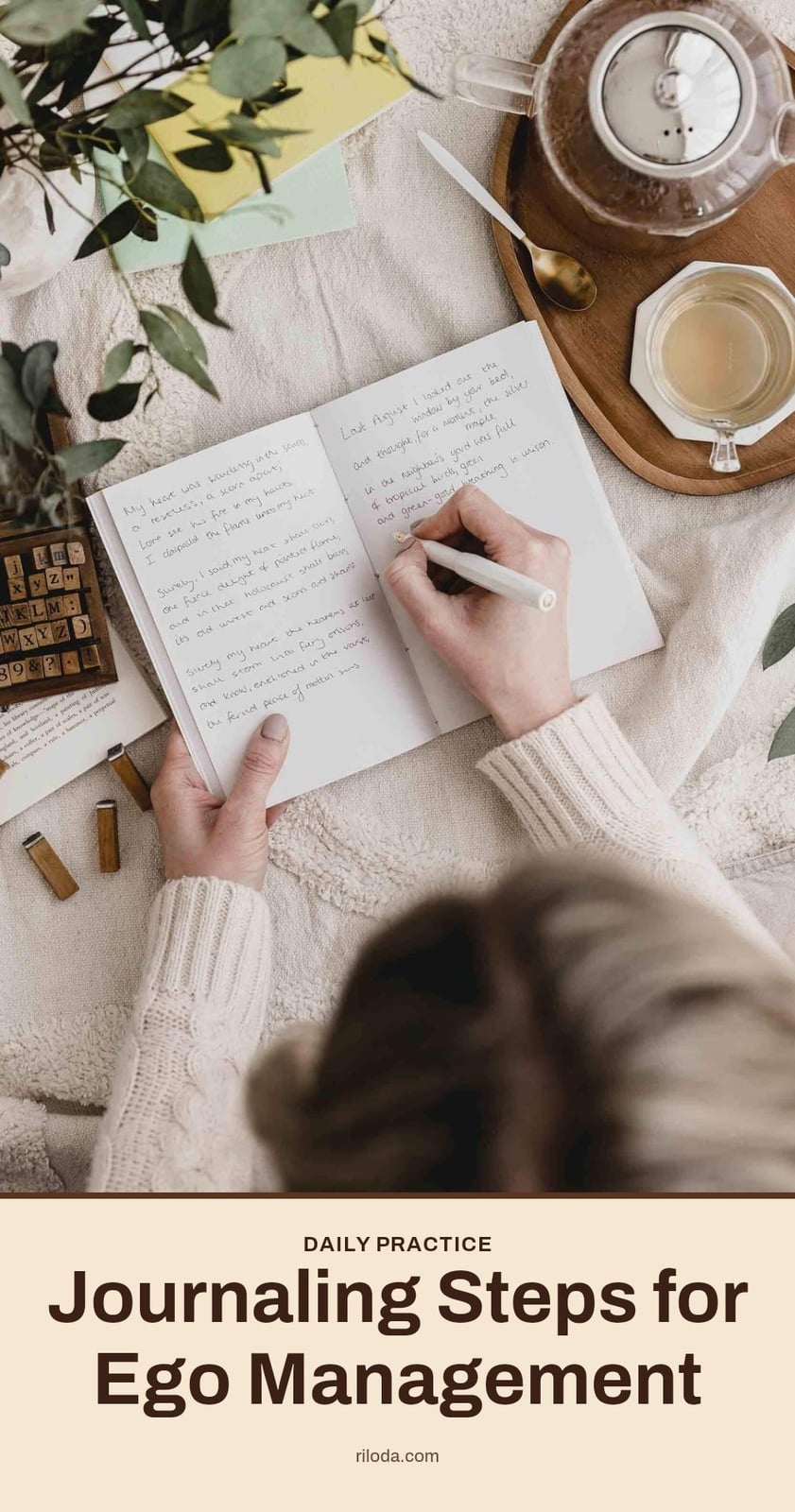
Managing your ego isn’t about silencing it. It’s about building awareness and choosing a different response. Here are steps that work.
- Practice self-reflection: Set aside 5 minutes at the end of your day to ask, “When did I feel defensive or need to be right?” Journaling helps spot patterns.
- Cultivate humility: Acknowledge one thing you don’t know or a skill someone else has that you admire. Then ask them a question about it.
- Listen actively to criticism: When someone gives feedback, pause before reacting. Say, “Thank you, I’ll think about that.” Then consider its validity later.
- Focus on empathy: In a disagreement, try to state the other person’s perspective aloud before sharing your own. This shifts your brain from defense to understanding.
- Engage in mindfulness: Spend 2-3 minutes observing your breath. When a thought arises (like “I’m not good enough”), label it “thinking” and return to your breath. This builds the skill of not immediately identifying with ego-driven thoughts.
- Take responsibility without defensiveness: If you make a mistake, say, “I was wrong about that. I’ll work on fixing it.” No excuses, no self-flagellation.
Start with one step for a week. Small shifts add up.
Common Misconceptions About Ego Management
Confusing ego with self-esteem: A healthy ego gives you a stable sense of self. An inflated one is about defensiveness and superiority. They are not the same.
Believing ‘getting rid of ego’ means passivity: It doesn’t. The goal is balance, not losing ambition or drive. You can be confident and still manage your ego.
Attributing all negative feelings to ego: Anxiety, sadness, or stress may have other roots. Not every bad feeling is an ego problem.
Using ego as an excuse: Blaming your ego for poor behavior avoids responsibility. Own your actions directly.
Trying to suppress ego: Suppression backfires. Understanding and integrating its role leads to real change.
Thinking it’s a one-time fix: Ego management is an ongoing practice. You revisit it daily as situations arise.
Everyday Habits to Foster a Balanced Ego

Don’t dismiss criticism: Pause before reacting. Ask yourself if there’s truth in it. Use it as a chance to grow.
Avoid constant external validation: Your worth doesn’t come from likes, praise, or others’ approval. Find it internally through your own values.
Limit excessive comparison: Comparing your journey to someone else’s fuels either superiority or insecurity. Focus on your own progress.
Don’t let fear prevent new experiences: That fear is often ego protecting itself from failure. Try it anyway.
Refrain from blaming others: When something goes wrong, look first at your own part. Owning your shortcomings builds trust and self-awareness.
Practice active listening: Let others finish speaking without interrupting or planning your response. It shifts focus from your ego to understanding them.
When to Seek Professional Guidance for Ego Challenges
If ego-driven behaviors are hurting your relationships, career, or mental health, a licensed therapist or counselor can help. They offer tailored strategies and support that self-help alone may not provide.
Self-reflection can uncover uncomfortable truths. Approach that process with self-compassion rather than judgment.
Managing your ego is not a quick fix. It takes time and gradual improvements. Professional guidance can make that journey steadier and less isolating.
Frequently Asked Questions
What’s the difference between ego and self-esteem?
Self-esteem is your overall sense of self-worth and confidence. Ego, in psychological terms, is the part of your mind that mediates between your desires, morals, and reality. A healthy ego supports stable self-esteem, while an overactive or fragile ego often leads to defensiveness, comparison, and a need for validation, which can undermine genuine self-esteem.
Can I completely get rid of my ego?
No, and you wouldn’t want to. The ego is essential for navigating daily life, making decisions, and maintaining a sense of identity. The goal is not elimination but balance. You can learn to recognize when your ego is driving reactive or defensive behavior and choose a more thoughtful response instead.
How does ego affect my relationships?
An overactive or fragile ego can cause defensiveness, a need to be right, difficulty apologizing, and excessive comparison, all of which strain relationships. On the other hand, a balanced ego allows you to listen openly, take responsibility, and celebrate others’ successes, leading to healthier and more authentic connections.
Is an ego always a bad thing?
No. In psychology, a healthy ego helps you cope with challenges, make rational choices, and maintain a stable sense of self. It only becomes problematic when it’s overactive (defensive, controlling) or fragile (insecure, avoidant). The key is understanding its role and keeping it in balance, not eliminating it.
How long does it take to manage your ego effectively?
Managing your ego is an ongoing process, not a fixed timeline. With consistent practice, like daily self-reflection and mindfulness, you may notice gradual improvements in your reactions and relationships over weeks or months. However, old patterns can resurface, especially under stress, so it’s a lifelong practice of awareness.
Final Thoughts
Start small: pick one sign of an overactive or fragile ego and watch for it in your daily interactions. When you notice it, pause and ask yourself what a more balanced response would look like. Expect gradual improvements over weeks and months, not overnight. The goal isn’t to silence your ego but to understand it so you can choose how you react.
This article is for informational purposes only and does not constitute professional psychological or medical advice. If you are experiencing significant distress or difficulties in your relationships, career, or mental health, consider consulting a licensed therapist or counselor for personalized support.
More Blog ideas
- How to Use Rose Water for Radiant Skin and Healthy Hair
- What Is My Personality Type? Understanding Yourself Better
- How to Clean Your Pores at Home
- Vitamin C Benefits for Skin and Health Plus the Best Foods
- How to Start Shadow Work for Deeper Self-Understanding
- How to Prep Your Hair Before Bleaching for Less Damage
- How to Prepare Sea Moss Gel at Home for Wellness
- How to Use Rice Water for Glowing Skin and Shiny Hair
- How to Find Morning Motivation When You Want to Stay in Bed
- Filing Nails: How to File Nails Correctly for Strong, Healthy Fingernails
- Healthy Coping Skills: Proven Strategies for Difficult Times
- Simple Ways to Romanticize Your Life Every Day