Portioning Tips: Simple Ways to Eat Less Without Hunger
Master portioning with these simple tips to manage your weight and eat mindfully without feeling deprived. Learn practical strategies for balanced eating.

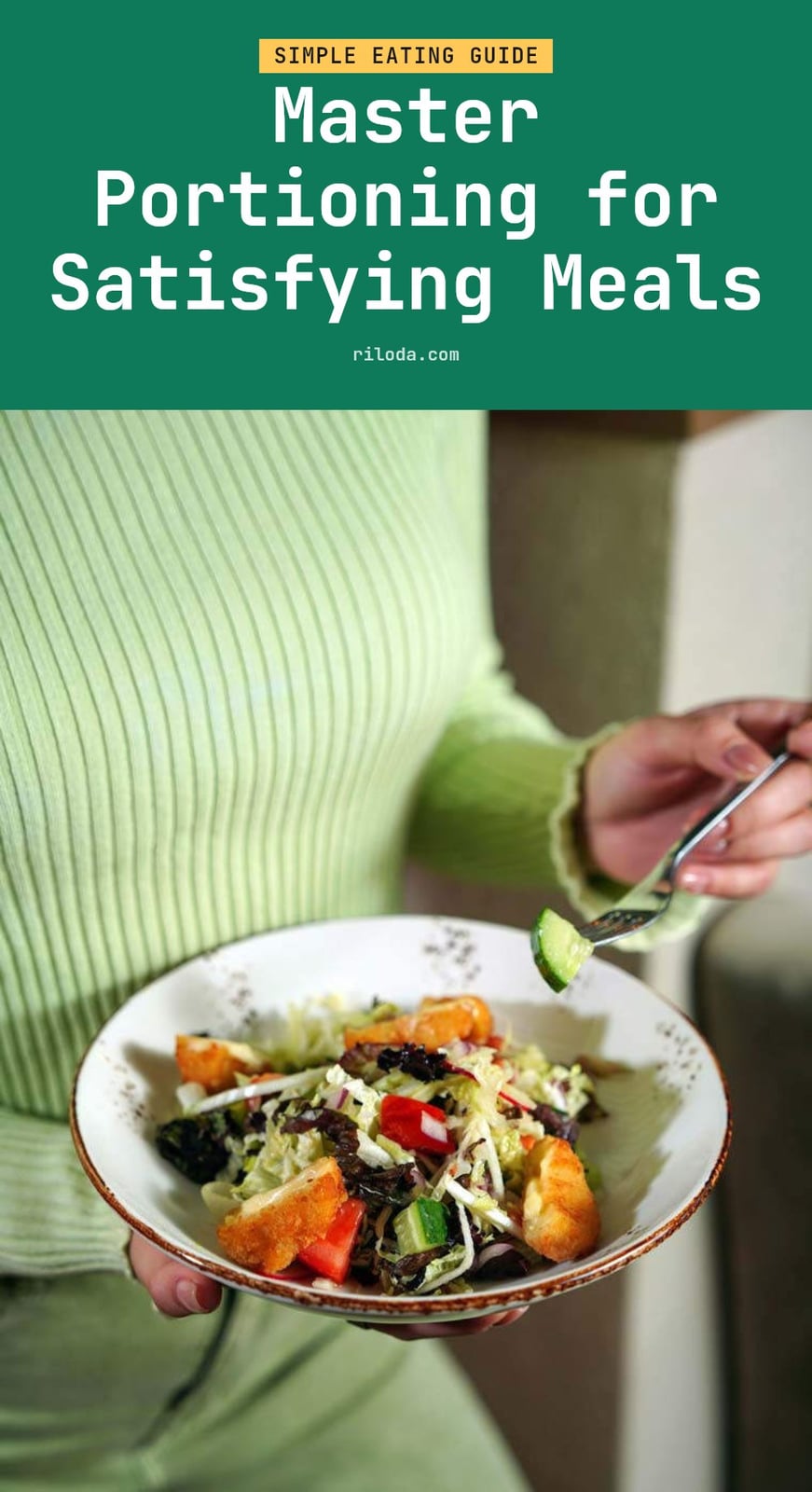
Have you ever finished a meal and felt uncomfortably stuffed, or wondered why you’re still hungry after eating what seemed like enough? Portioning might be the missing piece. It’s not about strict dieting or feeling deprived; it’s about aligning how much you eat with what your body actually needs. In this article, we’ll walk through practical, simple ways to manage your portions so you can feel satisfied and nourished without overdoing it.
Key Takeaways
- Swap to smaller plates and bowls to make portions look larger.
- Use measuring cups or a food scale when starting out.
- Fill half your plate with non-starchy vegetables for satiety.
- Pre-portion snacks into individual containers to avoid overeating.
- Eat slowly and stop when comfortably full, not stuffed.
What is Portioning and Why Does It Matter?
Portioning is about controlling the amount of food you eat to align with your body’s needs, not strict dieting. It involves understanding serving sizes and using practical strategies to manage how much food ends up on your plate. Effective portioning helps with weight management, prevents overeating, and promotes a balanced intake of nutrients, leading to satiety without excessive calorie consumption. It’s a flexible approach, not a punishment.
1. Use Smaller Plates and Bowls
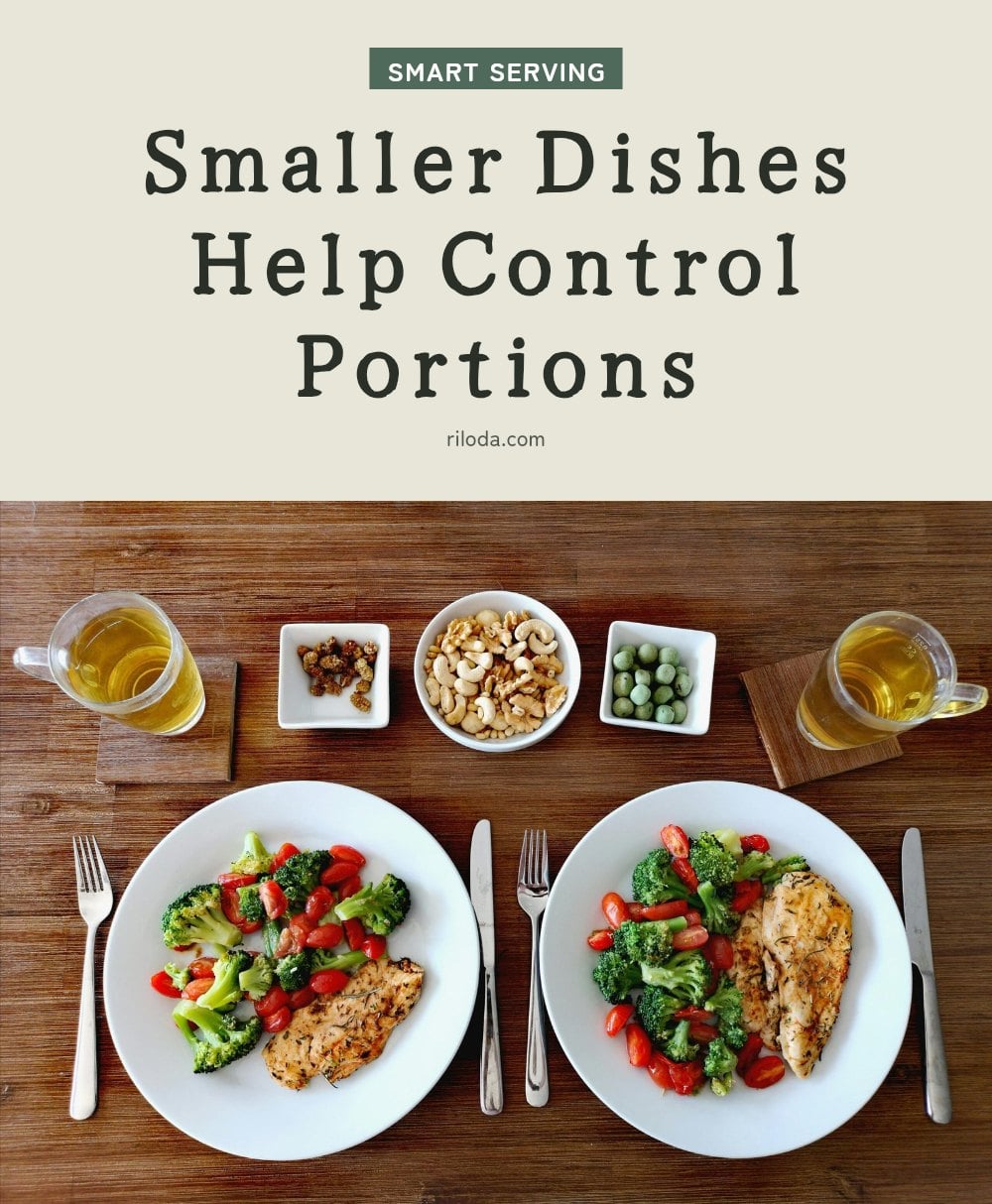
Swapping your dinner plates and bowls for smaller versions can make the same amount of food look more generous. This visual trick can help your brain feel satisfied with less, which may reduce your overall intake without you feeling deprived.
My tip: I’ve found that switching to smaller dinner plates instantly makes my meals look more substantial, even if it’s the same amount of food.
- Use a salad plate for your main course.
- Choose a smaller bowl for cereal or soup.
- Serve from the stove, not the table, to avoid second helpings.
2. Measure Your Food Initially
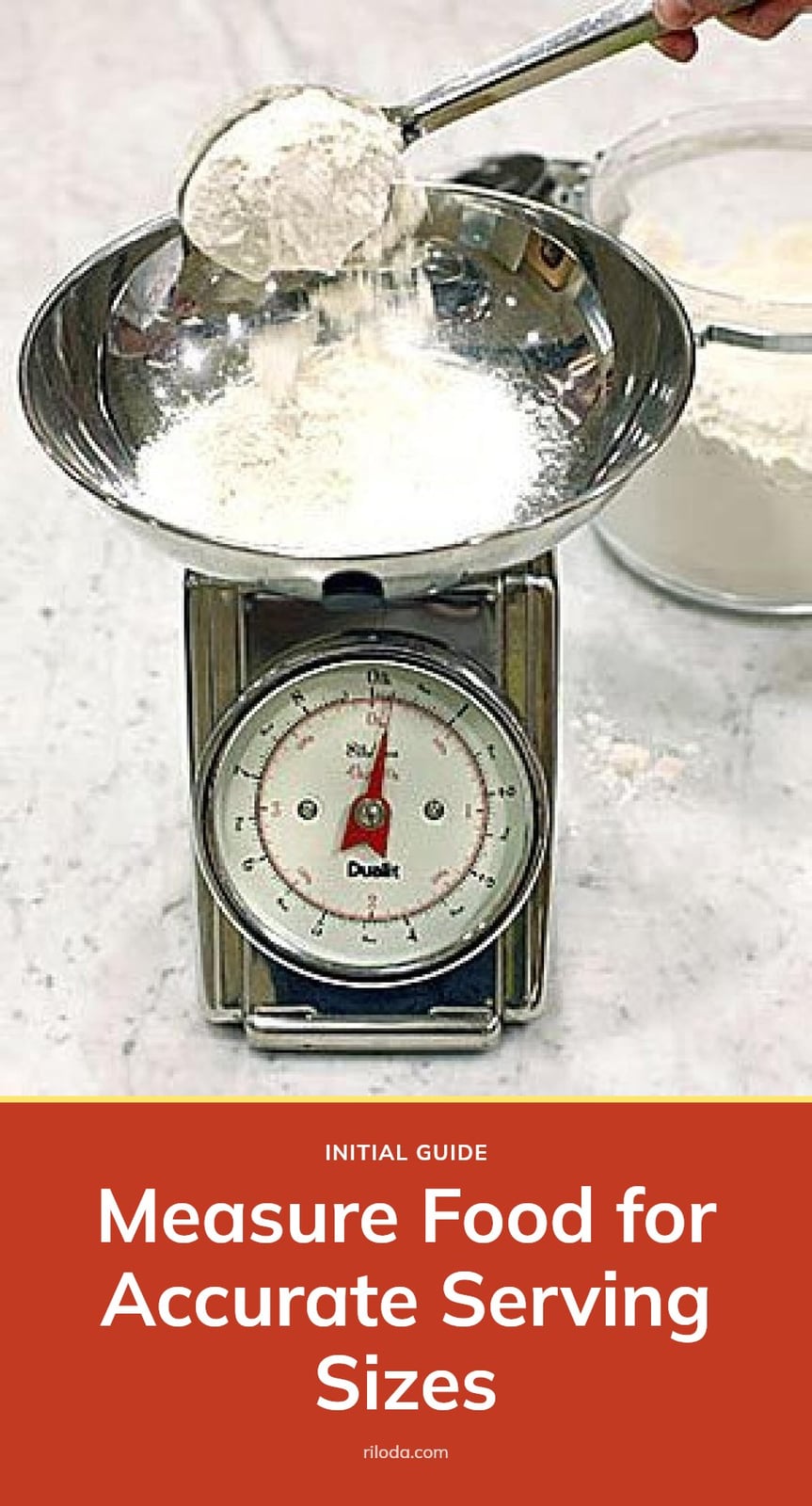
Using measuring cups, spoons, or a food scale helps you learn what actual serving sizes look like. This is especially crucial for calorie-dense foods like nuts, oils, or grains where visual estimation can be misleading.
My tip: You don’t have to do this forever, but a few weeks of measuring can really recalibrate your internal ‘portion radar’.
- Measure dry foods like pasta and rice before cooking.
- Use a food scale for meats and cheese.
- Check labels for serving sizes and stick to them.
3. Fill Half Your Plate with Vegetables
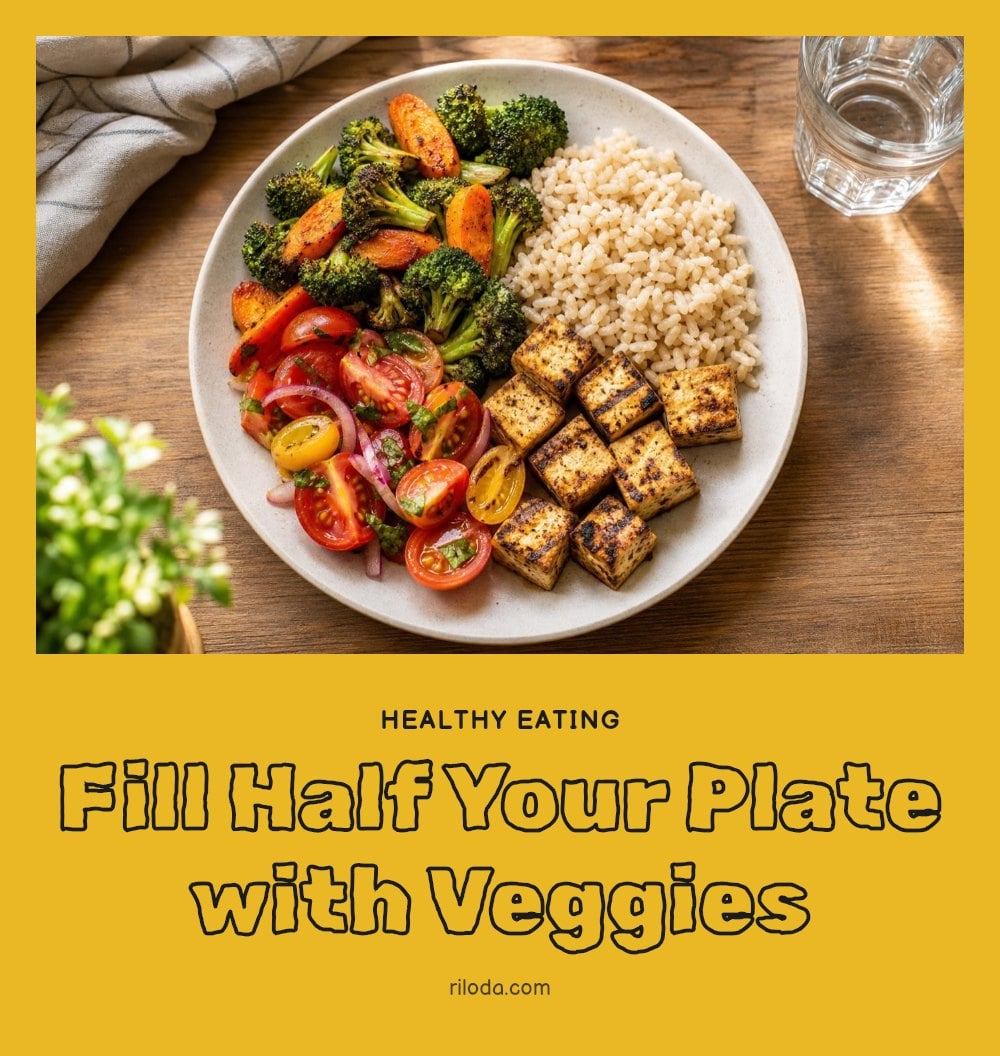
Non-starchy vegetables are rich in fiber and nutrients but low in calories, helping you feel full without overeating. This strategy ensures a balanced intake and naturally reduces space for higher-calorie items.
My tip: Think of your plate as a canvas, make half of it a vibrant, colorful garden!
- Fill half your plate with veggies like broccoli, spinach, or peppers.
- Add a variety of colors to get a range of nutrients.
- Use vegetables as the base for soups, stir-fries, and salads.
4. Understand Hand-Based Portions
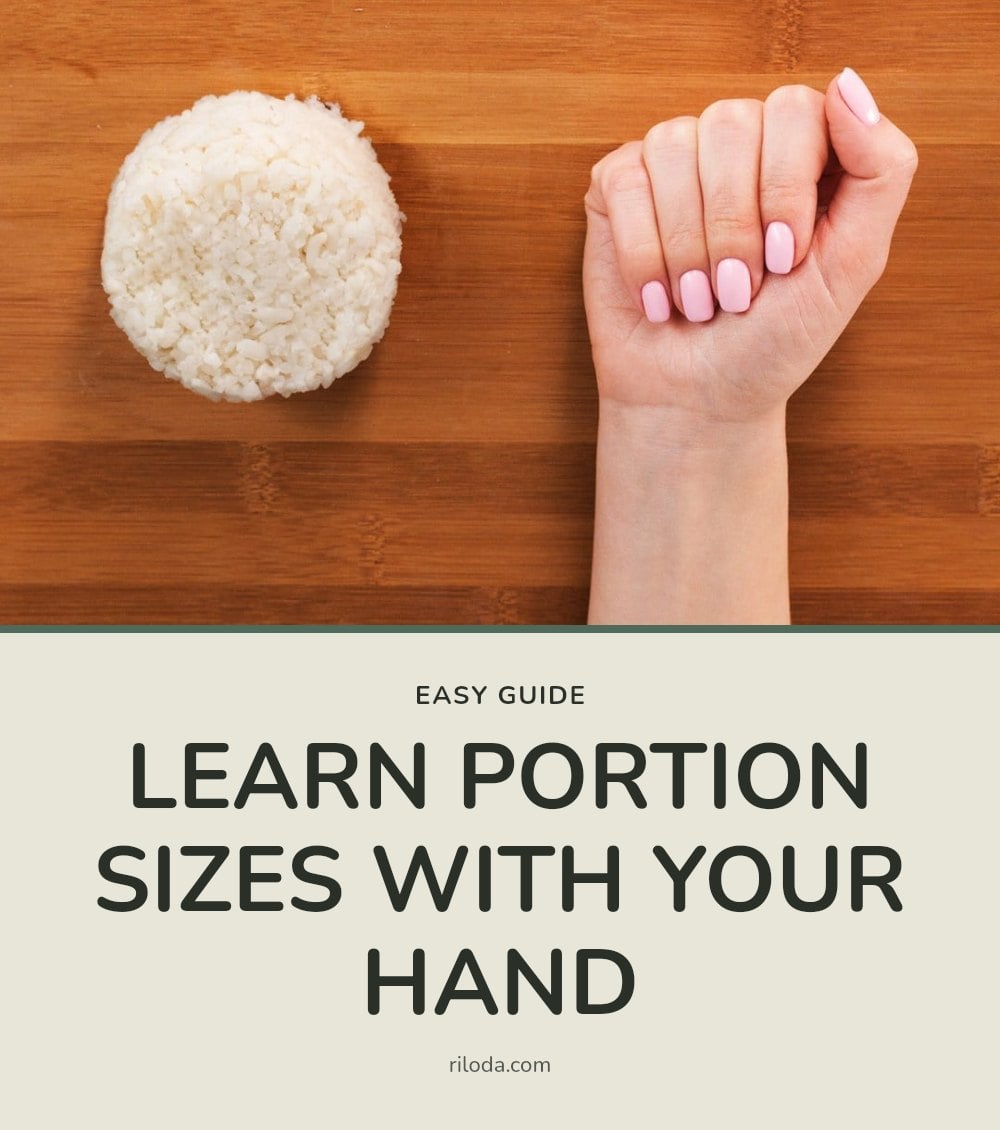
Your hand is a built-in, portable guide that works anywhere. A serving of protein like chicken or fish is roughly the size and thickness of your palm. For cooked pasta or rice, aim for a cupped hand, that’s about half a cup. Cheese? Two dice or your thumb. Healthy fats like nuts? A small handful, about a quarter cup.
My tip: I’ve tried them all, and using your hand is incredibly practical when you’re on the go and don’t have measuring tools. It keeps portions realistic without any extra gear.
5. Eat Slowly and Mindfully
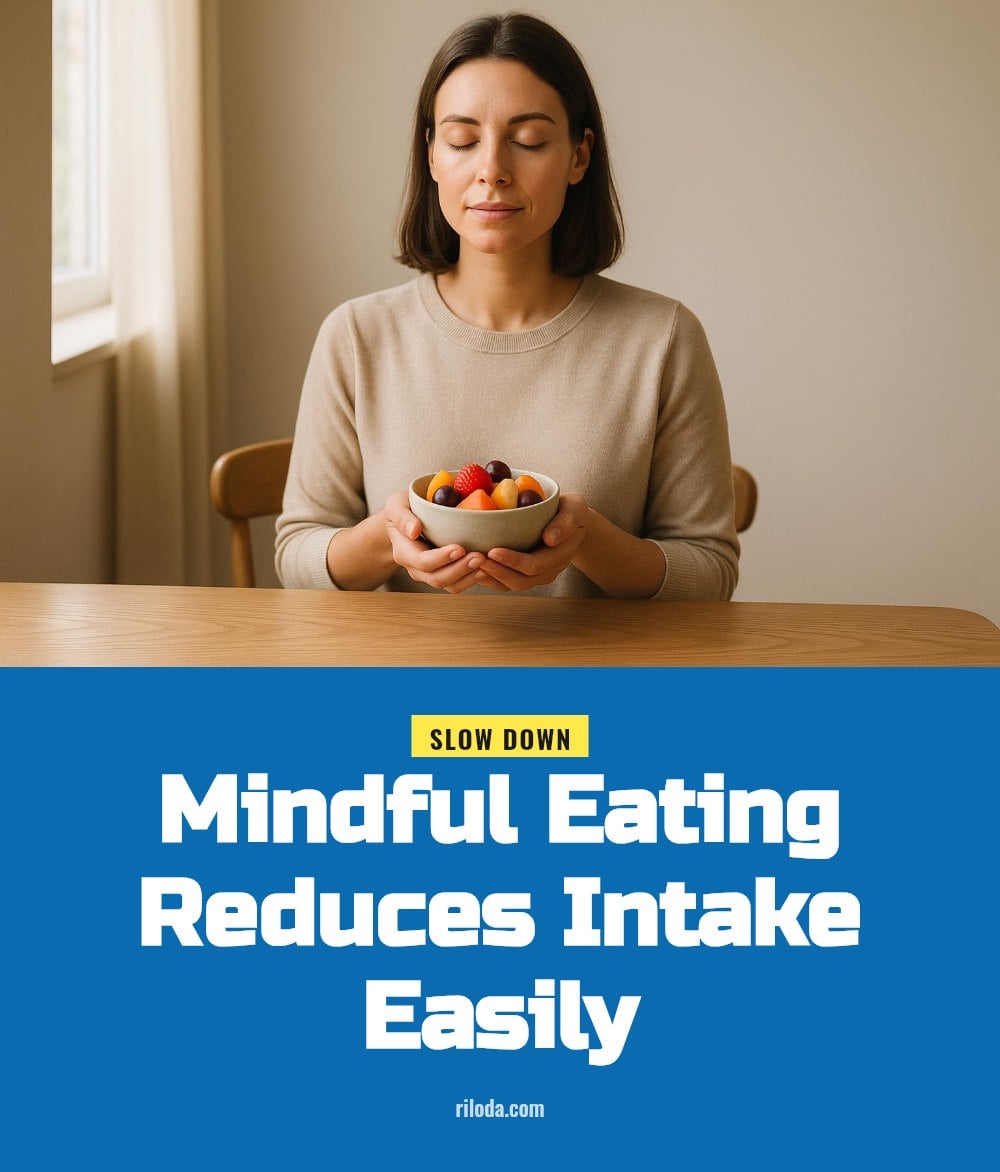
Your brain needs about 20 minutes to register that your stomach is full. Eating slowly, putting your fork down between bites, chewing thoroughly, and savoring each mouthful, gives that signal time to arrive before you overdo it.
My tip: This is a game-changer. When I slow down, I actually enjoy my food more and naturally eat less. Try it at your next meal and see the difference.
6. Pre-Portion Snacks and Meals
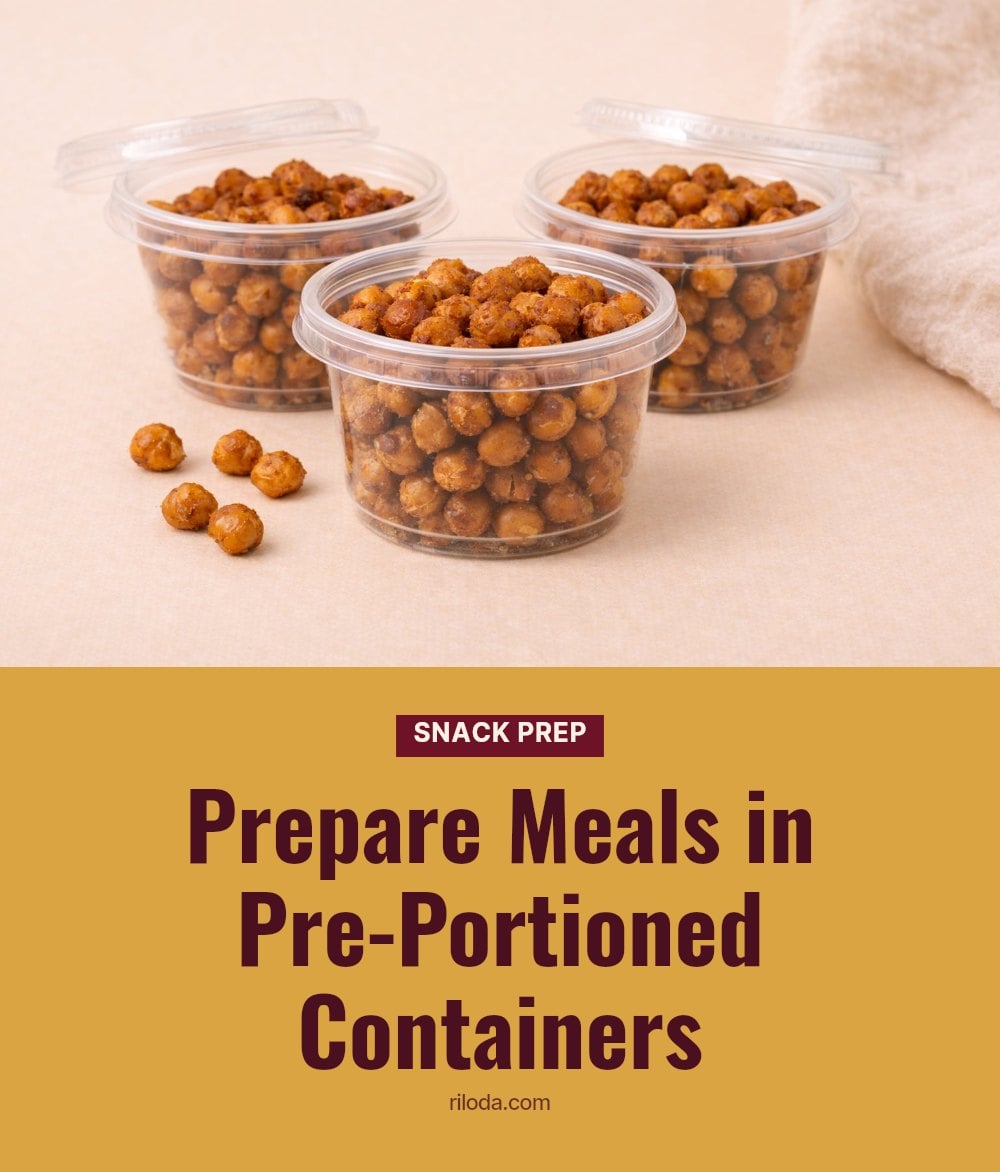
Dividing large packages of snacks or batch-cooked meals into individual containers stops you from eating straight from the source. When a single serving is already measured, you avoid the mindless hand-to-mouth cycle that happens with an open bag.
This also makes healthy choices easy and grab-and-go friendly. No thinking required when hunger hits.
Tip: Sundays are my meal prep days, and pre-portioning snacks is a big part of that. It stops me from eating the whole bag of chips.
7. Stay Hydrated with Water
Drinking water before and during meals can help you feel fuller, which may reduce how much you eat overall. Thirst is often mistaken for hunger, so staying hydrated makes it easier to tell the two apart.
Keep a water bottle handy throughout the day. A glass 20 minutes before a meal gives your stomach a head start on fullness.
Good to know: I always keep a water bottle handy and try to drink a glass before I even sit down to eat.
8. Prioritize Protein and Fiber
Lean protein and fiber-rich foods like vegetables, fruits, and whole grains are known for their ability to increase satiety. Including them in every meal helps you feel fuller for longer, reducing the urge to snack unnecessarily. Pro move: I make sure every meal has a good source of protein and a generous helping of fiber. It makes a huge difference in how satisfied I feel.
9. Navigate Restaurant Portions Wisely
Restaurant portions are often significantly larger than standard serving sizes, making them a common challenge for portion control. Consider sharing an entree, asking for a half-portion, or immediately boxing up half your meal to take home. Quick tip: I always ask for a to-go box with my meal and put half in it before I even start eating. It’s a lifesaver!
10. Avoid Eating from Large Packages
Eating directly from large bags or containers makes it very easy to lose track of how much you’re consuming. Always transfer a single serving onto a plate or into a small bowl, even for snacks. Tip: This is a simple rule, but it really works. Never eat straight from the ice cream carton. I learned that the hard way!
11. Listen to Your Body’s Cues
Mindful eating involves paying attention to your hunger and fullness signals. Eat when you’re truly hungry, and stop when you feel comfortably full, not stuffed. Good to know: This takes practice, but learning to tune into your body’s signals is the most powerful tool for sustainable portion control.
Common Portioning Mistakes and How to Fix Them
Underestimating calorie-dense foods: Nuts, oils, cheese, and dressings pack a lot of calories into small amounts, so a quick visual guess is usually off. Measure these with spoons or a scale for the first few weeks until you can eyeball a true serving.
Ignoring hunger and fullness cues: Eating on autopilot or because food is in front of you leads to overeating. Check in with your body before you start, halfway through, and after each meal. Stop when you feel comfortably full, not stuffed.
Forgetting hidden calories: Sauces, dressings, and sweetened drinks can add hundreds of calories without making you feel full. Ask for dressings on the side, measure your pour, and swap sugary beverages for water or unsweetened tea.
Thinking portioning means deprivation: It doesn’t. Fill your plate with vegetables, lean protein, and whole grains so you stay satisfied. You’re not eating less, you’re eating smarter.
Eating too quickly: Your brain needs about 20 minutes to register fullness. Slow down, chew thoroughly, and put your fork down between bites so you don’t overshoot.
Frequently Asked Questions
What is the difference between a serving and a portion?
A serving is a specific, standardized amount of food, like half a cup of rice or one ounce of cheese, often used on nutrition labels. A portion is the amount you actually choose to eat, which can be larger or smaller than a serving. Understanding this difference helps you gauge how much you’re really consuming.
Can portion control help with weight loss?
Yes, portion control can be a helpful tool for weight management. By eating appropriate amounts, you may naturally reduce your calorie intake without feeling deprived. However, it’s important to focus on nutrient-dense foods and listen to your body’s cues. For personalized advice, consider consulting a healthcare professional or registered dietitian.
How do I portion when dining out?
Restaurant portions are often larger than standard servings. You can ask for a half-portion, share an entree with a friend, or ask for a to-go box right away and pack up half your meal before you start eating. This way, you enjoy your meal and have leftovers for later.
Is it okay to sometimes eat larger portions?
Absolutely. Portioning isn’t about perfection. It’s normal to have days when you eat more, like at a celebration or a special meal. The key is to not let one larger meal derail your overall habits. Simply return to your usual portion sizes at the next meal without guilt.
What if I’m still hungry after a proper portion?
If you’re still hungry after eating a reasonable portion, wait about 20 minutes, as it takes time for your brain to register fullness. If hunger persists, choose a small, nutrient-dense snack like a piece of fruit or a handful of nuts. Also, make sure you’re drinking enough water, as thirst can sometimes mimic hunger.
Final Thoughts
Portioning is a skill that gets easier with practice. Start with one or two changes, like using a smaller plate or pre-portioning your snacks, and build from there. Expect to see gradual improvements over weeks and months as these habits become second nature. It’s normal to have an off day; the key is to simply get back on track with your next meal. Remember, the goal is to feel good and nourished, not restricted.
This article is for general informational purposes only and is not a substitute for professional medical or dietary advice. If you have specific health conditions, dietary needs, or are considering significant changes to your eating habits, consult with a qualified healthcare provider or registered dietitian.
More Blog ideas
- How to Use Rose Water for Radiant Skin and Healthy Hair
- What Is My Personality Type? Understanding Yourself Better
- How to Clean Your Pores at Home
- Vitamin C Benefits for Skin and Health Plus the Best Foods
- How to Start Shadow Work for Deeper Self-Understanding
- How to Prep Your Hair Before Bleaching for Less Damage
- How to Prepare Sea Moss Gel at Home for Wellness
- How to Use Rice Water for Glowing Skin and Shiny Hair
- How to Find Morning Motivation When You Want to Stay in Bed
- Filing Nails: How to File Nails Correctly for Strong, Healthy Fingernails
- Healthy Coping Skills: Proven Strategies for Difficult Times
- Simple Ways to Romanticize Your Life Every Day