How to Plan a Workout at Home: Easy Weekly Schedule
Learn how to plan an effective workout at home with an easy weekly schedule. Get tips on exercises, equipment, and common mistakes to avoid.


You want to start working out at home but aren’t sure where to begin. The key is a simple, structured plan that fits your schedule and keeps you consistent. This article covers how to plan a weekly home workout with warm-ups, strength moves, cardio, and cool-downs, plus a sample schedule to follow.
Key Takeaways
- Include at least 150 minutes of moderate aerobic activity or 75 minutes of vigorous activity each week.
- Do muscle-strengthening exercises at least two days per week.
- Warm up for 5-10 minutes and cool down for 5-10 minutes every session.
- Focus on proper form over reps to prevent injury and get better results.
- Schedule rest days for muscle recovery and to avoid overtraining.
Is Working Out at Home Effective?
Working out at home is highly effective for reaching your fitness and health goals. Success comes down to having a structured plan, staying consistent, and focusing on proper form. A well-rounded routine must include cardiovascular exercise, strength training, and flexibility work to keep your body balanced and prevent injury.
1. Warm-Up: Arm Circles and Leg Swings
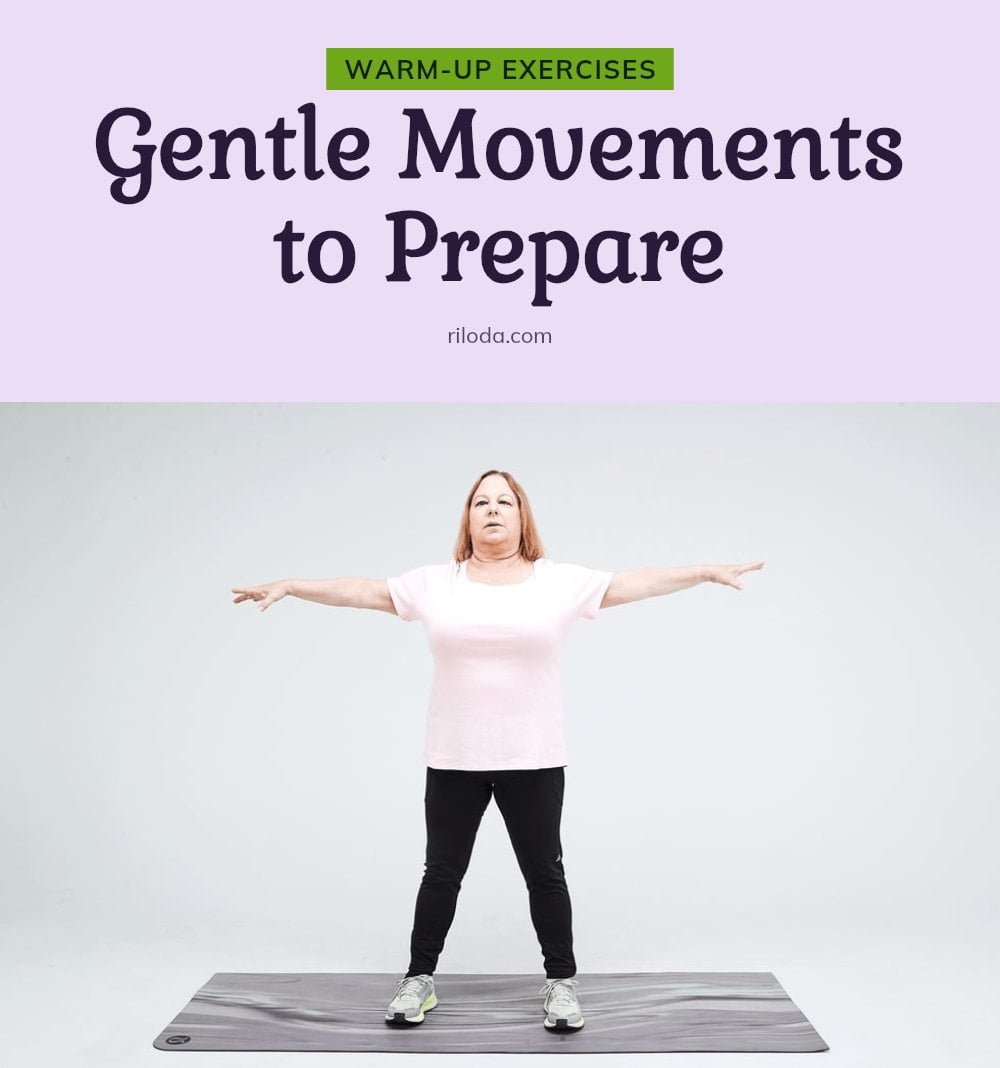
Start your warm-up with arm circles and leg swings to increase blood flow and loosen your joints. Stand with your feet shoulder-width apart and extend your arms straight out to the sides. Make 10-15 small circles forward, then 10-15 backward. For leg swings, hold onto a wall or chair for balance. Swing one leg forward and backward 10-15 times, then repeat side-to-side. Switch legs.
- Sets and reps: 1 set of 10-15 circles each direction, 1 set of 10-15 swings per leg each direction.
- Form cue: Keep movements controlled and gentle, never jerky.
- Make it easier or harder: Smaller circles are easier; larger circles increase the range of motion.
2. Bodyweight Squats
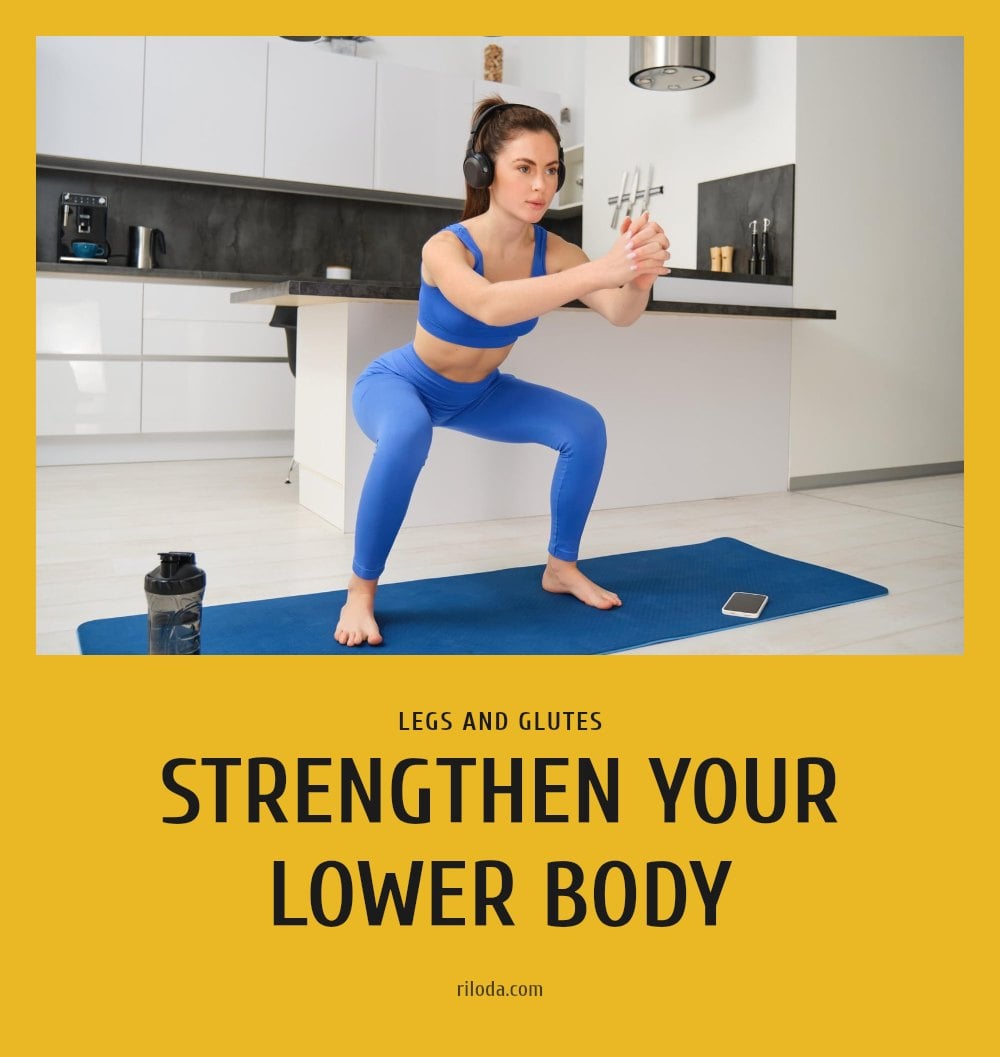
Stand with your feet shoulder-width apart and your chest lifted. Lower your hips back and down as if sitting in a chair, keeping your knees behind your toes. Push through your heels to return to standing.
- Sets and reps: 3 sets of 10-15 repetitions.
- Form cue: Keep your core engaged throughout the movement.
- Make it easier or harder: Hold a chair for balance to make it easier; add a jump at the top for a plyometric challenge.
3. Push-Ups (Modified or Full)
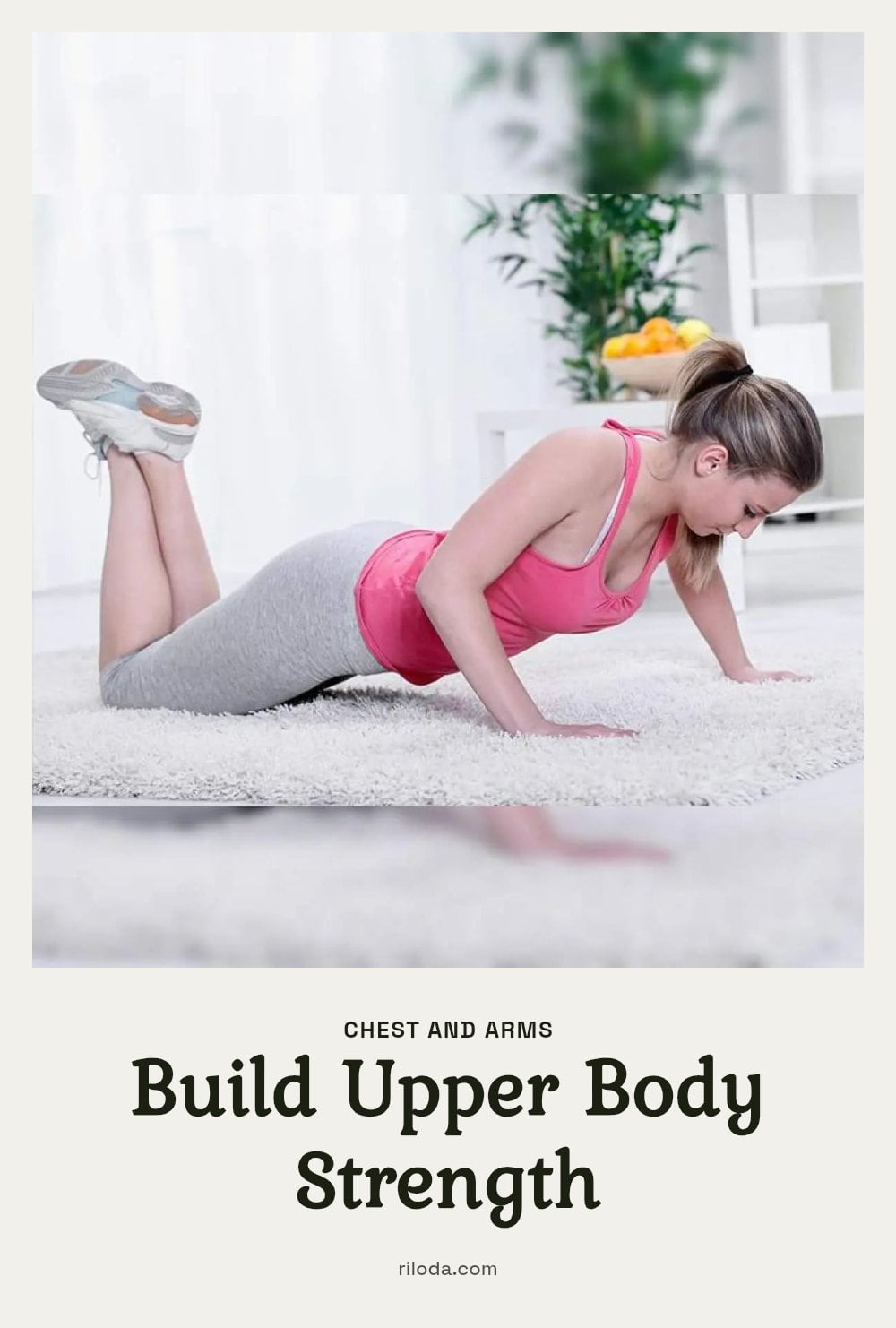
Start in a plank position with your hands slightly wider than your shoulders and your body in a straight line from head to heels. Lower your chest toward the floor until your elbows are at a 90-degree angle, then push back up. If full push-ups are too challenging, drop to your knees while keeping your torso straight.
- Sets and reps: 3 sets of 8-12 repetitions.
- Form cue: Focus on a strong core to avoid sagging hips.
- Make it easier or harder: Knee push-ups reduce the load; elevating your feet on a step increases difficulty.
4. Lunges (Alternating Legs)
Step forward with one leg and lower your hips until both knees are bent at about a 90-degree angle. Check that your front knee sits directly above your ankle, not past your toes. Push through your front foot to return to standing, then alternate legs.
- Sets and reps: 3 sets of 10-12 repetitions per leg.
- Form cue: Keep your torso upright and your back knee pointing down, not forward.
- Make it easier or harder: Hold a wall or chair for balance, or add a dumbbell in each hand.
5. Plank

Rest on your forearms and toes and hold a straight line from head to heels. Keep your core tight and stop your hips from sagging or rising too high. Hold the position, then rest and repeat.
- Time: 30-60 seconds per hold, 3 sets.
- Form cue: My tip: imagine pulling your belly button toward your spine.
- Make it easier or harder: Drop to your knees, or lift one foot off the floor for a harder hold.
6. Glute Bridges
Lie on your back with your knees bent and your feet flat on the floor, hip-width apart. Lift your hips toward the ceiling and squeeze your glutes at the top, then lower slowly back down.
- Sets and reps: 3 sets of 12-15 repetitions.
- Form cue: Push through your heels and keep your ribs down so your lower back does not arch.
- Make it easier or harder: Rest a resistance band above your knees, or hold the top for 2 seconds.
7. Jumping Jacks or High Knees
Pick one cardio move and go for 30-60 seconds. For jumping jacks, jump your feet wide with your arms overhead, then jump your feet together with your arms down. For high knees, run in place and bring your knees up toward your chest. Repeat for 3-5 rounds with short rests in between.
- Time: 30-60 seconds per round, 3-5 rounds.
- Form cue: Land softly on the balls of your feet and keep your chest tall.
- Make it easier or harder: March in place instead of jumping, or speed up the pace for more intensity.
8. Cool-Down: Stretching
Finish every session with 5-10 minutes of slow movement, then hold each stretch for 20-30 seconds. Focus on the major muscle groups you just worked and cover hamstrings, quads, chest, and triceps, one stretch per group.
- Time: 20-30 seconds per stretch, one round each.
- Form cue: Breathe out as you sink into the stretch and keep your shoulders relaxed.
- Make it easier or harder: Bend the knee slightly to ease off; straighten it or reach further for more.
My tip: Never bounce during stretches. Aim for a gentle pull you can hold, not a sharp one.
Essential Gear for Your Home Workout
You do not need much, but a few basics make home sessions safer and easier to repeat. Start with the essentials and add the optional pieces when you want more challenge.
- Comfortable athletic clothing: allows for a full range of motion in squats, lunges, and planks.
- Supportive athletic shoes: protect your feet and joints, especially during jumping jacks and high knees.
- Yoga mat: provides cushioning and grip for floor work like planks and glute bridges.
- Water bottle: keeps hydration within reach before, during, and after the workout.
- Resistance bands: add challenge to strength exercises without heavy weights.
- Dumbbells (optional): increase intensity once bodyweight moves feel easy.
- Jump rope (optional): a simple cardio tool for short intervals.
- Timer or stopwatch: helps you track intervals and rest periods accurately.
Your Weekly Home Workout Schedule
This schedule balances strength, cardio, and rest so no single system gets overloaded. Adjust intensity and duration based on your fitness level, and keep the 5-10 minute warm-up and cool-down in every session.
| Day | Session | Length |
|---|---|---|
| Monday | Full-body strength: squats, push-ups, lunges, plank | 25-30 min |
| Tuesday | Cardio: jumping jacks or high knees intervals | 20-25 min |
| Wednesday | Rest or gentle stretching | 10-15 min |
| Thursday | Strength: glute bridges, push-ups, plank holds | 25-30 min |
| Friday | Cardio and core mix | 20-25 min |
| Saturday | Full-body circuit at easy pace | 25-30 min |
| Sunday | Rest | None |
Frequently Asked Questions
How long should a home workout be?
Aim for 25 to 30 minutes per session for most workouts, as shown in the sample schedule. If you’re short on time, a high-intensity interval training (HIIT) session can be effective in 15 to 20 minutes. Adjust duration based on your fitness level and available time.
Do I need equipment for home workouts?
No, bodyweight exercises like squats, push-ups, and planks are highly effective without any gear. Optional items like resistance bands, dumbbells, or a yoga mat can add variety and challenge, but they are not required to start.
How often should I work out at home?
Most people do well with 3 to 5 sessions per week, including rest days for recovery. The sample schedule in the article uses four workout days and three rest days. Listen to your body and adjust if you feel fatigued.
Can I build muscle working out at home?
Yes, you can build muscle with bodyweight exercises like squats, lunges, push-ups, and glute bridges. To keep progressing, increase reps, slow down the movement, or add resistance bands. Proper form and consistency matter more than equipment.
What should I eat before and after a home workout?
Before a workout, eat a light snack with carbs and a little protein, like a banana or yogurt, about 30 to 60 minutes prior. Afterward, focus on protein and carbs to aid recovery, such as a smoothie or a chicken and rice bowl. Stay hydrated throughout.
Final Thoughts
Stick with a schedule that includes strength, cardio, and rest, and you’ll see progress within 4 to 8 weeks of consistent effort. Remember to listen to your body and modify exercises as needed. Start with three sessions per week and build from there.
This article provides general fitness information and is not a substitute for professional medical advice. Consult a healthcare professional before starting any new exercise program, especially if you have pre-existing health conditions. Stop immediately if you experience pain, dizziness, or chest discomfort.
More Blog ideas
- How to Use Rose Water for Radiant Skin and Healthy Hair
- What Is My Personality Type? Understanding Yourself Better
- How to Clean Your Pores at Home
- Vitamin C Benefits for Skin and Health Plus the Best Foods
- How to Start Shadow Work for Deeper Self-Understanding
- How to Prep Your Hair Before Bleaching for Less Damage
- How to Prepare Sea Moss Gel at Home for Wellness
- How to Use Rice Water for Glowing Skin and Shiny Hair
- How to Find Morning Motivation When You Want to Stay in Bed
- Filing Nails: How to File Nails Correctly for Strong, Healthy Fingernails
- Healthy Coping Skills: Proven Strategies for Difficult Times
- Simple Ways to Romanticize Your Life Every Day