Omega 3 Foods List: Your Guide to Essential Fatty Acids
Explore an omega 3 foods list, featuring marine and plant-based sources. Learn to add these essential fats for better brain and heart health.


Omega-3s are essential fats your body can’t produce on its own, so getting them from your diet is a must. Whether you’re aiming for better heart health, sharper brain function, or simply a more balanced plate, knowing which foods deliver these fatty acids is the first step. This article breaks down the top omega-3 food sources, from fatty fish to plant-based options, so you can easily build a diet that supports your wellness goals.
Key Takeaways
- Eat fatty fish like salmon or mackerel at least twice a week for EPA and DHA.
- Add flaxseeds, chia seeds, or walnuts daily for plant-based ALA omega-3s.
- Choose fortified eggs, yogurts, or milks if your regular intake runs low.
- Bake or broil fish instead of frying to preserve its omega-3 content.
- Use supplements only to fill gaps, not as your primary omega-3 source.
What are Omega-3 Fatty Acids and Why Do We Need Them?
Omega-3s are essential fats your body can’t make on its own, so you need to get them from food. They play a key role in brain function, heart health, and managing inflammation. There are three main types: ALA, found in plants like flaxseeds and walnuts, and EPA and DHA, which come mainly from marine sources like fish and algae.
1. Fatty Fish and Seafood

Fatty fish like salmon, mackerel, sardines, and trout are your best bet for EPA and DHA, the forms your body uses most readily. The American Heart Association recommends two servings per week for heart health.
My tip: Bake or broil your fish instead of frying it to keep more of the omega-3s intact. When you shop, look for sustainable options like wild-caught salmon or sardines to support both your health and the environment.
2. Plant-Based Powerhouses
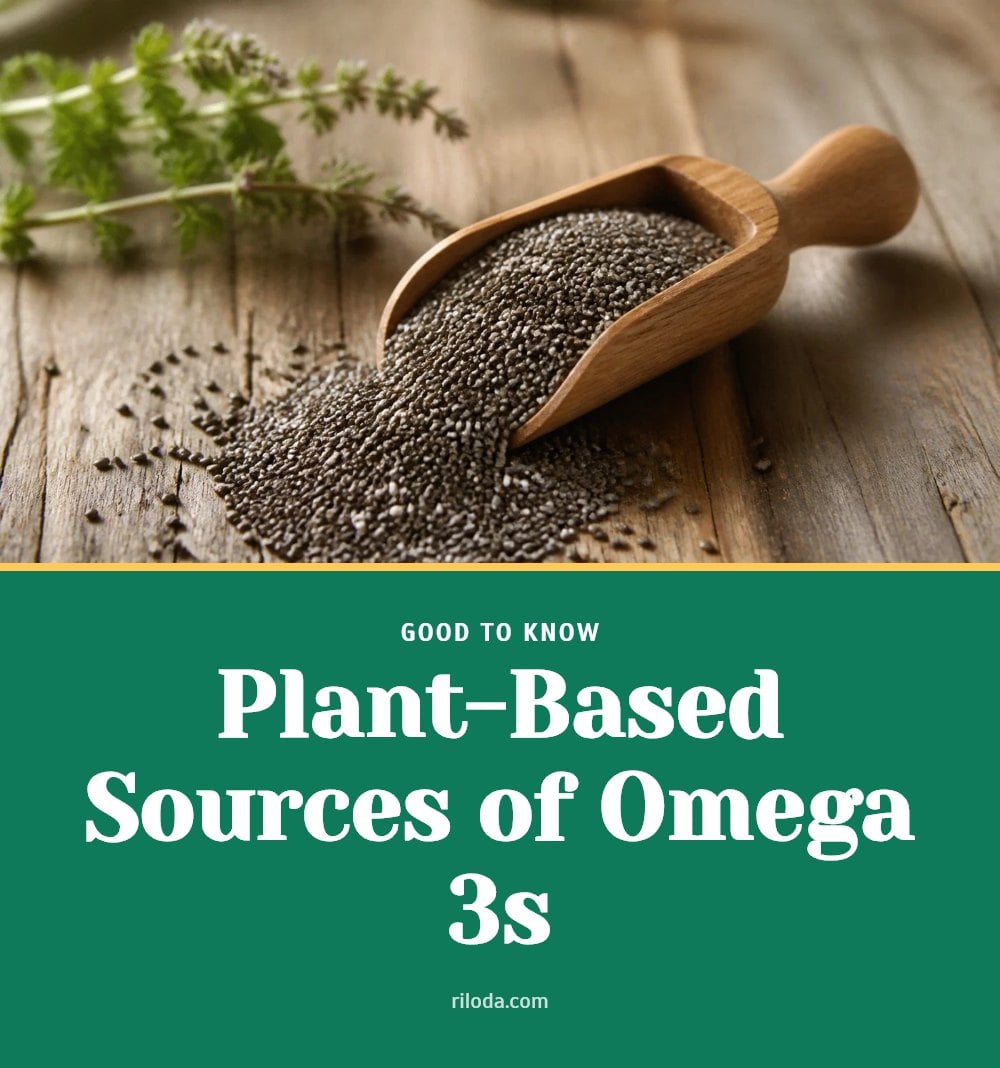
Plant-based foods provide ALA, which your body can convert into EPA and DHA, but the conversion is slow and inefficient. To keep a steady supply, include flaxseeds, chia seeds, walnuts, or hemp seeds in your daily meals. For a direct plant-based source of EPA and DHA, algae oil is a great option for vegans and vegetarians.
3. Fortified Foods and Other Sources
If you are not eating fish or seeds daily, fortified foods are a practical shortcut. Many brands now add omega-3s to eggs, yogurts, and milks, so your regular breakfast can quietly boost your intake. Check the label for added EPA or DHA rather than just “omega-3” on the front.
Soybeans, often eaten as edamame, are another solid source of ALA. A handful of steamed edamame makes an easy snack or salad topper. Tip: Pair fortified yogurt with a tablespoon of ground flaxseeds for a double hit of omega-3s in one meal.
Common Omega-3 Mistakes to Avoid
Relying solely on supplements: Supplements can help, but they should never replace whole food sources. Whole fish and plants provide a complex mix of nutrients that work together, and your body absorbs them differently. Use supplements to fill a gap, not as your primary source.
Overlooking ALA conversion: Flaxseeds and chia seeds are great, but your body only converts a small fraction of ALA into the EPA and DHA it really needs. Don’t assume a handful of walnuts covers your bases. Pair plant sources with a weekly serving of fatty fish or algae oil for a complete profile.
Ignoring omega-3 to omega-6 balance: Most American diets are heavy in omega-6s from vegetable oils and processed foods, which can promote inflammation. Simply cutting omega-6s is hard, so focus on actively increasing your omega-3s through food to tip the balance back.
Overcooking fish: High heat from frying can degrade the delicate omega-3 fats. Stick to baking, broiling, or poaching to protect what’s inside. A gently cooked fillet delivers far more benefit than a fried one.
Frequently Asked Questions
Can I get enough omega-3s from a vegetarian diet?
Yes, but it takes a bit more planning. Plant sources like flaxseeds, chia seeds, walnuts, and hemp seeds provide ALA, which your body converts to EPA and DHA only in small amounts. Algae oil is the standout option because it offers preformed EPA and DHA without fish. Include a mix of these daily, and consider algae oil if you want a direct marine equivalent.
How much omega-3 do I need daily?
There’s no single universal number, since needs vary by age, health status, and diet. The American Heart Association suggests two servings of fatty fish per week for heart health, which covers EPA and DHA for most adults. For plant-based ALA, daily intake of flaxseeds, chia seeds, or walnuts is a practical target. If you’re unsure about your specific needs, a healthcare provider can give personalized guidance.
Are omega-3 supplements necessary?
Not for most people if your diet already includes fatty fish, seeds, and nuts. Supplements are useful when you consistently fall short, like if you’re vegetarian, allergic to fish, or simply don’t eat these foods regularly. They should fill a gap, not replace whole food sources. Talk to a doctor before starting any supplement, especially if you take blood thinners or are pregnant.
Does cooking affect omega-3 content in fish?
Yes, cooking methods matter. Frying fish at high heat can reduce its omega-3 content, while baking or broiling preserves more of these delicate fats. Overcooking also degrades them, so aim for just until the fish flakes easily with a fork. Poaching or steaming are gentle alternatives that keep omega-3s intact while adding minimal extra fat.
What foods are high in omega-3?
Fatty fish top the list: salmon, mackerel, sardines, and trout are rich in EPA and DHA. For plant-based options, flaxseeds, chia seeds, walnuts, and hemp seeds provide ALA. Algae oil is a unique plant source of preformed EPA and DHA. Fortified eggs, yogurts, and milks also add omega-3s if you check the label for EPA or DHA.
Final Thoughts
Building a solid omega-3 routine doesn’t require perfection. Start by swapping one meal each week for fatty fish, and sprinkle a tablespoon of chia or flaxseeds into your morning yogurt or smoothie. That simple combination covers both marine and plant-based forms, and you’ll likely notice the benefits over weeks to months of consistent intake. If you’re vegetarian or vegan, lean on algae oil for direct EPA and DHA, and don’t skip the daily walnuts. The key is variety and regularity, not a single superfood. Choose what fits your taste and lifestyle, and let your plate do the heavy lifting.
This article is for general informational purposes only and is not a substitute for professional medical advice. If you have a health condition, are pregnant or breastfeeding, take blood-thinning medication, or have fish or shellfish allergies, consult a qualified healthcare provider before making significant dietary changes or starting supplements.
More Blog ideas
- How to Use Rose Water for Radiant Skin and Healthy Hair
- What Is My Personality Type? Understanding Yourself Better
- How to Clean Your Pores at Home
- Vitamin C Benefits for Skin and Health Plus the Best Foods
- How to Start Shadow Work for Deeper Self-Understanding
- How to Prep Your Hair Before Bleaching for Less Damage
- How to Prepare Sea Moss Gel at Home for Wellness
- How to Use Rice Water for Glowing Skin and Shiny Hair
- How to Find Morning Motivation When You Want to Stay in Bed
- Filing Nails: How to File Nails Correctly for Strong, Healthy Fingernails
- Healthy Coping Skills: Proven Strategies for Difficult Times
- Simple Ways to Romanticize Your Life Every Day