Natural Ways to Support Your Immunity for Better Health
Discover natural ways to support your immunity with practical, everyday strategies. Learn about diet, sleep, exercise, and stress management for better health.


When the seasons change or stress piles up, it’s natural to wonder how you can help your body stay strong. Supporting your immunity isn’t about a single magic trick. It’s about building a foundation of healthy habits that work together over time. This article covers the everyday strategies that can help your body’s natural defenses do their job, from what to put on your plate to how to manage sleep and stress.
Key Takeaways
- Eat a colorful variety of fruits, vegetables, whole grains, and lean proteins daily for key nutrients like Vitamin C, D, and Zinc.
- Aim for 30 minutes of moderate exercise most days, but avoid overtraining without recovery.
- Prioritize 7-9 hours of quality sleep each night to support immune function.
- Manage chronic stress through techniques like meditation or deep breathing to keep cortisol levels in check.
- Wash your hands with soap and water for at least 20 seconds to prevent germ spread effectively.
What Does "Immunity" Really Mean?
Immunity is your body’s natural defense system against harmful pathogens like viruses and bacteria. A healthy lifestyle is the most effective way to support it. Focus on consistent habits such as a balanced diet, regular exercise, quality sleep, and stress management. These daily practices help your immune system function at its best.
How Your Immune System Works to Protect You

How Your Immune System Works to Protect You
Think of your immune system as a highly coordinated security team. It’s a complex network of cells, tissues, and organs that work together to identify and neutralize harmful invaders like viruses and bacteria. The key players are lymphocytes, a type of white blood cell that patrols your body. They learn to recognize specific threats so your system can respond faster next time. This constant surveillance happens without you noticing, every single day.
Everyday Habits to Build a Stronger Immune System
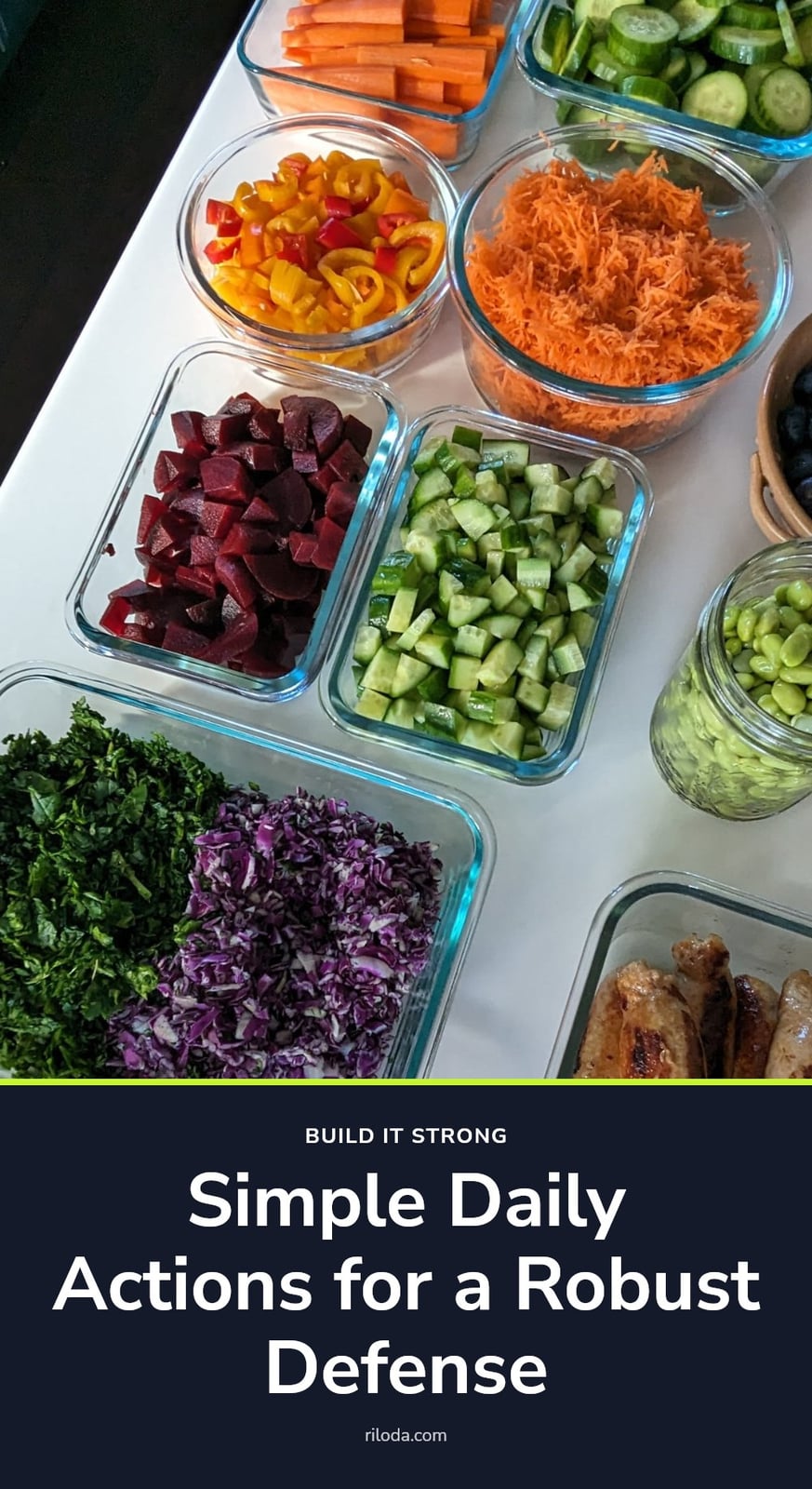
- Eat a balanced diet: Focus on fruits, vegetables, whole grains, and lean proteins daily. Include key nutrients like Vitamin C, D, Zinc, Selenium, and B Vitamins to support immune function.
- Exercise regularly: Aim for 30 minutes of moderate activity most days, such as brisk walking or cycling. This can improve your immune response.
- Prioritize sleep: Get 7-9 hours of quality sleep each night. Sleep is when your body repairs and strengthens its defenses.
- Manage stress: Practice stress-reducing techniques like deep breathing, meditation, or yoga. Chronic stress can suppress your immune system by raising cortisol levels.
- Stay hydrated: Drink plenty of water throughout the day to support overall bodily functions, including your immune system.
- Support gut health: Include probiotics and prebiotics from foods like yogurt, kefir, and whole grains. A large portion of your immune system resides in your gut.
- Wash your hands: Use soap and water for at least 20 seconds, especially before eating or after being in public places. This simple habit prevents germ spread.
The Power of Diet: Fueling Your Immune Defenses
The Power of Diet: Fueling Your Immune Defenses
What you eat directly supplies the raw materials your immune system needs to function. A balanced diet rich in fruits, vegetables, whole grains, and lean proteins delivers essential vitamins and minerals like Vitamin C, D, Zinc, and Selenium. My tip: Focus on whole foods first; your body absorbs nutrients from them more effectively than from pills. Gut health is especially important because a large portion of your immune system actually lives in your digestive tract. Probiotics (found in yogurt, kefir, sauerkraut) and prebiotics (fiber from foods like garlic, onions, and oats) help keep that gut environment healthy and balanced.
Common Immunity Mistakes to Avoid
Common Immunity Mistakes to Avoid
Even well-intentioned efforts can backfire. Here are the biggest pitfalls I see people make: Relying on Quick Fixes: No single food, herb, or supplement can magically ‘boost’ immunity overnight. Real support comes from consistent daily habits, not a one-time shot. Neglecting Sleep and Stress: These aren’t optional extras. Poor sleep and chronic stress directly suppress immune function by raising cortisol levels. Over-Exercising: While moderate exercise helps, pushing your body too hard without recovery can temporarily weaken your defenses. Ignoring Basic Hygiene: Simple handwashing with soap and water for 20 seconds remains one of the most effective ways to stop germs from spreading. Assuming All Natural Remedies Are Safe: Always research herbs and supplements, and consult a professional before trying them, especially if you take medication.
Top Tips for Daily Immune Support
Top Tips for Daily Immune Support
Small, consistent actions add up over time. Try weaving these into your routine: Go for Color: Aim for a rainbow of fruits and vegetables on your plate each day. Different colors mean different nutrients. Mindful Movement: Find exercise you actually enjoy, whether it’s brisk walking, dancing, or yoga. Consistency matters more than intensity. Digital Detox Before Bed: Put your phone away 30 minutes before sleep. Blue light disrupts melatonin production, which you need for quality rest. Find Your Calm: Experiment with deep breathing, meditation, or journaling to find a stress-reduction technique that sticks. Get Some Sun: Spend 10-15 minutes outdoors daily for natural Vitamin D, but always wear sunscreen if you’ll be out longer.
When to Talk to a Healthcare Professional
Your doctor should be your first stop before adding any supplement to your routine, especially if you have a health condition or take medication. Some herbs and vitamins can interact with prescriptions or cause side effects. Seek medical attention for persistent or severe symptoms like a high fever that won’t break or trouble breathing. If you notice unusual reactions after trying a new food or supplement, contact a professional. Better to ask than to guess when it comes to your health.
How Long Does It Take and What’s the Investment?
Supporting your immune system is a long-term commitment, not a quick fix. Consistent healthy habits over weeks and months build a stronger foundation. The main cost is in your grocery cart and your time for sleep and movement. A yoga mat or meditation app can help with stress management, but they’re optional. Supplements are an extra step, not a shortcut, and should only be added after a conversation with your doctor.
Frequently Asked Questions
How quickly can I improve my immune system?
There is no instant fix. Supporting your immune system is a long-term process. Consistent healthy habits like eating well, sleeping enough, and managing stress can start to make a difference within a few weeks, but building a strong foundation takes ongoing effort over months.
Are immune-boosting supplements necessary?
Most people can get the nutrients they need from a balanced diet. Supplements are not a substitute for healthy lifestyle habits. Always talk to your doctor before starting any supplement, especially if you have a health condition or take medication, as some can be harmful in high doses or interact with prescriptions.
Can stress really impact my immunity?
Yes, chronic stress can suppress your immune system. When you’re stressed, your body releases hormones like cortisol, which can reduce the number of white blood cells that fight infection. Finding healthy ways to manage stress, such as meditation or deep breathing, is an important part of immune support.
What are the best foods for immune health?
Focus on a variety of colorful fruits and vegetables, whole grains, and lean proteins. Key nutrients include Vitamin C from citrus and bell peppers, Vitamin D from fatty fish or fortified foods, Zinc from nuts and seeds, and Selenium from Brazil nuts. Fermented foods like yogurt and sauerkraut also support gut health, which is linked to immunity.
Is handwashing truly that important for immunity?
Absolutely. Handwashing with soap and water for at least 20 seconds is one of the most effective ways to prevent the spread of germs that can make you sick. It’s a simple, low-cost habit that directly supports your immune system by reducing your exposure to harmful pathogens.
Final Thoughts
My tip: start with one habit you can stick to, like adding a serving of vegetables to dinner or going for a short walk after lunch. Real change takes consistent effort over weeks and months, not overnight. Your immune system works best when you support it with a balanced lifestyle every day.
This article is for general informational purposes only and does not constitute medical advice. Always consult a healthcare professional before making changes to your diet, starting a new supplement, or if you have persistent health concerns. A doctor or qualified provider can offer guidance tailored to your individual needs.
More Blog ideas
- How to Use Rose Water for Radiant Skin and Healthy Hair
- What Is My Personality Type? Understanding Yourself Better
- How to Clean Your Pores at Home
- Vitamin C Benefits for Skin and Health Plus the Best Foods
- How to Start Shadow Work for Deeper Self-Understanding
- How to Prep Your Hair Before Bleaching for Less Damage
- How to Prepare Sea Moss Gel at Home for Wellness
- How to Use Rice Water for Glowing Skin and Shiny Hair
- How to Find Morning Motivation When You Want to Stay in Bed
- Filing Nails: How to File Nails Correctly for Strong, Healthy Fingernails
- Healthy Coping Skills: Proven Strategies for Difficult Times
- Simple Ways to Romanticize Your Life Every Day