Napping Tips for More Energy: How to Nap Right
Boost your energy and improve your mood with effective napping tips. Learn how to nap right for optimal benefits without feeling groggy.

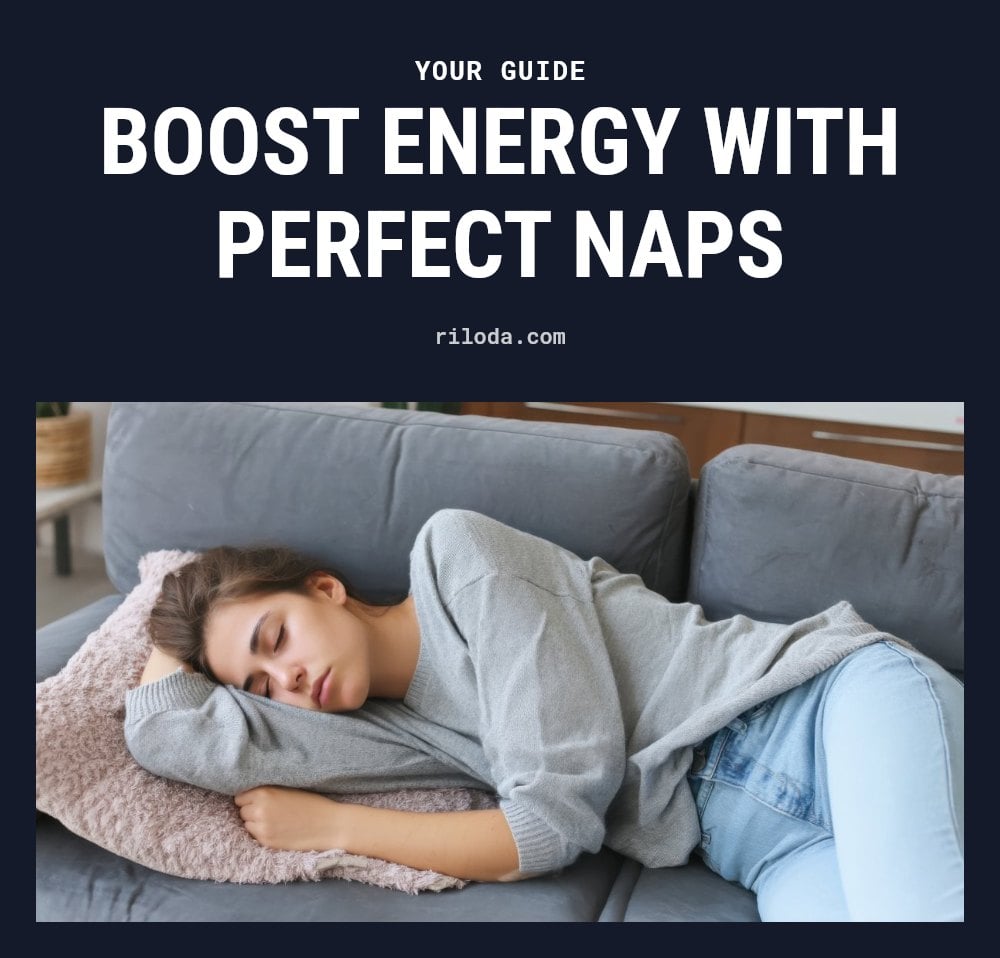
Feeling that mid-afternoon slump? You are not alone. A well-timed nap can be a game changer for your energy, focus, and mood, but only if you do it right. In this article, I’ll walk you through the essential napping tips: how long to nap, when to nap, and how to set up your environment for the best results.
Key Takeaways
- Keep naps short: 10-20 minutes to avoid sleep inertia.
- Nap between 1 PM and 3 PM to align with your natural dip.
- Create a dark, quiet, cool environment for better naps.
- Set an alarm so you don’t oversleep and wake groggy.
- Don’t rely on naps to replace a full night’s sleep.
The Secret to Better Naps
A great nap is short, timed right, and set up for success. Keep it to 10-20 minutes so you wake before deep sleep sets in, which avoids that groggy feeling called sleep inertia. Nap between 1 PM and 3 PM when your energy naturally dips. Make the room dark, quiet, and cool, or use an eye mask and earplugs to fake it.
1. Keep Naps Short and Sweet
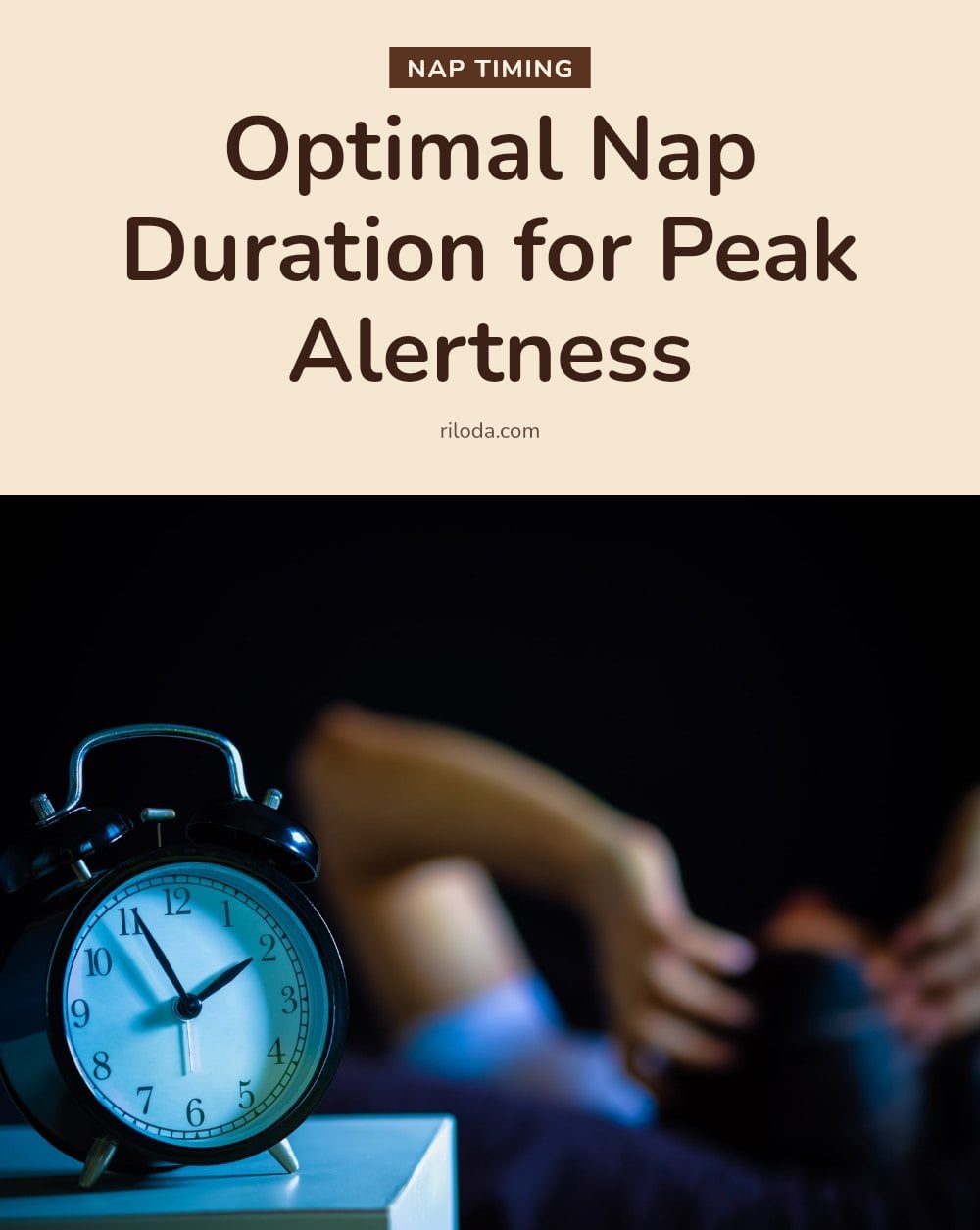
Aim for a power nap of 10-20 minutes. This length improves alertness and motor performance without letting you enter deep sleep.
Why it works: Naps longer than 30 minutes trigger sleep inertia, the groggy, disoriented feeling that defeats the purpose. Set an alarm: Timer on your phone set for 20 minutes max keeps you in the sweet spot.
2. Time Your Nap Right
The best time for a nap is between 1 PM and 3 PM. This window matches your body’s natural post-lunch dip in alertness, so falling asleep comes easier.
Why it matters: Napping too late, especially within a few hours of bedtime, can make it harder to fall asleep at night. My tip: If you miss the window, skip the nap and wait for your regular bedtime.
3. Create Your Nap Sanctuary
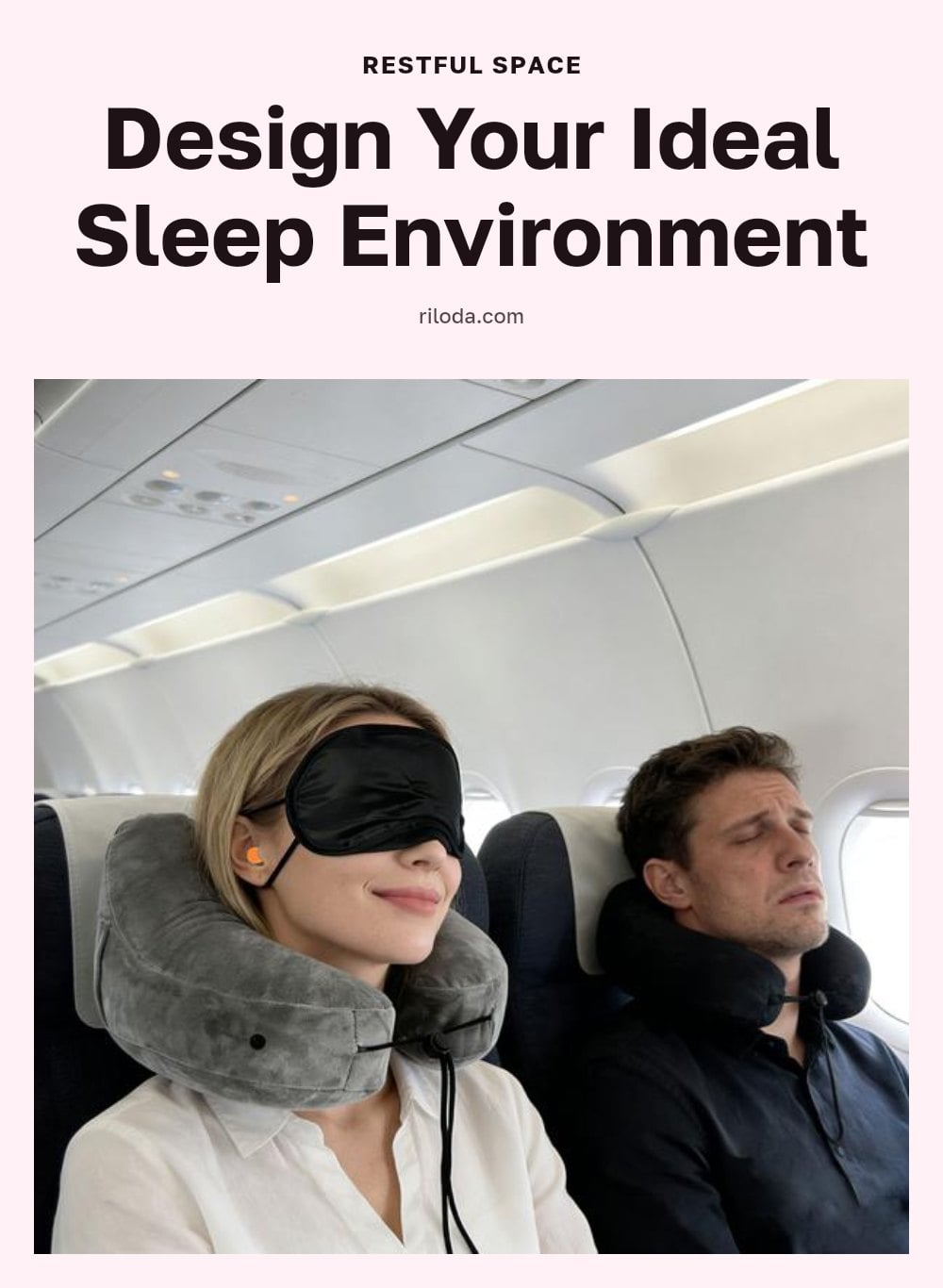
A dark, quiet, and cool environment signals your body it is time to rest, making naps more effective. Block light and noise: Use an eye mask and earplugs to cut distractions. Add comfort: A soft pillow and a light blanket help your body relax faster.
Keep the room slightly cool, around 65-70°F, which supports the natural drop in body temperature that happens as you fall asleep.
4. Consider a ‘Caffeine Nap’
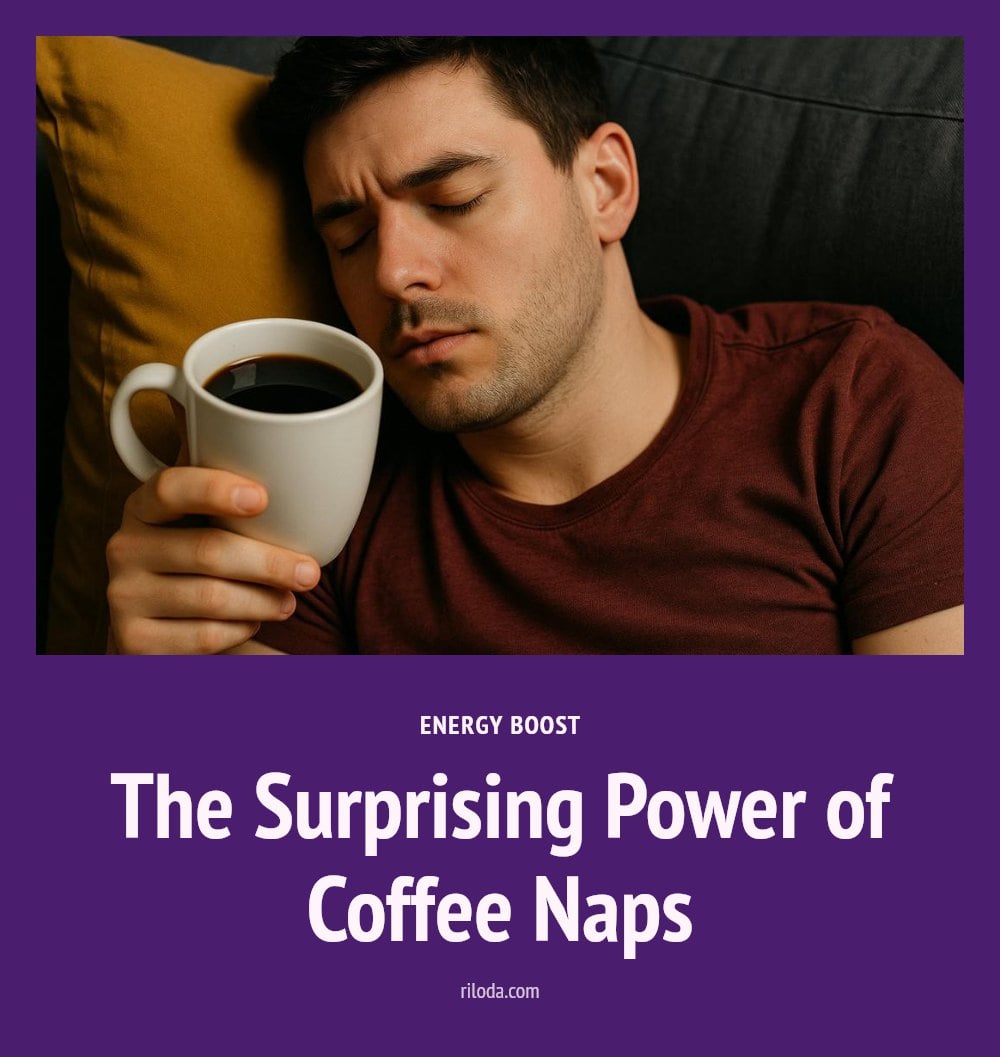
Drink coffee just before your nap: This is called a caffeine nap. Caffeine takes about 20-30 minutes to kick in, so a quick 10-20 minute power nap aligns perfectly with its onset. You wake up as the caffeine starts working, giving you a double boost of alertness and focus. Try it when you need sharp energy fast.
5. Know Your Nap Type
Not all naps serve the same purpose. A power nap (10-20 minutes) is for quick alertness and performance boosts without entering deep sleep. A recovery nap (60-90 minutes) allows you to complete a full sleep cycle, including slow-wave sleep, which can help compensate for sleep deprivation. Choose your length based on your goal.
6. Boost Cognitive Function
Even a short nap can sharpen your mind. Napping improves cognitive functions like memory, learning, and problem-solving. A well-timed power nap enhances mental clarity and focus, making it a useful tool when you are mentally fatigued. If your brain feels foggy, a quick rest may refresh your thinking.
7. Reduce Stress and Improve Mood
Napping may also support emotional well-being. Taking a short break from daily pressures allows your mind to reset, which can help reduce stress levels and improve your mood. Consider napping not just for physical energy but as a tool for emotional balance when you feel overwhelmed.
8. Be Consistent with Napping
Tip: If you find that napping helps you, try to nap at the same time each day. This consistency can help regulate your body’s internal clock, making it easier to fall asleep and wake up during your nap window. Over time, your body learns to expect rest at that hour, so you may fall asleep faster and wake more refreshed.
9. Don’t Force a Nap
If you are not feeling tired, do not force yourself to nap. Lying in bed when you are wide awake often leads to frustration and wasted time. Listen to your body’s signals instead. Naps are most beneficial when you genuinely need rest, so wait until you feel that natural dip in energy.
10. Napping Isn’t for Everyone
Good to know: Napping does not work the same way for everyone. Some people are natural nappers who wake up refreshed, while others are non-nappers who feel groggy or worse after a nap. If you consistently feel worse after napping, it may not be the right strategy for you. Pay attention to how your body responds and adjust accordingly.
11. Naps Aren’t a Sleep Substitute
A nap can boost your energy, but it is not a replacement for a full night of sleep. Chronic sleep deprivation has serious health effects that short naps cannot fix. Prioritize getting 7-9 hours of quality sleep each night for your overall well-being. Use naps as a supplement, not a substitute, for your nightly rest.
When to Talk to a Professional About Sleep
If you consistently feel the need to nap or experience excessive daytime sleepiness, it is worth talking to a healthcare professional. This could point to an underlying sleep disorder or another health condition that needs medical attention. A professional can help diagnose the issue and recommend appropriate treatments or lifestyle adjustments. Prioritize your sleep health by seeking guidance when your body signals that something may be off.
Frequently Asked Questions
Can naps replace a full night’s sleep?
No, naps cannot replace a full night’s sleep. Chronic sleep deprivation has serious health effects that short naps cannot fix. A nap can provide a temporary energy boost, but it does not offer the same restorative benefits as 7-9 hours of quality sleep. Prioritize your nighttime sleep and use naps only as a supplement.
What is a ‘caffeine nap’?
A caffeine nap is a strategy where you drink coffee right before a short nap, usually 10-20 minutes. Caffeine takes about 20-30 minutes to kick in, so the nap ends just as the caffeine starts to work. This can give you a double boost of alertness when you wake up.
How do I know if I’m a ‘napper’?
Some people are natural nappers who wake up refreshed and energized after a nap, while others are non-nappers who feel groggy or worse. If you consistently feel worse after napping, it may not be the right strategy for you. Listen to your body and see how you respond to a short, well-timed nap.
Can napping help with stress?
Yes, napping may help reduce stress and improve mood. Taking a short break from daily pressures allows your mind to reset, which can support emotional well-being. However, it’s not a cure-all, and if stress persists, consider other strategies or talk to a professional.
What if I wake up more tired after a nap?
Waking up groggy or more tired after a nap is often a sign of sleep inertia, which happens when you sleep longer than 30 minutes and enter deep sleep. To avoid this, keep your naps to 10-20 minutes and set an alarm. If you still feel worse, you might be a non-napper, and napping may not be for you.
Final Thoughts
Mastering the art of napping comes down to three things: keep it short, time it right, and make your environment comfortable. My tip: set an alarm every time you nap, even for 10 minutes, so you wake up refreshed, not groggy. Remember, naps are a supplement, not a substitute, for quality nighttime sleep. If you find that napping helps you, try to be consistent with the timing. And if you frequently feel exhausted during the day, it’s wise to talk to a healthcare professional.
This article is for general informational purposes only and is not a substitute for professional medical advice. If you consistently feel the need to nap or experience excessive daytime sleepiness, consult a healthcare professional to rule out underlying conditions. Always prioritize adequate nighttime sleep and listen to your body.
More Blog ideas
- How to Use Rose Water for Radiant Skin and Healthy Hair
- What Is My Personality Type? Understanding Yourself Better
- How to Clean Your Pores at Home
- Vitamin C Benefits for Skin and Health Plus the Best Foods
- How to Start Shadow Work for Deeper Self-Understanding
- How to Prep Your Hair Before Bleaching for Less Damage
- How to Prepare Sea Moss Gel at Home for Wellness
- How to Use Rice Water for Glowing Skin and Shiny Hair
- How to Find Morning Motivation When You Want to Stay in Bed
- Filing Nails: How to File Nails Correctly for Strong, Healthy Fingernails
- Healthy Coping Skills: Proven Strategies for Difficult Times
- Simple Ways to Romanticize Your Life Every Day