Menstrual Cycle Phases Explained: Your Body’s Monthly Rhythm
Demystify your menstrual cycle. Learn about the four phases, menstruation, follicular, ovulation, and luteal, and what your body is doing in each.

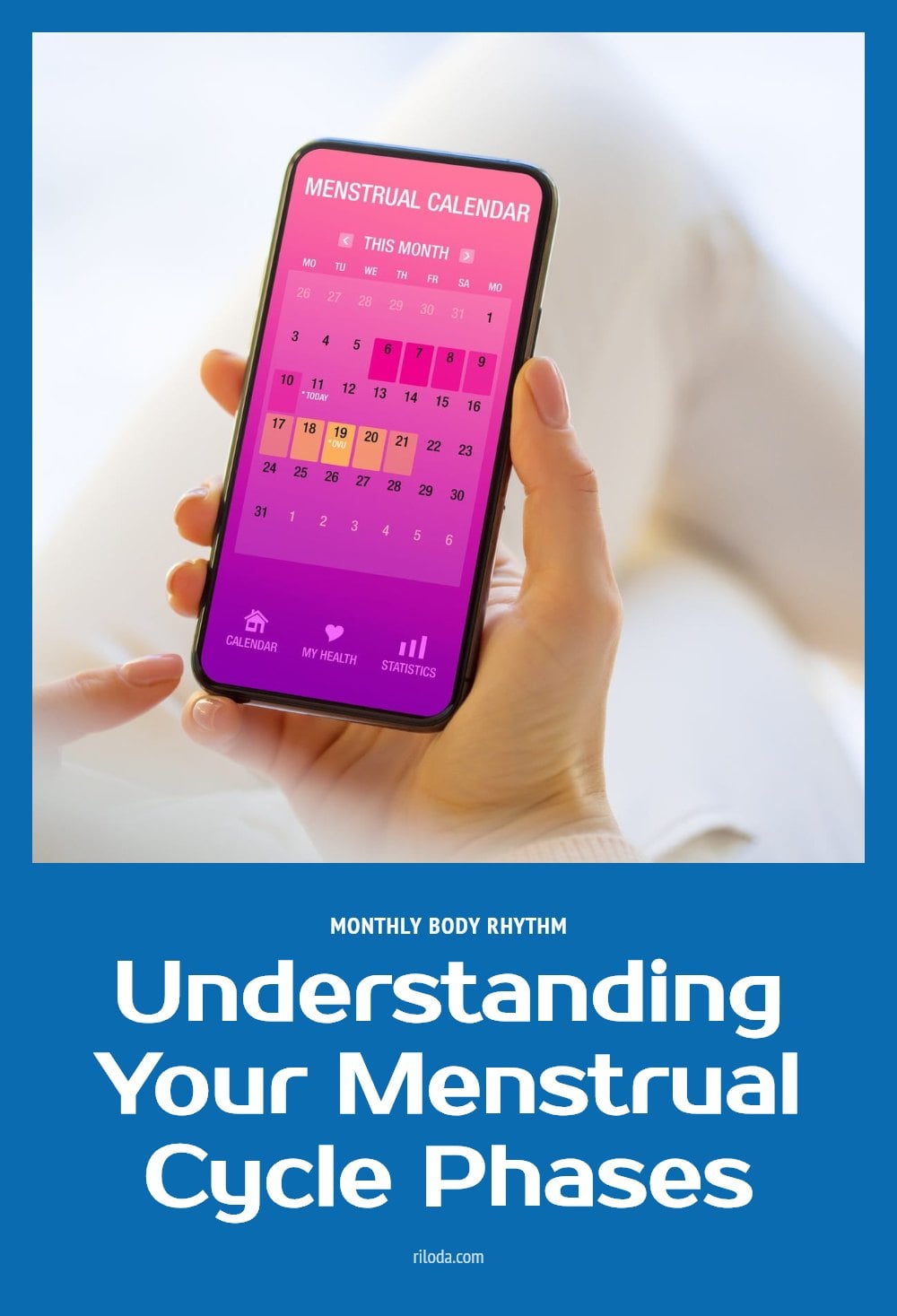
Your menstrual cycle is more than just your period. It is a monthly rhythm of hormonal shifts that prepare your body for a potential pregnancy. Understanding the four phases can help you make sense of your energy, mood, and fertility throughout the month. This article breaks down each phase in plain language, clears up common myths, and offers practical tips for tracking your cycle.
Key Takeaways
- The menstrual cycle is counted from the first day of your period, not from when bleeding ends.
- A typical cycle lasts 21 to 35 days, with an average of 28 days.
- Ovulation usually occurs around day 14 of a 28-day cycle, and the egg is fertile for only 12 to 24 hours.
- The luteal phase lasts 11 to 17 days and ends with your next period if pregnancy does not occur.
- Track your cycle length and symptoms to spot patterns, and see a doctor if cycles are consistently shorter than 21 days or longer than 35 days.
What Are the Menstrual Cycle Phases?
The menstrual cycle is a natural process that prepares your body for potential pregnancy. It typically lasts between 21 and 35 days. The cycle is divided into four main phases: menstruation, the follicular phase, ovulation, and the luteal phase. Each phase involves specific hormonal changes that govern the shedding and rebuilding of the uterine lining, as well as egg release.
Understanding Your Entire Menstrual Cycle
The menstrual cycle is counted from the first day of menstruation, not from when bleeding ends. The average cycle is 28 days, but anywhere from 21 to 35 days is typical. Your cycle length can even vary from month to month.
Four key hormones drive the entire process: follicle-stimulating hormone (FSH), luteinizing hormone (LH), estrogen, and progesterone. FSH and LH are released by the pituitary gland and control the ovaries. Estrogen and progesterone come from the ovaries and prepare the uterine lining. Their rising and falling levels orchestrate each phase, from shedding to rebuilding.
Understanding that your cycle is a continuous loop, not just a period, helps you interpret symptoms like mood changes or energy dips. Tracking your own pattern is more useful than comparing to an average.
1. Phase 1: Menstruation (Your Period)
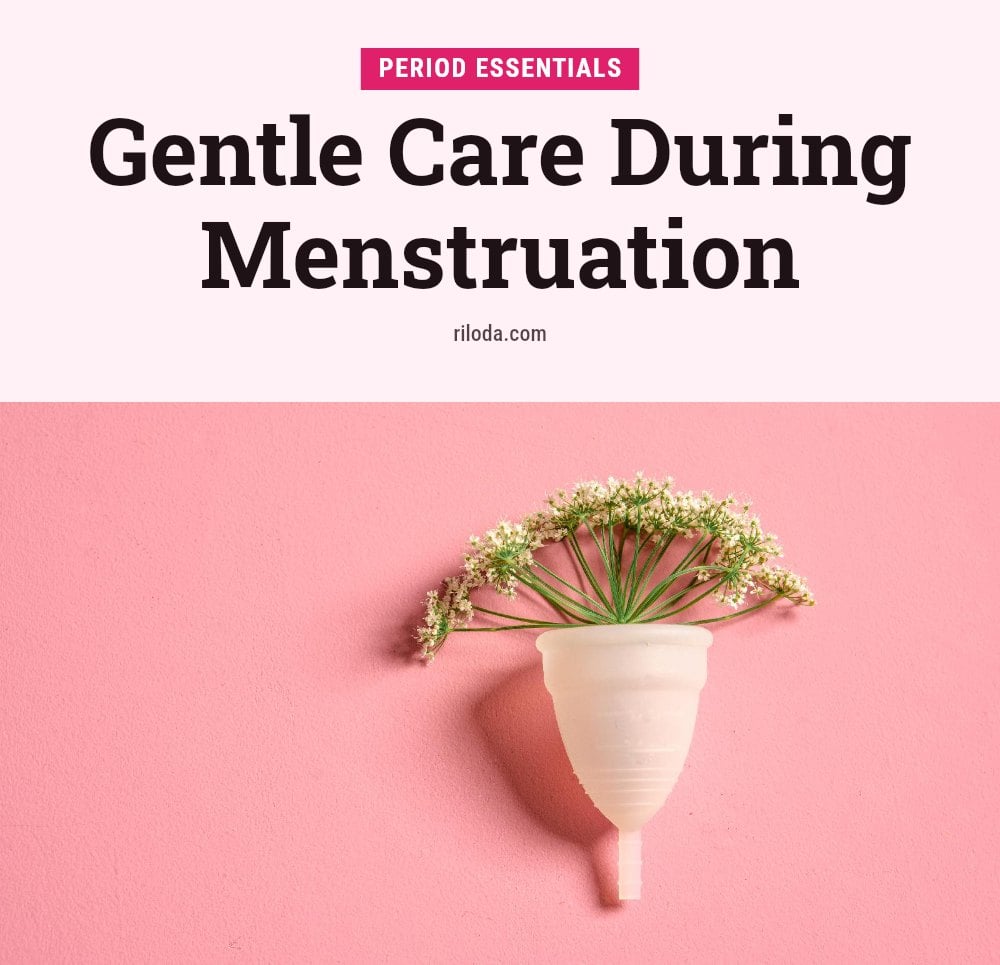
The menstrual phase is the shedding of the uterine lining, commonly known as your period. It typically lasts 3 to 7 days. This phase marks the beginning of a new cycle. Hormone levels, specifically estrogen and progesterone, are at their lowest during this time, which triggers the shedding. My tip: use a period tracking app to log your start and end dates. It helps you spot patterns over time.
2. Phase 2: The Follicular Phase
The follicular phase starts on day 1 of your period and overlaps with menstruation, continuing until ovulation. During this phase, FSH stimulates follicles in your ovaries to mature. As the follicles grow, estrogen levels rise, causing the uterine lining to thicken again. This phase can vary most in length among individuals, which is why cycle lengths differ. Good to know: a longer follicular phase often means a longer overall cycle.
3. Phase 3: Ovulation
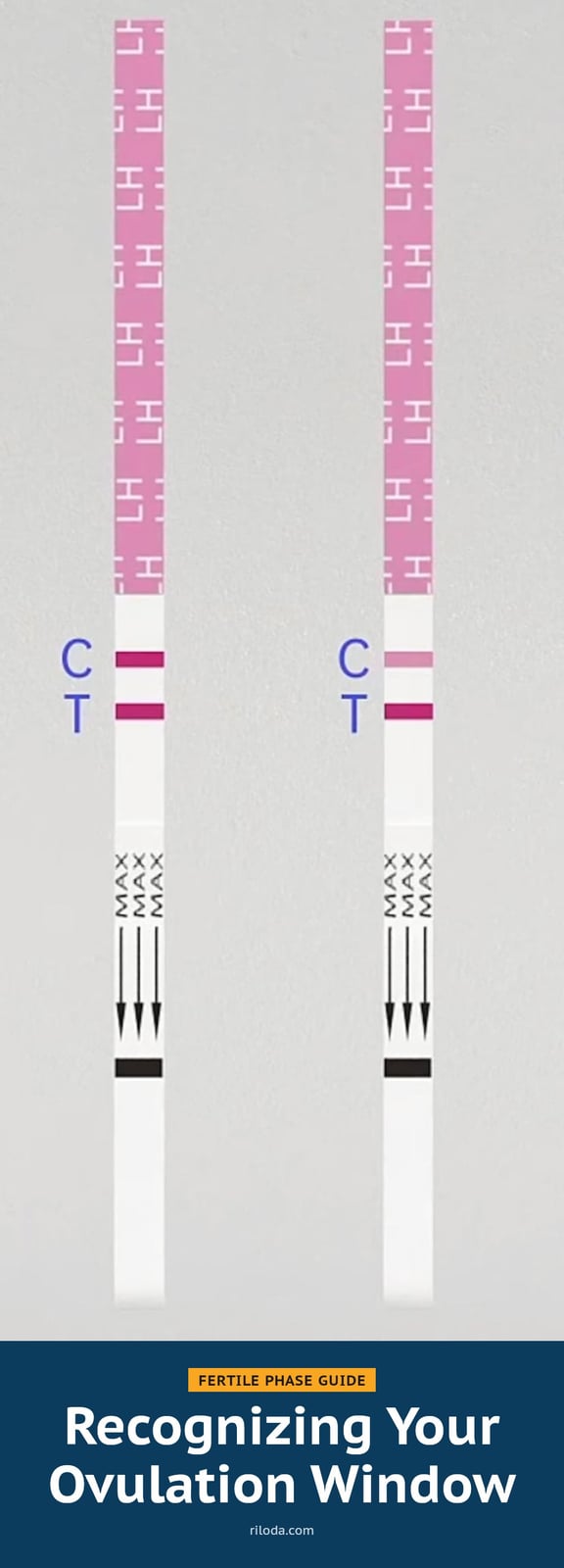
Ovulation is the release of a mature egg from your ovary, triggered by a surge in luteinizing hormone (LH). This typically happens around the middle of your cycle, for a 28-day cycle, that is day 14. The egg is viable for fertilization for only 12 to 24 hours after release, which makes this your most fertile window.
My tip: If you are trying to conceive, have intercourse in the days leading up to ovulation. Sperm can survive in your reproductive tract for several days, so the fertile window includes the five days before ovulation.
4. Phase 4: The Luteal Phase
The luteal phase begins right after ovulation and lasts until your next period, typically 11 to 17 days. During this phase, the ruptured follicle transforms into the corpus luteum, which produces progesterone. Progesterone prepares the uterine lining for potential implantation of a fertilized egg.
If pregnancy does not occur, the corpus luteum degenerates, causing progesterone and estrogen levels to drop. This drop triggers the shedding of the uterine lining, starting menstruation and a new cycle. A short luteal phase (under 10 days) may make it harder to sustain a pregnancy.
Tools for Tracking Your Cycle
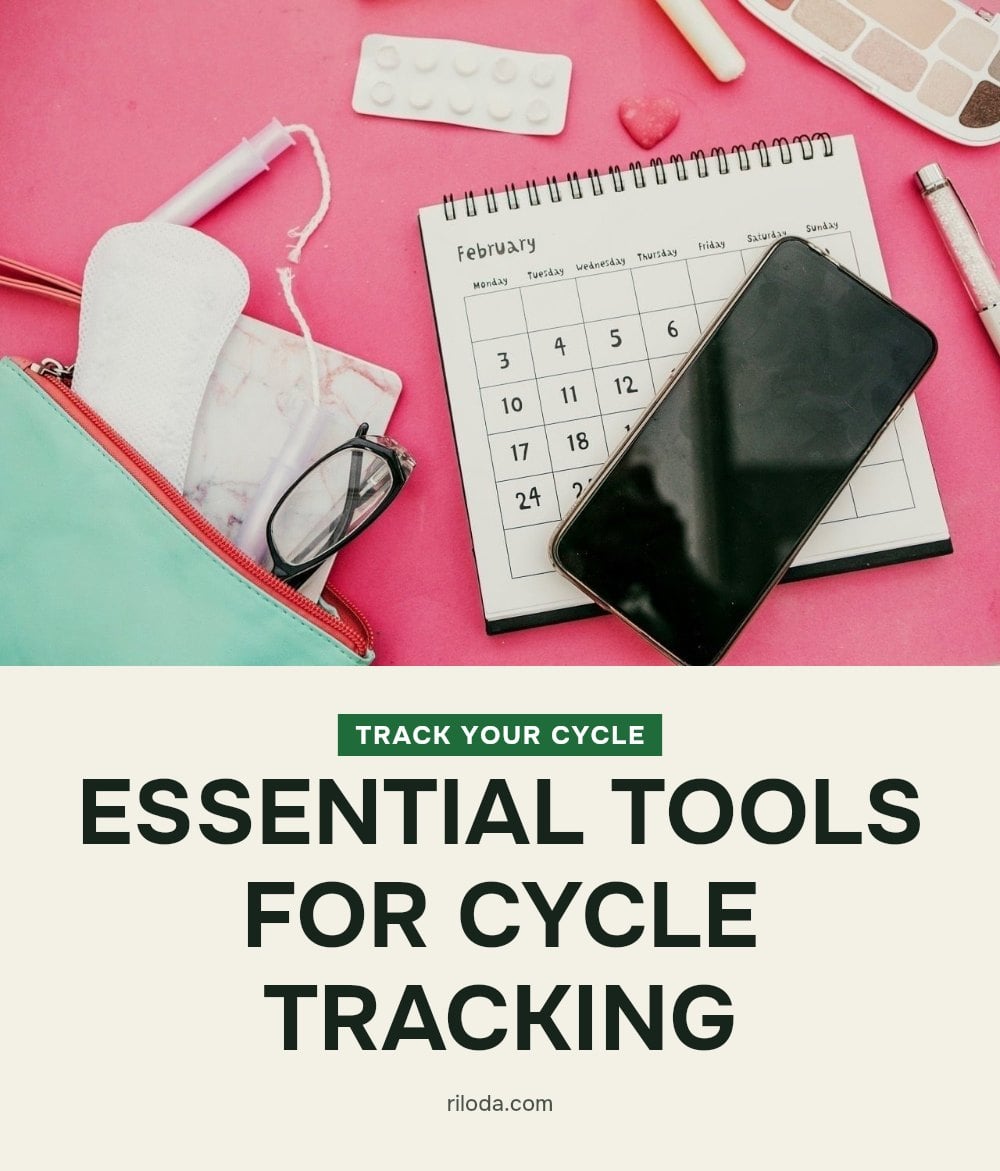
Tracking your cycle can help you understand your body’s patterns and identify your fertile window. Here are the most common tools:
- Menstrual calendar or app: Logs period start and end dates, symptoms, and cycle length. Useful for spotting irregularities over time.
- Basal body thermometer (BBT): Measures your resting temperature first thing in the morning. A sustained temperature shift indicates ovulation has occurred.
- Ovulation predictor kits (OPKs): Detect the LH surge that happens 24 to 36 hours before ovulation. Helps time intercourse for conception.
Common Misconceptions About Your Cycle
Many common beliefs about the menstrual cycle are misleading. Here are the facts:
- Not all cycles are 28 days: Cycle length varies from 21 to 35 days. Don’t assume yours is ‘average’ or that you ovulate on day 14.
- Your period is just one phase: The menstrual cycle includes four phases, not just bleeding. The other three phases matter for fertility and health.
- Fertility window is more than one day: Sperm can survive for up to five days, so you can conceive from intercourse that happens before ovulation.
- Ignoring irregularities: Don’t dismiss significant changes in cycle length, pain, or flow. They can be signs of underlying health issues that need a doctor’s attention.
Tips for Understanding and Managing Your Cycle
Track consistently: Log your cycle length, period dates, and symptoms each month. Over time, you will see your own patterns emerge, which helps with planning and noticing changes.
Observe cervical mucus: Changes in texture and color can be a key indicator of ovulation and fertility. Clear, stretchy mucus often means you are approaching your fertile window.
Maintain a healthy lifestyle: Balanced nutrition and regular exercise can positively impact cycle regularity. Aim for consistent sleep and stress management too.
Consider fertility awareness methods: If trying to conceive or avoid pregnancy, learn these methods properly from a qualified instructor. They combine tracking multiple signs for accuracy.
When to Consult a Healthcare Professional
Cycle length issues: Consult a doctor if your cycles are consistently shorter than 21 days or longer than 35 days. This can indicate hormonal imbalances.
Pain or bleeding concerns: Seek medical advice for severe pain, unusually heavy bleeding, or sudden cycle irregularities. These may need professional evaluation.
Missed periods or changes: If you experience missed periods when not pregnant, or any unexplained changes in symptoms, talk to a healthcare provider.
Fertility struggles: If trying to conceive for a year without success (or six months if over 35), consult a fertility specialist for guidance.
Frequently Asked Questions
How long does each menstrual cycle phase typically last?
Menstruation typically lasts 3 to 7 days. The follicular phase starts on day 1 of your period and continues until ovulation, so its length varies. Ovulation itself lasts about 12 to 24 hours. The luteal phase is the most consistent, usually lasting 11 to 17 days, ending when your next period begins.
Can stress affect my menstrual cycle phases?
Yes, stress can impact your cycle. High stress levels may delay ovulation or cause your period to be late. This happens because stress hormones can interfere with the hormonal signals that regulate your cycle. If you notice a pattern of irregular cycles during stressful periods, it may help to practice relaxation techniques, but talk to a doctor if irregularities persist.
What is the difference between the follicular phase and the luteal phase?
The follicular phase begins on day 1 of your period and ends with ovulation. During this phase, FSH stimulates follicles in your ovaries to mature, and estrogen rises, thickening the uterine lining. The luteal phase starts after ovulation and lasts until your next period. During this phase, the corpus luteum produces progesterone, which prepares the uterus for implantation. If pregnancy does not occur, hormone levels drop and menstruation begins.
How do I know when I am ovulating?
Common signs of ovulation include a change in cervical mucus to a clear, stretchy consistency, a slight rise in basal body temperature, and sometimes mild lower abdominal pain. Ovulation predictor kits that detect the LH surge can also help. For a 28-day cycle, ovulation typically occurs around day 14, but your own cycle may differ. Tracking these signs over several months can help you identify your personal pattern.
Is it normal for my cycle length to vary?
Yes, it is normal for cycle length to vary from month to month. While the average cycle is 28 days, cycles between 21 and 35 days are considered typical. Many people experience occasional variation due to stress, illness, travel, or lifestyle changes. However, if your cycles are consistently shorter than 21 days or longer than 35 days, it is a good idea to consult a healthcare professional.
Final Thoughts
My tip is to track your cycle for at least three months to see your own patterns. You may notice that your cycle length, ovulation day, and symptoms vary from month to month, and that is normal for many people. If you experience severe pain, unusually heavy bleeding, or cycles that suddenly become irregular, it is wise to check in with a healthcare professional.
This article is for informational purposes only and does not constitute medical advice. Every person’s body is different, and cycle variations are common. If you have concerns about your menstrual health, severe pain, or irregular cycles, please consult a healthcare professional for personalized guidance.
More Blog ideas
- How to Use Rose Water for Radiant Skin and Healthy Hair
- What Is My Personality Type? Understanding Yourself Better
- How to Clean Your Pores at Home
- Vitamin C Benefits for Skin and Health Plus the Best Foods
- How to Start Shadow Work for Deeper Self-Understanding
- How to Prep Your Hair Before Bleaching for Less Damage
- How to Prepare Sea Moss Gel at Home for Wellness
- How to Use Rice Water for Glowing Skin and Shiny Hair
- How to Find Morning Motivation When You Want to Stay in Bed
- Filing Nails: How to File Nails Correctly for Strong, Healthy Fingernails
- Healthy Coping Skills: Proven Strategies for Difficult Times
- Simple Ways to Romanticize Your Life Every Day