Managing Your High Sensitivity for a Better Life
Learn how to manage your sensitivity as a Highly Sensitive Person (HSP). Discover strategies to reduce overwhelm and embrace your unique strengths.


Do you often feel overwhelmed by bright lights, loud noises, or strong emotions, even when others seem unfazed? You might be a Highly Sensitive Person (HSP), a trait shared by about 15-20 percent of people. This article covers practical strategies to manage daily life with high sensitivity, from setting boundaries to using sensory tools, so you can thrive without feeling drained.
Key Takeaways
- Identify your specific triggers by keeping a journal for a week or two.
- Schedule 15-30 minutes of alone time daily or weekly as non-negotiable downtime.
- Create a low-stimulus sanctuary at home with dimmers and soft fabrics.
- Set clear boundaries by saying no without guilt or over-explaining.
- Use sensory tools like noise-canceling headphones or a silk sleep mask when overwhelmed.
What It Means to Be a Highly Sensitive Person
Being a Highly Sensitive Person (HSP) is an innate personality trait, not a disorder. It affects about 15-20 percent of the population and involves deeper processing of physical, emotional, and social stimuli. This often leads to feeling overwhelmed more easily, but it also fosters empathy, creativity, and a rich inner world. The acronym DOES (Depth of processing, Overstimulation, Emotional responsiveness/empathy, Sensory sensitivity) captures the core characteristics. HSPs often have a more active insula, the brain region involved in awareness and emotion. While many HSPs are introverts, about 30 percent are extroverts. Understanding this trait is the first step to managing it effectively.
1. Understand Your Triggers
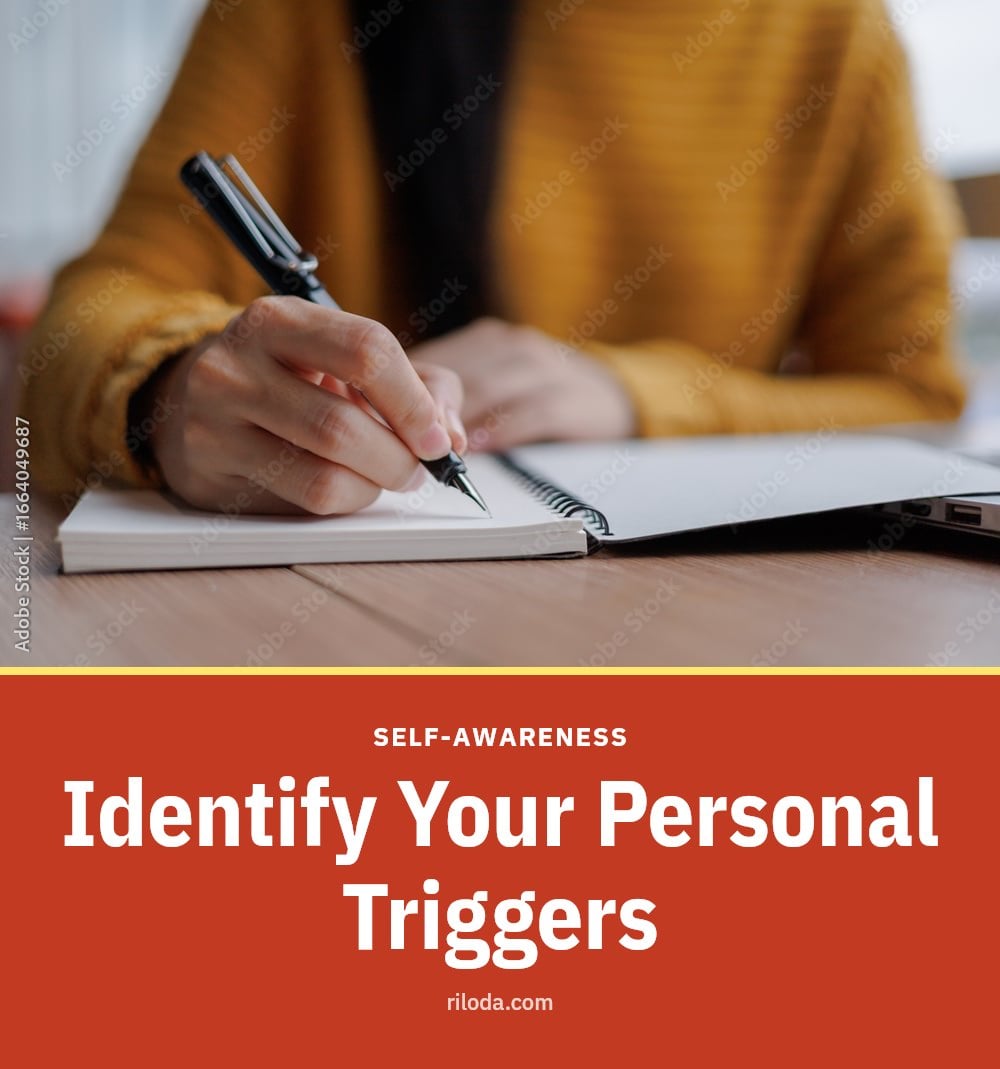
Start by identifying the specific situations, environments, or interactions that leave you feeling overstimulated or overwhelmed. Knowing your triggers is the first step to managing them. Keep a journal for a week or two and note:
- Time of day: When do you feel most drained?
- Environment: Was it noisy, bright, crowded, or smelly?
- Social setting: Was it a large group, a deep conversation, or a conflict?
- Physical state: Were you tired, hungry, or thirsty beforehand?
Patterns will emerge. Once you recognize your triggers, you can plan around them or reduce their impact. For example, if grocery stores overwhelm you, try going early in the morning or using a delivery service. My tip: Revisit your journal monthly to catch new triggers as your life changes.
2. Prioritize Regular Downtime
HSPs need more solitude to recover from sensory and emotional input than non-HSPs do. Schedule alone time daily or weekly, especially after stimulating events like parties, travel, or heavy workdays. Treat this downtime as non-negotiable, like a doctor’s appointment. Even 15 to 30 minutes of quiet, uninterrupted time can help your nervous system reset. Use this period for low-stimulus activities: reading, stretching, sitting in a dim room, or simply doing nothing. Avoid screens during this time, as they continue to provide input. Caution: If you skip your scheduled downtime, you will likely feel more irritable and overwhelmed later.
3. Create a Sanctuary Space

Designate a comfortable, low-stimulus area in your home where you can retreat when you feel overstimulated. This space should be free from harsh lights, loud noises, and strong smells. Start with these elements:
- Lighting: Use dimmers, warm light bulbs, or blackout curtains to control brightness.
- Sound: Keep it quiet, or use a white noise machine or nature sounds.
- Seating: Choose a soft chair, floor cushions, or a beanbag for comfort.
- Touch: Add a soft blanket, a weighted blanket, or fabrics you find soothing.
Aim for minimal visual clutter. A single plant, a small stack of books, or a piece of calming art is enough. This sanctuary gives your brain a clear signal that it is safe to relax. Pro move: Keep noise-canceling headphones and an eye mask in this space so you can block out input instantly.
4. Set Clear Boundaries
Say no without guilt: HSPs often feel obligated to say yes, but every yes drains energy you need for yourself. Practice saying, “I can’t take that on right now,” without over-explaining. Your time is yours to protect.
Communicate your needs clearly: Tell friends and family what you require, like a quiet exit plan from parties or heads-up before loud events. Most people will respect a direct, calm request. You don’t need to apologize for your limits.
5. Practice Mindfulness and Meditation
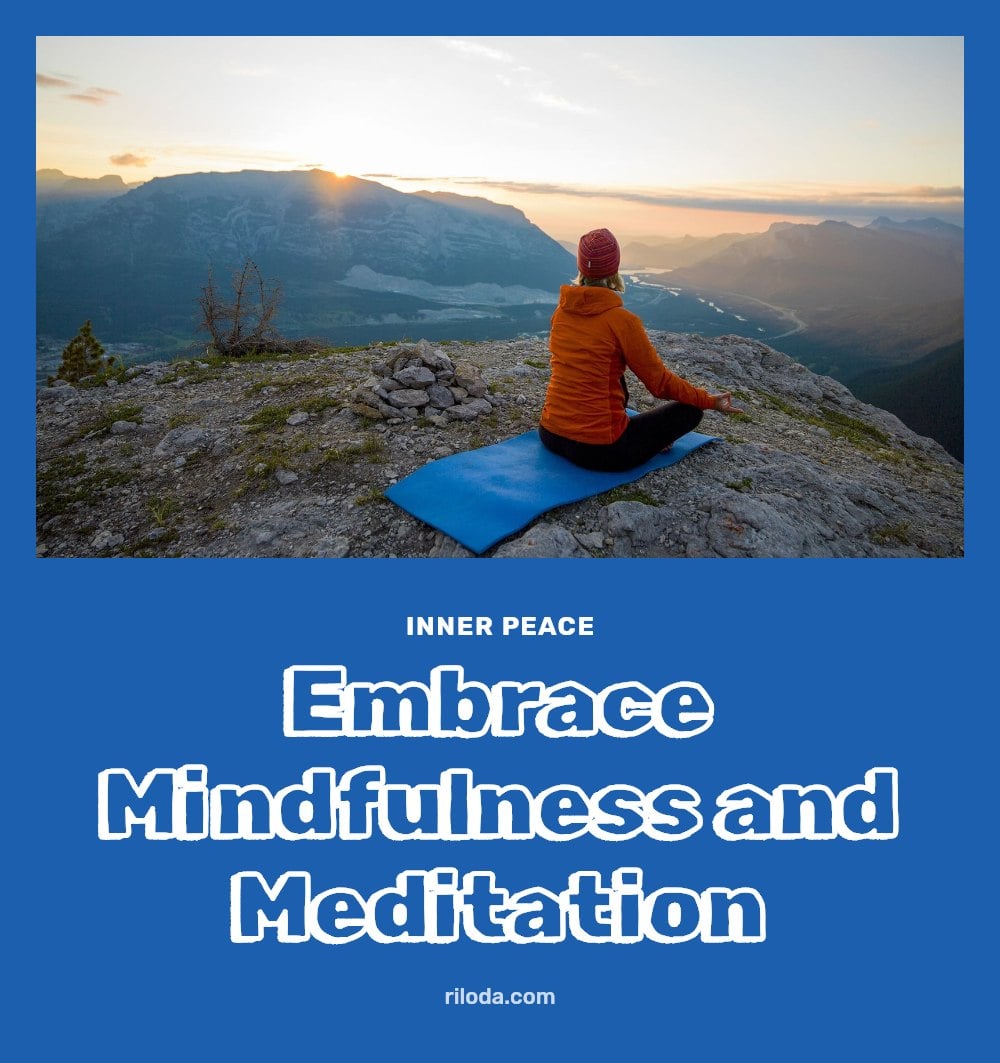
Start small with mindfulness: You don’t need an hour of meditation. Try three minutes of focused breathing when you wake up or during a work break. The goal is to notice your senses without reacting.
Use a body scan to ground yourself: When you feel overwhelmed, mentally scan from your toes to your scalp. This pulls your attention away from racing thoughts and into your body. Even 60 seconds can quiet an overactive mind.
6. Engage in Creative Outlets
Turn your depth into art: HSPs process the world more intensely, which fuels creativity. Write in a journal, paint abstract shapes, or play a simple instrument. The act itself matters more than the result.
Use creativity to release emotions: When words feel stuck, try drawing or collaging. Creative outlets give your rich inner world a way out, reducing the pressure of holding everything inside. No skill is required.
7. Choose Supportive Relationships
Look for people who get it: Not everyone will understand why you need quiet or why you feel things deeply. Seek friends who listen without judgment and don’t try to “fix” your sensitivity. They exist.
Prioritize quality over quantity: A few close, supportive relationships beat a large social circle. Choose people who respect your need for downtime and enjoy deep conversations. Your energy is better spent there.
8. Utilize Sensory Tools
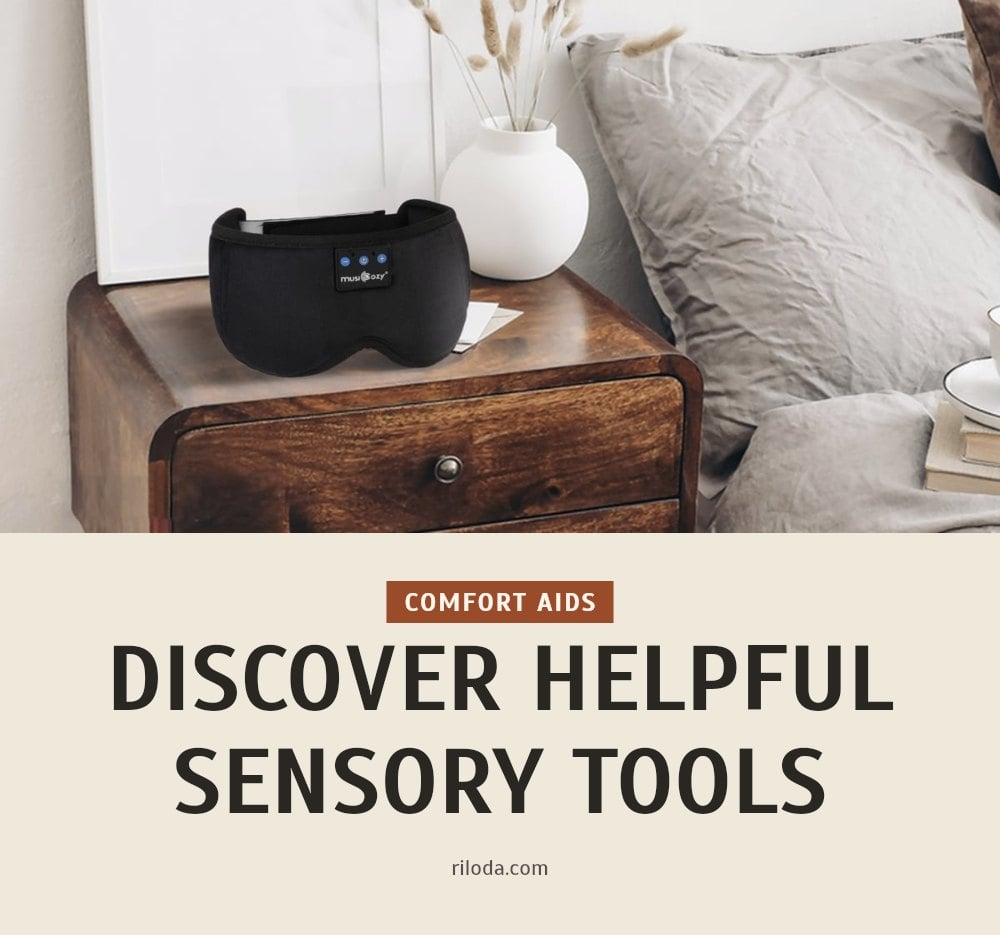
Keep a sensory relief kit within reach. I stash noise-canceling headphones, a silk sleep mask, and a soft cotton hoodie in my go-bag. They block sound, light, and scratchy textures instantly. My tip: swap harsh overhead bulbs for dimmable warm lights. A mild lavender diffuser can also signal your brain that it is safe to calm down.
9. Connect with Nature
Step outside for five minutes, even if it is just your balcony or a quiet street. Nature lowers cortisol and pulls your focus away from internal noise. HSPs often feel a mental reset after a short walk in a park. The rhythm of walking and the green space help your nervous system settle without extra effort.
10. Plan for Transitions
Map out your day before high-stimulus events. If you have a party or a busy travel day, block 20 minutes of silence before and after. Pro move: set a phone reminder to pause and breathe between meetings. Extra time between activities prevents that rushed, frayed feeling that triggers overwhelm.
11. Prioritize Self-Care Basics
Your nervous system runs on sleep, steady meals, and gentle movement. Aim for seven to nine hours of sleep per night and eat protein and vegetables at regular intervals. A 15-minute walk or gentle yoga session stabilizes your mood more than intense workouts. Caution: skipping meals or sleep makes you react more strongly to every stimulus.
When to Seek Professional Support
If overwhelm, anxiety, or depression starts to interfere with your daily life, reach out to a mental health professional. High sensitivity can sometimes be mistaken for conditions like anxiety disorders or ADHD, so a proper evaluation matters. Caution: Avoid self-medicating with alcohol or other substances. A therapist can give you personalized strategies and support that fit your trait, not try to change it.
Frequently Asked Questions
Is being highly sensitive a disorder?
No, being a Highly Sensitive Person is not a disorder. It is an innate personality trait characterized by deeper processing of stimuli. However, it can sometimes be mistaken for conditions like anxiety disorders or ADHD, so if symptoms interfere with daily life, consult a mental health professional for a proper evaluation.
Can HSPs be extroverts?
Yes, about 30 percent of HSPs are extroverts. While high sensitivity is often associated with introversion, many HSPs enjoy social interaction but need downtime afterward to recharge. If you are an extroverted HSP, plan for quiet breaks after social events to avoid overstimulation.
How do I explain my sensitivity to others?
Keep it simple and focus on your needs. For example, say, “I process things deeply, so I need quiet time to recharge.” Avoid over-explaining or apologizing. If someone still does not understand, seek supportive friends who listen without judgment, as mentioned in the article.
What are the benefits of being an HSP?
HSPs often have deep empathy, creativity, and intuition. They notice details others miss and can be more conscientious, which helps in creative fields or close relationships. Engaging in creative outlets or connecting with nature can help you leverage these strengths.
How can I stop feeling overwhelmed so often?
Start by identifying your triggers through journaling and then use strategies from the article: schedule regular downtime, create a sanctuary space, and set boundaries. If overwhelm persists or becomes debilitating, seek professional support to rule out other conditions.
Final Thoughts
Start with one small change, like adding five minutes of silence before a busy day or swapping a harsh light for a warm bulb. Managing sensitivity is an ongoing process, so expect to adjust your strategies as you learn what works for you. With consistent practice, you can turn your depth into a strength and feel more at ease in your own skin.
This article is for general informational purposes only and does not constitute medical or professional advice. If you experience persistent overwhelm, anxiety, or depression that interferes with daily life, consult a mental health professional for personalized guidance.
More Blog ideas
- How to Use Rose Water for Radiant Skin and Healthy Hair
- What Is My Personality Type? Understanding Yourself Better
- How to Clean Your Pores at Home
- Vitamin C Benefits for Skin and Health Plus the Best Foods
- How to Start Shadow Work for Deeper Self-Understanding
- How to Prep Your Hair Before Bleaching for Less Damage
- How to Prepare Sea Moss Gel at Home for Wellness
- How to Use Rice Water for Glowing Skin and Shiny Hair
- How to Find Morning Motivation When You Want to Stay in Bed
- Filing Nails: How to File Nails Correctly for Strong, Healthy Fingernails
- Healthy Coping Skills: Proven Strategies for Difficult Times
- Simple Ways to Romanticize Your Life Every Day