How to Start Losing Weight: Easy Tips that Actually Work
Ready to start losing weight? Discover easy, sustainable tips for effective and healthy weight loss, focusing on long-term results.


Starting a weight loss journey can feel overwhelming with so much advice out there. The truth is, it doesn’t have to be complicated. This article breaks down the simple, science-backed steps that actually work, from creating a calorie deficit to building habits that last.
Whether you’re just beginning or looking to get back on track, I’ll share practical tips to help you lose weight safely and sustainably. Let’s cut through the noise and focus on what really matters.
Key Takeaways
- Create a calorie deficit of 300-500 calories per day for safe weight loss of 1-2 pounds per week.
- Prioritize protein and fiber in your meals to stay full and preserve muscle mass.
- Combine cardio with strength training to burn calories and boost your metabolism.
- Get 7-9 hours of quality sleep each night to help regulate appetite hormones.
- Track your food intake for a few days to become aware of your actual calorie consumption.
The Core Secret to Sustainable Weight Loss
The core secret to losing weight is creating a calorie deficit: you consistently consume fewer calories than your body burns. Sustainable weight loss happens gradually, typically at a rate of 1-2 pounds per week, through a combination of dietary changes and increased physical activity. It’s about making long-term lifestyle adjustments you can maintain, not following temporary restrictive diets that leave you feeling deprived.
Essential Tools for Your Weight Loss Journey

Having the right tools on hand can make a real difference in staying on track. Here are the essentials I recommend for your weight loss journey:
- Kitchen scale: Helps you accurately measure food portions so you know exactly what you’re eating.
- Measuring cups and spoons: Ensure precise amounts of ingredients, especially for calorie-dense items like oils and nuts.
- Water bottle: Keeps hydration top of mind throughout the day, which supports metabolism and can curb false hunger.
- Comfortable exercise clothing and shoes: Vital for staying active without discomfort or risk of injury.
- Journal or tracking app: Lets you monitor food intake and exercise progress, increasing awareness of your habits.
Your Step-by-Step Guide to Losing Weight Safely
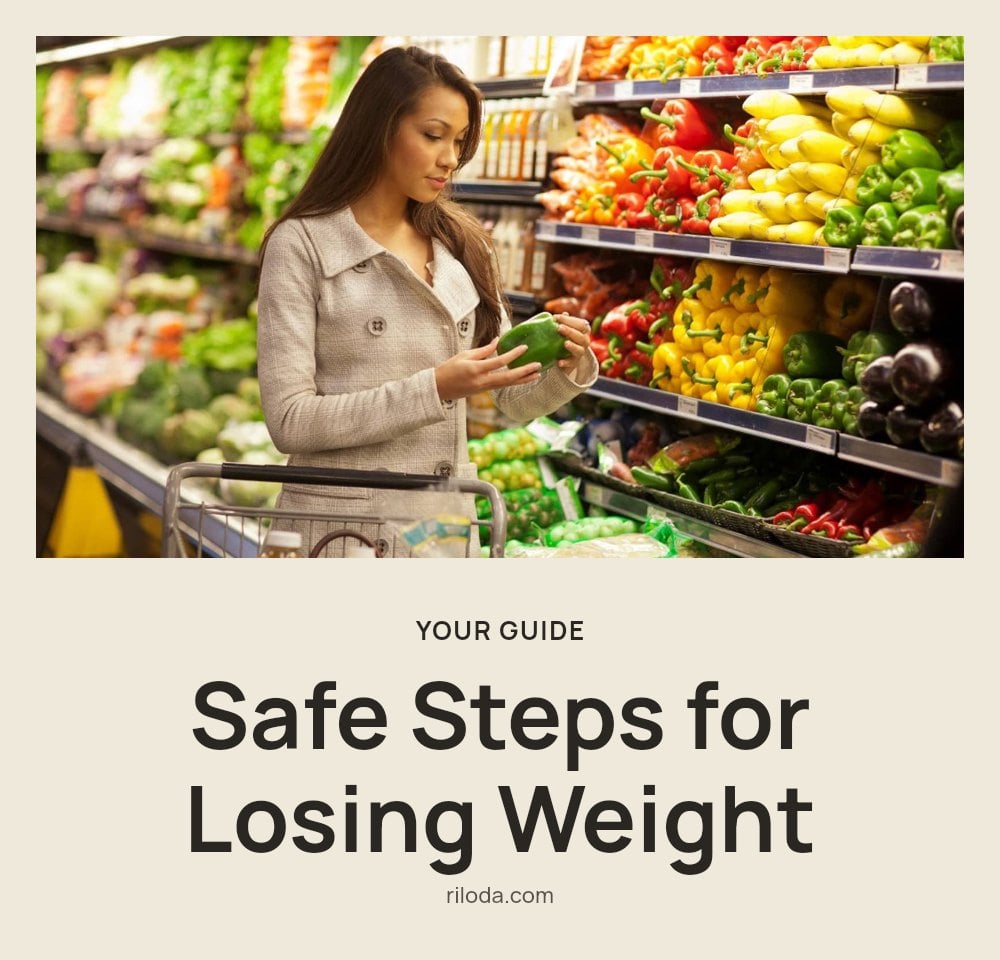
Following a safe, structured approach can help you lose weight without harming your health. Here are the steps I usually take:
- Understand your calorie needs: Calculate your maintenance calories using a reliable online calculator, then create a moderate deficit of 300-500 calories per day. This supports steady fat loss without triggering starvation mode.
- Prioritize whole, nutrient-dense foods: Fill your plate with lean proteins (chicken, fish, tofu), fruits, vegetables, and whole grains (quinoa, oats, brown rice). These foods are naturally lower in calories and higher in fiber and protein, which keep you full longer.
- Increase daily physical activity: Combine cardiovascular exercise (walking, cycling, swimming) with strength training (weights, resistance bands, bodyweight exercises) at least 3-4 times per week. Cardio burns calories during the workout, while strength training builds muscle that boosts your resting metabolism.
- Get adequate sleep: Aim for 7-9 hours of quality sleep each night. Poor sleep disrupts hunger hormones like ghrelin and leptin, making it harder to control appetite and stick to your plan.
- Practice mindful eating: Eat slowly, savor each bite, and stop when you feel satisfied, not stuffed. Pay attention to true hunger cues versus emotional triggers. This simple habit can prevent overeating without strict rules.
For personalized guidance, especially if you have underlying health conditions, consult a registered dietitian or healthcare provider before starting any new plan.
Why a Calorie Deficit Is Key for Weight Loss
Weight loss boils down to one biological principle: you must consume fewer calories than your body burns. This is called a calorie deficit, and it’s the only way your body taps into stored fat for energy.
One pound of body fat is roughly equivalent to 3,500 calories. So a consistent daily deficit of 500 calories should lead to about one pound of fat loss per week. This gradual pace is both safe and sustainable.
How to make a deficit easier
- Increase protein and fiber: Both nutrients promote satiety, meaning you feel fuller for longer on fewer calories. Good sources include lean meats, eggs, beans, lentils, vegetables, and whole grains.
- Add regular physical activity: Exercise burns extra calories and helps preserve muscle mass. Muscle tissue is metabolically active, meaning it burns more calories at rest than fat does. This makes maintaining a deficit easier over time.
Common Weight Loss Mistakes to Avoid
Underestimating Calorie Intake: Most people eat more than they realize. My tip: track your food with an app or journal for a few days to see your real intake.
Neglecting Strength Training: Cardio alone can burn muscle, which slows your metabolism. My tip: add strength training twice a week to preserve muscle and keep burning calories.
Expecting Rapid Results: Losing 1-2 pounds per week is healthy and sustainable. My tip: celebrate non-scale victories like better energy or looser clothes.
Ignoring Sleep: Poor sleep disrupts ghrelin and leptin, hormones that control hunger. My tip: aim for 7-9 hours of quality sleep each night.
Extreme Restriction: Cutting calories too low can cause nutrient deficiencies and a slower metabolism. My tip: create a moderate deficit of 300-500 calories per day.
Smart Habits to Support Your Weight Loss Goals

Stay Hydrated: Thirst often feels like hunger. My tip: drink a glass of water before you reach for a snack.
Plan Meals Ahead: Impulsive choices are easier to avoid with a plan. My tip: dedicate an hour each week to prep ingredients or outline meals.
Increase NEAT: Non-exercise activity adds up over a day. My tip: take the stairs, park farther from the store, or walk during phone calls.
Manage Stress: High cortisol can encourage fat storage, especially around the belly. My tip: try meditation, deep breathing, or gentle yoga for 10 minutes.
Track Progress Beyond the Scale: The number on the scale isn’t everything. My tip: measure your waist, notice how your clothes fit, or track your energy levels weekly.
When to Consult a Professional for Weight Loss
See a healthcare provider or registered dietitian if you have a medical condition like diabetes or heart disease before changing your diet. Also consult one if you are considering extreme restriction or a restrictive eating plan.
Talk to a professional if you feel persistent fatigue, dizziness, or other concerning symptoms during your weight loss. If you struggle with emotional eating or disordered patterns, a therapist or dietitian can offer personalized guidance.
Frequently Asked Questions
How quickly can I expect to lose weight?
A safe and sustainable rate is 1-2 pounds per week. This means noticeable changes often appear within a few weeks to a few months, depending on your starting point and how consistently you stick with your plan. Rapid loss is not healthy or sustainable.
Can I lose weight without exercising?
Yes, weight loss primarily comes from creating a calorie deficit through diet. However, adding physical activity helps you burn more calories, preserves muscle mass, and supports long-term maintenance. Even daily walks make a difference.
What should I do if my weight loss plateaus?
Plateaus are normal and happen to everyone. First, check if you’re still in a calorie deficit by reviewing your food intake and activity levels. You may need to adjust your calorie target or increase your exercise intensity. Stay consistent and be patient.
Is it bad to feel hungry while losing weight?
Feeling some hunger is normal, but extreme hunger may mean you’re cutting calories too severely. Aim for a moderate deficit and prioritize protein and fiber to stay satisfied. If you feel dizzy or weak, you may need to eat more.
How important is sleep for weight loss?
Sleep is very important. Poor sleep disrupts hormones like ghrelin and leptin, which control appetite, making you feel hungrier. Aim for 7-9 hours of quality sleep each night to support your weight loss efforts.
Final Thoughts
As a final piece of advice, focus on consistency over perfection. Sustainable weight loss happens when you make small, manageable changes that you can stick with for the long haul. Expect to see results gradually, typically within a few weeks to a few months, and remember that plateaus are normal.
Trust the process, listen to your body, and celebrate non-scale victories like more energy or better-fitting clothes. You’ve got this.
This article provides general information about weight loss and is not a substitute for professional medical or dietary advice. Always consult a healthcare provider or registered dietitian before making significant changes to your diet or exercise routine, especially if you have an underlying health condition.
More Blog ideas
- How to Use Rose Water for Radiant Skin and Healthy Hair
- What Is My Personality Type? Understanding Yourself Better
- How to Clean Your Pores at Home
- Vitamin C Benefits for Skin and Health Plus the Best Foods
- How to Start Shadow Work for Deeper Self-Understanding
- How to Prep Your Hair Before Bleaching for Less Damage
- How to Prepare Sea Moss Gel at Home for Wellness
- How to Use Rice Water for Glowing Skin and Shiny Hair
- How to Find Morning Motivation When You Want to Stay in Bed
- Filing Nails: How to File Nails Correctly for Strong, Healthy Fingernails
- Healthy Coping Skills: Proven Strategies for Difficult Times
- Simple Ways to Romanticize Your Life Every Day