Letting Go: Simple Ways to Find Peace
Learn practical ways to practice letting go of past hurts, emotional attachments, and worries to find inner peace and move forward.

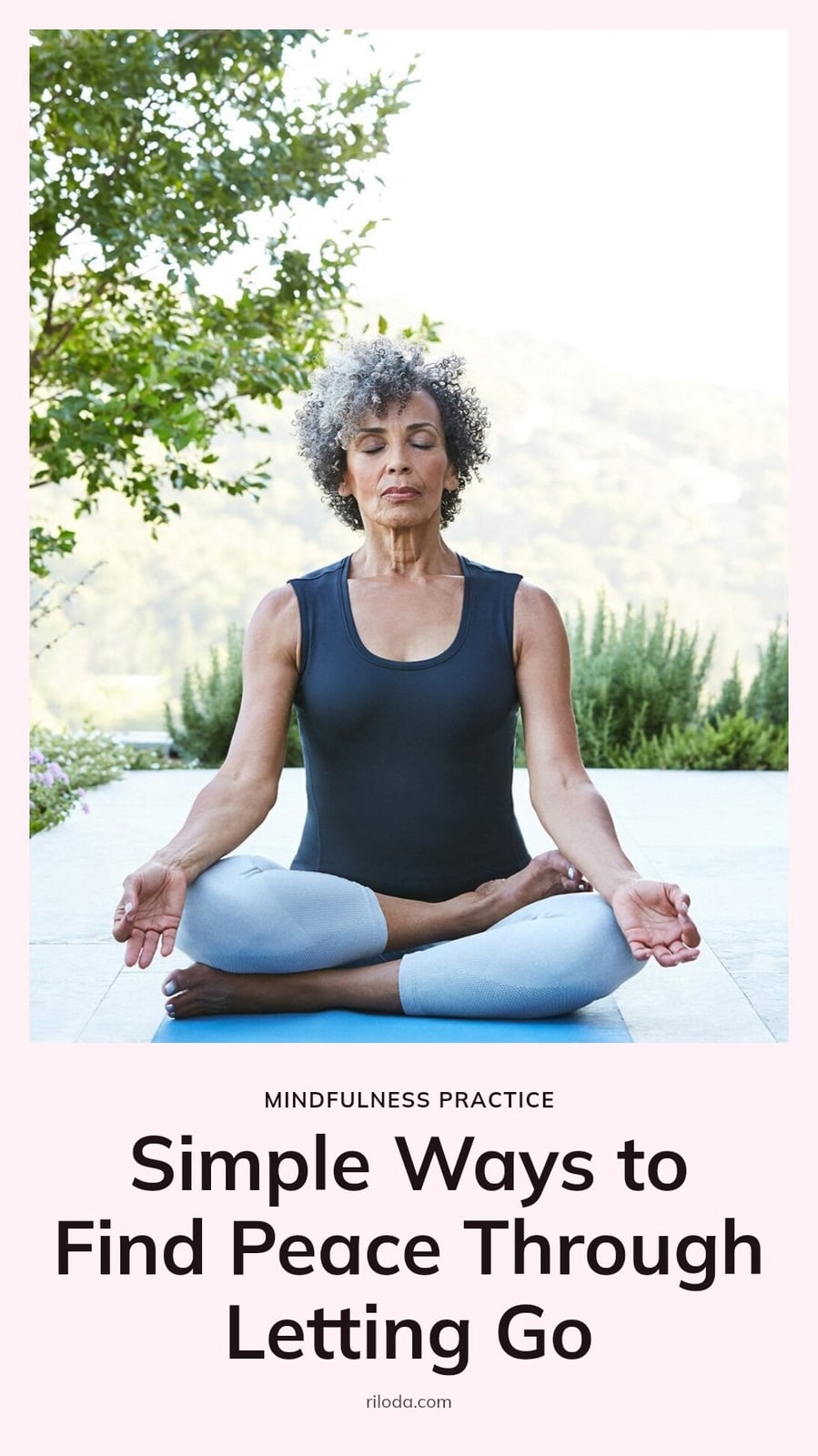
You know that feeling when something from the past keeps replaying in your mind, or you’re holding onto a hope that just won’t let you breathe? Letting go can feel impossible, but it’s actually an active practice you can learn. In this article, I’ll share what letting go really means, practical steps to start, and the mindset shifts that help you find peace.
Key Takeaways
- Letting go is an active process of releasing emotional attachments, not forgetting or condoning.
- Acknowledge and process difficult emotions like anger or sadness instead of suppressing them.
- Mindfulness and deep breathing help you stay present and release past regrets.
- Setbacks are normal; self-compassion is key throughout the ongoing practice.
- Seek professional support if intense emotions or sadness interfere with daily life.
What Does Letting Go Really Mean?
Letting go is an active process, not a passive one. It means releasing emotional attachments, resentments, and the need to control situations or outcomes that no longer serve your well-being. This isn’t about forgetting what happened or condoning harmful behavior. Instead, it’s about accepting what is and choosing to move forward without the weight of the past or the worry about the future. It takes conscious effort and practice.
Tools to Help You Practice Letting Go
Having the right tools can make the process more manageable. Here is what I keep on hand:
- Journal or notebook: Use it to identify and process emotions without judgment.
- Pen: Writing things down helps clarify your thoughts and feelings.
- Meditation app or guide: A guided practice can help you stay present and release anxious thoughts.
- Support network: Friends, family, or a support group provide emotional backing when you need it most.
Practical Steps to Begin Letting Go

- Identify what you need to let go of: Be specific. Is it a past event, a relationship, an expectation, or a resentment? Naming it gives you something concrete to work with.
- Acknowledge and process difficult emotions: Allow yourself to feel anger, sadness, or fear without judging yourself for having them. Suppressing emotions only delays the process.
- Practice mindfulness to stay present: Focus on your breath or your immediate surroundings. This helps you stop replaying the past or worrying about the future.
- Focus on what you can control: Your actions, your responses, and your choices are within your control. Release the rest.
- Cultivate forgiveness for yourself and others: Forgiveness does not mean condoning harmful behavior. It means releasing the hold that resentment has on you.
- Set healthy boundaries: Boundaries protect your well-being and make it easier to let go of unhealthy patterns or relationships.
Throughout these steps, practice self-compassion. Setbacks are normal, and the process is not linear.
Different Ways to Cultivate a Letting Go Mindset

Different approaches can help you shift your mindset and make letting go feel more natural. Experiment to find what works for you.
Mindfulness and Meditation
Regular practice cultivates present-moment awareness, which directly helps you release past regrets and future anxieties. Even five minutes of deep breathing can make a difference.
Tip: Start with a short guided meditation if sitting in silence feels hard.
Journaling
Writing helps you identify and process the emotions tied to what you need to let go of. It also reveals patterns you might not notice otherwise.
Caution: Don’t use journaling to ruminate. Focus on expressing your feelings, then shift to what you can learn or release.
Gratitude Practice
List three things you are grateful for each day. This shifts your focus away from what was lost or went wrong and toward what is still good.
Pro move: Write down one small thing you appreciated about the situation you are letting go of. It can help you find closure.
Physical Release
Exercise, dancing, or creative expression like painting or playing music can help you process emotions physically. Movement can release tension stored in the body.
My tip: Try a brisk walk or a yoga flow when you feel stuck emotionally.
Common Mistakes When Trying to Let Go
One common mistake is believing that letting go means you no longer care. Releasing the burden of a situation is not the same as forgetting the person or losing the love you felt. The goal is freedom from the weight, not from the memory.
Another trap is trying to force the process. Letting go is not a race; it unfolds naturally when you give yourself permission to feel and heal. Expecting immediate results sets you up for frustration. It is an ongoing practice, not a one-time event.
Many people also confuse avoidance with letting go. Suppressing emotions only delays the process and can make the feelings stronger later. Similarly, holding onto the need to understand why something happened can keep you stuck. You do not always need an explanation to move forward.
When to Seek Professional Support
If you are struggling with intense emotions, persistent sadness, anxiety, or find it hard to function in daily life, self-help methods may not be enough. Feeling overwhelmed is a sign to consider professional support.
A mental health professional can offer tailored guidance that goes beyond general advice. This article is not a substitute for therapy or medical care. Reaching out for help is a sign of strength, not failure.
Frequently Asked Questions
Is letting go the same as forgetting?
No, letting go is not about forgetting what happened. It’s about releasing the emotional burden attached to the memory so it no longer controls your present. You can remember the event without being consumed by the pain or resentment.
How long does it take to truly let go?
There is no fixed timeline. Letting go is an ongoing practice that varies for each person and situation. Some things may take weeks, others years. The key is to be patient with yourself and not expect immediate results.
Can I let go if I don’t understand why something happened?
Yes, you can. Understanding the ‘why’ is not a prerequisite for letting go. You can accept what happened without having all the answers, and focus on moving forward with your well-being instead of getting stuck searching for reasons.
What if I keep having setbacks while letting go?
Setbacks are a normal part of the process. When they happen, practice self-compassion and remind yourself that healing is not linear. Gently bring your focus back to acceptance and the steps that help you move forward, without judgment.
Does letting go mean I’m condoning bad behavior?
Not at all. Letting go does not mean you approve of what happened. It means you choose to release the hold that resentment has on your own peace, while still holding the person accountable for their actions. You can forgive without condoning.
Final Thoughts
My tip: start by naming one specific thing you want to release, whether it’s a resentment, an expectation, or a past hurt. Give yourself permission to feel the emotions without judgment, and remember that letting go is not a one-time event but a practice you return to again and again. Over time, you’ll notice the weight lifting, even if it takes longer than you’d like.
This article is for informational purposes only and is not a substitute for professional mental health advice. If you are experiencing intense emotions, persistent sadness, or difficulty functioning, please consult a licensed therapist or healthcare provider.
More Blog ideas
- How to Use Rose Water for Radiant Skin and Healthy Hair
- What Is My Personality Type? Understanding Yourself Better
- How to Clean Your Pores at Home
- Vitamin C Benefits for Skin and Health Plus the Best Foods
- How to Start Shadow Work for Deeper Self-Understanding
- How to Prep Your Hair Before Bleaching for Less Damage
- How to Prepare Sea Moss Gel at Home for Wellness
- How to Use Rice Water for Glowing Skin and Shiny Hair
- How to Find Morning Motivation When You Want to Stay in Bed
- Filing Nails: How to File Nails Correctly for Strong, Healthy Fingernails
- Healthy Coping Skills: Proven Strategies for Difficult Times
- Simple Ways to Romanticize Your Life Every Day