Simple Ways to Let Go of Worry
Learn simple, effective strategies to let go of worry and reduce anxiety. Discover practical techniques to calm your mind and find peace.

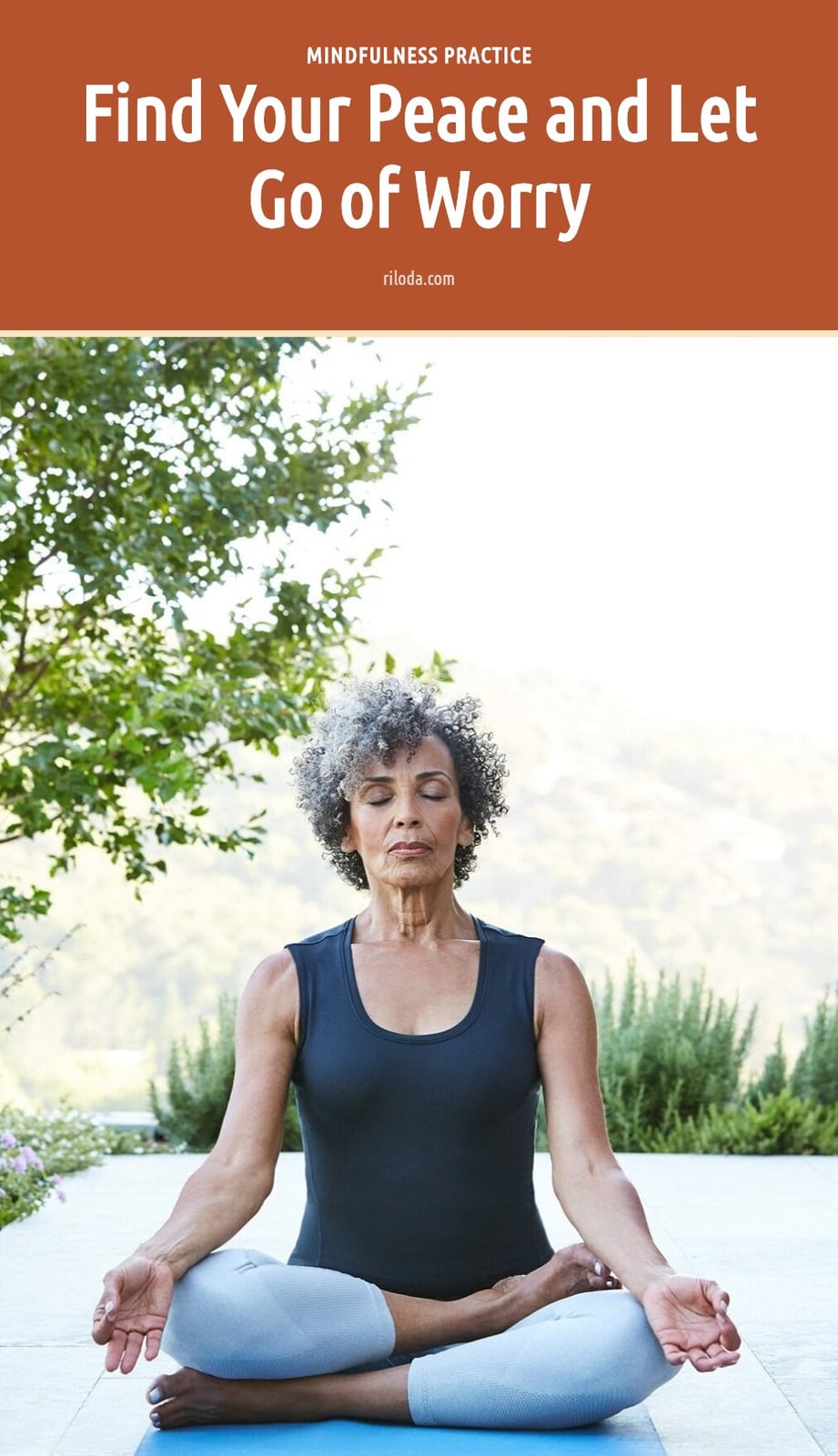
Does your mind feel like it’s constantly spinning with worst-case scenarios? You’re not alone, and the good news is that letting go of worry is a skill you can learn. This article covers practical, science-backed strategies to quiet anxious thoughts, from mindfulness and journaling to setting boundaries with your triggers.
Key Takeaways
- Identify your worry triggers by keeping a simple log for a week.
- Schedule a daily ‘worry time’ of 15 to 30 minutes to contain anxious thoughts.
- Focus on what you can control and practice deep breathing to stay present.
- Limit news and social media exposure, especially before bed.
- If worry interferes with daily life for more than an hour a day, seek professional help.
How to Start Letting Go of Worry
Letting go of worry starts with a shift from passive rumination to active management. Begin by identifying your worry triggers and setting aside a specific ‘worry time’ each day to contain those anxious thoughts. Integrate mindfulness and focus on what you can control to reduce the grip of unproductive worry. Consistent practice of these strategies helps reframe your perspective and cultivate a calmer state of mind.
Understanding Why We Worry So Much

Why We Worry So Much
Worry is your brain’s natural response to uncertainty, designed to help you anticipate and avoid threats. But when it turns into repetitive, intrusive thoughts about what might go wrong, it stops being useful and starts draining your energy.
Chronic worry doesn’t just stay in your head. It shows up in your body too. Many people experience fatigue, muscle tension, headaches, or digestive issues when worry becomes a daily habit. The constant mental alertness keeps your stress hormones high, and over time that takes a physical toll.
A common trap is believing that worrying itself prevents bad things from happening. This feels logical in the moment, but it actually reinforces the cycle. You start to think that if you stop worrying, you’ll lose control.
The key distinction is between productive worry and unproductive worry. Productive worry leads to action, like making a plan or solving a problem. Unproductive worry is just rumination, replaying the same fears without moving forward. Learning to tell them apart is the first step to breaking the pattern.
Effective Methods to Reduce Worry

Effective Methods to Reduce Worry
Start with mindfulness through meditation or deep breathing to anchor yourself in the present moment. My tip: Set a timer for 5 to 10 minutes and focus on your breath. Even a short session can calm your nervous system, and you can gradually extend it as you build consistency.
Set aside a specific ‘worry time’ each day, like 15 to 30 minutes, to contain anxious thoughts. When worries pop up outside that window, jot them down and tell yourself you will address them later. This helps break the cycle of constant rumination.
Journaling about your worries can externalize them and give you perspective. Pro move: Write down the worry, then ask yourself what you can control about it. This shifts your focus toward actionable steps.
Engage in physical activity to reduce stress hormones and improve your mood. Even a 20-minute walk can serve as a healthy reset. Caution: Use exercise as a tool to clear your mind, not to avoid underlying issues. Pair it with other strategies like journaling or therapy to address root causes.
Cognitive Behavioral Therapy (CBT) is a widely recognized approach for managing worry. It focuses on identifying and changing thought patterns. Many people find working with a therapist helpful, but self-guided CBT workbooks are also available.
Common Mistakes When Trying to Stop Worrying
Common Mistakes When Trying to Stop Worrying
One big mistake is believing that worrying prevents bad things from happening. This reinforces the cycle. Instead, focus on controllable actions.
Trying to ‘think away’ worries often backfires. Suppressing thoughts can make them stronger. Address underlying causes and patterns instead.
Confusing worry with genuine problem-solving is another pitfall. Productive worry leads to action, while unproductive worry is just rumination. Learn to tell the difference.
Underestimating lifestyle factors like poor sleep, diet, and lack of exercise can also keep worry levels high. Prioritize these for better mental well-being. And do not feel guilty or ashamed about worrying. Self-criticism intensifies the feeling. Practice self-compassion and acknowledge that worry is a natural human response.
Daily Habits to Cultivate a Calmer Mind

Start by noticing what triggers your worry. Is it a late-night email, scrolling through news, or a specific conversation? Once you know your triggers, you can plan around them. My tip: Keep a small notebook nearby for a week and jot down the moment your mind starts spinning. Patterns will emerge faster than you expect.
Build small calming habits into your day. Deep breathing exercises take only 60 seconds. Inhale for 4 counts, hold for 4, exhale for 6. Do this before a stressful meeting or when you feel your chest tighten. It resets your nervous system.
Make room for activities that genuinely absorb your attention. Gardening, painting, cooking, or a walk without your phone. Joyful distraction is not avoidance, it is a reset. Limit news and social media to one check in the morning and one in the afternoon, and none in the hour before bed. Your sleep quality will improve, and fewer triggers mean fewer late-night worry spirals.
Connect with one supportive person each day. A five-minute phone call or a shared cup of tea can shift your perspective. And do not underestimate the basics: 7-9 hours of sleep and a balanced diet with protein, fiber, and healthy fats give your brain the fuel it needs to handle uncertainty.
What to Expect: Timeline and Resources
Some techniques offer immediate relief. Deep breathing, journaling for five minutes, or stepping outside for fresh air can calm an acute worry spike within minutes. But lasting change takes time.
Consistent practice over several weeks to a few months is usually needed to rewire how your brain responds to uncertainty. Think of it like building a muscle: you do not see results after one workout.
Materials you will need: a journal or notebook, a pen, a comfortable spot for mindfulness or meditation, and a timer for your worry time sessions. That is it. Most of these strategies cost nothing. If you decide to work with a therapist for CBT or other approaches, costs vary by your insurance plan and provider. But the self-help tools alone are free and available right now.
When to Seek Professional Help for Worry
If worry takes up more than an hour of your day most days, or if it keeps you from work, social life, or basic tasks, it is time to talk to a professional. The same goes if worry comes with panic attacks, feelings of hopelessness, or any thoughts of self-harm.
A therapist or doctor can offer personalized strategies and may diagnose an underlying condition like generalized anxiety disorder. Cognitive Behavioral Therapy (CBT) is one of the most effective approaches for persistent worry. Caution: Do not stop any prescribed medication without consulting your doctor first. Stopping abruptly can cause serious withdrawal effects or worsening symptoms.
Reaching out is a sign of strength, not failure. You do not have to figure this out alone.
Frequently Asked Questions
What is the difference between worry and anxiety?
Worry is the cognitive part, the repetitive, future-focused thoughts about what might go wrong. Anxiety is the broader emotional and physical response that often includes worry, but also involves feelings of fear, tension, and physical symptoms like a racing heart. You can have worry without full-blown anxiety, but chronic worry often fuels anxiety.
Can worry be a good thing?
Yes, in small doses. Productive worry leads to problem-solving and action, like double-checking a deadline or preparing for a presentation. The trouble starts when worry becomes unproductive rumination, replaying ‘what-ifs’ without any plan. The key is to learn the difference and stop yourself when worry isn’t leading anywhere useful.
Can diet affect my worrying?
Indirectly, yes. A balanced diet that stabilizes blood sugar can help regulate your mood and energy, making it easier to cope with stress. Caffeine and sugar spikes can mimic or worsen anxiety symptoms, so many people find that cutting back on those helps. Prioritizing sleep and staying hydrated also support a calmer mind.
Is it normal to worry all the time?
Frequent worry is common, but it isn’t ‘normal’ in the sense of being healthy or unavoidable. If you find yourself worrying for more than an hour most days, or if worry stops you from working, socializing, or sleeping, it’s a sign to take action. Many people benefit from learning coping techniques, and if that isn’t enough, a therapist can help.
How can I stop worrying so much?
Start by identifying your triggers and setting a daily ‘worry time’ to contain anxious thoughts. Practice mindfulness or deep breathing for just five minutes at a time. Focus on what you can control, and let go of the rest. If these strategies aren’t enough after a few weeks, consider seeing a mental health professional for personalized guidance.
Final Thoughts
Start small. Pick just one technique, like a five-minute breathing session or a worry journal entry, and try it for a week. Lasting change takes consistent practice over several weeks to a few months, but even the first step can bring immediate relief. Remember, the goal isn’t to eliminate worry completely, but to stop letting it run the show.
This article is for informational purposes only and does not replace professional medical or mental health advice. If you experience persistent worry that interferes with your daily life, or if you have thoughts of self-harm, please consult a doctor or licensed therapist.
More Blog ideas
- How to Use Rose Water for Radiant Skin and Healthy Hair
- What Is My Personality Type? Understanding Yourself Better
- How to Clean Your Pores at Home
- Vitamin C Benefits for Skin and Health Plus the Best Foods
- How to Start Shadow Work for Deeper Self-Understanding
- How to Prep Your Hair Before Bleaching for Less Damage
- How to Prepare Sea Moss Gel at Home for Wellness
- How to Use Rice Water for Glowing Skin and Shiny Hair
- How to Find Morning Motivation When You Want to Stay in Bed
- Filing Nails: How to File Nails Correctly for Strong, Healthy Fingernails
- Healthy Coping Skills: Proven Strategies for Difficult Times
- Simple Ways to Romanticize Your Life Every Day