Hormone Balance Tips for Women: A Friendly Guide
Understand what hormones are and get practical, friendly tips for women to support natural hormone balance through lifestyle, diet, and stress management.


If you’ve been feeling off lately with mood swings, fatigue, or changes in your skin and weight, your hormones might be sending you signals. The good news is that small, consistent lifestyle tweaks can help support your body’s natural regulatory systems. This article covers what hormones are, how they affect you, and practical, everyday tips to help you feel more like yourself.
Key Takeaways
- Eat whole, unprocessed foods like fruits, veggies, lean proteins, and healthy fats to support hormone production.
- Manage chronic stress with daily practices like meditation or deep breathing to keep cortisol in check.
- Aim for 7-9 hours of quality sleep each night for proper hormone regulation and repair.
- Engage in 30 minutes of moderate exercise most days to improve insulin sensitivity and reduce stress hormones.
- Talk to a doctor if you experience persistent symptoms like irregular periods, unexplained weight changes, or severe mood swings.
What Are Hormones and Why Do They Matter?
Hormones are chemical messengers produced by your endocrine system, which includes glands like the thyroid, adrenal glands, and ovaries. They travel through your bloodstream to regulate almost every bodily function, from mood and energy to metabolism and reproduction.
When people talk about ‘hormone balance,’ they mean these messengers are working optimally, not that they exist in a fixed state. Your lifestyle choices, including diet, stress management, and sleep, profoundly influence how well your hormones function.
1. Prioritize Whole, Unprocessed Foods
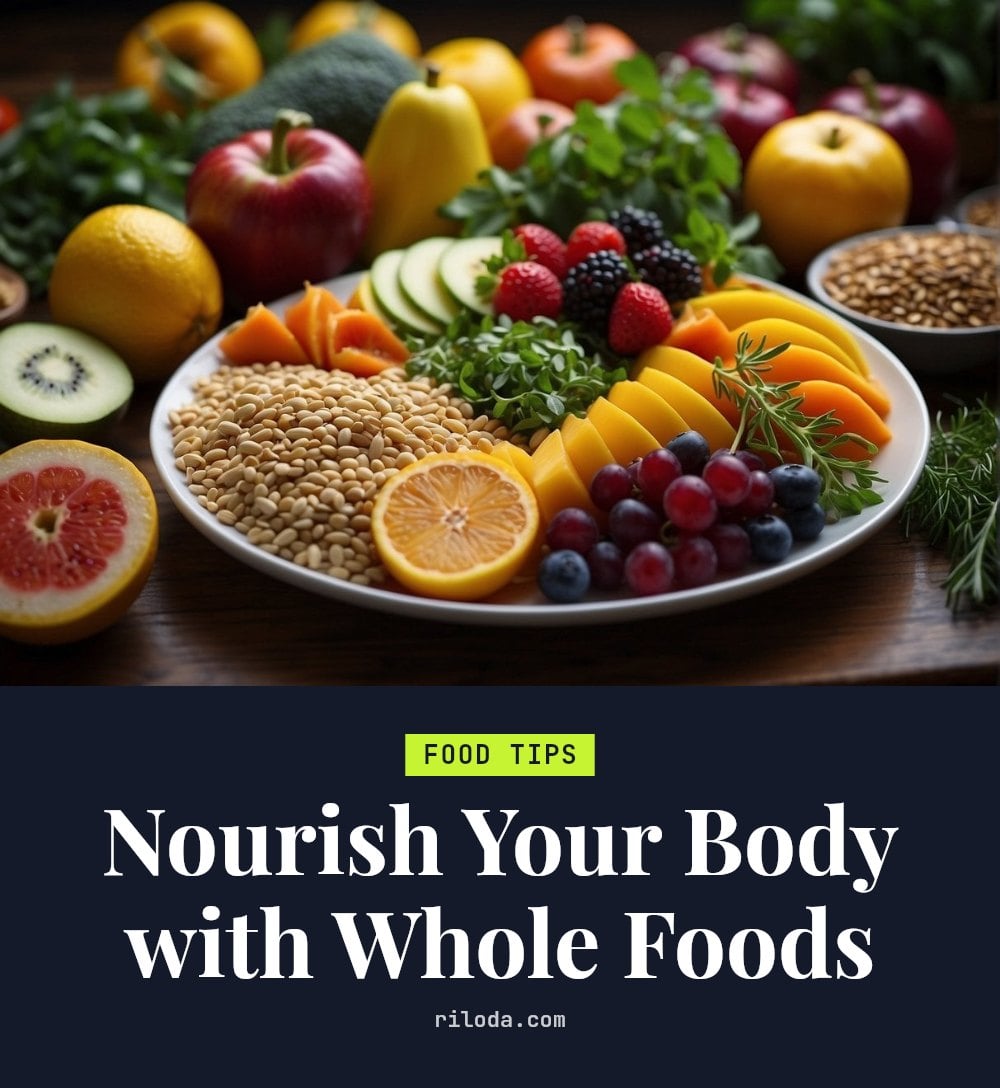
Start by filling your plate with whole, unprocessed foods: fruits, vegetables, lean proteins, and healthy fats. These provide the essential nutrients your body needs for hormone production and regulation.
- Protein: Adequate intake supports hormone synthesis and keeps you feeling full. Include eggs, fish, poultry, or plant sources like beans and tofu.
- Healthy fats: Avocados, nuts, and seeds are building blocks for steroid hormones like estrogen and testosterone.
- Fiber: Whole grains, legumes, and produce help regulate blood sugar and support gut flora, which can influence estrogen metabolism.
2. Manage Chronic Stress Effectively

Chronic stress keeps cortisol, the ‘stress hormone,’ elevated, which can disrupt other hormones like estrogen and progesterone. To counter this, build daily stress-reduction practices into your routine.
- Meditation: Even 5 minutes of focused breathing can lower cortisol.
- Deep breathing: Try inhaling for 4 counts, holding for 4, and exhaling for 6.
- Yoga or nature walks: Both calm the nervous system and reduce stress hormones.
My tip: Even 10-15 minutes a day can make a difference in calming your nervous system and supporting hormonal equilibrium.
3. Aim for Consistent, Quality Sleep
Aim for 7-9 hours of quality sleep each night. During deep sleep, your body produces growth hormone and regulates melatonin, both crucial for repair and circadian rhythm.
- Consistent schedule: Go to bed and wake up at the same time daily, even on weekends.
- Dark, cool, quiet room: Use blackout curtains, a sleep mask, or earplugs to block disruptions.
- Limit screens: Turn off electronics an hour before bed to avoid blue light interfering with melatonin.
Poor sleep can disrupt your circadian rhythm, potentially affecting cortisol levels and insulin sensitivity.
4. Engage in Regular Physical Activity
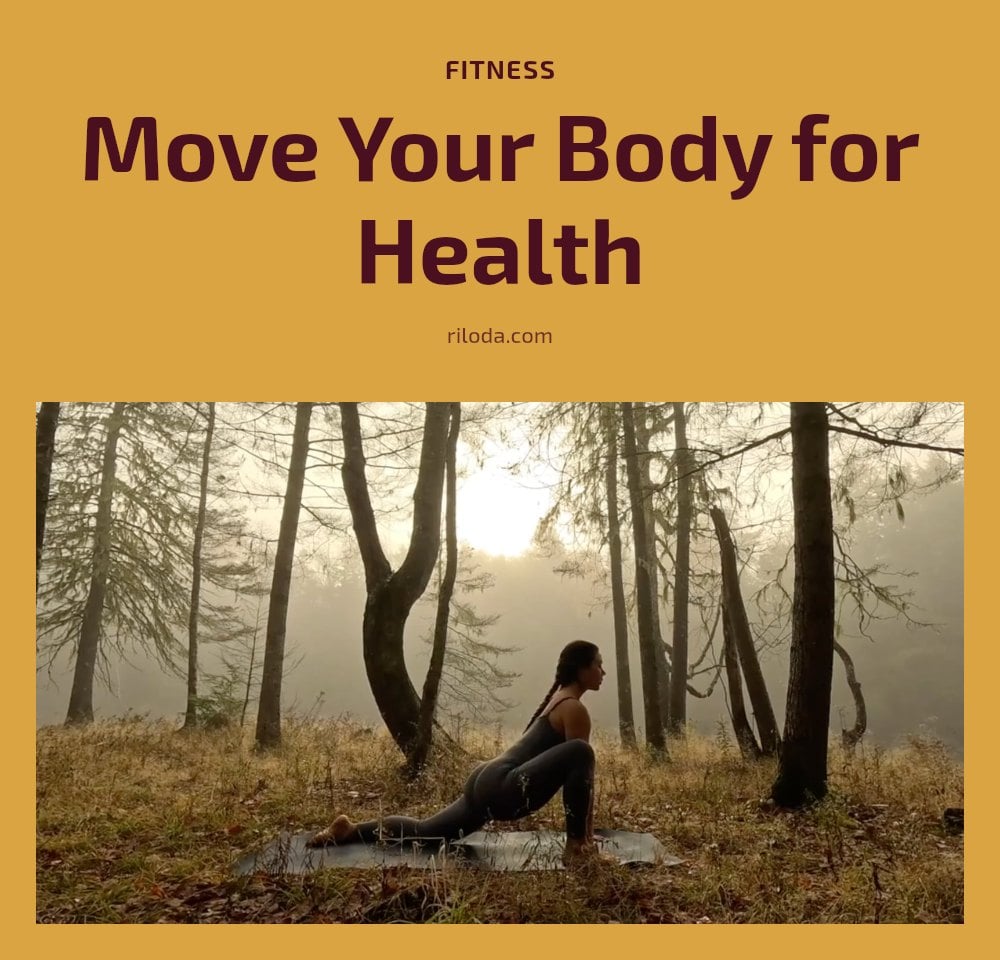
Regular, moderate exercise improves insulin sensitivity and helps manage cortisol, the stress hormone. Aim for 30 minutes most days, mixing cardio like brisk walking or cycling with strength training twice a week.
- Cardio: Walking, jogging, or swimming gets your heart rate up and supports stress hormone regulation.
- Strength training: Lifting weights or using resistance bands builds muscle, which can boost metabolism and insulin sensitivity.
My tip: Avoid excessive, high-intensity workouts every day. Too much intense exercise can stress your body and potentially disrupt hormone levels. Listen to your body and include rest days.
5. Stay Adequately Hydrated
Water is essential for transporting hormones and supporting detoxification pathways. Even mild dehydration can raise cortisol levels, putting extra strain on your adrenal glands.
My tip: Keep a water bottle on your desk or in your bag and sip throughout the day. Aim for about 8 cups (64 ounces) as a baseline, adjusting for activity level and climate.
6. Limit Exposure to Endocrine Disruptors

Endocrine-disrupting chemicals (EDCs) in some plastics, pesticides, and personal care products may interfere with your natural hormone function. While research is ongoing, reducing exposure is a proactive step.
Practical swaps:
- Use glass or stainless steel containers for food and drinks.
- Choose organic produce when possible, especially for the Dirty Dozen list items.
- Select personal care products labeled “fragrance-free” or with fewer synthetic chemicals.
7. Support Gut Health

A healthy gut microbiome helps metabolize estrogen and other hormones. Fiber-rich fruits and vegetables feed beneficial gut bacteria, while fermented foods introduce probiotics.
Add to your plate:
- Fermented foods like yogurt, kefir, sauerkraut, or kimchi.
- High-fiber produce such as berries, leafy greens, and legumes.
Tip: A happy gut often means happier hormones. Start with one serving of fermented food daily and increase fiber gradually to avoid bloating.
8. Avoid Crash Dieting and Over-Restriction
Extreme calorie restriction tells your body it’s under stress, which can disrupt thyroid and reproductive hormones. Instead of cutting calories drastically, focus on balanced meals that include protein, healthy fats, and fiber. Good to know: Sustainable eating habits support long-term hormonal well-being far better than any quick fix.
9. Listen to Your Body’s Signals
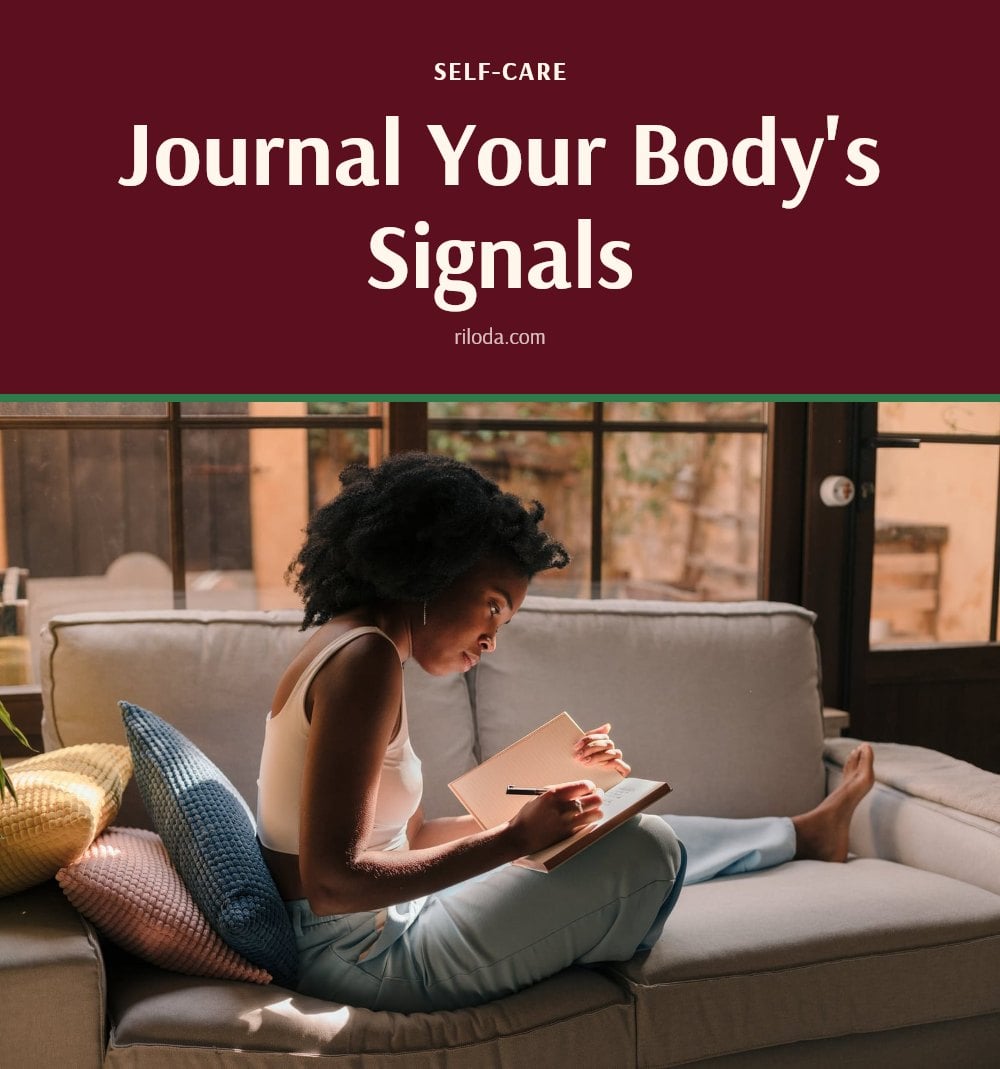
Notice persistent symptoms like unusual fatigue, significant weight changes, mood swings, or irregular periods. These can signal hormonal fluctuations, but they may also point to other health issues. Pro move: Journaling your symptoms helps identify patterns and gives you useful information if you decide to consult a professional.
10. Limit Processed Sugars and Unhealthy Fats
High intakes of processed sugars can lead to insulin resistance, disrupting blood sugar regulation and affecting other hormones. Trans fats and other unhealthy fats promote inflammation, which can interfere with normal hormone function. Quick tip: Choose natural sweeteners in moderation and get your healthy fats from whole food sources like avocados, nuts, and seeds.
11. Consider Adaptogenic Herbs (With Caution)
Adaptogenic herbs such as ashwagandha and rhodiola are thought to help the body adapt to stress and support adrenal function. Tip: Always talk to a healthcare professional before adding any supplement, including herbs, to your routine. They can interact with medications or have contraindications for existing conditions.
When to Talk to Your Doctor About Hormones
If you experience persistent or severe symptoms like significant changes in your menstrual cycle, unexplained weight gain or loss, chronic fatigue, severe mood swings, or hair loss, it’s time to talk to your doctor. Lifestyle changes can take a few months to show effects, so if your symptoms don’t improve after that period, a medical evaluation is wise. Before starting any new hormone-related supplements or making drastic dietary changes, especially if you have a pre-existing condition, are pregnant, or breastfeeding, consult a healthcare professional. They can provide an accurate diagnosis, recommend appropriate testing, and create a personalized treatment plan based on your specific needs.
Frequently Asked Questions
What are the main hormones in women?
Key hormones in women include estrogen, progesterone, testosterone, cortisol, insulin, and thyroid hormones. Estrogen and progesterone are central to the menstrual cycle, reproduction, and bone health, while cortisol manages stress, insulin regulates blood sugar, and thyroid hormones control metabolism and energy levels.
Can diet really affect my hormones?
Yes, diet plays a significant role in hormone health. Eating adequate protein, healthy fats, and fiber provides the building blocks your body needs for hormone production and regulation. Whole, unprocessed foods support stable blood sugar and reduce inflammation, while processed sugars and unhealthy fats can disrupt insulin and other hormones over time.
How long does it take to see results from lifestyle changes?
Subtle improvements in energy, mood, or sleep can sometimes appear within a few weeks of consistent changes. However, more significant hormonal shifts or symptom relief may take a few months. Consistency is key, and it’s important to be patient and listen to your body as you adjust your habits.
Are hormone supplements safe to take?
Supplements, including herbal ones like ashwagandha, can interact with medications or underlying conditions. They should not replace a balanced diet or professional care. Always consult a healthcare provider before starting any supplement, especially if you are pregnant, breastfeeding, or have a medical condition.
What are endocrine-disrupting chemicals?
Endocrine-disrupting chemicals, or EDCs, are substances found in some plastics, pesticides, and personal care products that may interfere with your body’s hormone function. While research is ongoing, reducing exposure by using glass containers, choosing organic produce when possible, and opting for fragrance-free or natural products is a proactive step.
Final Thoughts
Start with one or two small changes, like adding more fiber to your meals or setting a consistent bedtime. Give yourself at least a few weeks to notice subtle improvements, and remember that lasting shifts in hormone health usually take months of steady effort. Your body is dynamic, and supporting it with whole foods, quality sleep, and stress management is a gentle, effective way to feel better over time.
This article is for general informational purposes only and does not constitute medical advice. Hormone health is complex, and individual needs vary. If you are experiencing persistent or severe symptoms, consult a qualified healthcare professional for a proper evaluation and personalized guidance.
More Blog ideas
- How to Use Rose Water for Radiant Skin and Healthy Hair
- What Is My Personality Type? Understanding Yourself Better
- How to Clean Your Pores at Home
- Vitamin C Benefits for Skin and Health Plus the Best Foods
- How to Start Shadow Work for Deeper Self-Understanding
- How to Prep Your Hair Before Bleaching for Less Damage
- How to Prepare Sea Moss Gel at Home for Wellness
- How to Use Rice Water for Glowing Skin and Shiny Hair
- How to Find Morning Motivation When You Want to Stay in Bed
- Filing Nails: How to File Nails Correctly for Strong, Healthy Fingernails
- Healthy Coping Skills: Proven Strategies for Difficult Times
- Simple Ways to Romanticize Your Life Every Day