11 High Potassium Foods to Eat Daily for Better Health
Discover 12 delicious high potassium foods to easily incorporate into your daily diet for better heart health and overall well-being. Get expert tips!

You already know potassium is important for your heart and muscles, but figuring out which foods pack the biggest punch can feel overwhelming. That’s why I’ve rounded up 11 everyday foods that make it easy to hit your daily potassium goals without overthinking it. From white beans to dried apricots, this list goes way beyond the usual banana advice you always hear.
Key Takeaways
- White beans lead the pack with 1,189 mg of potassium per cooked cup, more than double a banana.
- Eat a variety of potassium-rich foods daily, not just bananas, to reach the 4,700 mg target.
- Cooked spinach (839 mg per cup) and avocado (708 mg per half) are easy to add to meals.
- Dried apricots are a concentrated source (1,100 mg per half cup) but watch portions due to natural sugars.
- Skip potassium supplements unless your doctor advises them, especially if you have kidney concerns.
Boost Your Health with Potassium-Rich Foods
Potassium is an essential mineral that helps keep your fluid balance, nerve signals, and muscle contractions, including your heartbeat, running smoothly. Getting enough from a varied diet can support overall health, especially blood pressure regulation. The good news is that many common fruits, vegetables, legumes, and dairy products are excellent sources, so you don’t need to rely on supplements.
1. White Beans
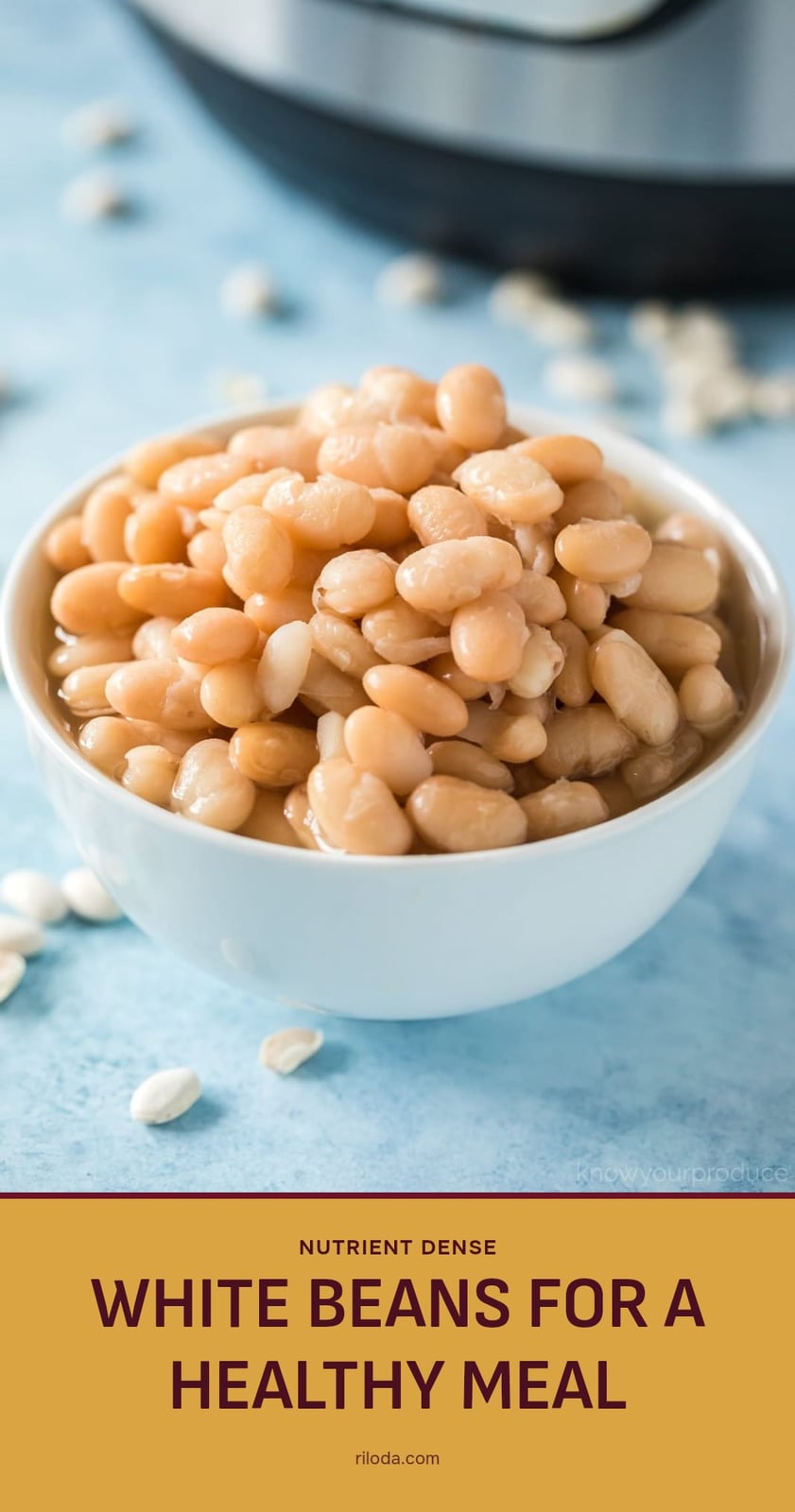
White beans are a true powerhouse, packing about 1,189 mg of potassium per cup (cooked). That’s more than double what you’d get from a banana.
My tip: Add them to soups, stews, or blend them into a creamy white bean dip for a major potassium boost that’s easy to include in meals.
2. Dried Apricots
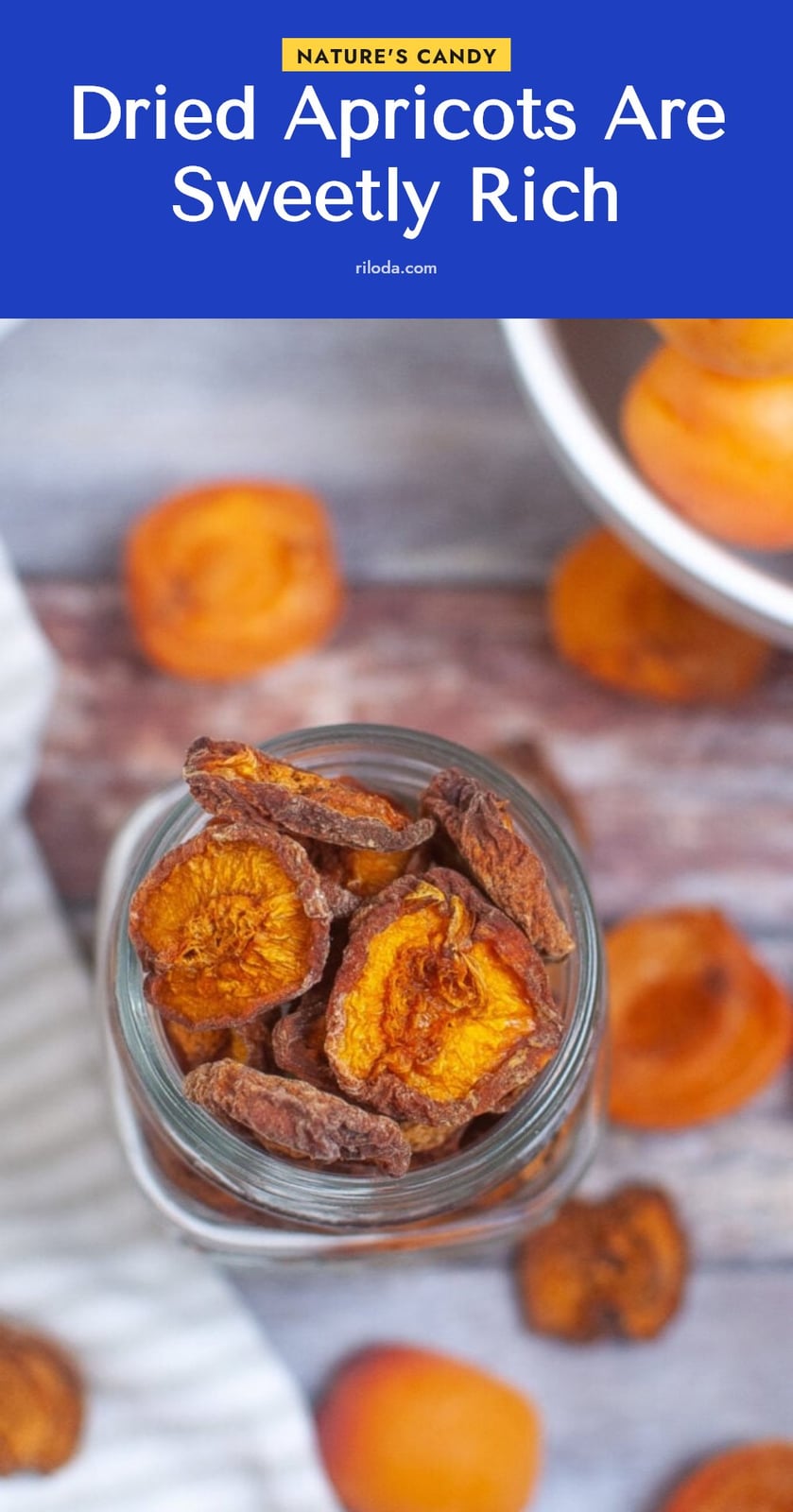
Dried apricots deliver about 1,100 mg of potassium per half cup, a concentrated punch in a small package. They’re perfect as a snack, stirred into oatmeal, or tossed over salads.
Good to know: Because they’re dried, they’re also high in natural sugars, so keep portions moderate if you watch your sugar intake.
3. Spinach
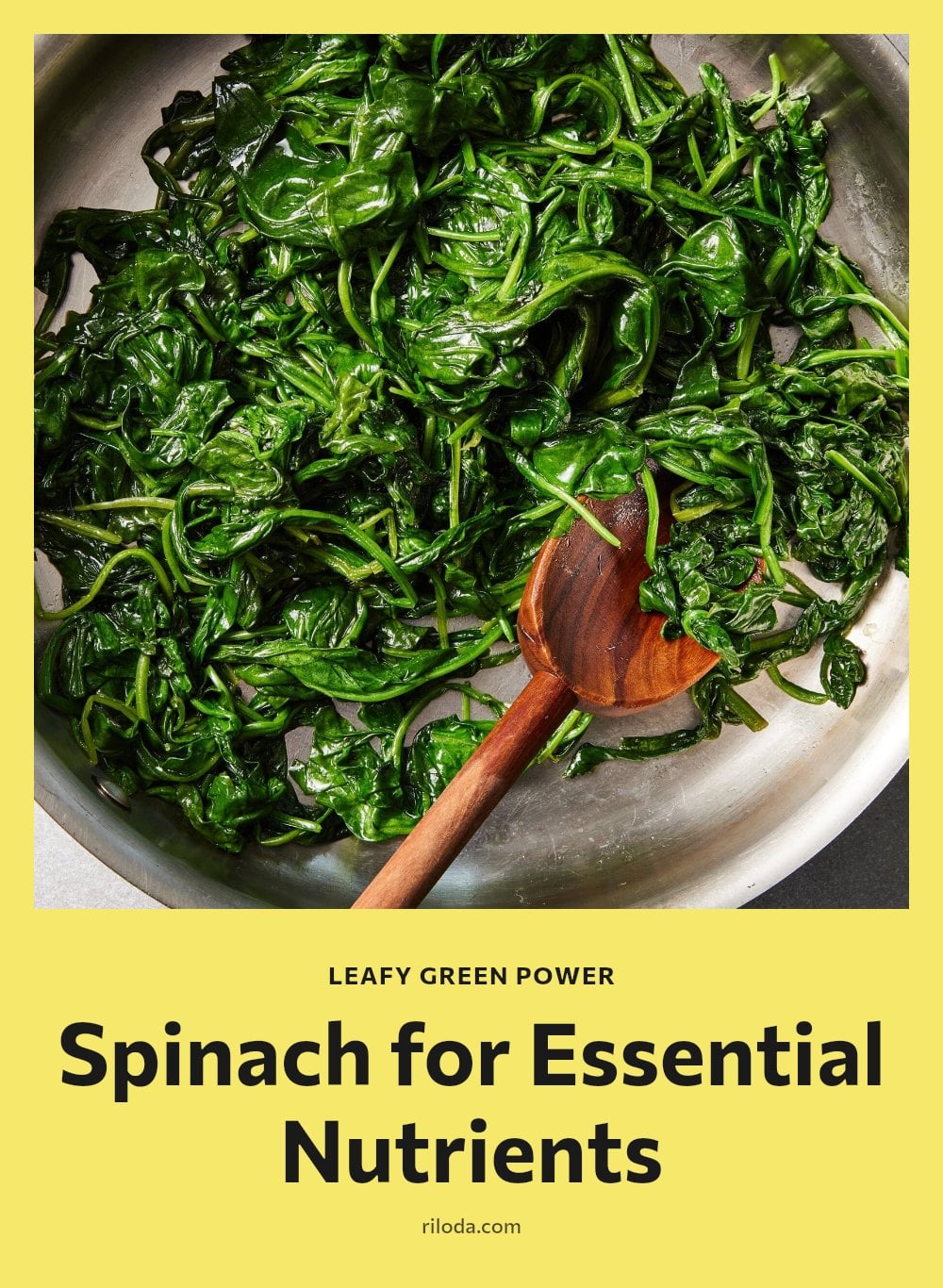
Cooked spinach is an excellent source, providing around 839 mg of potassium per cup. That’s almost twice the potassium of a banana, and it’s easy to slip into many dishes.
My tip: Wilt spinach into pasta, scrambled eggs, or smoothies. It reduces in volume quickly, so you can add a lot without changing the texture much.
4. Avocado
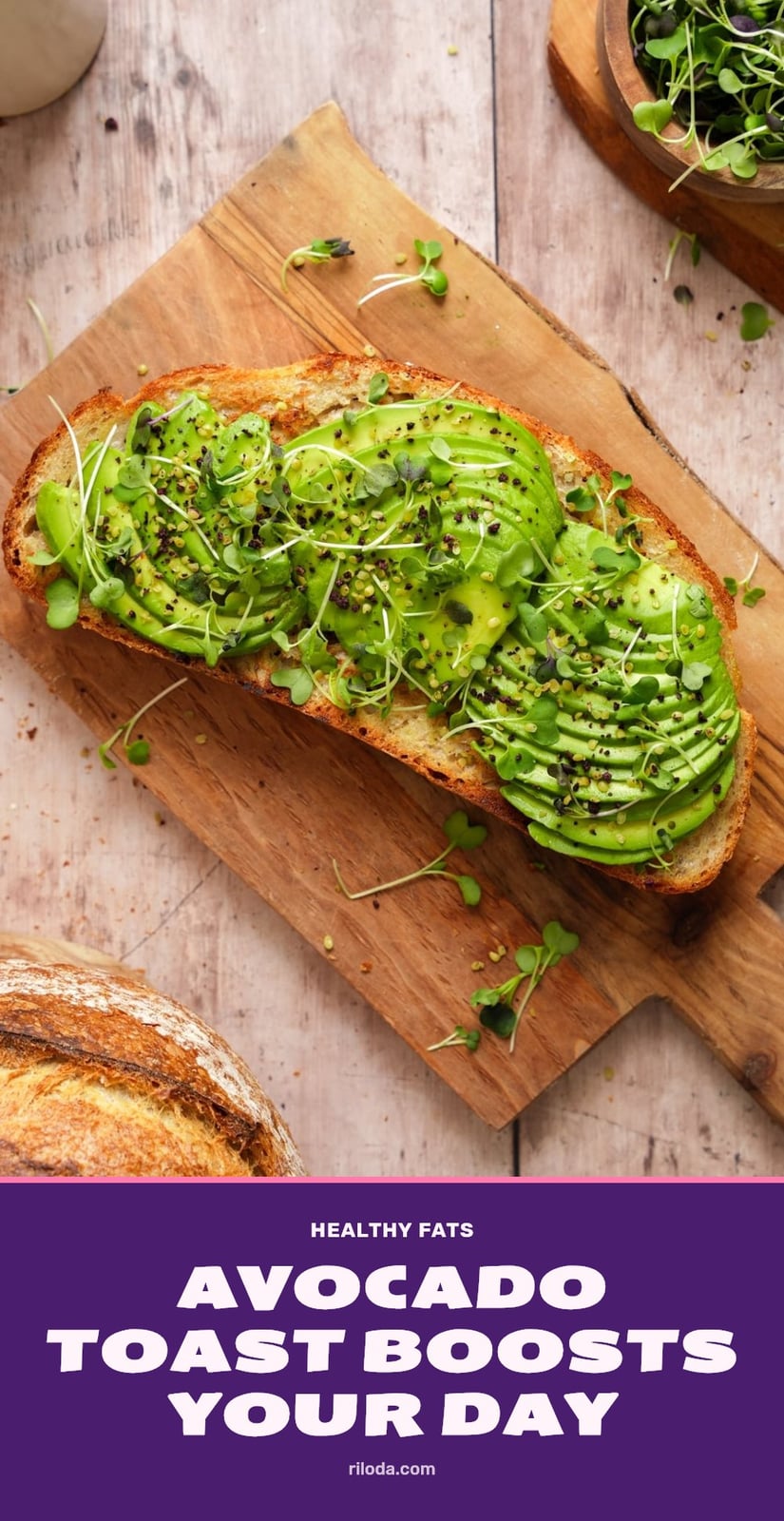
Half an avocado contains about 708 mg of potassium, which is more than a banana and nearly a third of your daily target. I love adding avocado to toast, salads, or making fresh guacamole. The healthy fats in avocado also help your body absorb fat-soluble vitamins from other foods you eat with it.
5. Sweet Potatoes
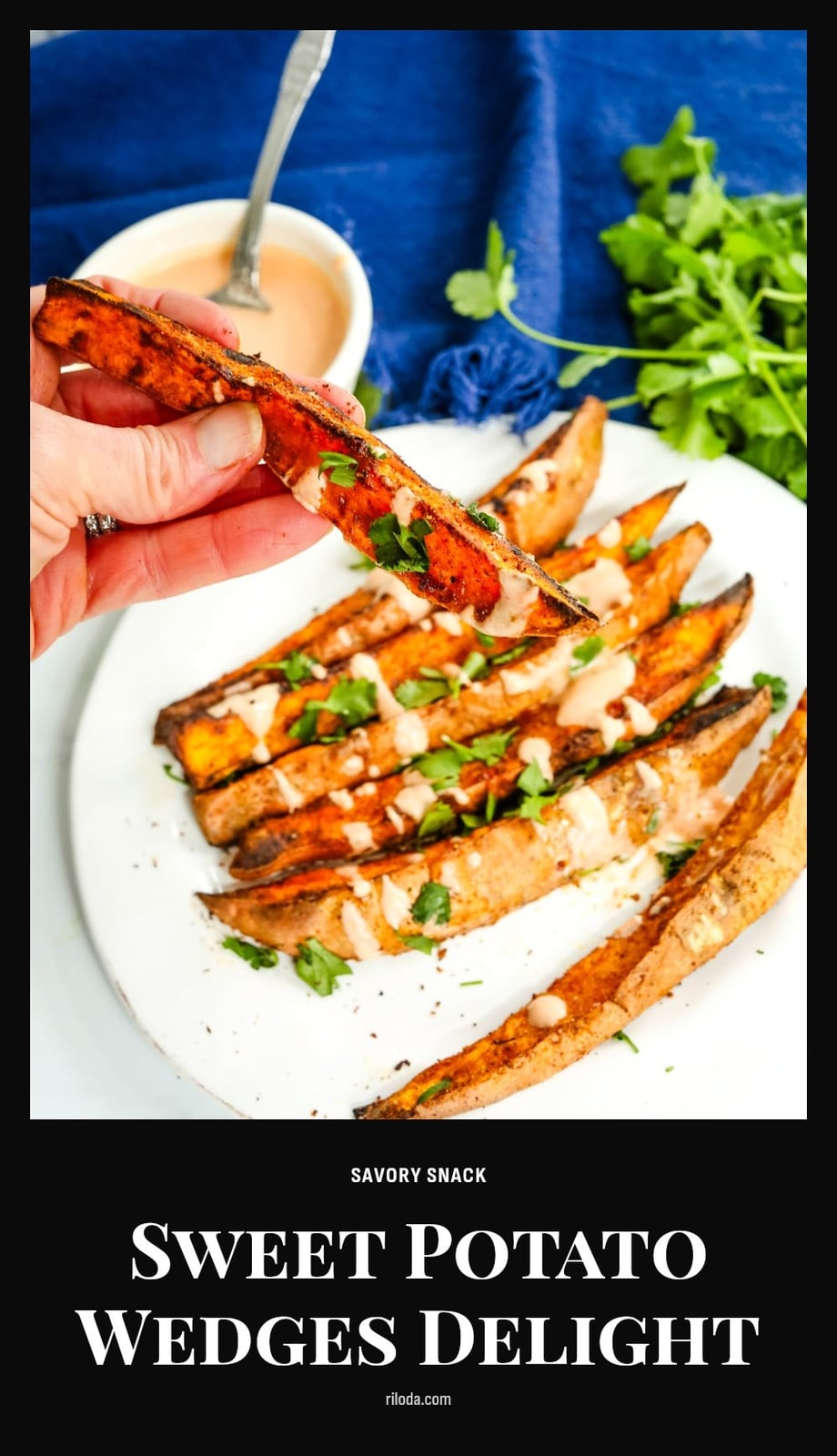
One medium sweet potato offers around 542 mg of potassium, plus fiber and vitamin A. They’re incredibly versatile, roast them, mash them, or turn them into fries for a nutritious side. Tip: Leave the skin on for extra fiber and nutrients.
6. Salmon
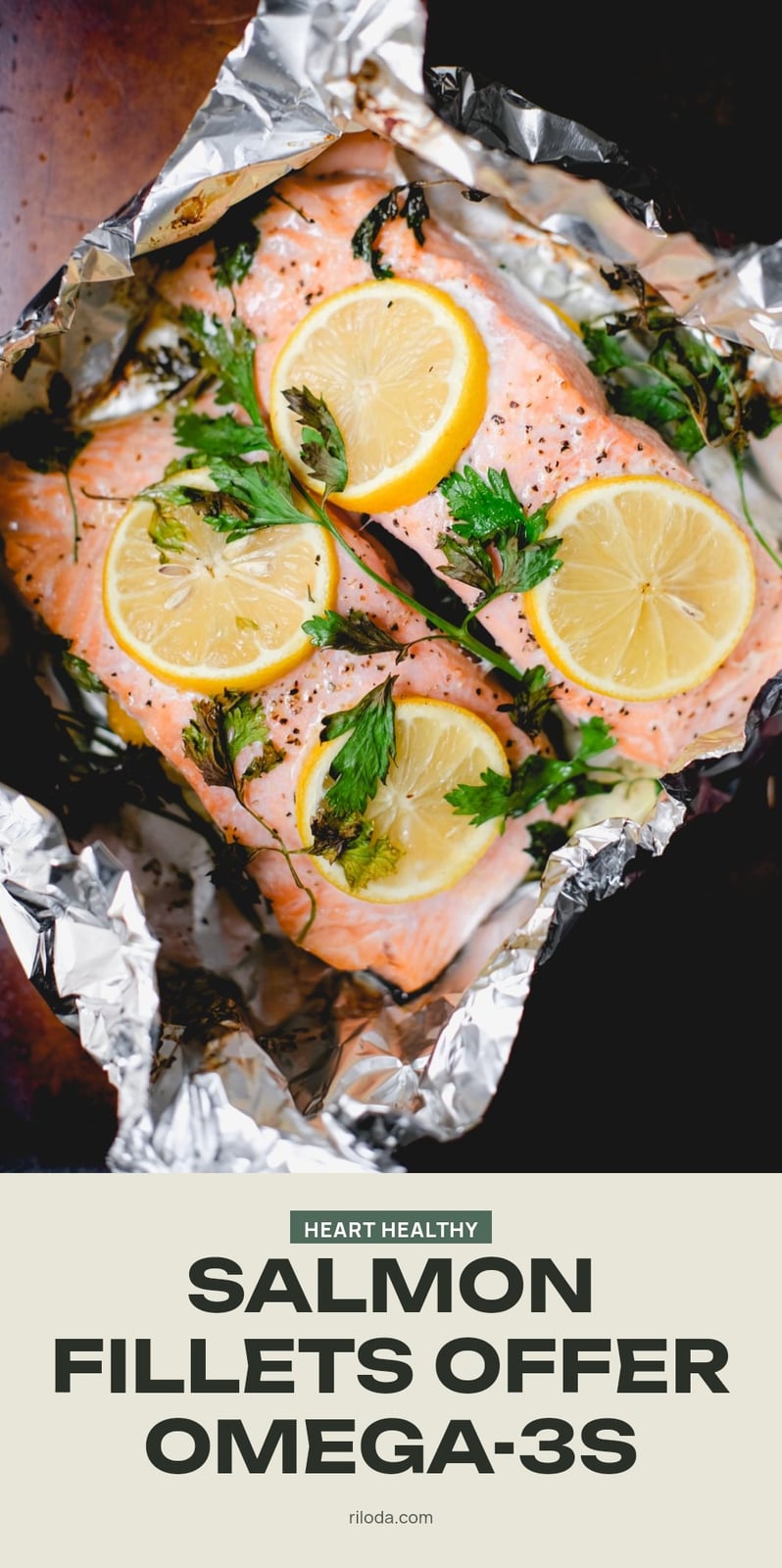
A 3-ounce serving of salmon provides about 480 mg of potassium, along with healthy omega-3 fatty acids that support heart and brain health. It’s a delicious way to get both essential nutrients in one meal. Grill, bake, or pan-sear it for a quick weeknight dinner.
7. Bananas
A medium banana is a well-known source, providing about 422 mg of potassium. They’re perfect for a quick snack, in smoothies, or sliced on cereal. Good to know: The riper the banana, the higher its sugar content, so choose firmer ones if you’re watching sugar intake.
8. Plain Yogurt
An 8-ounce serving of plain yogurt contributes around 380 mg of potassium, plus protein and calcium for a satisfying snack or breakfast base. My tip: Choose plain, unsweetened varieties and add your own fruit or a drizzle of honey to control sugar while boosting flavor. Stir in berries, sliced banana, or a sprinkle of cinnamon for extra nutrients without the added sweeteners found in flavored yogurts.
9. Tomatoes and Paste
Tomatoes and their concentrated products, like tomato paste, are solid potassium sources. A small can of tomato paste can add a significant boost to your sauces, stews, and soups without much effort.
Fresh tomatoes work too, but the paste is more concentrated, so you get more potassium per spoonful. Stir a tablespoon into marinara, chili, or braised dishes for an easy upgrade.
10. Lentils
Lentils are another excellent legume, packing around 731 mg of potassium per cup (cooked), which is about 1.7 times the amount in a banana. That makes them a smart, budget-friendly choice for boosting your intake without much effort.
They hold up well in soups, curries, and salads. I usually cook a big batch at the start of the week to toss into lunches or dinner bowls.
- Rinse first: Rinsing lentils removes debris and can help reduce cooking time.
- Simmer gently: A gentle simmer keeps them intact and prevents them from turning mushy.
11. Oranges
One medium orange provides about 237 mg of potassium, plus a generous dose of Vitamin C for immune support. That’s a solid addition to your daily intake, especially when you eat the whole fruit rather than just drinking the juice. Enjoy them fresh as a snack, sectioned into a fruit salad, or squeezed over fish for a bright citrus finish.
Common Mistakes When Increasing Potassium Intake
It’s easy to fall into a few common traps when you start focusing on potassium. First, don’t rely only on bananas. A medium banana gives you about 422 mg, but that’s less than 10% of the daily 4,700 mg target. You need a variety of fruits, vegetables, and legumes to get enough. Second, pay attention to how you cook your vegetables. Overcooking them in water can cause potassium to leach out. Light steaming or roasting helps keep more of the nutrient in the food. Finally, never take potassium supplements without checking with a doctor first. This is especially important if you have kidney issues or take medications like ACE inhibitors or potassium-sparing diuretics. Too much potassium can be dangerous, causing muscle weakness or an irregular heartbeat. Getting potassium from food is the safe and effective route.
Frequently Asked Questions
How much potassium do I need daily?
The recommended daily intake for most adults is 4,700 mg. Getting this from a varied diet of fruits, vegetables, legumes, and dairy is the safest and most effective approach.
Can I get enough potassium from diet alone?
Yes, many people can meet their potassium needs through food alone by including a variety of potassium-rich items like white beans, spinach, avocado, and salmon in their daily meals. Supplements are generally not necessary unless a doctor recommends them.
What are the signs of low potassium?
Low potassium, or hypokalemia, can cause symptoms like muscle cramps, fatigue, weakness, and an irregular heartbeat. If you suspect a deficiency, it’s best to see a healthcare provider for proper testing and guidance.
Are potassium supplements safe?
Potassium supplements can be risky, especially for people with kidney disease or those taking certain medications like ACE inhibitors. They should only be used under a doctor’s supervision. Getting potassium from food is generally safer and more effective.
Final Thoughts
My tip: Start by swapping one low-potassium snack for something from this list, like a handful of dried apricots or half an avocado on toast. Consistent daily intake over weeks to months can help support healthy blood pressure, but don’t expect overnight changes. The simplest way to get enough is to eat a rainbow of whole foods every day.
This article provides general information about potassium-rich foods and is not a substitute for professional medical advice. If you have a medical condition, such as kidney disease, or are considering potassium supplements, please consult a healthcare provider or dietitian for personalized guidance.
More Blog ideas
- How to Use Rose Water for Radiant Skin and Healthy Hair
- What Is My Personality Type? Understanding Yourself Better
- How to Clean Your Pores at Home
- Vitamin C Benefits for Skin and Health Plus the Best Foods
- How to Start Shadow Work for Deeper Self-Understanding
- How to Prep Your Hair Before Bleaching for Less Damage
- How to Prepare Sea Moss Gel at Home for Wellness
- How to Use Rice Water for Glowing Skin and Shiny Hair
- How to Find Morning Motivation When You Want to Stay in Bed
- Filing Nails: How to File Nails Correctly for Strong, Healthy Fingernails
- Healthy Coping Skills: Proven Strategies for Difficult Times
- Simple Ways to Romanticize Your Life Every Day