Gut Reset Plan for Beginners: A Gentle Guide
Learn how to do a gentle gut reset for beginners with this step-by-step plan. Improve digestion, reduce bloating, and boost your overall well-being naturally.


If you’ve been feeling bloated, sluggish, or just off after meals, you might be wondering if a gut reset could help. A gut reset is a short-term plan that removes potentially irritating foods like processed snacks and refined sugar while adding in fiber-rich vegetables and fermented foods to support your microbiome. This guide walks you through the basics, step by step, so you can start gently and safely.
Key Takeaways
- A gut reset typically lasts 1 to 4 weeks, with results varying by person.
- Focus on whole foods: fruits, vegetables, lean proteins, healthy fats, and fermented options.
- Stay hydrated, manage stress, and aim for consistent sleep to support your gut.
- Always consult a doctor or dietitian before making significant dietary changes.
- Be patient; noticeable improvements may take 2 to 4 weeks to appear.
What Exactly Is a Gut Reset?
A gut reset is a short-term dietary and lifestyle intervention designed to support better gut health. The idea is to temporarily remove foods that may cause irritation, like processed items and refined sugar, while adding in beneficial ones such as fiber-rich vegetables and fermented foods. It’s not a medical treatment, but many people find it helps reduce bloating and improves overall well-being. Think of it as a supportive reset, not a cure.
Essential Tools and Foods for Your Gut Reset
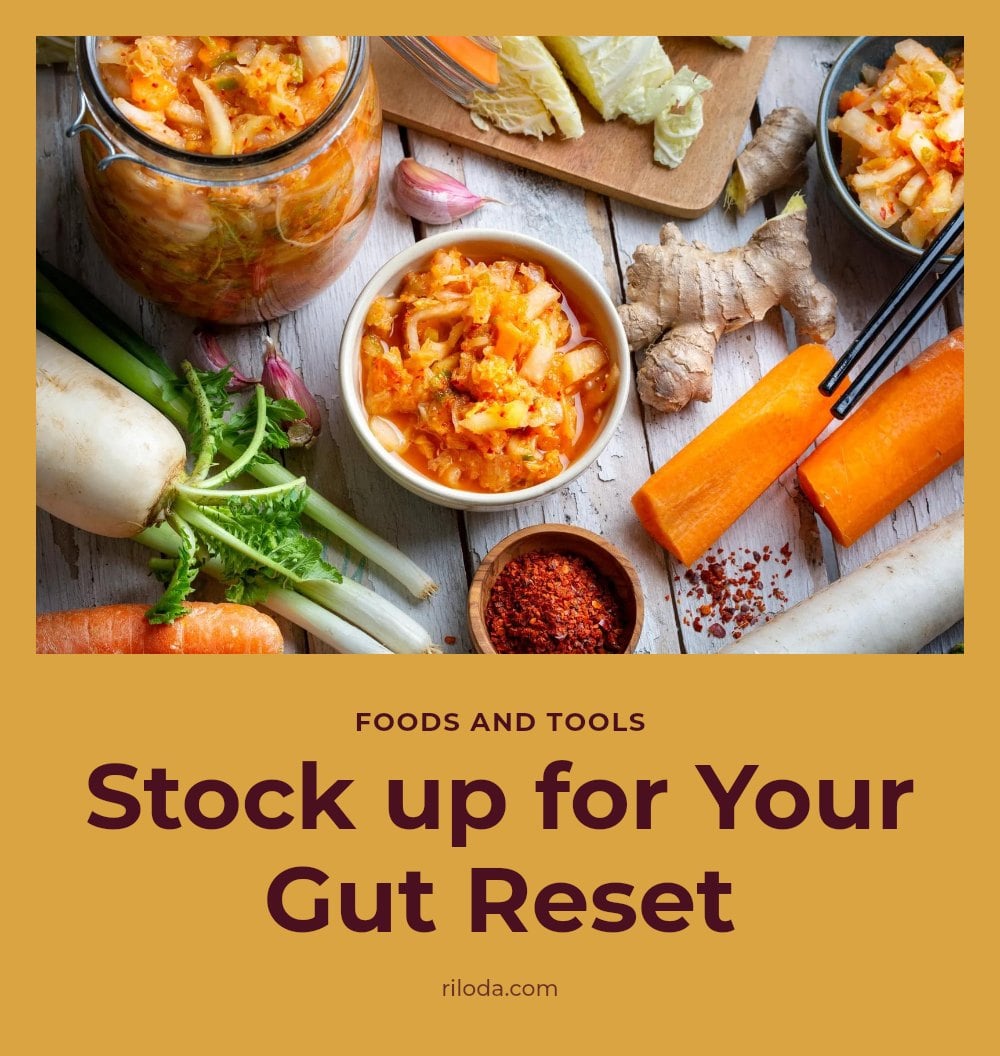
Start by stocking your kitchen with whole, unprocessed foods. You’ll want plenty of fruits, vegetables, lean proteins like chicken or legumes, and healthy fats such as avocado and olive oil. Fermented foods are key for probiotics: think yogurt, kefir, sauerkraut, or kimchi. Stay hydrated with water and unsweetened herbal teas. My tip: Keep a journal to track what you eat and how you feel; it helps spot patterns and keeps you accountable.
- Gut-friendly foods: leafy greens, berries, oats, nuts, seeds
- Probiotic sources: kefir, yogurt, kombucha, kimchi
- Hydration: water, ginger tea, peppermint tea
- Tools: water bottle, food journal
Your Step-by-Step Gut Reset Plan

Follow these steps for a beginner-friendly gut reset. Remember to consult a healthcare professional before starting, especially if you have health conditions or take medications.
- Clear your kitchen: Remove or set aside processed snacks, sugary drinks, and foods with artificial sweeteners. Stock up on whole foods like fruits, vegetables, lean proteins, and healthy fats.
- Eliminate triggers: For 1 to 4 weeks, many people choose to avoid common irritants such as gluten, dairy, soy, and refined sugar. This is a common practice, but individual plans may vary, so let your personal reactions and a professional’s guidance set the duration.
- Add fiber and probiotics: Each day, include a variety of fiber-rich foods (leafy greens, oats, berries) and a serving of fermented food (yogurt, kefir, sauerkraut). Fiber feeds beneficial bacteria; probiotics introduce live microbes.
- Hydrate and manage stress: Drink water throughout the day. Practice stress relief like deep breathing, yoga, or a short walk. Aim for 7 to 8 hours of sleep each night.
- Reintroduce slowly: After the elimination period, add one food group at a time (e.g., dairy for 2 days, then gluten). Note any symptoms in your journal. If something causes discomfort, you may have found a sensitivity.
Common Gut Reset Mistakes to Avoid
Avoid these common pitfalls to get the most out of your gut reset.
- Expecting quick results: Gut healing takes time; noticeable improvements may take 2 to 4 weeks. Be patient.
- Restricting too many foods: Cutting out entire food groups without guidance can lead to nutrient gaps. Focus on removing only the most common triggers.
- Ignoring lifestyle: Stress and poor sleep directly affect your gut. Prioritize relaxation and consistent rest.
- Skipping reintroduction: Don’t just add everything back at once. Reintroduce one food at a time to pinpoint what works for you.
Practical Tips for a Successful Gut Reset

My tip: Eat without distractions. Put your phone away, sit at a table, and chew each bite thoroughly. This simple habit gives your digestive system a head start and helps you notice when you’re full.
Experiment with fermented foods: Not all probiotic sources taste the same. Try kimchi, sauerkraut, kefir, yogurt, or kombucha one at a time to see which ones you actually enjoy and tolerate well. Include a serving daily, as noted in the main plan, but start with smaller portions if you’re new to them.
Track what works: Keep a simple journal of what you eat and how you feel afterward. Note bloating, energy levels, and mood. Patterns become clear within a week, and you can adjust your food choices accordingly.
Listen to your body: If a food causes discomfort, skip it for now and try reintroducing it later in smaller amounts. Your gut signals change as it heals, so stay flexible with your plan.
When to Consult a Healthcare Professional
Before you change your eating habits, check in with a doctor or registered dietitian. This matters even more if you have a chronic condition, take medication, or are pregnant or breastfeeding. A professional can help you avoid nutritional gaps and make sure the reset is safe for your situation.
Watch how your body responds. If digestive symptoms get worse or don’t improve after a couple of weeks, stop the reset and get medical advice. Persistent issues like severe bloating, pain, or changes in bowel habits deserve a proper evaluation.
Caution: A gut reset is not a diagnostic tool. Don’t use it to self-treat or guess at a medical condition. Only a healthcare provider can identify what’s actually going on and recommend targeted treatment.
How Long Does a Gut Reset Take and What to Expect?
A typical gut reset runs 1 to 4 weeks, but results vary greatly from person to person. Some people notice changes within days, while others need the full month to feel a difference. Don’t measure success against someone else’s timeline.
During the first few days, you may experience temporary bloating or gas as your gut adjusts to more fiber and fermented foods. This usually settles as your microbiome adapts. Tip: Start with small portions of new foods, including fermented ones like kimchi or kefir, to ease the transition and minimize discomfort.
Focus on long-term sustainable changes rather than quick fixes. The goal is to build habits you can keep after the reset ends, not to chase a perfect gut in two weeks.
Frequently Asked Questions
Can I eat meat during a gut reset?
Yes, lean proteins like chicken, fish, and legumes are encouraged during a gut reset. Focus on unprocessed sources and avoid heavily seasoned or breaded options that may contain added sugar or artificial ingredients.
What are the best foods to reintroduce after a gut reset?
After a reset, reintroduce foods one at a time, starting with those you removed like dairy, soy, or gluten. Wait a few days between each to see how your body reacts, and note any symptoms in a journal.
Is it normal to feel worse before feeling better?
Some people experience temporary bloating or gas when adding more fiber or fermented foods. This usually passes within a few days. If symptoms persist or worsen, stop and consult a healthcare professional.
Can a gut reset help with weight loss?
A gut reset is not a weight loss plan, but some people may lose water weight or feel less bloated. If you’re looking to lose weight, focus on sustainable changes like balanced meals and regular activity rather than a short-term reset.
How long does a gut reset typically last?
A typical gut reset runs 1 to 4 weeks, depending on your goals and how your body responds. Some people notice changes within days, while others need the full month to feel a difference.
Final Thoughts
My recommendation: start with one small change, like adding a serving of fermented food to your day or swapping sugary drinks for water. Keep a simple journal of what you eat and how you feel, and give yourself at least two weeks before judging the results. A gut reset isn’t a quick fix, but a gentle nudge toward habits that can support your digestion and energy long term.
This article is for informational purposes only and does not replace medical or professional advice. If you have a chronic condition, are pregnant, breastfeeding, or take medications, consult a doctor or registered dietitian before making dietary changes. For persistent digestive symptoms, seek professional guidance.
More Blog ideas
- How to Use Rose Water for Radiant Skin and Healthy Hair
- What Is My Personality Type? Understanding Yourself Better
- How to Clean Your Pores at Home
- Vitamin C Benefits for Skin and Health Plus the Best Foods
- How to Start Shadow Work for Deeper Self-Understanding
- How to Prep Your Hair Before Bleaching for Less Damage
- How to Prepare Sea Moss Gel at Home for Wellness
- How to Use Rice Water for Glowing Skin and Shiny Hair
- How to Find Morning Motivation When You Want to Stay in Bed
- Filing Nails: How to File Nails Correctly for Strong, Healthy Fingernails
- Healthy Coping Skills: Proven Strategies for Difficult Times
- Simple Ways to Romanticize Your Life Every Day