7 Gut-Healing Habits and Foods for Better Digestion
Discover 7 effective gut-healing habits and foods to improve your digestion and overall well-being. Learn how to support your gut health naturally.

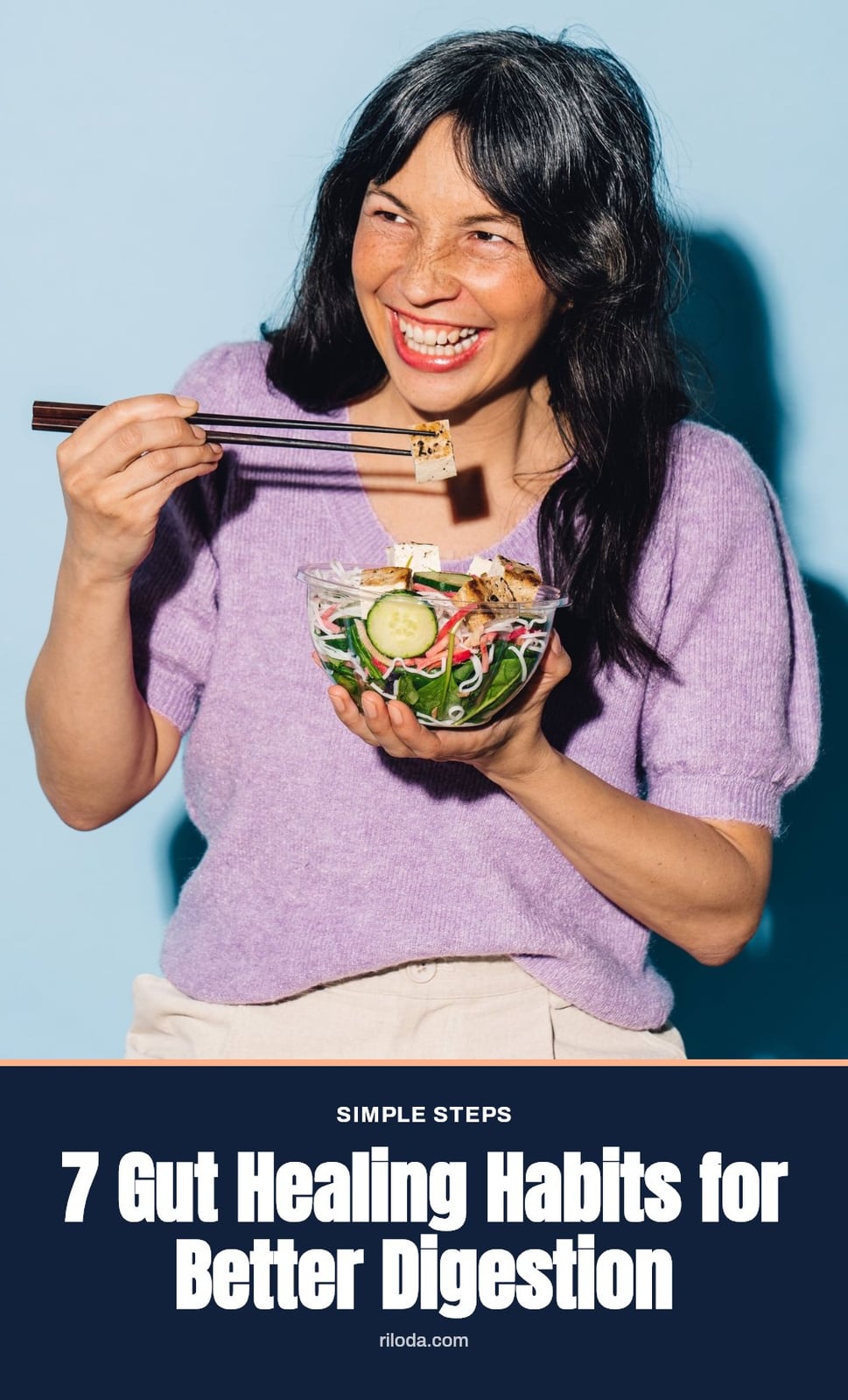
If you’ve been dealing with bloating, sluggish digestion, or just feel like your gut needs a reset, you’re not alone. Gut healing is all about supporting your digestive system through simple, everyday habits and the right foods. In this article, I’ll walk you through seven practical habits and food choices that can help you feel better from the inside out, plus what to watch out for along the way.
Key Takeaways
- Focus on whole, unprocessed foods to feed beneficial gut bacteria with fiber and nutrients.
- Include fermented foods like yogurt, kefir, or sauerkraut for natural probiotics.
- Manage stress and prioritize 7-9 hours of sleep to support microbiome health.
- Stay hydrated throughout the day to aid digestion and stool consistency.
- Expect gradual improvements over weeks to months, not overnight results.
What Does ‘Gut Healing’ Really Mean?
Gut healing refers to the practices and dietary changes aimed at improving the health of your digestive system, specifically the gut lining and the trillions of microorganisms that make up your microbiome. It’s not a medical diagnosis but a concept focused on reducing inflammation, restoring beneficial bacteria, and strengthening the gut barrier. The goal is to alleviate digestive discomfort, bloating, and related issues naturally. For persistent or severe symptoms, always consult a healthcare professional before starting any gut-healing protocol.
1. Prioritize Whole, Unprocessed Foods

Focus your plate on whole, unprocessed foods like fruits, vegetables, whole grains, and lean proteins. These provide essential nutrients and fiber, which acts as a prebiotic to feed the beneficial bacteria in your gut. Cutting back on highly processed foods, added sugars, and unhealthy fats may also help by reducing inflammation.
- Build meals around: leafy greens, berries, oats, quinoa, beans, and chicken or fish.
- Limit: packaged snacks, sugary drinks, and fried foods.
- Try: swapping one processed snack a day for a piece of fruit or a handful of nuts.
2. Embrace Fermented Foods
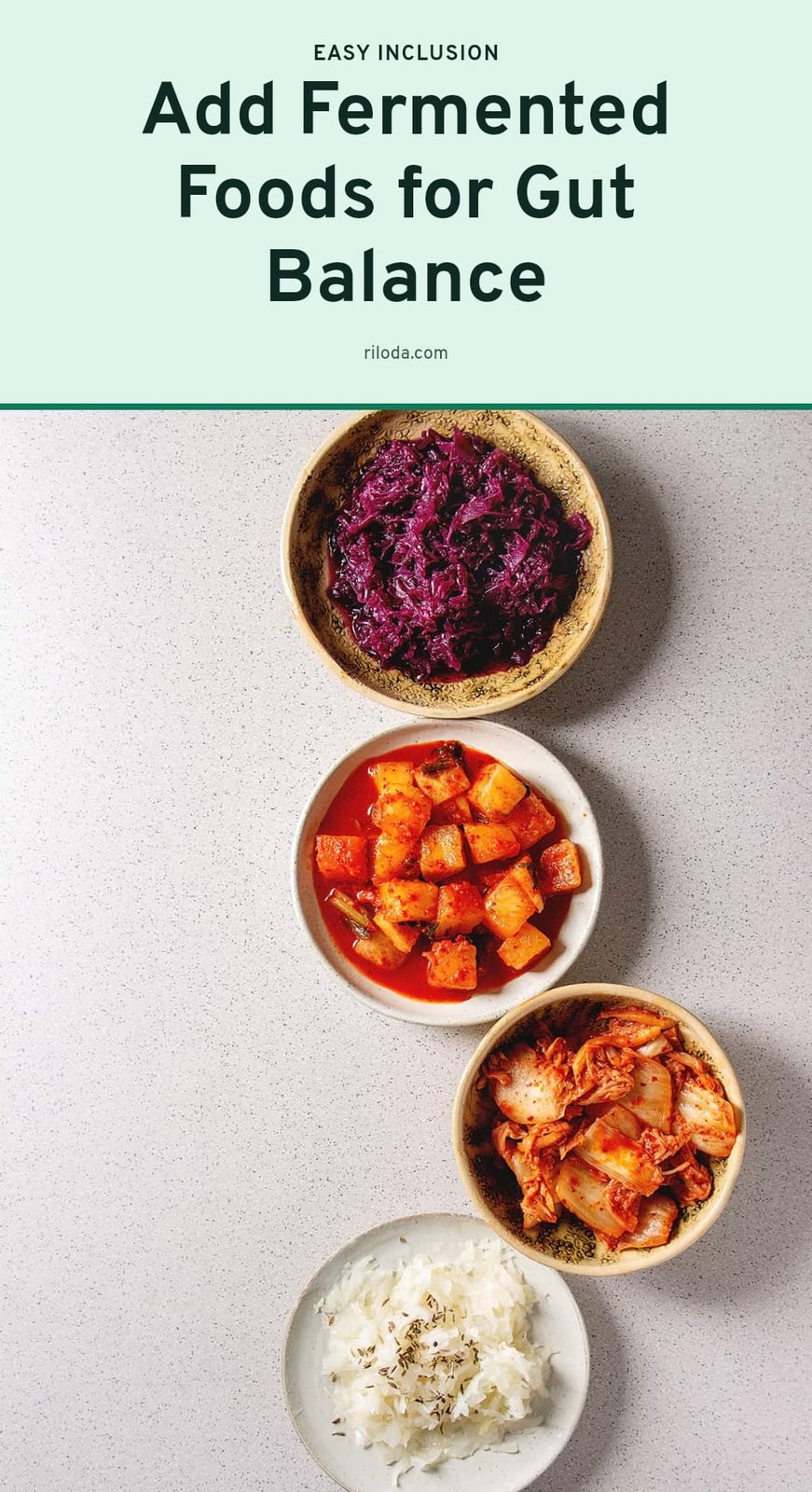
Add fermented foods like yogurt, kefir, sauerkraut, kimchi, and kombucha to your daily routine. These foods naturally contain probiotics, live microorganisms that can enrich your gut microbiome and support digestion.
- Start small: a few tablespoons of sauerkraut or a small glass of kefir.
- Rotate varieties: different fermented foods bring different probiotic strains.
- My tip: begin with one serving a day and gradually increase to let your gut adjust, especially if you’re new to fermented foods.
3. Hydrate Adequately Throughout the Day

Drinking enough water is essential for optimal digestion and maintaining healthy stool consistency. Hydration helps move food through your digestive tract and supports nutrient absorption.
- Aim for: regular sips throughout the day rather than large amounts at once.
- My tip: keep a reusable water bottle on your desk or in your bag as a visual reminder. Herbal teas can also count toward your fluid intake.
- Watch for: dark urine or constipation, which can signal you need more fluids.
4. Manage Stress Effectively

Chronic stress can alter gut motility, secretions, and the composition of your gut microbiome, making it harder for your digestive system to function well. Incorporate stress-reduction practices into your daily routine, such as meditation, yoga, deep breathing exercises, or spending time in nature.
Tip: Even 10-15 minutes of mindfulness a day can make a noticeable difference in how your gut feels.
5. Prioritize Quality Sleep
Aim for 7-9 hours of quality sleep per night, as sleep deprivation can negatively impact gut microbiome diversity and function. Establishing a consistent sleep schedule and creating a relaxing bedtime routine can greatly improve your sleep quality.
Good to know: Turn off screens at least an hour before bed and create a dark, cool, and quiet sleep environment.
6. Engage in Regular Physical Activity
Regular moderate exercise supports overall health, including digestive function, by promoting healthy gut motility and potentially influencing gut microbiome diversity. You don’t need intense workouts; even a daily brisk walk can contribute positively to your gut health.
Pro move: Find an activity you enjoy, whether it’s dancing, cycling, or gardening, to make it a sustainable habit.
7. Chew Your Food Thoroughly
Digestion begins in your mouth. Chewing your food thoroughly breaks it down into smaller particles, making it easier for your digestive enzymes to work. This simple habit can reduce the burden on your stomach and intestines, potentially lessening issues like bloating and indigestion.
Quick tip: Try to put your fork down between bites and focus on the taste and texture of your food to ensure you’re chewing adequately.
Common Gut-Healing Mistakes to Avoid
Expecting immediate results is a common trap. Significant improvements in gut health can take weeks to months, so consistency matters more than any single meal or supplement. Focusing only on probiotics while neglecting prebiotics (fiber from plants, whole grains, and legumes) means you’re missing a big piece of the puzzle. A diverse diet feeds a diverse microbiome.
Caution: Over-supplementing without professional guidance can backfire. Always consult a doctor or dietitian before adding new supplements to avoid over-supplementing or missing the root cause, and never rely on them to replace diet and lifestyle changes. Ignoring stress and sleep is another mistake. Both have a profound impact on gut health and cannot be overlooked.
Important: Never self-diagnose serious conditions. If you experience severe or persistent digestive symptoms such as severe pain, unexplained weight loss, or blood in stool, see a doctor. Gut healing protocols are not a substitute for professional care.
Frequently Asked Questions
How long does it take to heal your gut?
Significant improvements in gut health can take weeks to months, depending on your starting point and how consistently you follow healthy habits. It’s a gradual process, so don’t expect changes overnight. Focus on steady progress with diet, stress management, and sleep, and you’ll likely notice improvements over time.
What foods should I avoid for gut healing?
To support gut healing, it’s best to cut back on highly processed foods, added sugars, artificial sweeteners, and unhealthy fats. These can promote inflammation and disrupt your microbiome. Instead, prioritize whole, unprocessed foods like fruits, vegetables, whole grains, and lean proteins to give your gut what it needs.
Are gut-healing supplements necessary?
Supplements are not necessary for most people, and they should not replace a healthy diet and lifestyle. Focus first on getting probiotics from fermented foods and prebiotics from fiber-rich plants. If you do consider supplements, talk to a doctor or dietitian first to avoid over-supplementing or missing the root cause of your symptoms.
What is the ‘gut microbiome’?
The gut microbiome is the community of trillions of bacteria, fungi, viruses, and other microorganisms living in your digestive tract. A diverse microbiome is linked to better overall health, including digestion and immune function. Supporting it through diet and lifestyle is a key part of gut healing.
Can I heal my gut on my own?
Many people can improve their digestive health through diet and lifestyle changes like those in this article. However, if you experience persistent or severe symptoms like pain, unexplained weight loss, or blood in your stool, see a doctor. Self-diagnosing or using extreme diets can sometimes lead to nutrient deficiencies or other problems.
Can stress impact gut health?
Yes, chronic stress can alter gut motility, secretions, and the composition of your microbiome, making digestion harder. Managing stress through practices like meditation, yoga, or time in nature is an important part of supporting your gut. It’s not just about food, your mental state plays a big role too.
Final Thoughts
My tip: start with just one or two habits, like adding a serving of fermented food or chewing more slowly, and build from there. Realistic expectations matter, gut healing is a gradual process that takes weeks to months of consistency, not a quick fix. Stick with it, and your digestive system will thank you.
This article is for general informational purposes only and does not constitute medical advice. Gut health is a complex topic, and individual needs vary. Always consult a doctor, registered dietitian, or other qualified healthcare professional before making significant dietary changes, especially if you have existing health conditions or persistent symptoms.
More Blog ideas
- How to Use Rose Water for Radiant Skin and Healthy Hair
- What Is My Personality Type? Understanding Yourself Better
- How to Clean Your Pores at Home
- Vitamin C Benefits for Skin and Health Plus the Best Foods
- How to Start Shadow Work for Deeper Self-Understanding
- How to Prep Your Hair Before Bleaching for Less Damage
- How to Prepare Sea Moss Gel at Home for Wellness
- How to Use Rice Water for Glowing Skin and Shiny Hair
- How to Find Morning Motivation When You Want to Stay in Bed
- Filing Nails: How to File Nails Correctly for Strong, Healthy Fingernails
- Healthy Coping Skills: Proven Strategies for Difficult Times
- Simple Ways to Romanticize Your Life Every Day