Forgiving: How to Practice Self-Forgiveness and Release Guilt
Discover how forgiving yourself can help you release guilt and shame. Learn practical steps to cultivate self-compassion and begin emotional healing.


You know that heavy feeling when you just can’t seem to move past something you did or didn’t do? That guilt can cling to you, whispering that you’re not good enough. But here’s the truth: forgiving yourself is possible, and it’s one of the most freeing things you can do for your own peace of mind. This article walks you through the real steps to let go of guilt, understand the difference between guilt and shame, and start treating yourself with the same kindness you’d offer a friend.
Key Takeaways
- Self-forgiveness is a process of acknowledging your actions without judgment and releasing guilt, not condoning harm.
- Start by naming the specific action you’re struggling with and taking responsibility without harsh self-blame.
- Practice self-compassion by speaking to yourself like you would a friend in the same situation.
- Making amends, when appropriate, can be a powerful step toward moving forward.
- If guilt or shame feels overwhelming or persistent, seek help from a therapist or counselor.
What Does It Mean to Forgive Yourself?
Self-forgiveness is a process of acknowledging your past actions without judgment. It means accepting your humanity and imperfections, recognizing that you are not defined by your mistakes. This is about choosing to release the burden of guilt, not condoning harmful behavior. You can take responsibility and still extend compassion to yourself. It is a deliberate, ongoing practice, not a one-time decision.
Step-by-Step: How to Practice Self-Forgiveness

- Acknowledge the action: Name specifically what you did or failed to do. Write it down or say it out loud. This validates your feelings and makes the issue concrete.
- Take responsibility: Own your part without slipping into self-pity or harsh blame. You can say, “I made a mistake,” without adding, “I’m a terrible person.”
- Practice self-compassion: Speak to yourself as you would to a friend in the same situation. Use kind, understanding words. Remind yourself that everyone errs.
- Reflect on the lesson: Ask what this experience taught you. How can you act differently next time? This turns regret into growth.
- Make amends if possible: If you harmed someone, consider a sincere apology or a reparative action. Ensure it is safe and respectful for the other person.
- Engage in self-care: Do activities that reduce stress and promote well-being, like walking, journaling, or a warm bath. This reinforces that you deserve care.
Tools and Resources for Your Forgiveness Journey
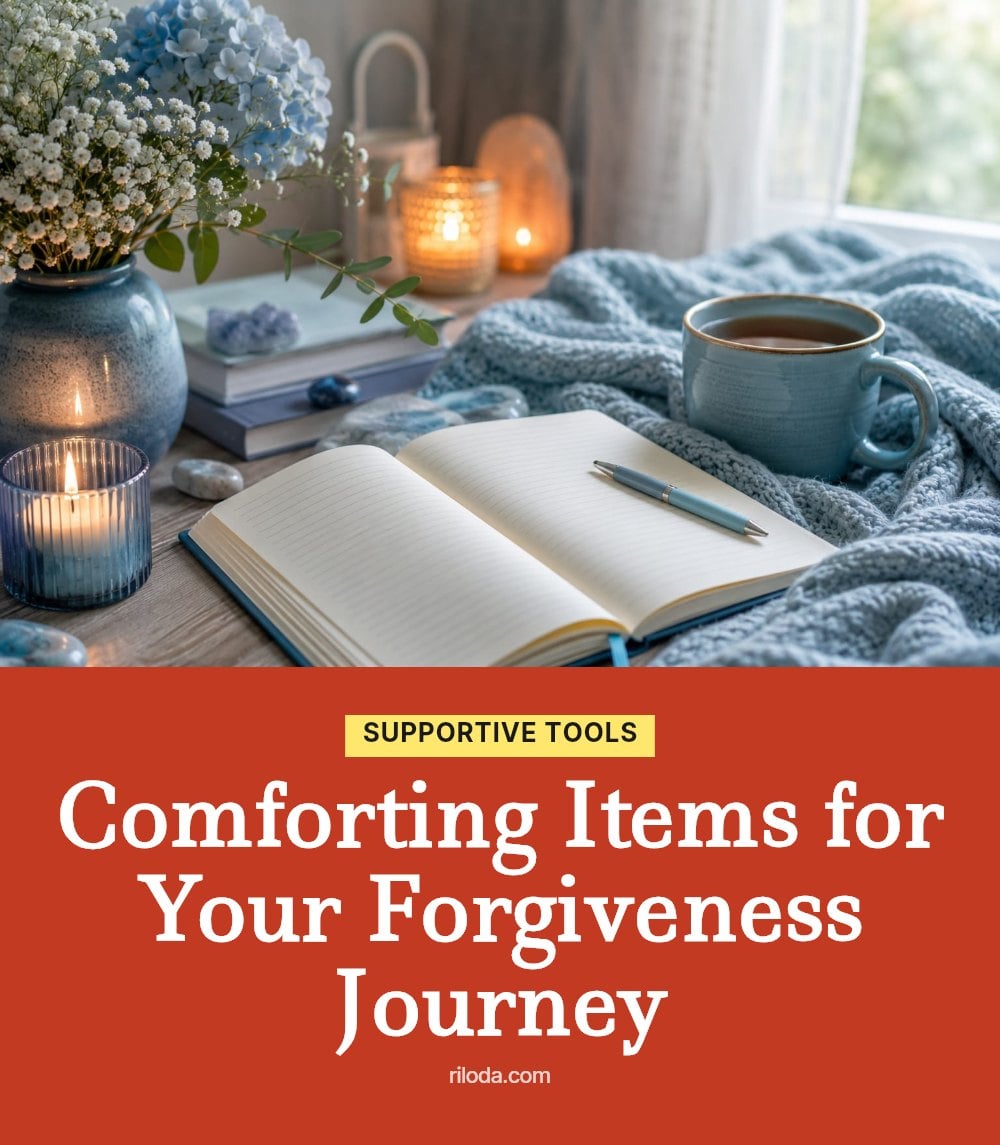
You don’t need much to start, but a few tools can support your journey.
- Journal or notebook: Use it to process emotions, track progress, and reflect on patterns. Writing helps clarify thoughts.
- Self-help books or guided meditations: Look for resources on self-compassion. They offer structured exercises and perspectives.
- Therapist or counselor: A professional can provide personalized guidance and coping strategies, especially if you feel stuck.
Common Mistakes to Avoid When Forgiving Yourself
Avoid these pitfalls as you work toward self-forgiveness.
- Letting yourself off the hook: Self-forgiveness is not about ignoring consequences. It’s about taking responsibility and moving forward.
- Expecting instant relief: Healing takes time. You won’t feel better overnight, and that’s normal.
- Forgetting or ignoring impact: You can forgive yourself without erasing what happened. Acknowledge the harm done.
- Staying stuck in the past: Focus on what you can do now, not just what went wrong.
- Skipping acknowledgment: You can’t forgive what you haven’t fully owned. Be honest about your role.
- Waiting for others’ forgiveness: External validation isn’t required. Your self-forgiveness is yours to give.
Understanding Guilt Versus Shame
Understanding Guilt Versus Shame
Guilt and shame feel similar but are fundamentally different. Guilt focuses on a specific action: “I did something bad.” Shame attacks your entire identity: “I am bad.” This distinction matters because self-forgiveness requires separating your worth from your mistakes.
When you feel guilt, you can address the behavior directly, acknowledge it, learn from it, and make amends. Shame, on the other hand, convinces you that you are inherently flawed, which blocks the path to forgiveness. My tip: When you catch yourself thinking “I’m a terrible person,” pause and reframe it as “I made a choice I regret.” That small shift moves you from shame to guilt, where healing becomes possible.
How Long Does Self-Forgiveness Take?
Self-forgiveness is not a switch you flip. It is a gradual process that can take weeks, months, or longer, depending on the situation and your history. You will not wake up one day feeling completely free; instead, you will notice small shifts in how you talk to yourself and how much the memory stings.
Professional guidance can help you move through stuck points and keep the timeline from stretching indefinitely. Good to know: Progress looks like shorter bouts of guilt, fewer intrusive thoughts, and a growing ability to accept your own humanity.
When to Seek Professional Help
If feelings of guilt, shame, or self-blame feel overwhelming, persist for months, or lead to thoughts of self-harm, reach out to a therapist or counselor immediately. Self-forgiveness work can stir up intense emotions, and a professional provides structured support and coping strategies you cannot get from a book or a friend.
Professional help is especially important if your past actions harmed someone else and you need to navigate amends safely, without causing further distress. A therapist can guide you through taking responsibility while protecting your mental health and respecting the other person’s boundaries.
Frequently Asked Questions
How long does it take to forgive yourself?
There is no set timeline. For some people it takes weeks, for others months or longer. The key is patience and consistent effort. You won’t wake up free overnight, but you will notice gradual shifts in how you talk to yourself and how heavy the guilt feels.
Is self-forgiveness the same as forgetting what happened?
No, not at all. Self-forgiveness means acknowledging what happened, taking responsibility, and then releasing the guilt so you can move forward. Forgetting would mean ignoring the impact, which doesn’t lead to real healing.
What if I can’t forgive myself for something really bad?
Some actions feel impossible to forgive, especially if they caused significant harm. If you’re stuck, consider working with a therapist who can help you process the guilt and shame safely. You don’t have to do it alone, and professional support can make a real difference.
Can I forgive myself without someone else’s forgiveness?
Yes, you can. While making amends is important if it’s safe and appropriate, your self-forgiveness doesn’t depend on someone else’s response. You can take responsibility and still choose to release your own guilt, even if the other person isn’t ready to forgive you.
How do I stop feeling guilty all the time?
Start by naming the specific action causing the guilt and validating that feeling without judgment. Then practice self-compassion and challenge the negative self-talk that keeps the guilt alive. If the guilt persists for months or feels overwhelming, a therapist can help you work through it.
Final Thoughts
Forgiving yourself isn’t about wiping the slate clean or pretending the past didn’t happen. It’s about acknowledging your mistake, learning from it, and choosing to stop punishing yourself. Give yourself permission to feel the discomfort, but don’t let it define you. Over time, with repeated effort, you’ll notice those small shifts in how you see yourself. You deserve that peace.
This article is for informational purposes only and is not a substitute for professional medical or mental health advice. If you are experiencing overwhelming guilt, shame, or thoughts of self-harm, please seek help from a licensed therapist or counselor.
More Blog ideas
- How to Use Rose Water for Radiant Skin and Healthy Hair
- What Is My Personality Type? Understanding Yourself Better
- How to Clean Your Pores at Home
- Vitamin C Benefits for Skin and Health Plus the Best Foods
- How to Start Shadow Work for Deeper Self-Understanding
- How to Prep Your Hair Before Bleaching for Less Damage
- How to Prepare Sea Moss Gel at Home for Wellness
- How to Use Rice Water for Glowing Skin and Shiny Hair
- How to Find Morning Motivation When You Want to Stay in Bed
- Filing Nails: How to File Nails Correctly for Strong, Healthy Fingernails
- Healthy Coping Skills: Proven Strategies for Difficult Times
- Simple Ways to Romanticize Your Life Every Day