How to Fix Dry Scalp at Home with Simple Natural Steps
Learn how to fix dry scalp at home with effective, natural remedies. Discover gentle care tips and treatments for lasting relief from itchiness and flakes.

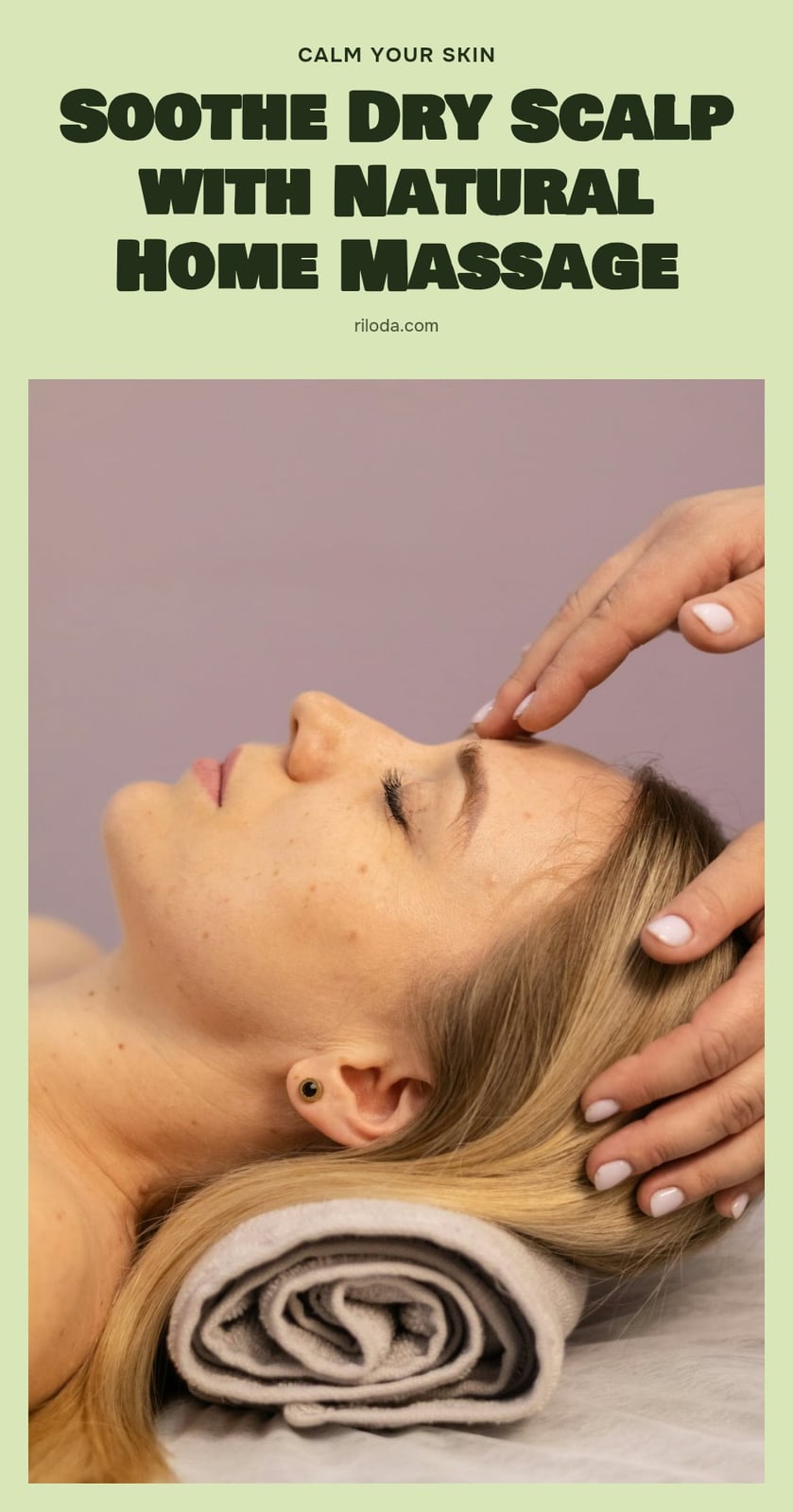
If your scalp feels tight, itchy, and leaves small white flakes on your shoulders, you’re likely dealing with dry scalp, not dandruff. The good news is that you can often fix it at home with a few simple changes to your routine. In this article, I’ll walk you through the causes, effective home remedies, common mistakes to avoid, and how to prevent it from coming back, so you can get lasting relief.
Key Takeaways
- Use a gentle, sulfate-free shampoo and moisturizing conditioner every wash.
- Wash with lukewarm water, not hot, to prevent moisture loss.
- Apply a natural oil like coconut or jojoba weekly for deep hydration.
- Patch test any new treatment on your inner arm first.
- See a dermatologist if symptoms persist after two weeks of gentle care.
What Causes Dry Scalp and How to Fix It
Dry scalp happens when your scalp lacks moisture, leaving it itchy, tight, and prone to small, white flakes. The fix is straightforward: switch to gentle care, add moisturizing treatments, and cut out irritants like harsh shampoos or hot water. Unlike dandruff, which brings larger, yellowish, oily flakes, dry scalp flakes are dry and powdery. Consistent hydration and soothing ingredients can restore balance.
Why Your Scalp Gets Dry and Flaky

Why Your Scalp Gets Dry and Flaky
Your scalp gets dry when it doesn’t hold enough moisture, causing the skin cells to dehydrate and flake off. Several everyday habits can strip away the natural oils that keep your scalp protected.
- Frequent washing: Shampooing too often removes protective oils, leaving the scalp parched.
- Harsh shampoos: Sulfates and strong detergents can be drying for many people.
- Hot water: Washing with very hot water pulls moisture from the skin.
- Cold weather or low humidity: Dry air accelerates water loss from the scalp.
Certain skin conditions, like eczema or psoriasis, can also contribute to a dry, flaky scalp. If you have a known condition, treating it may help your scalp.
Essential Tools and Products for a Healthy Scalp
Essential Tools and Products for a Healthy Scalp
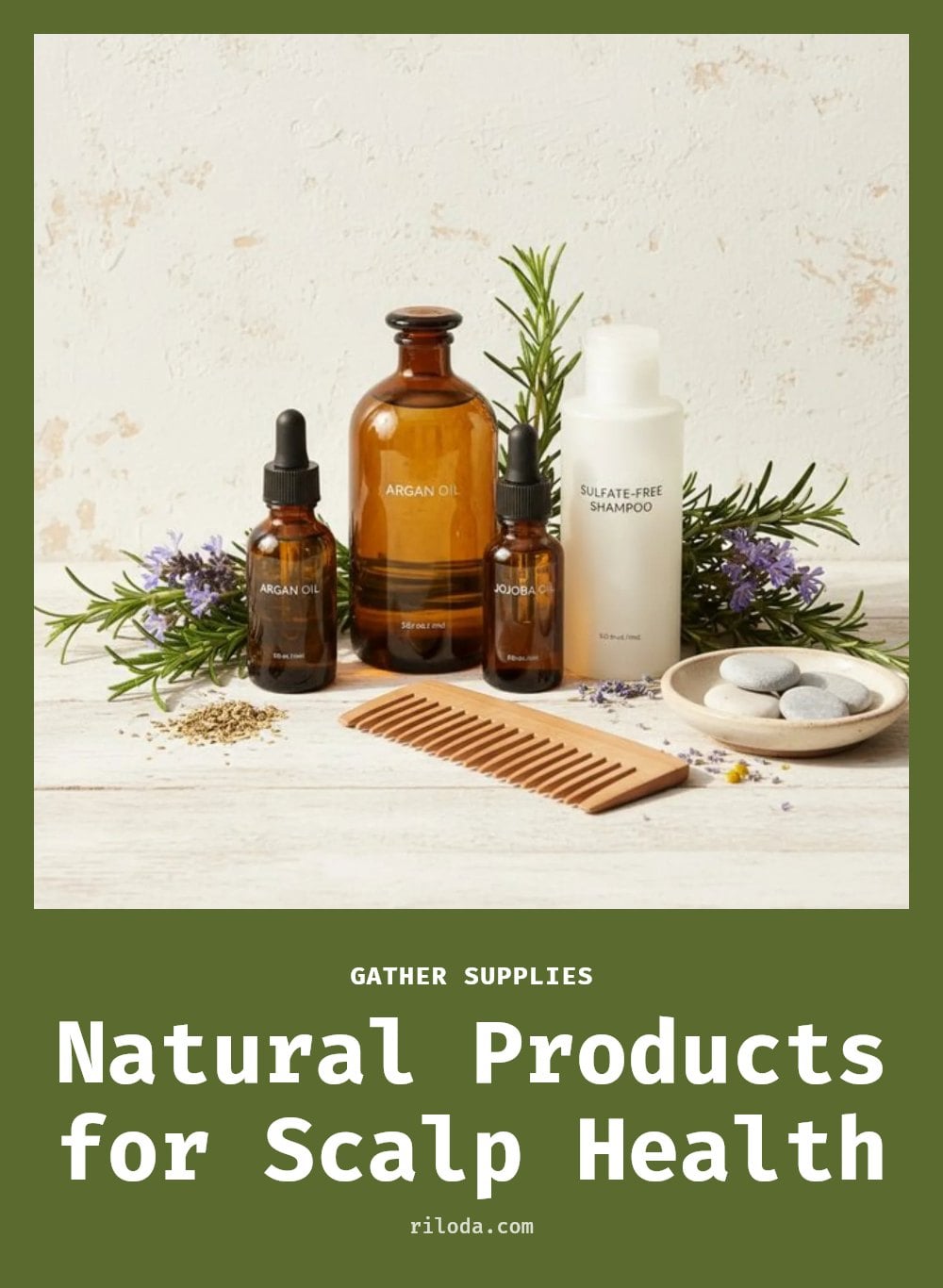
Start with a gentle, sulfate-free shampoo to cleanse without stripping moisture. Follow with a moisturizing conditioner that hydrates both scalp and hair. For deeper care, keep natural oils like coconut or jojoba oil on hand; they provide lasting moisture when massaged in. A scalp massager is a small investment that stimulates circulation and helps products absorb better.
Effective Home Remedies to Soothe Your Dry Scalp

Effective Home Remedies to Soothe Your Dry Scalp
These at-home treatments can bring real relief, but always patch test a new ingredient on your inner arm before applying it to your scalp.
Coconut Oil Treatment
Warm a tablespoon of coconut oil until it’s liquid but not hot. Massage it into your scalp with your fingertips, then leave it on for 20 to 30 minutes. Rinse with lukewarm water and shampoo as usual. The oil locks in moisture and softens flakes.
Jojoba Oil Massage
Jojoba oil closely mimics your skin’s natural sebum, so it absorbs easily. Apply a few drops directly to your scalp and massage in circular motions for 5 minutes. Leave it on overnight if you can, then wash out in the morning.
Aloe Vera Gel
Aloe vera gel soothes irritation and adds hydration. Apply pure aloe gel to your scalp, let it sit for 15 minutes, then rinse. Use it 2 to 3 times a week for best results.
Apple Cider Vinegar Rinse
Mix one part apple cider vinegar with three parts water. After shampooing, pour the mixture over your scalp, massage gently, and rinse thoroughly. Some people find this helps balance scalp pH, but don’t use it more than once a week.
Scalp Massage
Regular scalp massages boost blood flow, which may support overall scalp health. Use your fingertips or a scalp massager for 5 minutes daily, moving in small circles. This also helps distribute your scalp’s natural oils.
My tip: Keep treatments simple and consistent. One or two remedies used regularly beat switching between five different ones.
Common Mistakes When Treating Dry Scalp
Mistake 1: Treating dry scalp like dandruff. Dandruff needs anti-fungal shampoos, but those can strip moisture and make dry scalp worse. Dry flakes are small and white; dandruff flakes are larger and yellowish.
Mistake 2: Washing your hair too often. Every wash removes natural oils your scalp needs. Aim for every 2-3 days, or less if your scalp feels tight after washing.
Mistake 3: Using harsh products. Sulfates, alcohol, and synthetic fragrances can irritate a dry scalp. Stick with gentle, fragrance-free formulas.
Mistake 4: Scratching aggressively. It feels good for a second but damages the skin barrier and can cause sores. Use a scalp massager or your fingertips in gentle circles instead.
Preventing Dry Scalp From Returning
Once your scalp feels better, keep it that way with these habits.
- Choose gentle products: Use a sulfate-free shampoo and moisturizing conditioner every time you wash.
- Watch the water temperature: Lukewarm water is best. Hot water strips moisture from your scalp.
- Hydrate from within: Drink plenty of water throughout the day. It supports skin health, including your scalp.
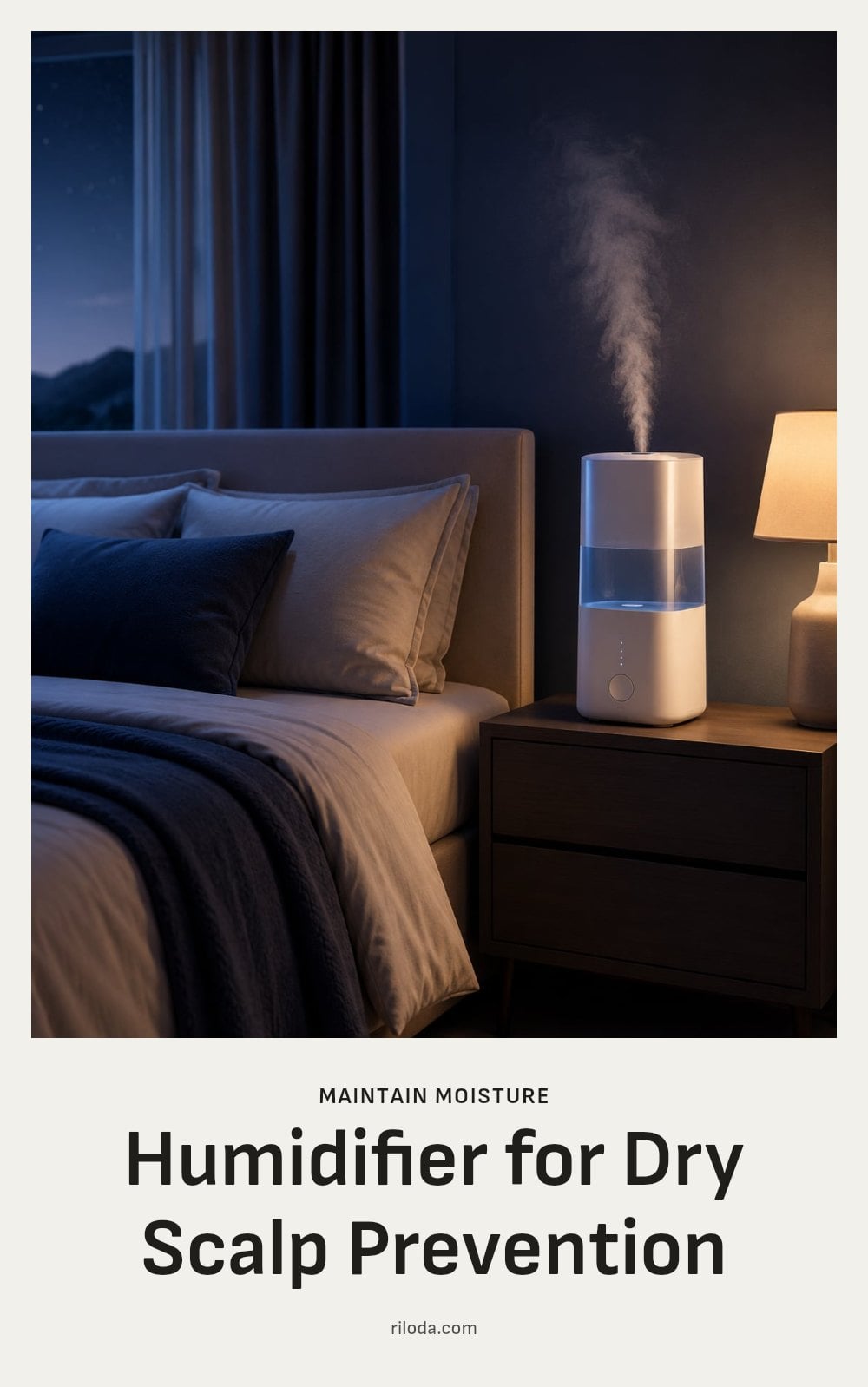
- Add moisture to the air: A humidifier in your bedroom can prevent dry air from pulling moisture from your scalp overnight.
- Protect from weather: Wear a hat in cold wind and in direct sun to shield your scalp from harsh conditions.
How Long Until You See Results and What to Expect
Most people notice less itchiness and fewer flakes within a few days to a week of consistent care. Your scalp may still feel dry at first, but it should improve steadily.
Ongoing maintenance is normal. You might need to repeat treatments weekly or switch products with the seasons. The good news: home remedies like coconut oil and aloe vera cost very little compared to specialty products.
When to Consult a Professional for Your Scalp
See a dermatologist if your symptoms don’t improve after two weeks of gentle care, or if you notice severe redness, swelling, or open sores. These can signal eczema, psoriasis, or an infection that needs medical treatment.
My tip: Don’t wait too long. A professional can tell you exactly what’s going on and recommend targeted treatments that home remedies can’t provide.
Frequently Asked Questions
How often should I treat a dry scalp?
For most people, applying a moisturizing treatment like coconut oil once a week is a good starting point. You can adjust based on how your scalp responds; if it still feels dry, you might increase to twice a week. Avoid overdoing it, as too much oil can weigh down your hair or cause buildup.
Can diet affect dry scalp?
Yes, what you eat can play a role. Staying hydrated by drinking plenty of water is key, and getting enough essential fatty acids, like those in fish, nuts, and seeds, may support skin and scalp health. While diet isn’t a cure-all, a balanced diet can help maintain moisture from within.
Is dry scalp contagious?
No, dry scalp is not contagious. It’s a condition caused by a lack of moisture in your scalp, not by an infection or parasite. You can’t pass it to someone else through contact. If you’re unsure whether your condition is contagious, see a professional for an accurate diagnosis.
What’s the difference between dry scalp and dandruff?
Dry scalp flakes are small, white, and dry, while dandruff flakes are typically larger, yellowish, and oily. Dandruff is often caused by an overgrowth of yeast, while dry scalp is due to lack of moisture. Using anti-dandruff shampoos on a dry scalp can make it worse, so it’s important to know which one you have.
Can stress cause dry scalp?
Stress can indirectly affect your scalp health. While it’s not a direct cause, stress may influence skin conditions like eczema or psoriasis, which can lead to dryness. Managing stress through relaxation techniques or exercise might help, but if you notice persistent symptoms, consult a professional.
Final Thoughts
To fix dry scalp, start by swapping your shampoo for a sulfate-free formula and washing with lukewarm water. Add a weekly coconut oil or jojoba oil treatment, and be gentle when massaging your scalp. Expect to see noticeable improvement in itchiness and flaking within a few days to a week of consistent care, but remember that ongoing maintenance is normal. If symptoms don’t improve after two weeks or you notice severe redness, swelling, or sores, it’s time to consult a dermatologist. With the right routine, you can keep your scalp comfortable and healthy.
This article is for general information only and is not a substitute for professional medical advice. If you have persistent, severe, or worsening symptoms, or if you notice signs of infection, please consult a dermatologist or healthcare provider.
More Blog ideas
- How to Use Rose Water for Radiant Skin and Healthy Hair
- What Is My Personality Type? Understanding Yourself Better
- How to Clean Your Pores at Home
- Vitamin C Benefits for Skin and Health Plus the Best Foods
- How to Start Shadow Work for Deeper Self-Understanding
- How to Prep Your Hair Before Bleaching for Less Damage
- How to Prepare Sea Moss Gel at Home for Wellness
- How to Use Rice Water for Glowing Skin and Shiny Hair
- How to Find Morning Motivation When You Want to Stay in Bed
- Filing Nails: How to File Nails Correctly for Strong, Healthy Fingernails
- Healthy Coping Skills: Proven Strategies for Difficult Times
- Simple Ways to Romanticize Your Life Every Day