Discover the Best Fiber Foods for Optimal Digestive Health
Discover the top fiber foods to boost your health. Learn which foods are rich in fiber and how to easily add them to your diet for better digestion.

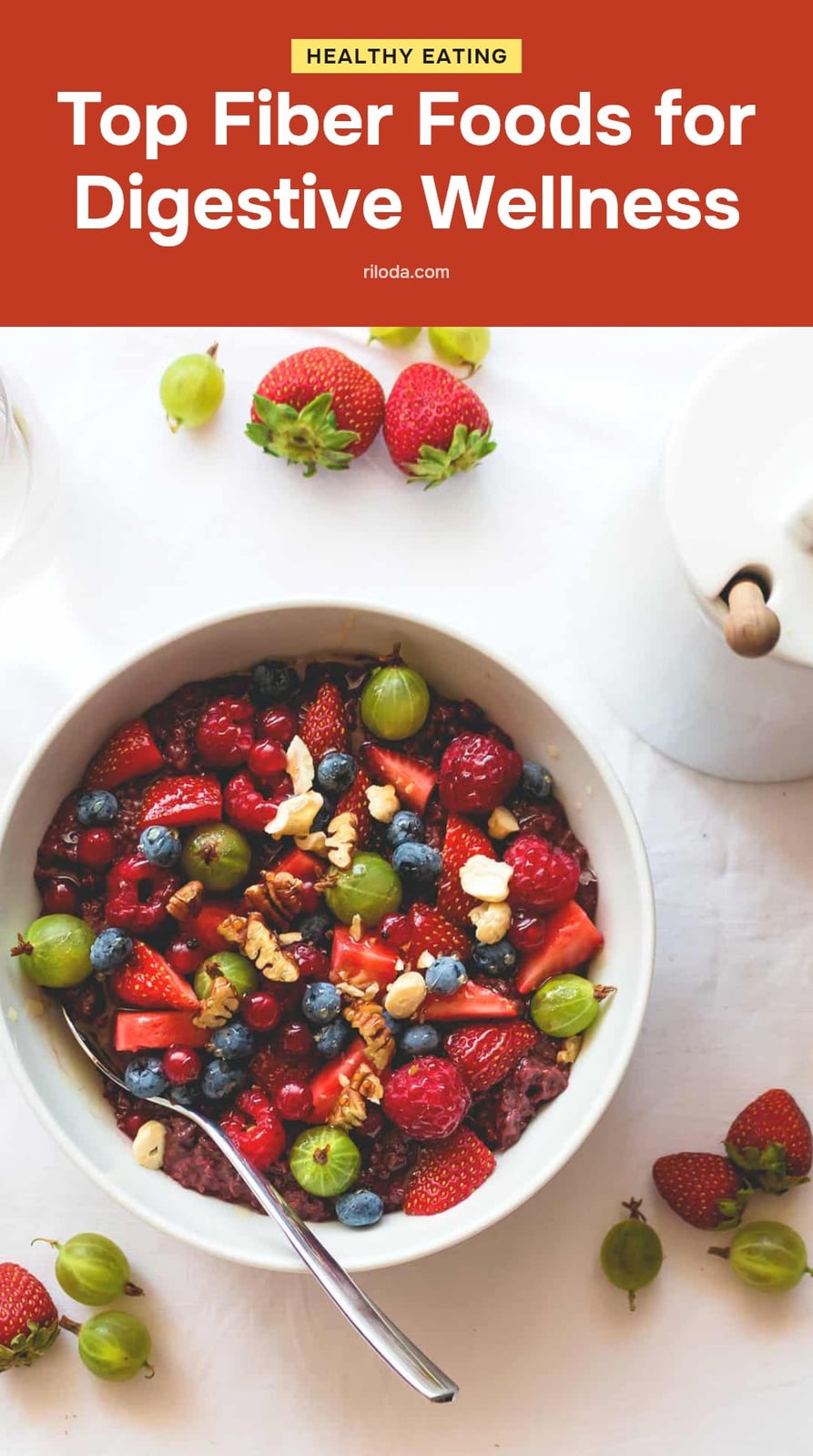
Hitting your fiber goal is less about willpower and more about knowing which foods do the heavy lifting. Adult women need about 25 grams a day and adult men about 38, and a plate built around legumes, berries, oats, whole grains, and vegetables gets you there without much math. This article walks through the best fiber foods, why each one earns its spot, and the small habits that keep your digestive system happy along the way.
My tip: pick two or three favorites from this list and add them to meals you already eat, rather than overhauling everything at once.
Key Takeaways
- Aim for 25 grams of fiber daily if you are an adult woman and 38 grams if you are an adult man.
- Legumes like black beans, lentils, chickpeas, and kidney beans are among the richest fiber sources you can eat.
- Eat skins when they are edible and choose whole fruit over juice to keep more fiber.
- Increase fiber gradually and drink plenty of water to avoid gas, bloating, and constipation.
What Are the Best Fiber Foods?
The best fiber foods are plant-based: fruits, vegetables, whole grains, legumes, nuts, and seeds. Whole, unprocessed options give you both soluble and insoluble fiber, and the two work together to support digestive health, blood sugar regulation, and cholesterol management. Peeling, juicing, and refining grains strips much of the fiber out, so eat the skin when it is edible and choose whole grains over white. Add these foods gradually and drink plenty of water alongside them to get their full benefits. Adult women need about 25 grams of fiber a day and adult men about 38.
1. Legumes: Beans and Lentils

Black beans, lentils, chickpeas, and kidney beans are among the richest fiber sources you can put on a plate, and they deliver both soluble and insoluble fiber, which makes them a powerhouse for digestive health.
- My tip: I love adding a half-cup of lentils to soups or a handful of chickpeas to my salads for an easy fiber boost. They also help me feel full longer.
- They are packed with plant-based protein too, a bonus for satiety and muscle health.
- Canned beans work fine. Rinse them well to cut some of the added sodium.
2. Berries: Raspberries and Blackberries

When it comes to fruit, berries are fiber superstars, and raspberries and blackberries sit at the top of the list. They deliver a significant amount of fiber per serving along with antioxidants, so a small handful does real work in your daily count.
I always keep a bag of frozen mixed berries on hand for smoothies or to top my oatmeal. It is an easy way to get that fiber kick, and frozen berries hold up just as well as fresh.
3. Avocados
Avocados are unique among fruits: a good amount of fiber alongside healthy monounsaturated fats. That pairing helps with satiety and nutrient absorption, so a serving keeps you full longer than most fruits.
My tip: add avocado toast or a few slices to your salad for a simple way to get more fiber and healthy fats. A squeeze of lemon slows the browning once it is cut.
4. Oats

Oats are a fantastic source of soluble fiber, particularly beta-glucan, which is known for its cholesterol-lowering properties. Regularly eating oats can contribute to heart health and help stabilize blood sugar.
My tip: Start your day with a bowl of oatmeal. You can add fruit, nuts, or seeds for an extra fiber punch and flavor.
5. Apples and Pears
Apples and pears are excellent sources of both soluble and insoluble fiber, especially if you eat the skin. The fiber in these fruits helps with digestion and can contribute to feelings of fullness.
Always wash them thoroughly and enjoy them whole for maximum fiber benefits.
6. Broccoli and Brussels Sprouts

Broccoli and Brussels sprouts are cruciferous vegetables packed with fiber and a host of other nutrients. They provide both soluble and insoluble fiber, supporting gut health and regularity.
I’ve found roasting them brings out their best flavor, making them an easy and delicious side dish.
7. Chia Seeds and Flax Seeds
Don’t let their small size fool you; chia and flax seeds are fiber powerhouses, especially for soluble fiber. They form a gel when mixed with liquid, which is fantastic for digestive regularity and can help manage blood sugar.
Tip: Sprinkle a tablespoon into your yogurt, smoothie, or oatmeal daily. It’s an effortless way to boost your fiber intake.
8. Whole Grains: Quinoa and Brown Rice

Swap refined grains for whole grains like quinoa and brown rice, and you’ll get a significant fiber boost. They’re packed with insoluble fiber, which adds bulk to stool and promotes regular bowel movements. Use them as a base for meals with vegetables and protein for sustained energy and essential nutrients.
9. Nuts: Almonds and Walnuts
Almonds and walnuts bring healthy fats and protein to the table, and they add a solid amount of fiber on top of that. A small handful makes a satisfying snack that can help curb hunger between meals, and it nudges your daily fiber count up without any prep.
Good to know: Portion them out instead of eating from the bag. A handful in a small bowl is easy to stop at; an open bag on the couch is not.
10. Carrots
Carrots are versatile and rich in both soluble and insoluble fiber, plus vitamins and antioxidants. Enjoy them raw as a snack, roasted, or added to stir-fries. I always keep baby carrots in the fridge for a quick, crunchy fiber boost when I’m feeling snacky.
11. Sweet Potatoes
Sweet potatoes provide a substantial amount of fiber, especially in their skin. They’re a complex carbohydrate that offers sustained energy and helps regulate blood sugar. Baking or roasting them with the skin on is my favorite way to maximize their fiber content.
Common Fiber Mistakes to Avoid
Most fiber trouble comes from how you add it, not from the fiber itself. These are the slips I see most often, plus the fix for each.
- Not drinking enough water: Fiber absorbs liquid, so without enough fluids it can lead to constipation instead of preventing it. When you eat more fiber, drink more water alongside it.
- Increasing fiber too quickly: Your digestive system needs time to adjust. Jumping from low to high overnight can cause gas, bloating, and abdominal discomfort. Add a little at a time and give your gut a week or two to catch up.
- Avoiding whole grains: Cutting out all carbohydrates also cuts out some of the easiest fiber sources. Choose whole wheat over white, brown rice over white rice, and keep oats and quinoa in rotation.
- Relying on processed high-fiber foods: A label that says high fiber can still come with added sugars, unhealthy fats, or artificial ingredients. Read the ingredient list and get most of your fiber from whole foods.
- Underestimating plant-based fiber: Animal products contain no dietary fiber at all. Build meals around fruits, vegetables, legumes, whole grains, nuts, and seeds to hit your daily target.
Caution: If you get severe abdominal pain, persistent bloating, or changes in bowel habits after raising your fiber intake, check with a doctor. People with conditions like Crohn’s disease, ulcerative colitis, or a history of bowel obstruction should talk to their doctor before making a big fiber change.
Frequently Asked Questions
Can I get too much fiber?
Yes, it is possible to overdo it, especially if you increase quickly. Too much fiber at once can cause gas, bloating, and abdominal discomfort, and without enough fluids it can lead to constipation. Spread fiber across meals, drink plenty of water, and if you have severe abdominal pain, persistent bloating, or changes in bowel habits, consult a doctor.
Do fiber supplements work as well as food?
Supplements can add fiber, but they do not replace what whole foods offer. Plant foods bring fiber alongside vitamins, minerals, and other nutrients, and they contain both soluble and insoluble types. Aim to get most of your fiber from fruits, vegetables, whole grains, legumes, nuts, and seeds, and treat supplements as a backup rather than the main source.
How quickly will I notice benefits from a high-fiber diet?
Many people notice improved digestion and regularity within days to weeks of consistent high-fiber eating. The key word is consistent, since fiber works as a daily habit rather than a one-time fix. If nothing changes after a few weeks, or if symptoms get worse, it is worth checking in with a doctor.
Are there people who should be careful with a high-fiber diet?
Some people should talk to their doctor before significantly increasing fiber. That includes anyone with conditions such as Crohn’s disease or ulcerative colitis, and people with a history of bowel obstructions. If you have a digestive condition, get medical advice on the right amount and type of fiber for you rather than following general guidelines.
Final Thoughts
The simplest rule: build each meal around one plant food from this list, and let the fiber add up on its own. Legumes, berries, oats, and whole grains do most of the work, with nuts, seeds, and vegetables filling in the rest. Expect to feel more regular within days to weeks of consistent eating, though the change is gradual by design. If you ramp up slowly and keep water close by, your digestive system usually adjusts without much drama.
Start with a single swap this week, like lentils in place of part of the meat in a favorite dish, and build from there.
This article is general information and not medical advice. Fiber needs vary from person to person, and a high-fiber diet is not right for every digestive condition. If you have persistent or serious symptoms, or a diagnosed digestive disorder, speak with a doctor or dietitian before making big changes.
More Blog ideas
- How to Use Rose Water for Radiant Skin and Healthy Hair
- What Is My Personality Type? Understanding Yourself Better
- How to Clean Your Pores at Home
- Vitamin C Benefits for Skin and Health Plus the Best Foods
- How to Start Shadow Work for Deeper Self-Understanding
- How to Prep Your Hair Before Bleaching for Less Damage
- How to Prepare Sea Moss Gel at Home for Wellness
- How to Use Rice Water for Glowing Skin and Shiny Hair
- How to Find Morning Motivation When You Want to Stay in Bed
- Filing Nails: How to File Nails Correctly for Strong, Healthy Fingernails
- Healthy Coping Skills: Proven Strategies for Difficult Times
- Simple Ways to Romanticize Your Life Every Day