Enneagram Types Explained Simply: Your Guide to Self-Discovery
Discover what the Enneagram is, how it works, and explore the nine types. Use this guide to understand yourself and others for personal growth.

You’ve probably heard of the Enneagram and wondered what all the fuss is about. It’s a personality system that digs deeper than simple labels, focusing on the core motivations and fears that drive your actions. In this article, I’ll walk you through the nine types, how the system works, and how to use it for genuine self-discovery without getting lost in common misconceptions.
Key Takeaways
- The Enneagram describes nine interconnected personality types, each with a unique core motivation, fear, and desire.
- Your dominant type is influenced by two ‘wing’ types adjacent to it on the diagram.
- Discovering your type takes weeks or months of self-reflection, not a quick online quiz.
- Use the Enneagram to understand your patterns and grow, not to excuse behavior or stereotype others.
What Exactly is the Enneagram?
The Enneagram is a system of nine interconnected personality types, each driven by a distinct core motivation, fear, and desire. Unlike simple trait-based labels, this framework focuses on the why behind your actions, not just the what. It’s a practical tool for self-awareness and personal growth, emphasizing that you can move toward healthier or less healthy expressions over time. Understanding your underlying motivations is the key to using the Enneagram effectively, making it a dynamic guide for development rather than a static label.
How the Enneagram Works: Beyond Simple Labels
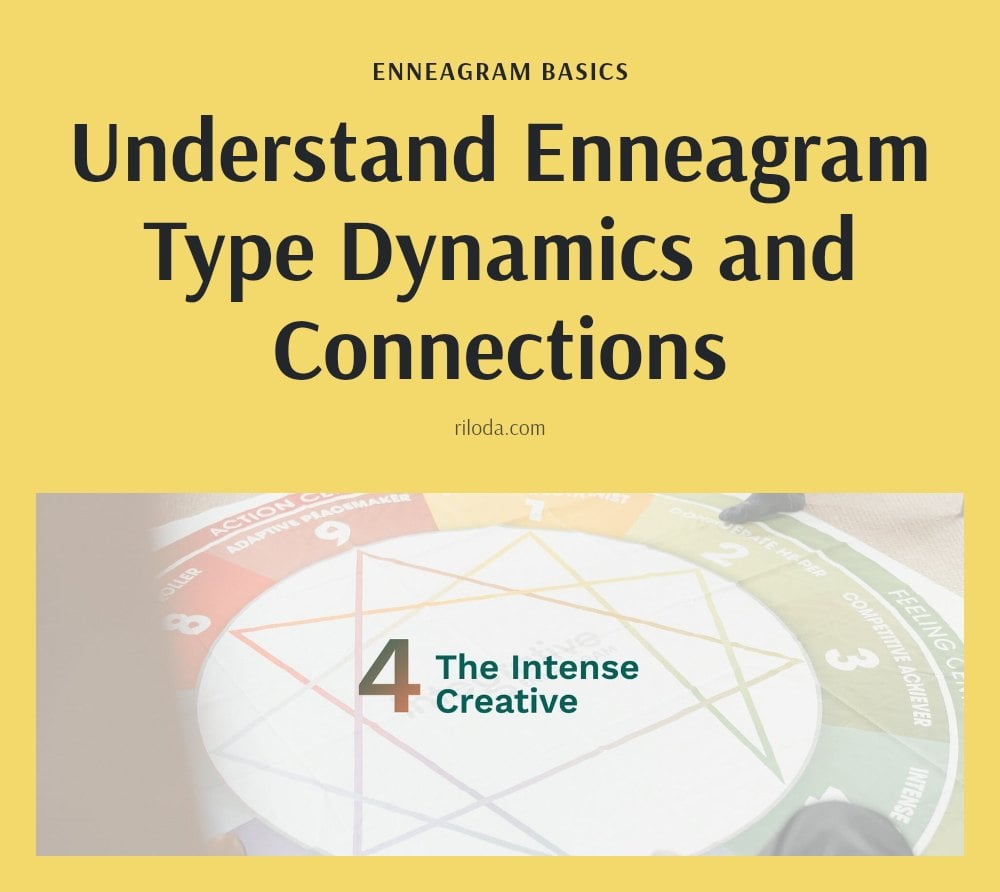
The Enneagram works by mapping nine distinct worldviews, each with a core motivation that shapes how you see yourself and others. These types are arranged on a diagram with lines connecting them, showing paths of integration (growth) and disintegration (stress). When you’re under pressure, you might temporarily take on traits of another type, and when you’re thriving, you can access strengths from a healthier type.
Wings and Motivation
Everyone has a dominant type, but you’re also influenced by one or both of the adjacent types, called ‘wings.’ For example, a Type 9 might lean toward Type 8 (assertive) or Type 1 (principled). The real power of the Enneagram is understanding the why: two people can act the same way for completely different reasons. It’s not about boxing yourself in but about recognizing your patterns to grow.
- Core motivation: The deep driver behind your behavior.
- Integration arrows: Paths toward healthier expression.
- Disintegration arrows: Patterns under stress.
- Wings: Adjacent types that add nuance to your core type.
The Nine Enneagram Types: A Quick Overview
Here is a quick overview of the nine Enneagram types. Each has a core motivation that drives their behavior.
- Type 1: The Reformer Principled and purposeful, they strive for perfection and can be self-controlled, but also critical of themselves and others.
- Type 2: The Helper Generous and demonstrative, they thrive on being needed. Their people-pleasing can turn possessive if they feel unappreciated.
- Type 3: The Achiever Adaptive and excelling, they are driven by success and image. They can become overly concerned with how others see them.
- Type 4: The Individualist Expressive and dramatic, they value authenticity. They can be self-absorbed and temperamental, often feeling unique or misunderstood.
- Type 5: The Investigator Perceptive and innovative, they seek knowledge. They can become secretive and isolated, preferring to observe rather than engage.
- Type 6: The Loyalist Engaging and responsible, they are driven by security. They can be anxious and suspicious, always scanning for potential threats.
- Type 7: The Enthusiast Spontaneous and versatile, they crave new experiences. They can become scattered and acquisitive, avoiding pain with constant stimulation.
- Type 8: The Challenger Self-confident and decisive, they value control. They can be domineering and confrontational, protecting their vulnerability with strength.
- Type 9: The Peacemaker Receptive and reassuring, they seek harmony. They can be agreeable and complacent, avoiding conflict at the cost of their own needs.
How to Discover Your Enneagram Type
Finding your Enneagram type is a process of self-reflection, not a quick quiz. Start by observing your patterns in daily life: what drives your decisions, what scares you, what do you really want? Then read detailed descriptions of all nine types, focusing on core motivations and fears, not just surface behaviors.
- Reflect on your patterns: Keep a journal of moments when you felt stressed, secure, or motivated. Note the feelings and thoughts behind your actions.
- Read all nine type descriptions: Don’t jump to conclusions after one test. Pay attention to the ones that resonate emotionally, even if they seem uncomfortable.
- Focus on motivation, not behavior: Two people might both be organized, but one does it for control (Type 1) and another for efficiency (Type 3). Look at the why.
- Consider your wings: After identifying your core type, explore the two adjacent types. They add nuance and help explain why you might relate to multiple descriptions.
- Use reputable resources: Read books by certified Enneagram teachers or take workshops. Online tests are a starting point, but deeper learning comes from guided exploration.
My tip: give yourself several weeks to sit with a potential type before deciding. The goal is self-understanding, not a perfect label.
Common Pitfalls When Exploring the Enneagram
When you first explore the Enneagram, it’s easy to fall into a few common traps. The biggest one is mistaking behavior for motivation. Two people can both be workaholics, but one might be driven by a need for achievement (Type 3) while the other is driven by a fear of failure (Type 6). Focus on the why behind your actions, not just the what.
Another pitfall is typing yourself based on who you want to be rather than who you are now. You might admire the confidence of a Type 8, but if your core fear is being unloved, you’re likely a Type 2. Also, don’t confuse temporary states with your core type. When you’re stressed, you might resemble a Type 1’s perfectionism or a Type 5’s withdrawal, but that doesn’t make you that type permanently.
Caution: Over-identifying with your type can turn it into an excuse for negative habits. The Enneagram is a tool for growth, not a label to hide behind. And remember: no type is better or worse. Every type has healthy and unhealthy expressions, so focus on moving toward your healthier side.
Top Tips for Using the Enneagram for Personal Growth

To get the most out of the Enneagram, start with an open mind. Be curious about what drives you and others, and don’t jump to conclusions after one online test. My tip: read detailed descriptions of all nine types before deciding on yours. You’ll often recognize yourself in more than one, and that’s normal.
Pay attention to your patterns in daily life. Notice what triggers your stress or what makes you feel most alive. The Enneagram is dynamic, so understand that you can move toward healthier expressions of your type over time. Use it as a lens for empathy: when you understand someone else’s core motivation, their behavior makes more sense, and conflicts become easier to navigate.
Finally, seek out reputable resources. Certified teachers and established organizations offer deeper insights than quick summaries. The Enneagram is a lifelong tool, so invest in learning from those who know it well.
How Long Does Enneagram Self-Discovery Take?
Finding your Enneagram type isn’t an instant process. Most people need weeks or months of self-reflection to land on their core type, and deeper insights keep emerging over time. It requires consistent observation of your motivations, fears, and reactions in different situations.
As for cost, you can start for free with online resources and type descriptions. For more depth, books and workshops range from $10 to a few hundred dollars. Coaching or certified courses can go higher, but the investment often pays off in self-awareness and relationship skills.
Frequently Asked Questions
Is the Enneagram a spiritual or psychological tool?
It’s considered both a spiritual and psychological framework. Its roots are debated, often traced back to ancient wisdom traditions and modern psychology. Many use it for personal development, relationship counseling, and team building, blending self-reflection with practical growth.
Can my Enneagram type change over time?
Your core type is generally stable, but you can move toward healthier or unhealthier expressions of it depending on stress or personal growth. You might also temporarily resemble another type under pressure, but that doesn’t mean your dominant type has changed.
How reliable are online Enneagram tests?
Online tests can be a helpful starting point for exploration, but they are not definitive. The best way to find your type is through self-reflection and reading detailed descriptions of all nine types, focusing on core motivations rather than surface behaviors.
What are ‘wings’ in the Enneagram?
‘Wings’ refer to the two types adjacent to your core type on the Enneagram diagram. They influence your personality, so you might see bits of yourself in those types as well. Considering your wings can give you a fuller picture of your patterns.
How does the Enneagram help with relationships?
By understanding your own motivations and fears, you become more aware of how you react under stress. This insight helps you communicate more clearly and empathize with others’ perspectives, reducing misunderstandings and fostering healthier interactions.
Is one Enneagram type better than another?
No, there is no best or worst type. Each has its own strengths and potential pitfalls. The value lies in recognizing your patterns and using that awareness for personal growth, not in ranking or comparing types.
Final Thoughts
For real growth, start by observing your own reactions in everyday situations and reading descriptions of all nine types with an open mind. Expect this to be a gradual process: most people take weeks or months to identify their core type, with deeper insights emerging over time. The Enneagram is a tool for empathy and self-awareness, not a rigid box to fit into.
More Blog ideas
- How to Use Rose Water for Radiant Skin and Healthy Hair
- What Is My Personality Type? Understanding Yourself Better
- How to Clean Your Pores at Home
- Vitamin C Benefits for Skin and Health Plus the Best Foods
- How to Start Shadow Work for Deeper Self-Understanding
- How to Prep Your Hair Before Bleaching for Less Damage
- How to Prepare Sea Moss Gel at Home for Wellness
- How to Use Rice Water for Glowing Skin and Shiny Hair
- How to Find Morning Motivation When You Want to Stay in Bed
- Filing Nails: How to File Nails Correctly for Strong, Healthy Fingernails
- Healthy Coping Skills: Proven Strategies for Difficult Times
- Simple Ways to Romanticize Your Life Every Day