Empathy vs. Sympathy: Understanding the Key Differences
Learn the crucial differences between empathy and sympathy to improve your communication and build stronger, more authentic connections in your relationships.

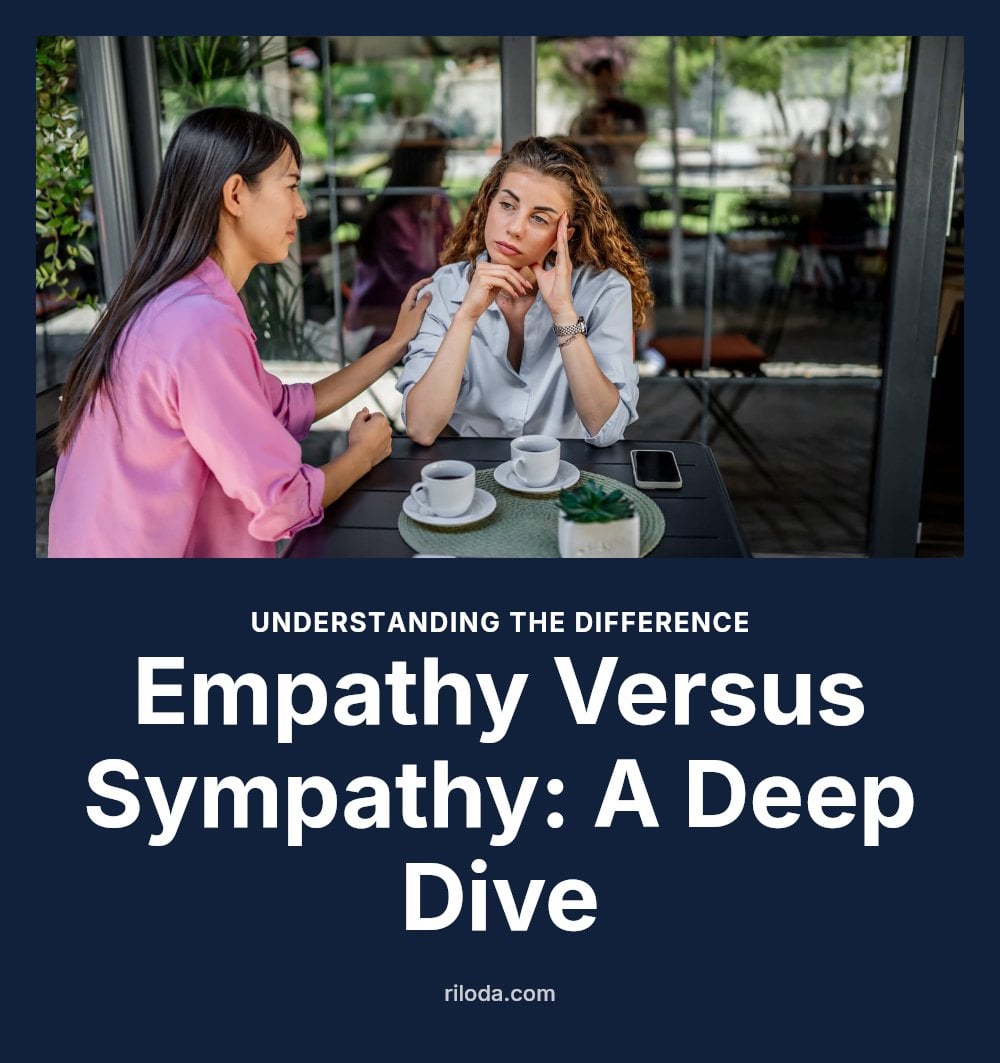
You’ve probably heard the words empathy and sympathy used as if they’re the same thing, but they actually describe two very different ways of connecting with someone’s pain. Getting this distinction right can transform how you support the people you care about. This article breaks down the key differences between empathy and sympathy, explains why it matters for your relationships, and gives you practical tips for being more empathetic every day.
Key Takeaways
- Empathy means sharing and resonating with another person’s feelings, while sympathy is feeling pity or sorrow from a distance.
- Empathy builds stronger bonds because it makes the other person feel truly heard and understood.
- Empathy has two forms: cognitive (understanding their perspective) and emotional (feeling what they feel).
- Active listening and validating feelings are key steps to practicing empathy in daily life.
What Exactly Are Empathy and Sympathy?
Empathy and sympathy are often used interchangeably, but they represent distinct emotional responses. Empathy involves understanding and sharing the feelings of another person, as if experiencing them yourself, while maintaining your own perspective. Sympathy, on the other hand, is feeling sorrow or pity for someone else’s misfortune without necessarily sharing their emotional experience. The core difference lies in the level of shared experience and emotional immersion: empathy draws you in; sympathy keeps a respectful distance.
Empathy vs. Sympathy: A Quick Comparison
| Feature | Empathy | Sympathy |
|---|---|---|
| Emotional response | Shares and resonates with the feeling | Feels pity or sorrow from a distance |
| Perspective | Perspective-taking; imagines being in their shoes | Observer perspective; maintains separation |
| Action or outcome | Active engagement; leads to helping or supporting | Comfort from afar; tends toward passive concern |
| Emotional immersion | Feels with the person while keeping own identity | Does not share the emotional experience |
| Typical phrases | “That sounds really difficult” | “I feel so sorry for you” |
Why Understanding the Distinction Matters for Your Relationships
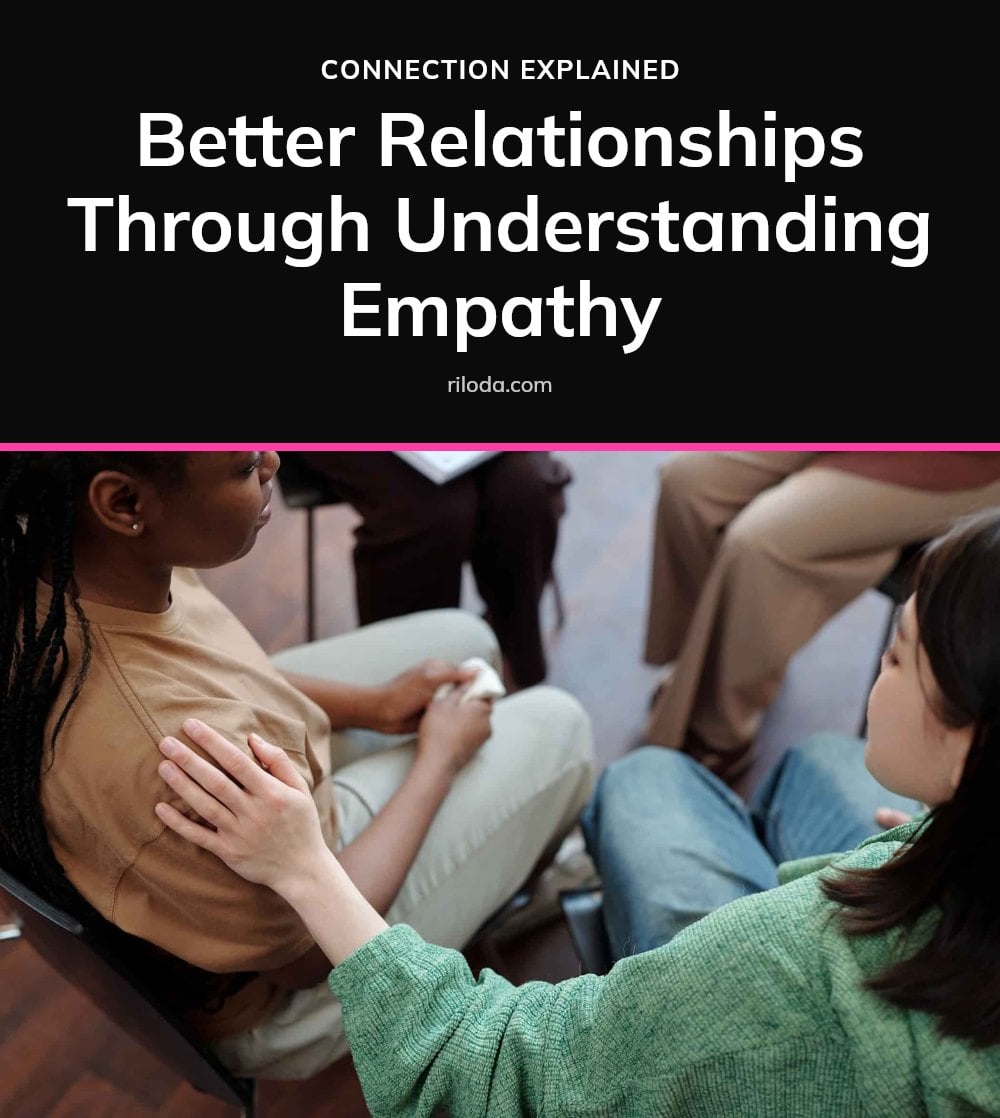
Why Understanding the Distinction Matters for Your Relationships
Knowing the difference between empathy and sympathy changes how you show up for people. When a friend shares a hard situation, your response either deepens or weakens the connection. Empathy builds stronger bonds because the other person feels truly heard and understood. You are not just observing their pain from a safe distance; you are stepping into their experience alongside them.
Sympathy, while well-intentioned, often creates emotional distance. It can leave the other person feeling pitied rather than supported. My tip: before you respond, ask yourself whether your words invite closeness or keep you apart. In real life, this distinction matters most during tough conversations. A partner venting about a bad day does not need pity. They need you to say, “That sounds really hard. I am here with you.” That shift from sympathy to empathy transforms how people trust and rely on you.
The Different Shades of Empathy: Cognitive and Emotional
Empathy isn’t one-size-fits-all. I’ve found that it has two main shades: cognitive and emotional. Cognitive empathy is the intellectual ability to understand another person’s perspective. You can grasp why they feel a certain way without catching the emotion yourself. Emotional or affective empathy is when you actually feel what the other person feels, like their sadness or joy becomes yours. Both types matter. Cognitive empathy helps you read a situation accurately; emotional empathy fuels genuine compassion. Together, they create a full, balanced empathetic response that strengthens your relationships.
How to Cultivate More Empathy in Your Daily Life
Building empathy takes practice, but small shifts in how you listen and respond make a real difference. Practice Active Listening: Put your phone down, make eye contact, and focus on what the other person is saying instead of planning your reply. Nodding or saying “mm-hmm” shows you are engaged without interrupting their flow.
Try Perspective-Taking: Actively imagine yourself in their situation, considering their feelings and circumstances. Ask yourself what you would need if you were in their place. This shifts your focus from your own reactions to their experience.
Validate Feelings: Acknowledge their emotions even if you do not agree with their actions. My tip: use phrases like “That sounds really difficult” or “I can see why you would feel that way.” Validation does not mean agreement; it means you recognize their pain or struggle as real.
Observe Non-Verbal Cues: Body language and tone of voice often speak louder than words. If someone looks down or speaks hesitantly, they may be holding back. Mirror their posture slightly to build rapport, and ask gentle questions like “How are you really doing?” to invite honesty.
Common Mistakes When Trying to Be Empathetic
Even with good intentions, it is easy to slip into habits that block true empathy. I have made most of these mistakes myself. Confusing with Sympathy: Saying something like “That must be so hard” keeps you at a distance if you stay detached. True empathy requires stepping into their emotional space, not observing from outside.
Minimizing Feelings: Avoid saying things like “It is not that bad” or “You will get over it.” Those phrases dismiss their experience and shut down conversation. Instead, let them sit with their emotion without rushing to fix it.
Making It About You: Do not immediately jump to your own similar experiences. Your story can wait. Focus on theirs first. If you share later, keep it brief and tie it back to their feelings.
Offering Unsolicited Advice: Often people just need to be heard, not fixed. Tip: ask “Do you want my thoughts on this, or do you just need me to listen?” before offering solutions. Judging Emotions: Their feelings are valid even if you do not understand their reaction. Resist the urge to correct or question why they feel a certain way. Your role is to understand, not to evaluate.
Frequently Asked Questions
Is empathy a skill that can be learned?
Yes, empathy can be developed with practice. Small daily habits like active listening, asking open-ended questions, and trying to see situations from another person’s perspective all help build your empathetic ability over time.
Can you feel both empathy and sympathy at the same time?
Absolutely. You might feel genuine sorrow for someone’s situation (sympathy) while also connecting with and sharing their emotional experience (empathy). The two responses can overlap, but empathy goes a step further by actively engaging with their feelings.
What is compassion and how does it relate to empathy?
Compassion is often described as empathy combined with a desire to help alleviate the other person’s suffering. While empathy lets you understand and feel what they’re going through, compassion adds the motivation to take action and offer support.
Can you feel empathy for someone you don’t like?
It can be harder, but yes, it’s possible. Empathy is about understanding another person’s emotional experience, not about agreeing with them or liking them. With practice, you can separate your personal feelings from their human experience and still connect with their pain.
Final Thoughts
My tip: next time someone opens up to you, resist the urge to jump in with advice or a story about yourself. Instead, just sit with them and say something like, ‘That sounds really hard.’ That small shift from sympathy to empathy can make a huge difference. Building this habit takes time, but even one empathetic conversation a day can strengthen your relationships noticeably. Remember, you don’t have to fix anything – just being present and understanding is enough.
More Blog ideas
- How to Use Rose Water for Radiant Skin and Healthy Hair
- What Is My Personality Type? Understanding Yourself Better
- How to Clean Your Pores at Home
- Vitamin C Benefits for Skin and Health Plus the Best Foods
- How to Start Shadow Work for Deeper Self-Understanding
- How to Prep Your Hair Before Bleaching for Less Damage
- How to Prepare Sea Moss Gel at Home for Wellness
- How to Use Rice Water for Glowing Skin and Shiny Hair
- How to Find Morning Motivation When You Want to Stay in Bed
- Filing Nails: How to File Nails Correctly for Strong, Healthy Fingernails
- Healthy Coping Skills: Proven Strategies for Difficult Times
- Simple Ways to Romanticize Your Life Every Day