Effective Communication Tips for Every Relationship
Learn effective communication tips for all your relationships. Improve listening, express needs clearly, and resolve conflict constructively.


Have you ever felt like you’re speaking a different language than your partner, friend, or coworker? You’re not alone. Communication is the foundation of every relationship, and when it breaks down, misunderstandings and resentment can build up fast. In this article, I’ll walk you through practical, research-backed tips to help you express yourself clearly, listen more deeply, and handle conflicts with confidence.
Key Takeaways
- Practice active listening by giving your full attention and reflecting back what you hear.
- Use ‘I’ statements to express feelings without sounding accusatory or blaming.
- Match your non-verbal cues (body language, tone) to your spoken words to avoid mixed signals.
- Set clear boundaries and communicate them assertively but respectfully.
- Ask clarifying questions instead of making assumptions about what others think or feel.
What is Effective Communication?
Effective communication means expressing your thoughts, feelings, and needs clearly while also making a genuine effort to understand what the other person is saying. It relies on three core skills: active listening, clear articulation, and empathy. When these are in play, misunderstandings shrink and conflicts become easier to work through. The good news is that communication is a learnable skill. With consistent practice, you can strengthen it in every type of relationship, whether romantic, familial, or professional.
1. Practice Active Listening
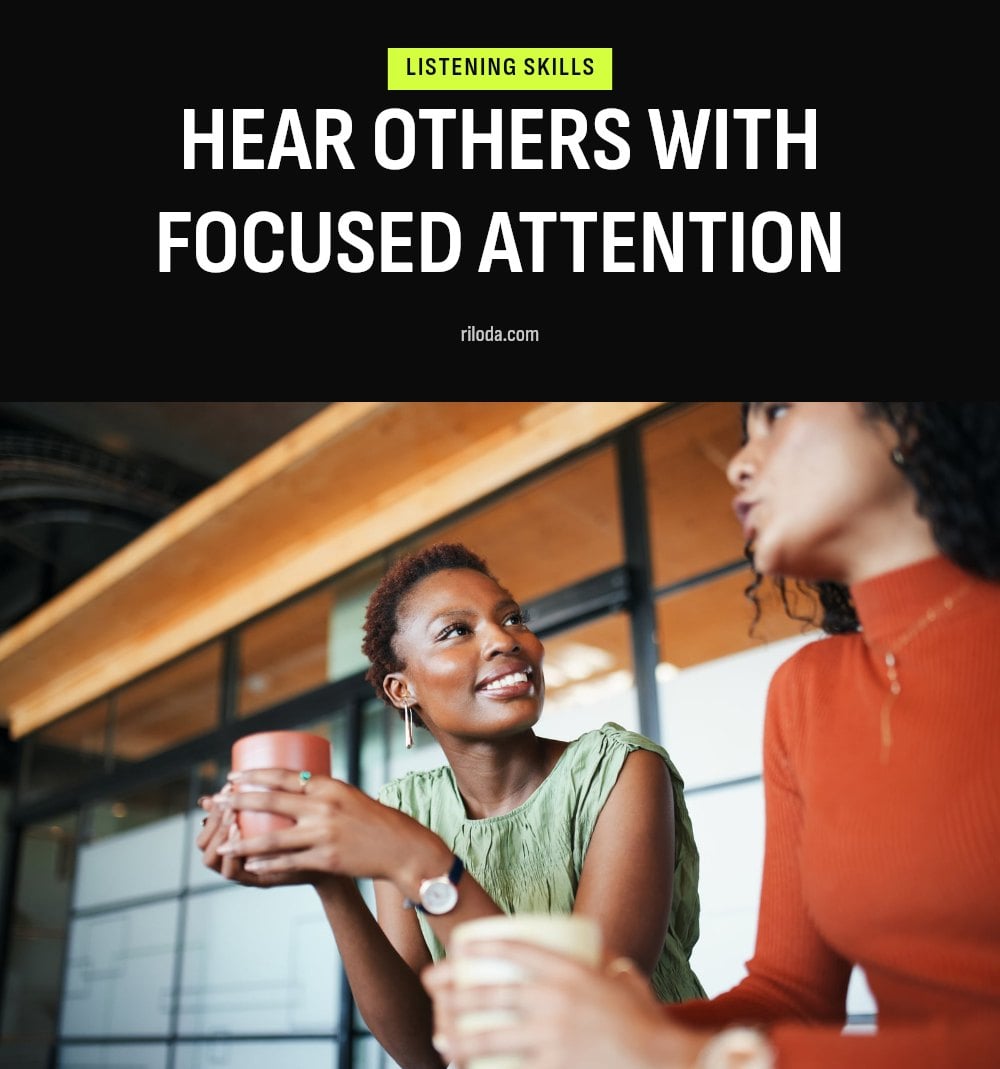
Active listening is about more than just hearing words, it means giving your full, undivided attention to the speaker. Put your phone down, make eye contact, and resist the urge to interrupt. My tip: after they finish, briefly reflect back what you heard in your own words. This confirms you understood correctly and shows you are truly engaged. The goal is to understand their message, not to plan what you will say next.
2. Use ‘I’ Statements
When you need to share how you feel, frame it with e2809cIe2809d statements like e2809cI feel overwhelmed when plans change at the last minute.e2809d This keeps the focus on your experience rather than blaming the other person. It shifts the conversation away from accusations and toward a shared problem. The other person hears your perspective without feeling attacked, which makes it easier to find a constructive solution together.
3. Be Mindful of Non-Verbal Cues

Your body language, eye contact, and tone of voice often speak louder than your actual words. Crossed arms or a flat tone can signal disinterest or frustration, even if you say everything is fine. Make sure your non-verbal cues match your message to avoid sending mixed signals. Also watch the other persone28099s cues. If they avoid eye contact or tense up, they may be holding back something important. Adjust your approach to keep the conversation open.
4. Practice Empathy
Empathy is the ability to understand and share the feelings of another person. It requires you to set aside your own perspective and truly listen to theirs, even when you disagree. My tip: Before responding, pause and ask yourself what they might be feeling in that moment. This small shift builds connection and shows you value their experience, which naturally fosters trust and openness in the conversation.
5. Set Clear Boundaries
Boundaries are the guidelines you set for what behavior you accept in your relationships. Clearly define what is okay and what is not, then communicate that assertively but respectfully. Caution: Saying no or stating a limit is not rude, it is a way to protect your well-being and prevent misunderstandings. Healthy boundaries ensure both people feel respected and reduce resentment over time.
6. Choose the Right Time and Place

Timing and setting can make or break a conversation. Avoid bringing up sensitive topics when either of you is stressed, tired, or distracted. Choose a calm, private space where you won’t be interrupted. Good to know: A short walk together or sitting side by side can reduce tension compared to a face-to-face confrontation. The right environment encourages honesty and keeps the focus on resolving the issue.
7. Ask Clarifying Questions
Assumptions are a common source of misunderstandings. Instead of guessing what someone thinks or feels, ask open-ended questions like “Can you tell me more about that?” or “How did that make you feel?” Pro move: Follow up with “So what I hear you saying is…” to confirm you understood correctly. This shows you are invested in their perspective and prevents small miscommunications from growing into bigger conflicts.
8. Be Open to Feedback and Apologize
When someone offers you feedback, resist the urge to get defensive. Take a breath and listen with the goal of understanding, even if it stings a little. Acknowledging your mistakes shows strength, not weakness.
My tip: A sincere apology goes a long way. Say “I was wrong and I’m sorry” without adding a “but” or an excuse. That simple act can de-escalate conflict and rebuild trust faster than any explanation.
9. Manage Your Emotions

If you feel anger or frustration rising during a conversation, pause before you speak. Take five deep breaths or excuse yourself for a few minutes to cool down. Reacting impulsively usually makes things worse.
Emotional intelligence means recognizing your own feelings in the moment and choosing how to respond. My tip: name the emotion to yourself (“I’m feeling defensive right now”) so you can separate it from what you actually want to say.
10. Practice Constructive Conflict Resolution
When a disagreement comes up, state your goal early: “I want us to find a solution that works for both of us.” That sets a cooperative tone from the start. Stick to the current issue and leave past arguments out of it.
The point isn’t to win. It’s to understand each other and move forward. Compromise usually means neither person gets everything they want, but both feel heard and respected.
11. Consider the ‘Sandwich Method’
Delivering tough feedback is never easy, but the sandwich method can help. Start with something genuine and positive, then share the constructive criticism, then end on another encouraging note.
For example: “I really appreciate how you always meet deadlines. One thing that would help is if you could double-check the data before sending it. I know I can count on you to handle that.” This structure keeps the conversation balanced and the other person open to hearing what you have to say.
Common Communication Mistakes to Avoid
Assuming others can read your mind: No one knows what you need or feel unless you tell them. Always articulate your thoughts clearly instead of hoping someone will guess.
Interrupting or planning your response: When you focus on what to say next, you stop truly listening. Give the speaker your full attention and let them finish before you reply.
Using accusatory ‘you’ statements: Phrases like “You never listen” put people on the defensive. Stick to ‘I’ statements to express your perspective without blame.
Avoiding difficult conversations: Unaddressed issues don’t disappear, they fester and build resentment. Address problems constructively and respectfully early on.
Multitasking during important discussions: Checking your phone or watching TV while talking signals that the conversation doesn’t matter. Put away distractions and give your full presence.
Communicating sensitive matters via text/email: Tone is easily lost in writing, and important emotional topics deserve a face-to-face or phone call where you can see and hear each other.
Frequently Asked Questions
How long does it take to improve communication skills?
Improving communication skills is an ongoing process, but you can start seeing noticeable changes in a few weeks if you practice consistently. Dedicate a few minutes each day to active listening or using ‘I’ statements, and you’ll likely feel more confident and connected within a month or two.
Can communication problems be fixed in a relationship?
Yes, many communication problems can be improved when both people are willing to work on it. It requires patience, practice, and a commitment to understanding each other. If efforts don’t lead to progress or if the conversation feels unsafe, consider seeking help from a professional counselor.
What is the best way to resolve conflict through communication?
Start by stating your goal, like ‘I want us to find a solution that works for both of us.’ Stick to the current issue, avoid bringing up past grievances, and listen to understand the other person’s perspective. Compromise and a willingness to see things differently are key to resolving conflicts constructively.
How do I communicate my needs without being demanding?
Use ‘I’ statements to express your needs clearly, such as ‘I feel supported when you help with dinner.’ This keeps the focus on your feelings rather than blaming the other person. Also, ask for what you need rather than demanding it, and be open to hearing their perspective as well.
What role does empathy play in good communication?
Empathy allows you to understand and share the feelings of another person, which is essential for meaningful connection. When you pause and ask yourself what they might be feeling, you respond with more compassion and less judgment. This reduces defensiveness and helps both parties feel heard.
Final Thoughts
My tip for getting started: pick just one skill from this list, like using ‘I’ statements or pausing before you react, and practice it for a week. You don’t need to overhaul everything at once. Real improvement takes consistent effort, but you’ll likely notice fewer misunderstandings and more connection within a few weeks. Keep at it, and remember that every conversation is a chance to strengthen the bond you share.
This article is for general informational purposes only and does not constitute professional mental health or relationship advice. If you are experiencing persistent conflict, emotional distress, or safety concerns in a relationship, please consult a licensed therapist or counselor for personalized support.
More Blog ideas
- How to Use Rose Water for Radiant Skin and Healthy Hair
- What Is My Personality Type? Understanding Yourself Better
- How to Clean Your Pores at Home
- Vitamin C Benefits for Skin and Health Plus the Best Foods
- How to Start Shadow Work for Deeper Self-Understanding
- How to Prep Your Hair Before Bleaching for Less Damage
- How to Prepare Sea Moss Gel at Home for Wellness
- How to Use Rice Water for Glowing Skin and Shiny Hair
- How to Find Morning Motivation When You Want to Stay in Bed
- Filing Nails: How to File Nails Correctly for Strong, Healthy Fingernails
- Healthy Coping Skills: Proven Strategies for Difficult Times
- Simple Ways to Romanticize Your Life Every Day