Digestion Tips for a Happier Gut
Discover practical, everyday tips to improve your digestion and alleviate common discomforts like bloating and gas for a healthier, happier gut.


If bloating, gas, or irregularity are getting in the way of your day, you are not alone, and small shifts can help a lot. This article covers the simple, everyday habits that support smoother digestion, from what to eat and drink to how to eat and manage stress.
These are practical steps you can start today, and many people notice real improvements within days or weeks of being consistent.
Key Takeaways
- Eat a mix of soluble and insoluble fiber from fruits, vegetables, and whole grains daily.
- Drink enough water throughout the day to keep stool soft and moving.
- Include fermented foods like yogurt or kefir for natural probiotics.
- Manage stress with meditation, yoga, or deep breathing to protect gut function.
- Chew food thoroughly and eat slowly to give digestion a head start.
Boost Your Digestion for a Happier Gut
Improving your digestion doesn’t require a complete lifestyle overhaul. Simple, consistent changes in what you eat and how you live can make a real difference. Focus on getting enough fiber and water, eating without distractions, and keeping stress in check. Many people start to notice less bloating and more regular bowel movements within days to weeks when they stick with these habits.
1. Eat a Fiber-Rich Diet

Fiber is the backbone of good digestion, but not all fiber works the same way. Soluble fiber, found in oats, apples, and beans, dissolves in water to form a gel that helps regulate blood sugar and softens stool. Insoluble fiber, from vegetables like broccoli and whole grains like brown rice, adds bulk to stool and helps it move through your system.
Tip: Aim for a mix of both types each day. A bowl of oatmeal with berries gives you soluble fiber, while a side salad with carrots and celery adds insoluble bulk.
2. Stay Well Hydrated

Water plays a direct role in preventing constipation. When you’re dehydrated, your body pulls water from your stool, making it harder and slower to pass. Drinking enough liquid keeps food moving smoothly through your digestive tract.
My tip: Keep a water bottle on your desk or in your bag as a visual reminder to sip throughout the day. If plain water bores you, try infusing it with cucumber slices or a squeeze of lemon.
3. Embrace Fermented Foods

Fermented foods like yogurt, kefir, sauerkraut, and kimchi are natural sources of probiotics, the beneficial bacteria that live in your gut. These probiotics help balance your gut flora, which is crucial for breaking down food and absorbing nutrients.
Good to know: A healthy gut flora can also reduce gas and bloating for many people. Start with a small serving of yogurt or a spoonful of sauerkraut a few times a week to let your system adjust.
4. Manage Your Stress

Stress doesn’t just affect your mood, it directly impacts your digestive system. When you’re stressed, your body diverts blood flow away from the gut, which can slow digestion and cause bloating or an upset stomach. To counter this, practice stress-reducing techniques like meditation, yoga, or deep breathing.
- My tip: Even 10 minutes of mindfulness can make a difference in your gut’s calm. Try a short breathing exercise before meals to signal your body it’s safe to digest.
5. Move Your Body Regularly

Regular physical activity helps stimulate the muscles in your digestive tract, which keeps food moving through your system and prevents constipation. Moderate exercise like brisk walking, cycling, or swimming increases blood flow to the intestines and encourages bowel regularity.
- Good to know: Aim for at least 30 minutes of moderate exercise most days of the week. Even splitting it into three 10-minute walks works.
6. Practice Mindful Eating
Digestion actually begins in your mouth, where chewing breaks food into smaller pieces and mixes it with saliva containing digestive enzymes. Eating slowly and chewing thoroughly gives these enzymes time to start breaking down starches and fats before the food reaches your stomach.
- Tip: Put your fork down between bites to slow your pace. This simple trick helps you chew more and gives your brain time to register fullness.
7. Listen to Your Body’s Cues
Your body sends clear signals when it needs fuel and when it’s had enough. Pay attention to true hunger versus boredom or stress eating, and stop eating when you feel comfortably satisfied, not stuffed. This prevents overloading your digestive system, allowing it to process food efficiently without strain.
- Pro move: Rate your hunger on a scale of 1 to 10 before each meal, and aim to eat when you’re around a 3 or 4 (moderately hungry).
8. Avoid Late-Night Meals
Eating a large meal right before bed forces your digestive system to work while you’re lying down, which can lead to acid reflux, bloating, and poor sleep. Your body needs time to process food before you recline. Aim to finish your last meal at least 2-3 hours before sleeping to give your gut a proper window to do its job.
9. Limit Processed Foods
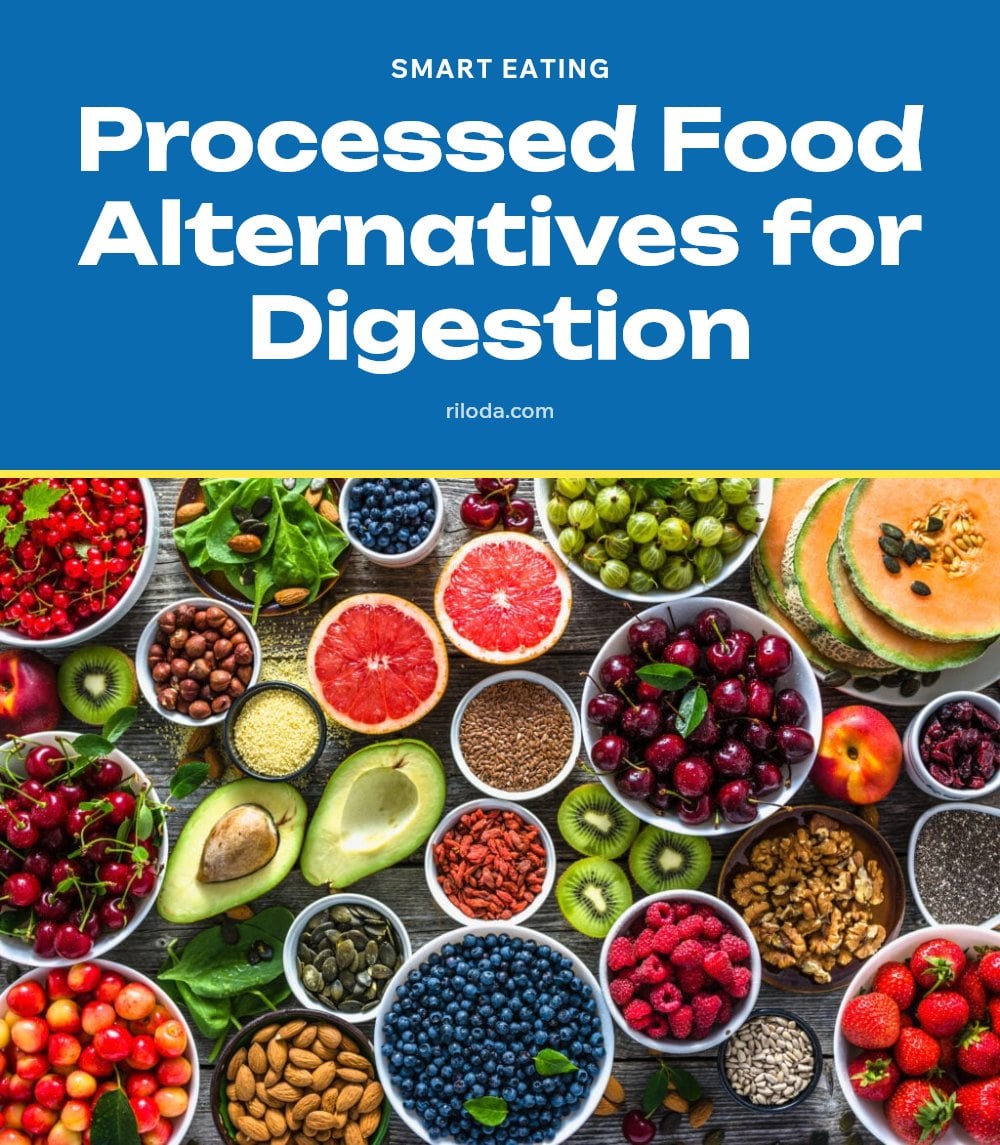
Processed foods are often loaded with sugar, unhealthy fats, and artificial additives that can throw off the balance of bacteria in your gut. This disruption can trigger inflammation and cause bloating or irregular bowel movements. Focus your diet on whole, unprocessed foods like fresh vegetables, lean proteins, and whole grains to keep your digestive system running smoothly.
10. Identify Trigger Foods
Some people find that certain foods consistently cause digestive upset, like bloating or gas. Keeping a food diary for a week or two can help you spot patterns between what you eat and how you feel. Good to know: Always consult a healthcare professional before cutting out entire food groups, as you may miss essential nutrients or misidentify the real cause.
11. Consider Herbal Teas
Certain herbal teas can provide gentle relief for mild digestive discomfort. Peppermint tea helps relax the muscles of the digestive tract, which can ease bloating and cramping, while ginger tea is known to support digestion and reduce nausea. Pro move: Enjoy a warm cup after meals for a calming effect that also encourages slower, more mindful digestion.
When to Consult a Professional
Most everyday bloating and irregularity responds to the habits above, but some symptoms need a doctor rather than another glass of peppermint tea. Seek immediate medical attention for severe abdominal pain, persistent nausea, or vomiting. Unexplained weight loss or blood in your stool also warrants a visit, and soon.
- Before big changes: Talk to a healthcare professional before cutting out entire food groups or starting new supplements, especially if you have an existing condition or take medication.
- Persistent symptoms: Ongoing digestive problems should always be evaluated by a doctor to rule out underlying conditions.
Self-diagnosing a food intolerance is common and often inaccurate; professional testing can be more reliable.
Frequently Asked Questions
How quickly can I improve my digestion?
Many people start noticing improvements within days to weeks of making consistent dietary and lifestyle changes. However, sustained benefits require ongoing effort, so think of it as a long-term habit rather than a quick fix.
Can stress really affect my digestion?
Yes, stress directly impacts digestion. When you are stressed, your body diverts blood flow away from the gut, which can slow digestion and cause bloating or an upset stomach. Managing stress is a key part of gut health.
Are there foods I should avoid for better digestion?
Processed foods high in sugar, unhealthy fats, and artificial additives can disrupt your gut flora and trigger bloating. Some people also benefit from identifying their own trigger foods, but always consult a healthcare professional before cutting out entire food groups.
What is the best type of fiber for digestion?
Both soluble and insoluble fiber are important. Soluble fiber (found in oats, apples, beans) helps regulate blood sugar and softens stool, while insoluble fiber (from vegetables like broccoli) adds bulk and helps food move through your system. Eating a variety is best.
Should I take a probiotic supplement?
Many people can get enough probiotics from fermented foods like yogurt, kefir, or sauerkraut. If you are considering a supplement, talk to a doctor or dietitian first, as the right strain and dosage depend on your individual needs and health status.
Is it normal to feel bloated after eating?
Occasional mild bloating after a large meal can be normal, but frequent or severe bloating may signal a need to adjust your eating habits or diet. Eating slowly, chewing thoroughly, and avoiding trigger foods can help. If bloating persists or is painful, see a healthcare professional.
Final Thoughts
Your best bet for a happier gut is to focus on fiber, water, and stress management first, before reaching for any supplement. Be patient with your body: improvements often show up in days to weeks, but lasting change takes consistent effort.
If you stick with these habits, you will likely find that your digestion runs more smoothly, and you feel more comfortable and energized day to day.
This information is for general informational purposes only and does not constitute medical advice. Always consult a qualified healthcare professional, such as a doctor or registered dietitian, before making significant changes to your diet or lifestyle, especially if you have existing health conditions or persistent digestive symptoms.
More Blog ideas
- How to Use Rose Water for Radiant Skin and Healthy Hair
- What Is My Personality Type? Understanding Yourself Better
- How to Clean Your Pores at Home
- Vitamin C Benefits for Skin and Health Plus the Best Foods
- How to Start Shadow Work for Deeper Self-Understanding
- How to Prep Your Hair Before Bleaching for Less Damage
- How to Prepare Sea Moss Gel at Home for Wellness
- How to Use Rice Water for Glowing Skin and Shiny Hair
- How to Find Morning Motivation When You Want to Stay in Bed
- Filing Nails: How to File Nails Correctly for Strong, Healthy Fingernails
- Healthy Coping Skills: Proven Strategies for Difficult Times
- Simple Ways to Romanticize Your Life Every Day