Deodorant Stains: 7 Easy Ways to Remove Them at Home
Tired of white streaks and yellow underarm stains? Learn 7 easy, effective methods using common household items to remove deodorant stains from clothes.

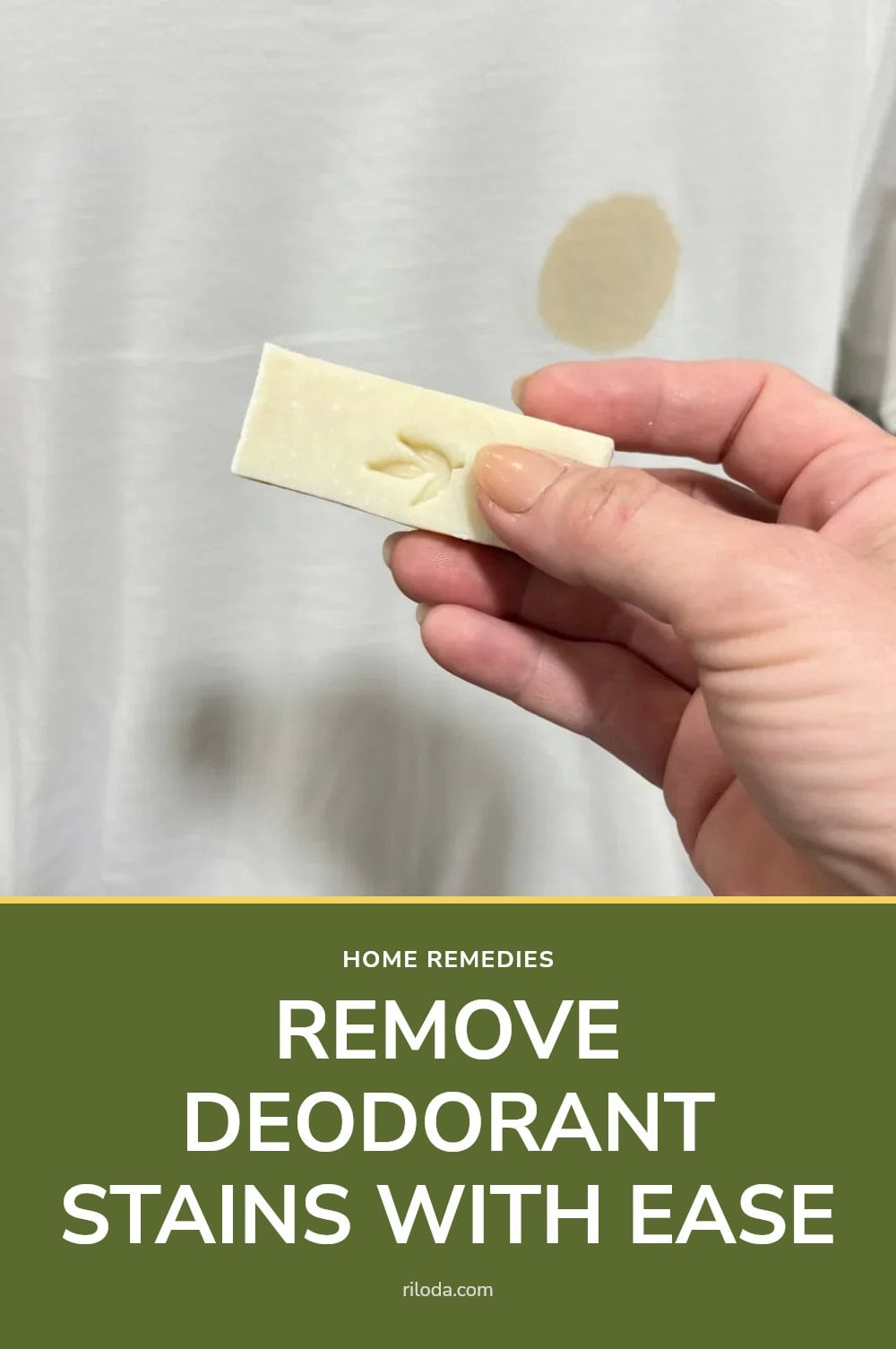
You know the frustration: you pull on a favorite shirt only to find white streaks or yellow patches under the arms. Those stains come from a mix of deodorant ingredients, sweat, and fabric, but they don’t have to be permanent. This article covers seven practical, at-home methods to remove both fresh white marks and stubborn yellow discoloration using common household items.
Key Takeaways
- Treat white streaks with a dry rub or dish soap before washing.
- Use a baking soda paste or white vinegar soak for yellow stains.
- Lemon juice and sunlight can bleach yellow marks on white fabrics.
- Always use cold water and avoid the dryer until the stain is gone.
- Test any solution on a hidden area of the garment first.
Say Goodbye to Deodorant Stains for Good
Deodorant stains fall into two categories. White streaks are just leftover residue from aluminum salts in antiperspirants, and they often lift off with a quick rub or a bit of dish soap. Yellow underarm stains are trickier: they form when sweat, deodorant ingredients, and fabric fibers react together, so they need a more targeted treatment.
The key is speed. Treat stains as soon as you spot them, and always start with cold water. Hot water can set the stain, making it permanent.
1. Rub Away Fresh White Streaks
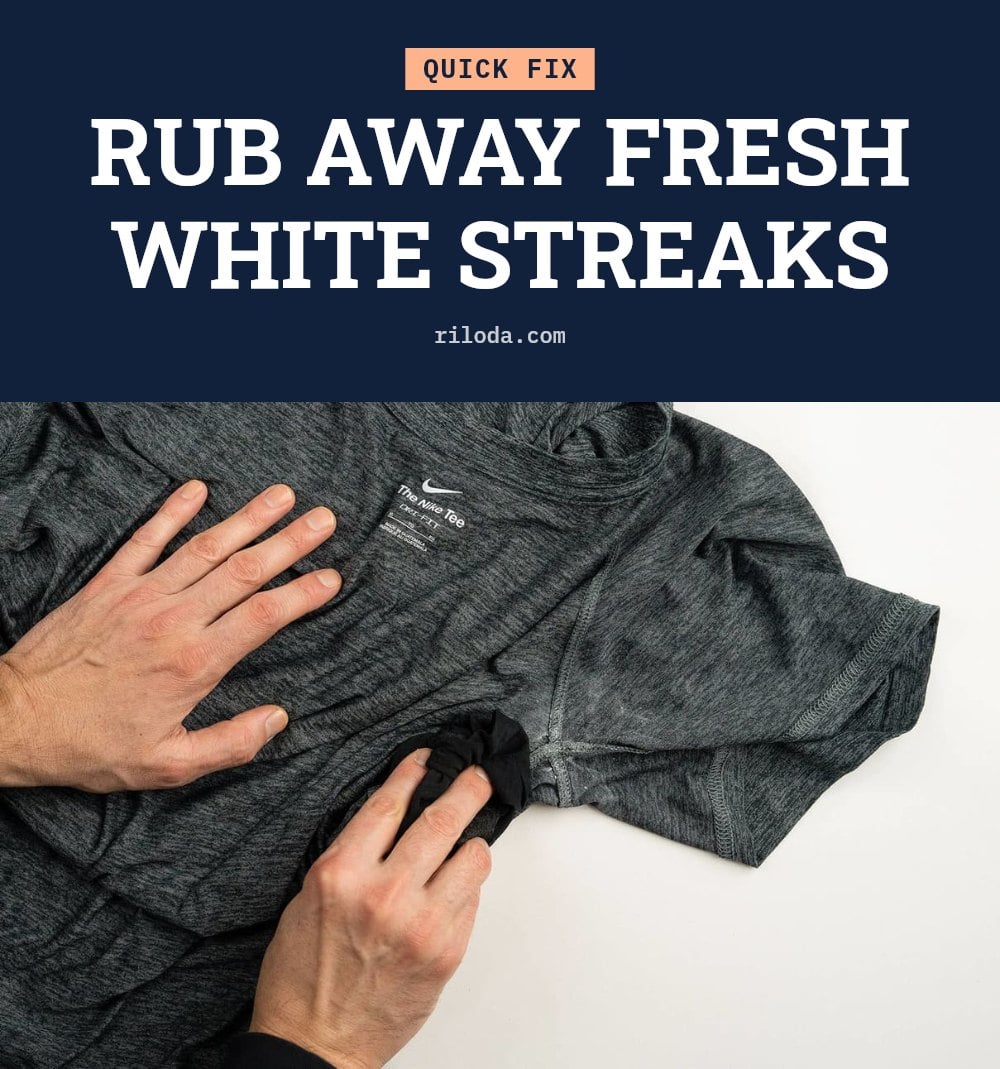
For fresh white deodorant streaks, grab a nylon stocking, a dry sponge, or a clean, dry towel. Rub the mark gently in a circular motion. The friction lifts the aluminum salts right off before they bond with the fabric.
My tip: Keep a small dry sponge or a spare nylon sock in your closet. That way, you can fix a streak in seconds before heading out the door.
2. Dish Soap for White Residue
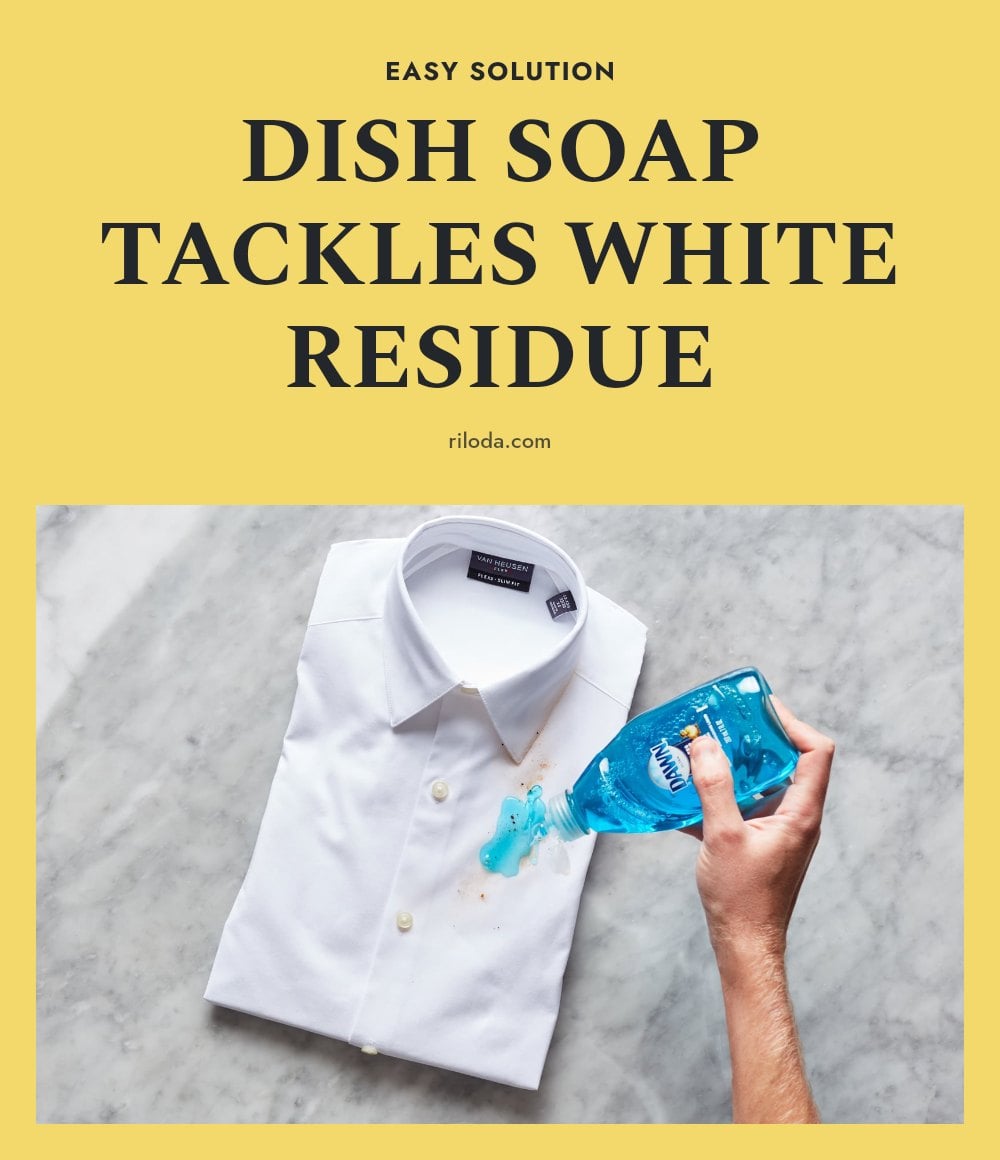
Dish soap is a reliable fix for fresh white deodorant marks. Its grease-cutting formula breaks down the residue quickly.
Squeeze a small amount directly onto the stain, rub it in gently with your fingers or a soft brush, then rinse with cold water. This works best on newer stains, before they’ve had time to set into the fabric.
3. Baking Soda Paste for Yellow Stains
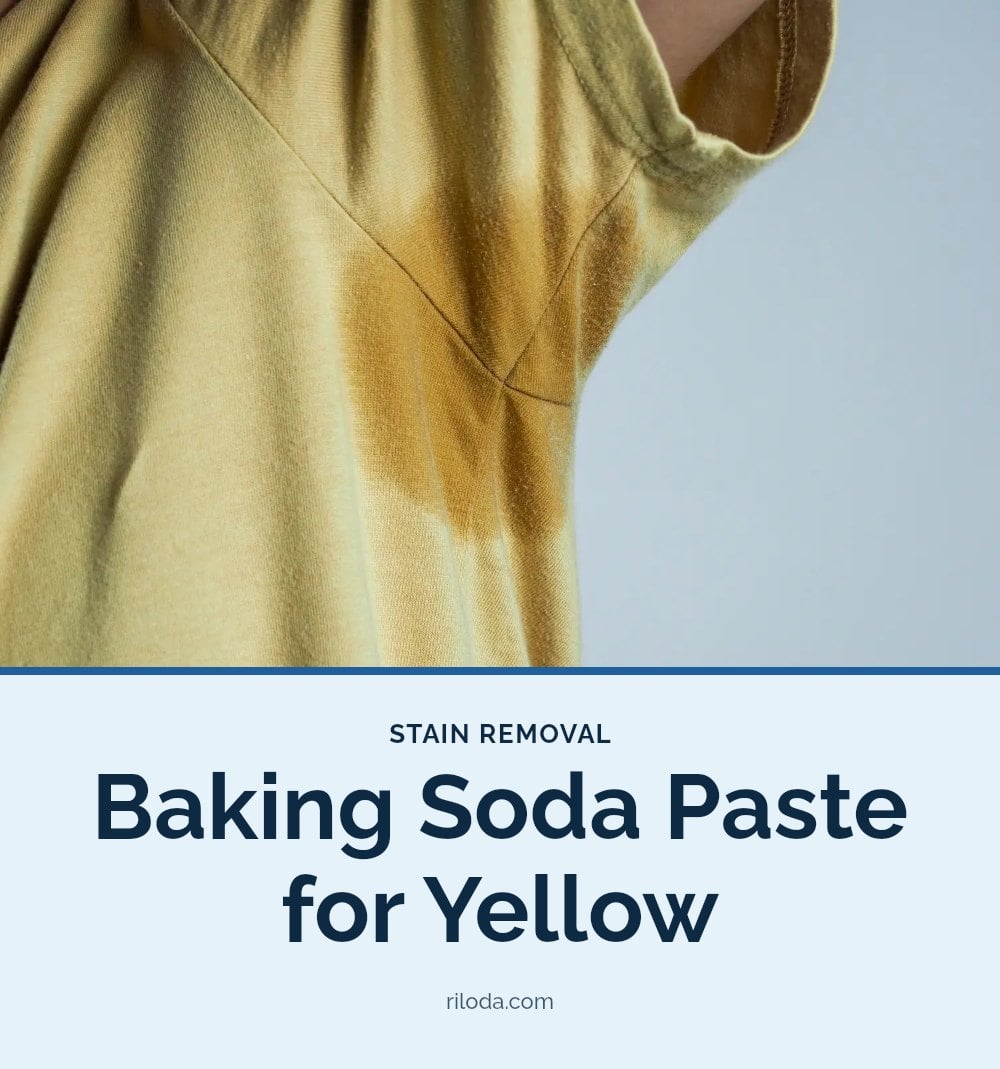
Baking soda is my go-to for stubborn yellow marks on cotton shirts. It breaks down the acidic compounds and proteins that cause the discoloration.
Mix baking soda with a little water to form a thick paste. Apply it generously to the stain, let it sit for a few hours or overnight, then scrub gently with an old toothbrush before washing in cold water.
4. White Vinegar Soak for Discoloration
White vinegar is a versatile stain fighter that breaks down both white residue and yellow discoloration. For white marks, dilute vinegar with equal parts water and spray it onto the stain before washing. For yellow stains, soak the affected area in a solution of one part white vinegar to two parts cold water for at least 30 minutes before laundering.
Caution: Always test vinegar on an inconspicuous area first, especially on delicate or colored fabrics, since its acidity can affect some dyes.
5. Lemon Juice and Sun for Yellows

Lemon juice works as a natural bleaching agent, making it especially effective for yellow stains on white or light-colored fabrics. Squeeze fresh lemon juice directly onto the stain, then lay the garment out in direct sunlight for a few hours. The sun’s UV rays enhance the bleaching action of the citric acid.
This method is best for white clothing only. Avoid it on colored items, as lemon juice can cause fading.
6. Hydrogen Peroxide for Tough Yellows
For the toughest, set-in yellow stains, hydrogen peroxide is a powerful ally, especially on white and light-colored fabrics. Mix one part hydrogen peroxide with one part water. Apply the solution to the stain, let it sit for about 30 minutes, then rinse thoroughly with cold water before washing.
My tip: Always dilute hydrogen peroxide and spot-test it on an inconspicuous area first, as it can lighten some dyes.
7. Aspirin for Stubborn Discoloration
Believe it or not, aspirin can help lift yellow stains from fabric, thanks to its salicylic acid content. Crush two or three uncoated aspirin tablets and dissolve them in about half a cup of cold water. Apply this solution to the stain and let it soak for a few hours before washing.
This is a lesser-known trick, but I’ve found it surprisingly effective for those really stubborn yellow areas. My tip: always test on an inconspicuous spot first, and use cold water throughout so you don’t set the stain.
Common Mistakes to Avoid
Using hot water: Hot water can set protein-based stains like sweat and deodorant, making them much harder to remove. Always use cold water for pre-treating and washing.
Drying stained garments: Never put a garment in the dryer until you’re absolutely sure the stain is gone. The heat from the dryer will permanently set the stain.
Skipping the spot test: Always test any stain removal solution on an inconspicuous area of the garment first to ensure it won’t cause discoloration or damage.
Over-scrubbing: While some gentle rubbing is good, over-scrubbing delicate fabrics can damage the fibers and even spread the stain. Be gentle.
Ignoring the stain: The longer a stain sits, the harder it is to remove. Treat stains as soon as you notice them for the best results.
Frequently Asked Questions
Why do some deodorants cause yellow stains?
Yellow stains form when aluminum from antiperspirants reacts with sweat proteins and fabric fibers. This chemical reaction creates a yellow discoloration that can set into clothing over time, especially if washed in hot water.
Can I use bleach on white clothes with yellow stains?
Bleach can work on white cotton fabrics, but it may damage other fibers or cause yellowing on some whites. Always test on a hidden area first. For a gentler option, try hydrogen peroxide or lemon juice and sunlight.
How long do I need to soak clothes to remove stains?
Soaking time depends on the stain. Fresh white marks may need only a few minutes, while set-in yellow stains often require 30 minutes to several hours. Check the fabric periodically and repeat if needed.
Do antiperspirants cause more stains than deodorants?
Yes, antiperspirants are more likely to cause both white streaks and yellow stains because they contain aluminum salts. Deodorants, which focus on odor control without aluminum, typically leave less residue and cause fewer fabric stains.
What if a stain doesn’t come out after the first try?
Repeat the treatment or try a different method. Stubborn stains may need a longer soak or a stronger solution like hydrogen peroxide. Avoid drying the garment until the stain is completely gone, as heat can set it permanently.
Final Thoughts
For the best results, treat deodorant stains as soon as you notice them. Fresh white streaks often come off in minutes with a simple rub or dish soap, while set-in yellow stains may need a longer soak or a second treatment. Stick with cold water and skip the dryer until the stain is completely gone. With these methods, you can keep your clothes looking clean and stain-free.
More Blog ideas
- How to Use Rose Water for Radiant Skin and Healthy Hair
- What Is My Personality Type? Understanding Yourself Better
- How to Clean Your Pores at Home
- Vitamin C Benefits for Skin and Health Plus the Best Foods
- How to Start Shadow Work for Deeper Self-Understanding
- How to Prep Your Hair Before Bleaching for Less Damage
- How to Prepare Sea Moss Gel at Home for Wellness
- How to Use Rice Water for Glowing Skin and Shiny Hair
- How to Find Morning Motivation When You Want to Stay in Bed
- Filing Nails: How to File Nails Correctly for Strong, Healthy Fingernails
- Healthy Coping Skills: Proven Strategies for Difficult Times
- Simple Ways to Romanticize Your Life Every Day