Damaged Hair Recovery: 10 Steps to Softer, Healthier Hair
Transform your damaged hair with these 10 practical steps. Learn how to restore strength, shine, and softness to your strands for lasting health.

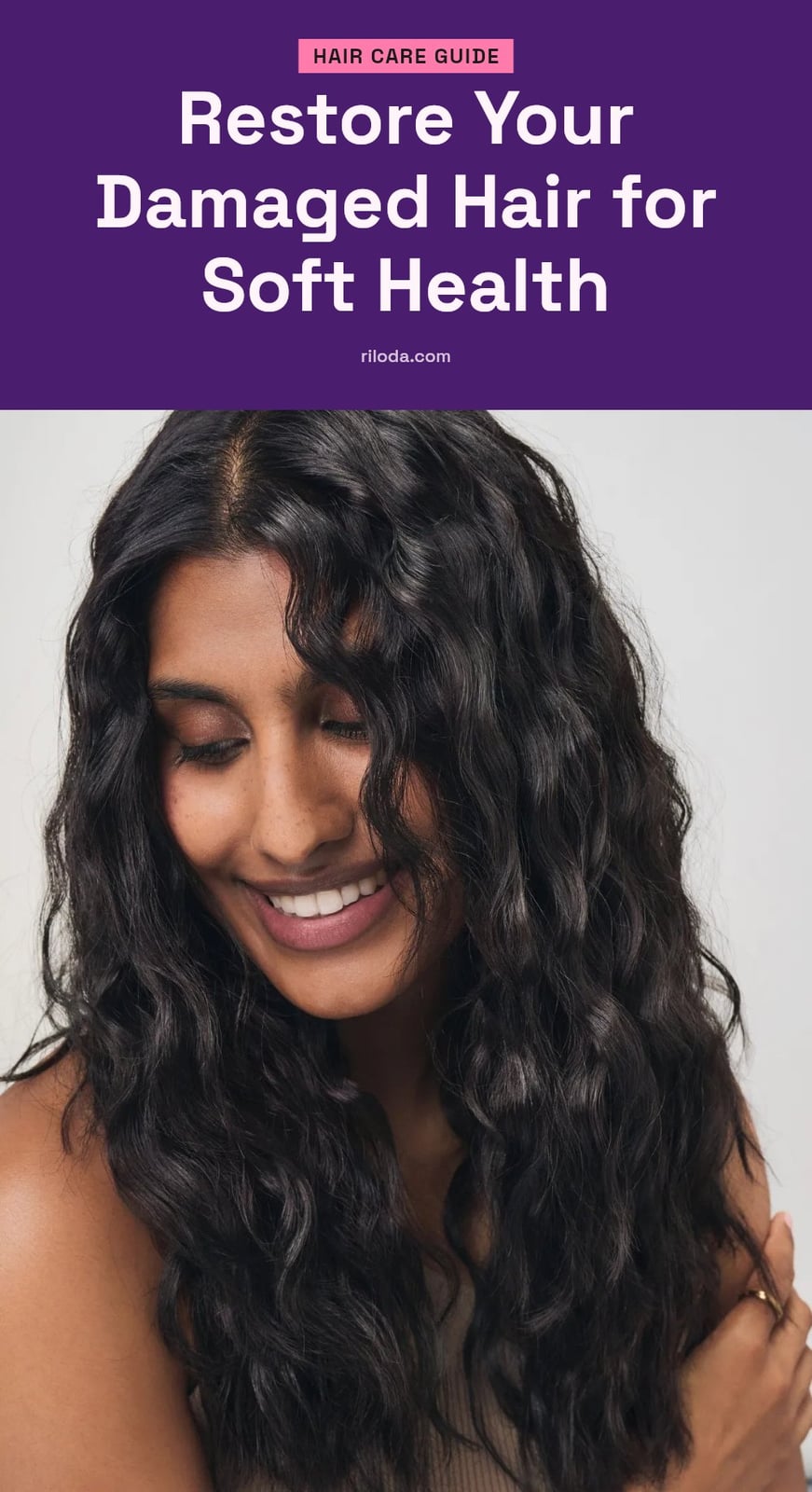
If your hair feels rough, looks dull, or breaks easily, you’re not alone. Damaged hair happens when the outer cuticle layer gets lifted or worn away, exposing the inner cortex to more stress. The good news is that you can dramatically improve the look, strength, and manageability of your strands without a magic fix. In this article, I’ll walk you through 10 practical steps to help your hair feel softer and healthier starting today.
While you can’t truly repair dead hair, a consistent routine of gentle handling, targeted treatments, and protective habits makes a real difference. Here’s what actually works.
Key Takeaways
- Get a trim every 6 to 8 weeks to remove split ends before they travel up the shaft.
- Use a heat protectant spray before any heat styling to prevent thermal damage.
- Deep condition once or twice a week to temporarily smooth the cuticle and add moisture.
- Brush hair from the ends up with a wide-tooth comb, especially when wet.
- Protect hair from sun exposure with a hat or UV-filter product to prevent dryness and color fading.
Can You Really Fix Damaged Hair?
If you’re hoping for a miracle that turns fried strands back to virgin hair, I have to be straight with you: the hair you see is technically dead, so no product can truly “repair” it. What you can do is dramatically improve how it looks, feels, and behaves. The real goal here is to stop further damage in its tracks while giving your new growth a healthy start. Stick with a consistent routine of gentle handling, targeted treatments, and protective habits, and you’ll see real change.
1. Get a Regular Trim
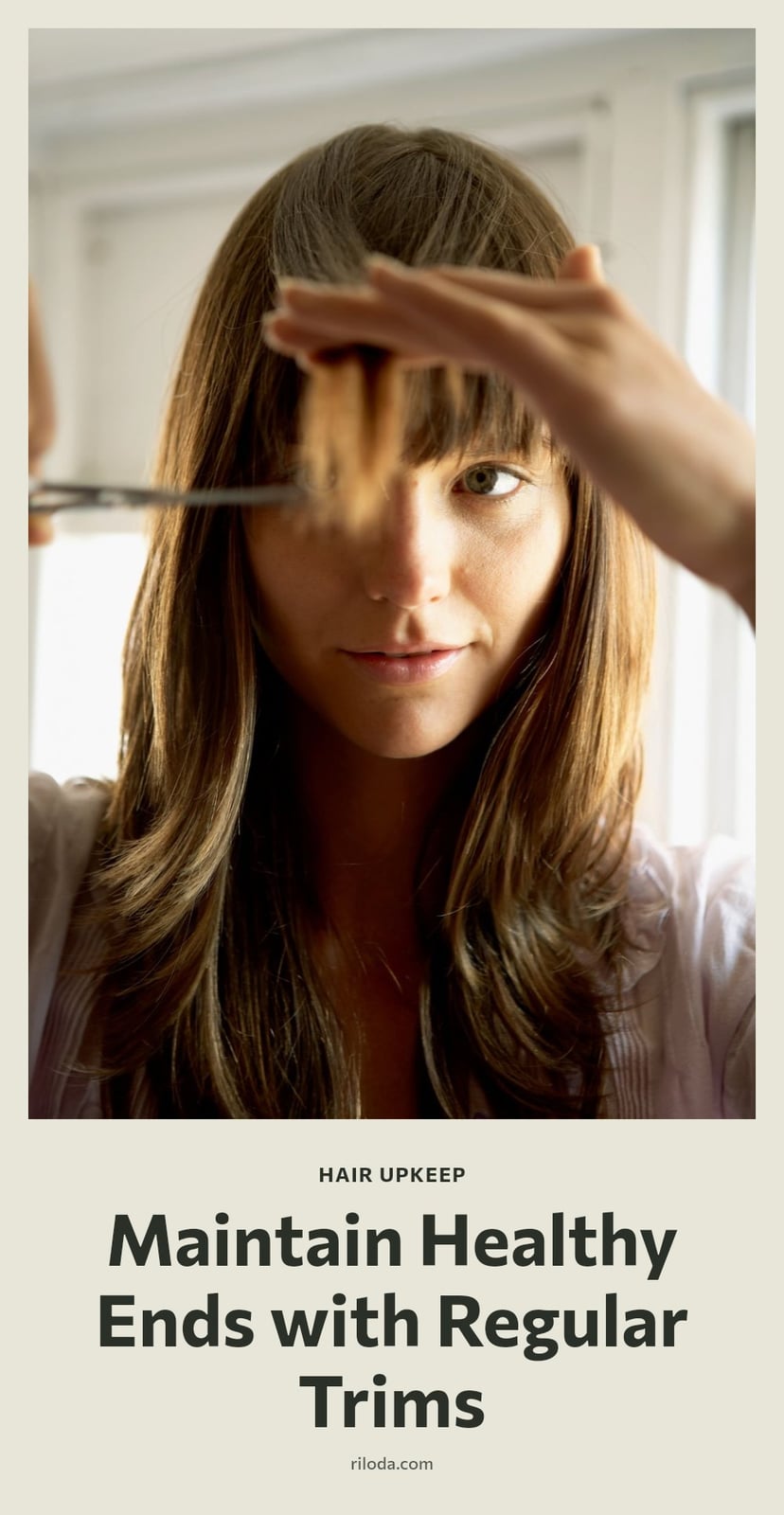
Split ends are the most obvious sign of damage, and no amount of oil or serum can fuse them back together. The only real fix is a pair of scissors. Getting a trim every 6 to 8 weeks removes those frayed ends before they can split further up the shaft and cause more breakage.
My tip: Think of a trim as hitting the reset button for your hair’s health. Even half an inch makes a difference in how smoothly your ends lay and how much bounce you get back.
2. Choose a Gentle Shampoo and Conditioner
Many shampoos use sulfates to create that satisfying lather, but those same suds can strip your hair of the natural oils it desperately needs when it’s already dry and brittle. Switch to a sulfate-free, hydrating formula labeled for damaged or dry hair. It cleans without over-stripping.
Water temperature matters, too. Wash with lukewarm water to avoid shocking the cuticle open, then finish with a cool rinse. The cooler temperature helps flatten the cuticle, which locks in moisture and adds instant shine.
3. Deep Condition Regularly
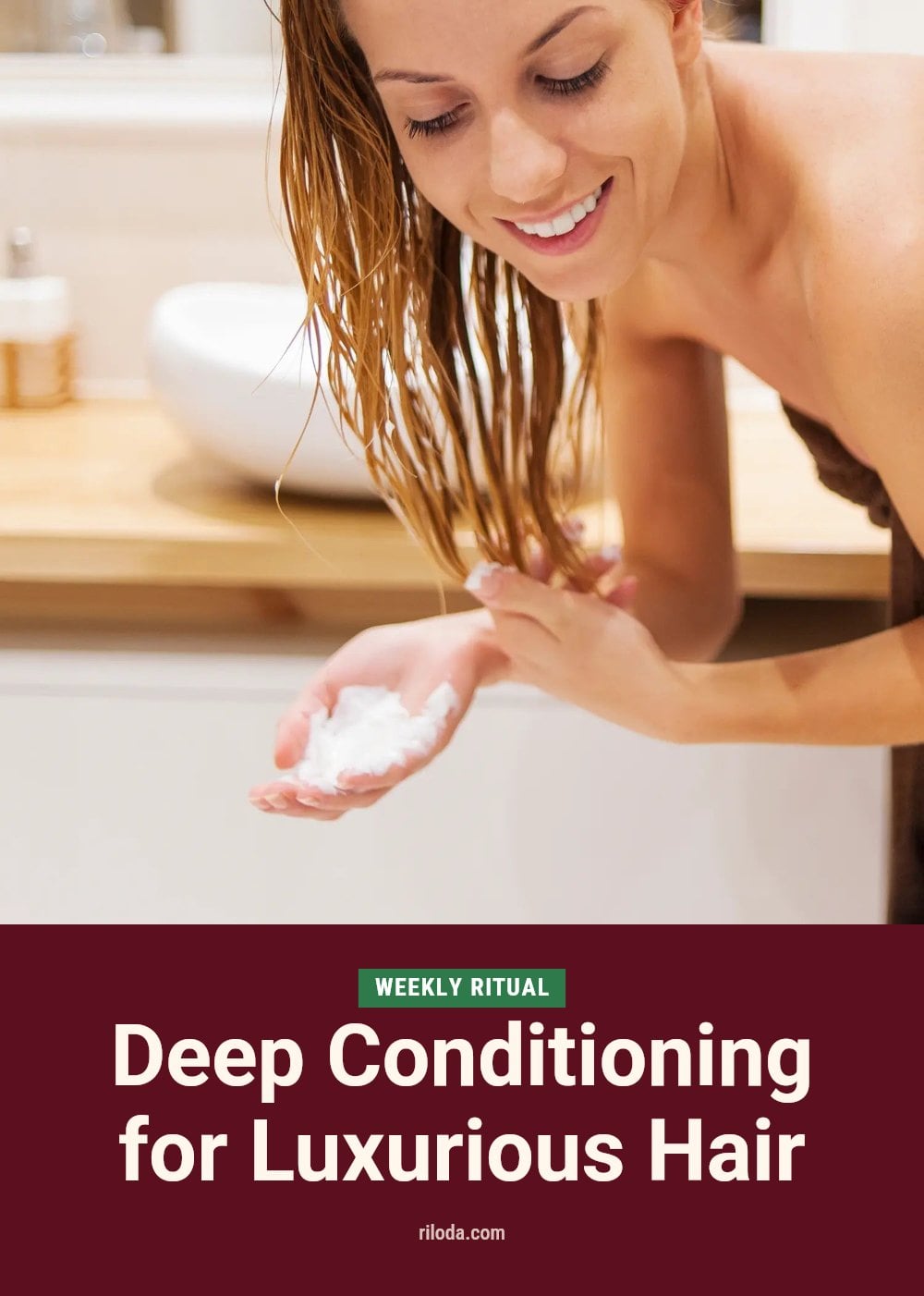
A deep conditioning mask works by temporarily smoothing the raised cuticle and flooding the hair with moisture, which makes strands feel softer and look shinier. Use one once or twice a week, and leave it on for the full time recommended on the bottle, usually 5 to 10 minutes.
My tip: Scan the ingredient list for shea butter, argan oil, or hyaluronic acid. These ingredients deliver intense hydration that damaged hair craves without weighing it down.
4. Use Heat Protectant Religiously
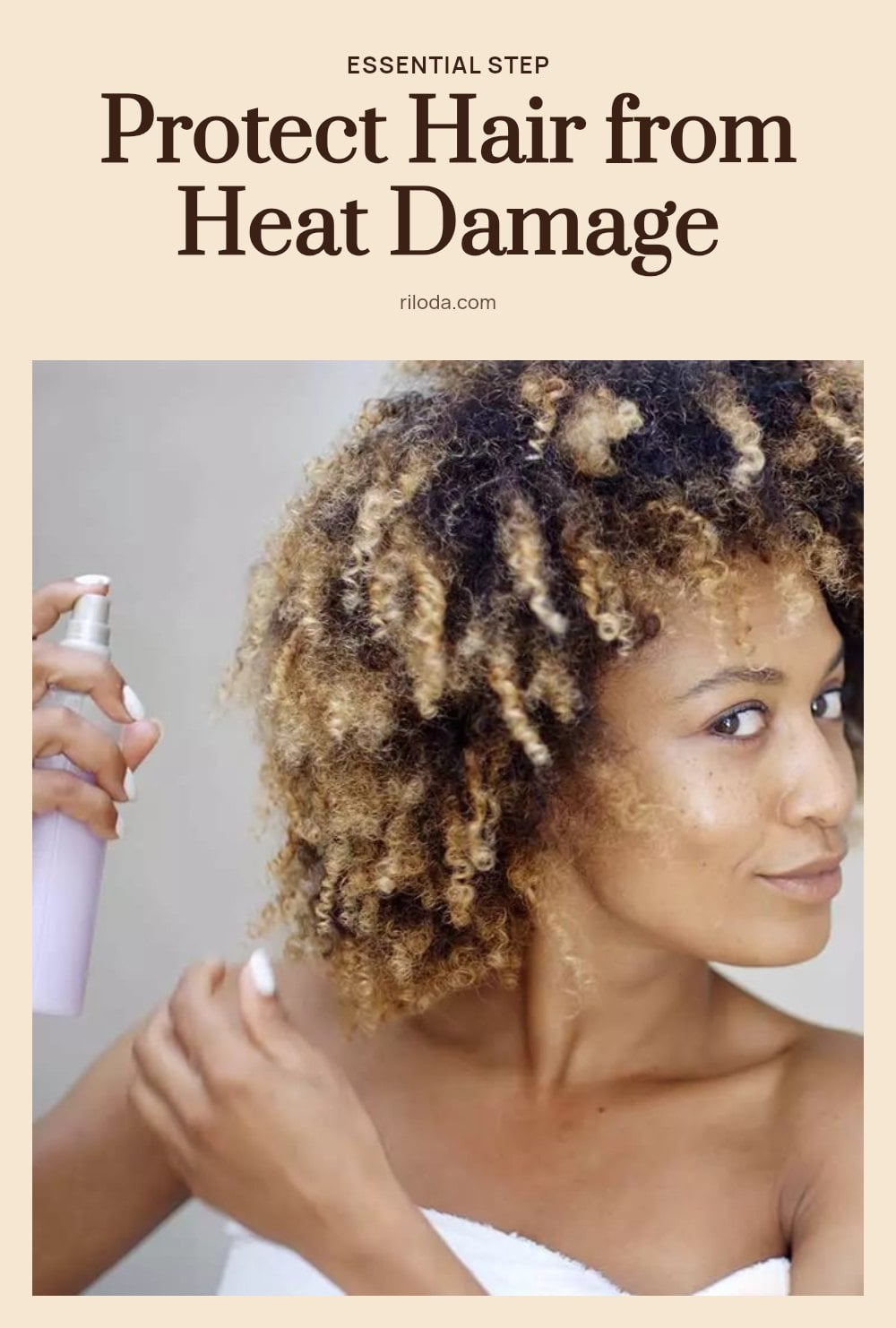
Heat styling tools like flat irons, curling irons, and blow dryers can cause thermal damage, especially at high temperatures. The heat lifts the cuticle and dries out the cortex, making hair brittle over time.
Always apply a heat protectant spray before any heat styling. It creates a barrier that absorbs and distributes heat, reducing direct contact with your strands. Tip: Even if you only blow-dry, a heat protectant is non-negotiable for damaged hair. Spray it on damp hair from mid-lengths to ends before you pick up the dryer.
5. Air Dry When Possible

Minimizing thermal damage is crucial for hair recovery, so air-drying whenever possible significantly reduces stress on your strands. Letting hair dry naturally avoids the high temperatures that worsen existing damage.
Gently blot hair dry with a microfiber towel instead of rubbing vigorously. The microfiber fabric absorbs water faster and creates less friction than a regular towel, which helps prevent mechanical damage and frizz.
6. Brush Hair Gently and Correctly
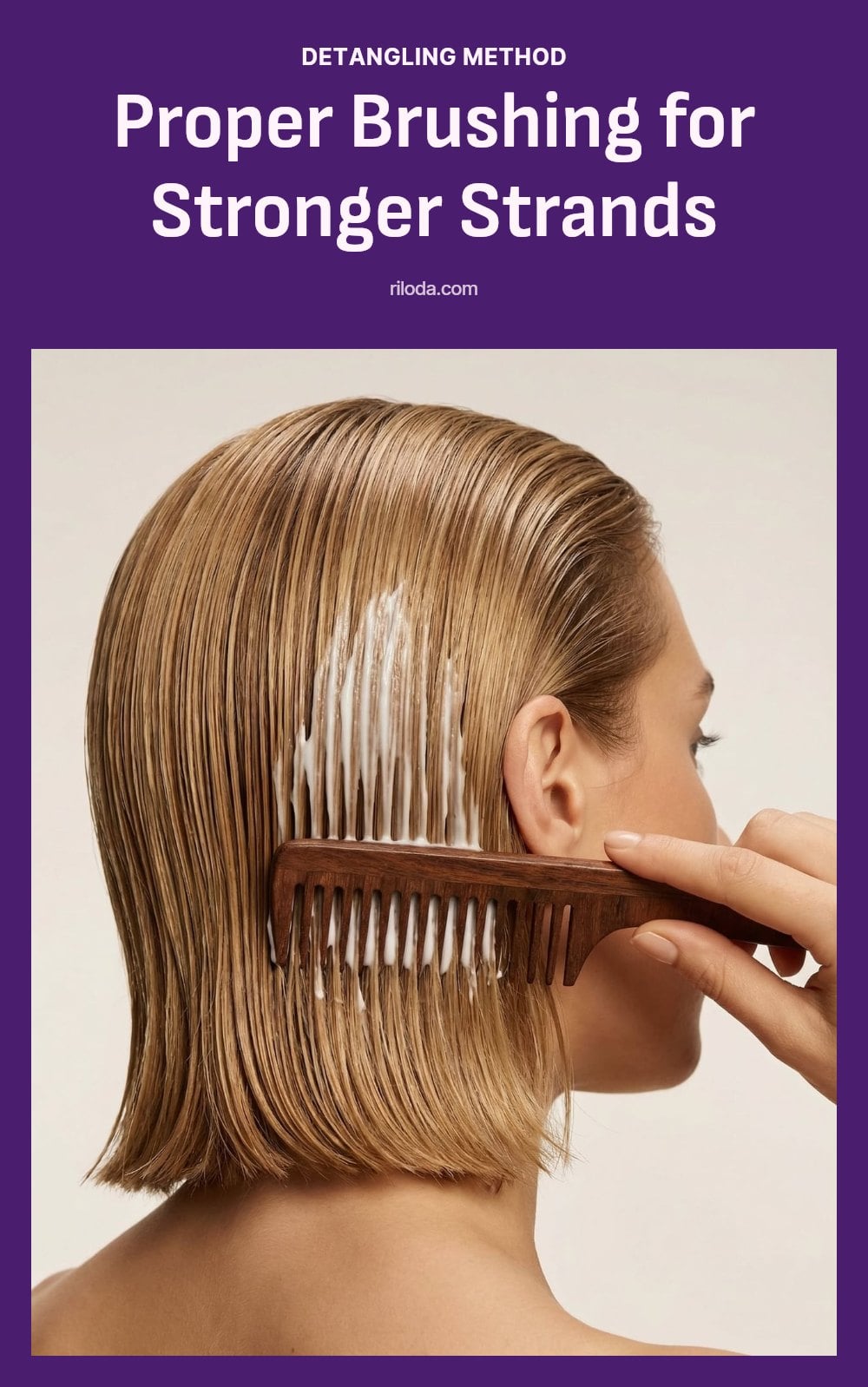
Over-brushing or brushing wet hair aggressively can cause mechanical damage and breakage. Wet hair is especially vulnerable because water weakens the hydrogen bonds that give it strength.
Use a wide-tooth comb on wet hair, starting from the ends and working your way up to release tangles without pulling. For dry hair, use a gentle brush and detangle section by section to avoid unnecessary pulling. Tip: Hold the section above the tangle to reduce tension on the roots.
7. Incorporate Leave-In Treatments
Leave-in conditioners, oils, or serums provide continuous hydration and protection throughout the day. They coat the hair shaft, helping to smooth the cuticle, reduce frizz, and add shine without needing to rinse out.
Good to know: A small amount goes a long way. Apply to mid-lengths and ends to avoid weighing down roots. Choose a formula with silicones or lightweight oils for damaged hair, as they seal the cuticle and prevent moisture loss between washes.
8. Protect Hair from Environmental Damage
Sun exposure doesn’t just affect your skin. UV radiation degrades hair proteins and pigments, leading to dryness, brittleness, and color fading. Protect your strands by wearing a hat or using a hair product with UV filters when you’re outdoors for more than a few minutes.
Overnight friction is another overlooked cause of damage. Sleeping on a cotton pillowcase can create enough friction to cause breakage and frizz. A silk or satin pillowcase lets your hair glide instead of snag, reducing mechanical damage while you sleep.
9. Be Mindful of Chemical Treatments
Chemical processes like coloring, perming, and relaxing break disulfide bonds inside the hair shaft, which weakens its structure. The more treatments you layer on, the more those bonds degrade. Avoid scheduling multiple chemical services close together; give your hair at least four to six weeks between treatments.
If you color your hair, consider gentler options. Balayage or highlights only lighten sections of hair rather than saturating the entire strand from root to tip, which limits the area of damage. Always use a bond-repairing additive if available, and never process over previously damaged hair.
10. Consider a Protein Treatment (Carefully)
If your hair feels overly stretchy or mushy when wet, it may lack protein and could benefit from a protein treatment. These treatments deposit proteins that temporarily fill gaps in the hair shaft, adding strength and structure.
Caution: Overuse of protein treatments can backfire, leaving hair stiff, brittle, and prone to breakage. Follow the product instructions exactly and use a protein treatment only once every four to six weeks, or as needed based on how your hair responds.
Pro move: Balance protein with moisture. Alternate protein treatments with hydrating masks so your hair doesn’t become rigid. If your hair starts snapping easily after a protein treatment, switch back to moisture-only products for a few washes.
Common Mistakes When Dealing with Damaged Hair
Believing split ends can be ‘repaired’: Products can temporarily seal split ends, but they cannot fuse the hair back together. The only permanent fix is a trim. Keep using those serums for smoothness, but book a haircut every 6-8 weeks.
Using too much heat without heat protectant: Even a single pass of a 400-degree flat iron without protection can cause visible damage. Heat protectant is non-negotiable every single time you style.
Brushing hair aggressively, especially when wet: Wet hair is at its weakest. Ripping a brush through wet strands causes breakage. Always use a wide-tooth comb and start from the ends, working upward.
Over-washing hair: Washing daily strips natural oils that help protect damaged strands. Aim for 2-3 times per week, or even less if your hair is very dry. Use dry shampoo between washes.
Ignoring the signs of damage: If your hair feels rough, looks dull, or breaks easily, your current routine isn’t working. Adjust one thing at a time, switch to a gentler shampoo, add a weekly mask, or lower your heat setting, and watch how your hair responds.
Frequently Asked Questions
How long does it take to repair damaged hair?
You can see improvements in texture and appearance within a few weeks of consistent care, but significant recovery and growth of healthier hair typically takes several months. Because the hair you see is dead, the real change comes as new, healthy hair grows in from the root.
Can split ends truly be repaired?
No, split ends cannot be repaired or fused back together with any product. Serums and oils can temporarily seal them for a smoother look, but the only permanent fix is a trim. That’s why getting regular trims every 6 to 8 weeks is essential to prevent splits from traveling up the hair shaft.
Is it okay to brush wet damaged hair?
Brushing wet hair with a regular brush can cause mechanical damage and breakage because water weakens the hydrogen bonds in the hair shaft. Instead, use a wide-tooth comb on wet hair, starting from the ends and working your way up to gently release tangles without stressing the strands.
What’s the difference between a hydrating mask and a protein treatment?
A hydrating mask adds moisture to smooth the cuticle and make hair feel softer and shinier. A protein treatment deposits proteins to fill gaps in the hair shaft, adding strength and structure, especially if hair feels overly stretchy or mushy when wet. Be careful not to overuse protein treatments, as they can leave hair stiff and brittle.
How often should I get a trim for damaged hair?
For damaged hair, a trim every 6 to 8 weeks is recommended to remove split ends and prevent them from traveling up the hair shaft, which can cause further breakage. Regular trims are the most reliable way to keep hair looking and feeling healthier over time.
Final Thoughts
Start with one or two changes, like switching to a gentle shampoo and air-drying more often, and you’ll likely see improvements in texture within a few weeks. For lasting results, keep up with regular trims and protect your hair from heat and the sun. Healthy hair is a gradual process, but every small step adds up to softer, stronger strands over time.
More Blog ideas
- How to Use Rose Water for Radiant Skin and Healthy Hair
- What Is My Personality Type? Understanding Yourself Better
- How to Clean Your Pores at Home
- Vitamin C Benefits for Skin and Health Plus the Best Foods
- How to Start Shadow Work for Deeper Self-Understanding
- How to Prep Your Hair Before Bleaching for Less Damage
- How to Prepare Sea Moss Gel at Home for Wellness
- How to Use Rice Water for Glowing Skin and Shiny Hair
- How to Find Morning Motivation When You Want to Stay in Bed
- Filing Nails: How to File Nails Correctly for Strong, Healthy Fingernails
- Healthy Coping Skills: Proven Strategies for Difficult Times
- Simple Ways to Romanticize Your Life Every Day