Cycle Syncing: How to Cycle Sync Your Lifestyle with Your Menstrual Cycle
Discover how cycle syncing can help you align your diet and exercise with your menstrual cycle for better energy, mood, and overall well-being.

Ever feel like some days you have boundless energy and others you just want to curl up on the couch? That might be your menstrual cycle talking. Cycle syncing is about tuning into those natural hormonal shifts and adjusting your workouts and diet to match how your body actually feels each week. This article walks you through the four phases, what to eat and how to move during each one, and the simple tools you need to get started.
Key Takeaways
- Track your cycle daily with an app or journal to know which phase you are in.
- Do high-intensity workouts and strength training during your follicular and ovulatory phases.
- Choose restorative activities like yoga, walking, and stretching during the luteal and menstrual phases.
- Add complex carbohydrates and healthy fats during the luteal phase to support energy and mood.
- Listen to your body and adjust activities even within a phase, since individual responses vary.
What Is Cycle Syncing and How Does It Work?
Cycle syncing is the practice of adjusting your diet, exercise, and daily lifestyle to align with the four phases of your menstrual cycle. The idea is that by working with your body’s natural hormonal fluctuations, rather than against them, you can optimize your energy, mood, and physical performance throughout the month. Instead of pushing through fatigue or forcing high-intensity workouts when your body needs rest, you tailor your activities to what each phase supports naturally.
Essential Tools for Successful Cycle Syncing
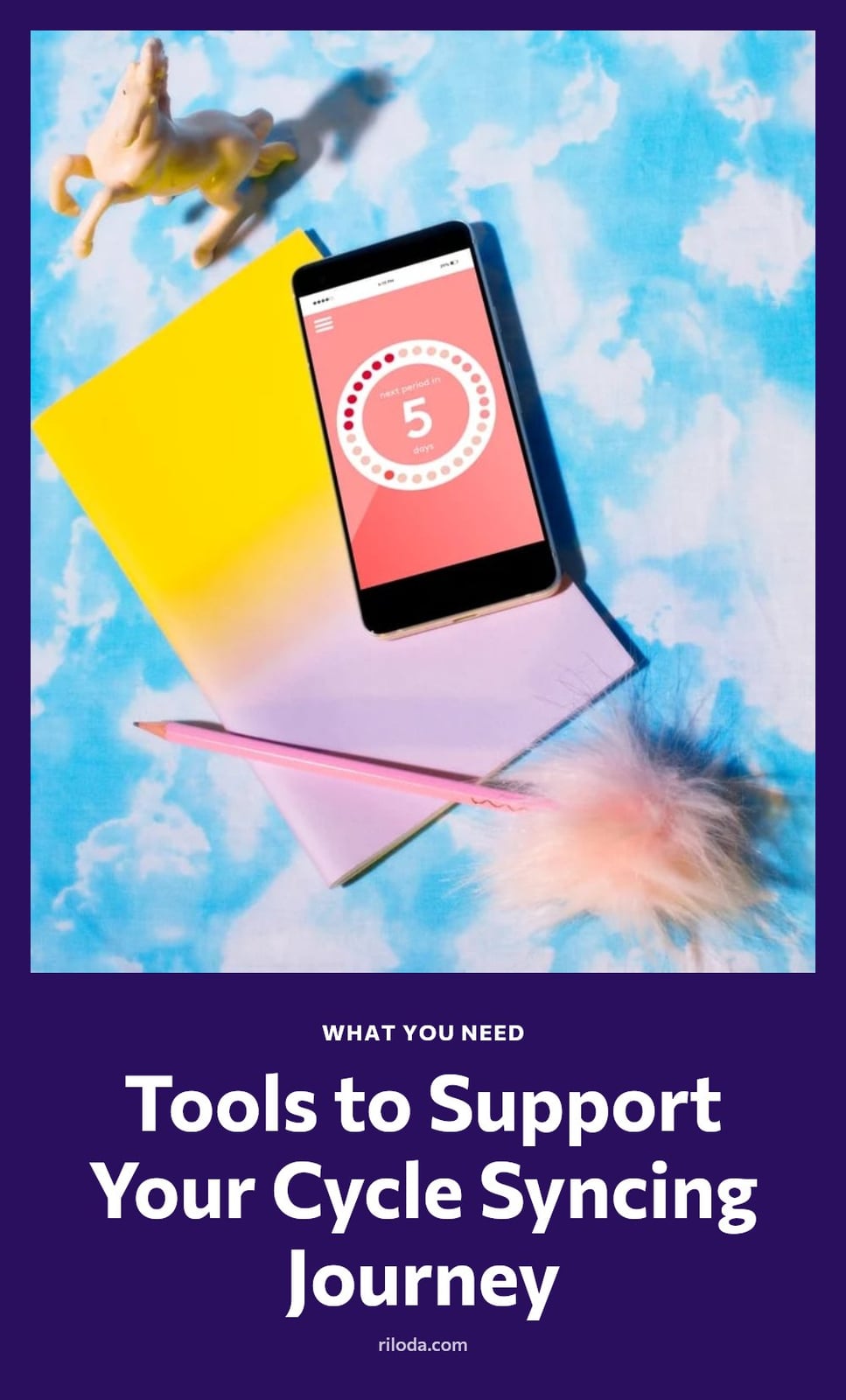
To start cycle syncing, you only need a few basics.
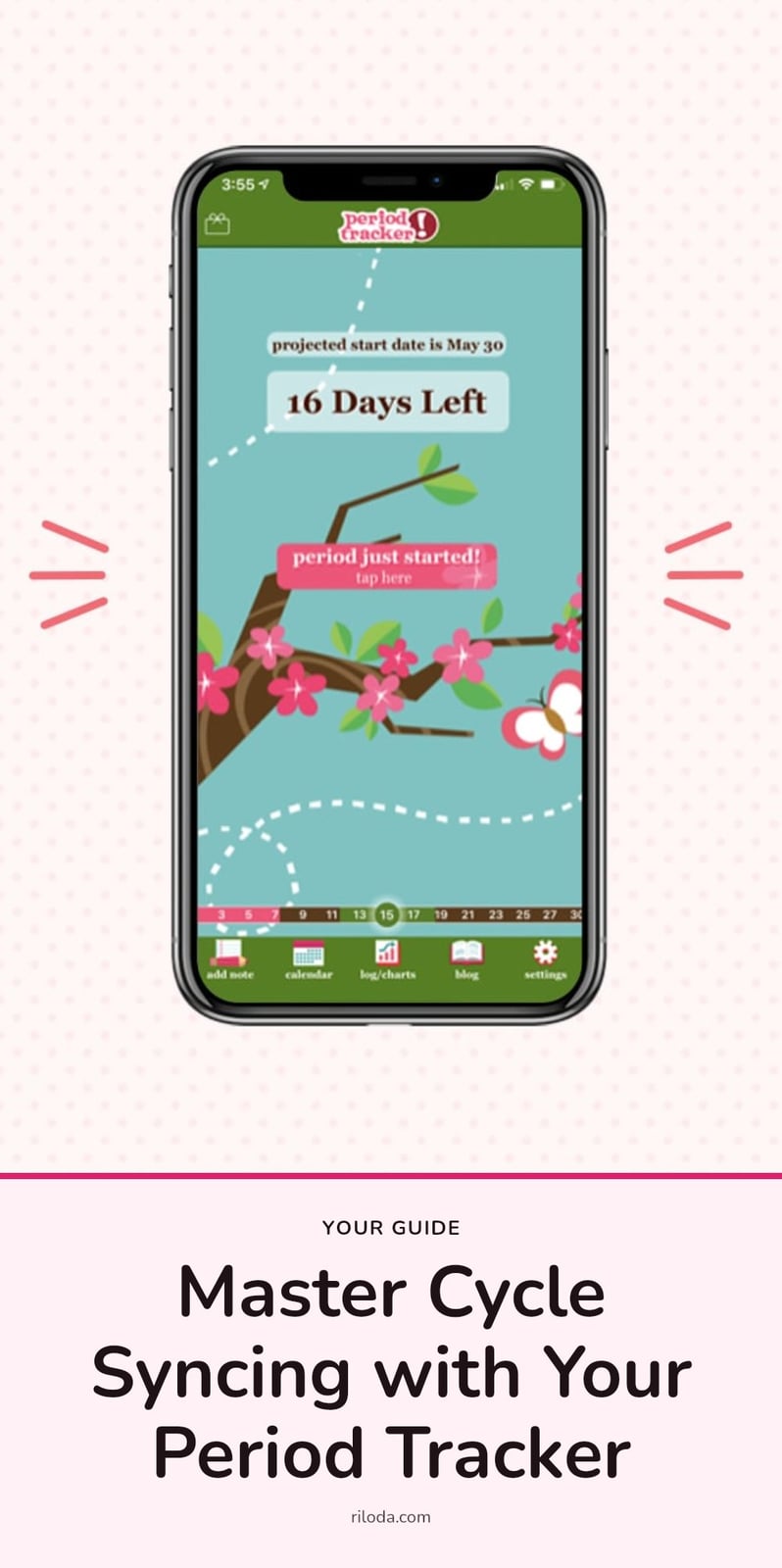
- Tracking tool: A reliable cycle tracking app or a simple journal is essential for identifying your unique phase lengths and patterns. Consistent daily logging is what makes syncing possible.
- Versatile workout gear: Have equipment for both high-intensity sessions (dumbbells, resistance bands) and low-impact recovery (yoga mat, walking shoes) so you can easily switch based on your energy.
- Nutrient-dense foods: Keep a variety of fruits, vegetables, whole grains, lean proteins, and healthy fats on hand. These support hormone balance across all cycle phases.
Step-by-Step: Syncing Your Lifestyle with Your Cycle
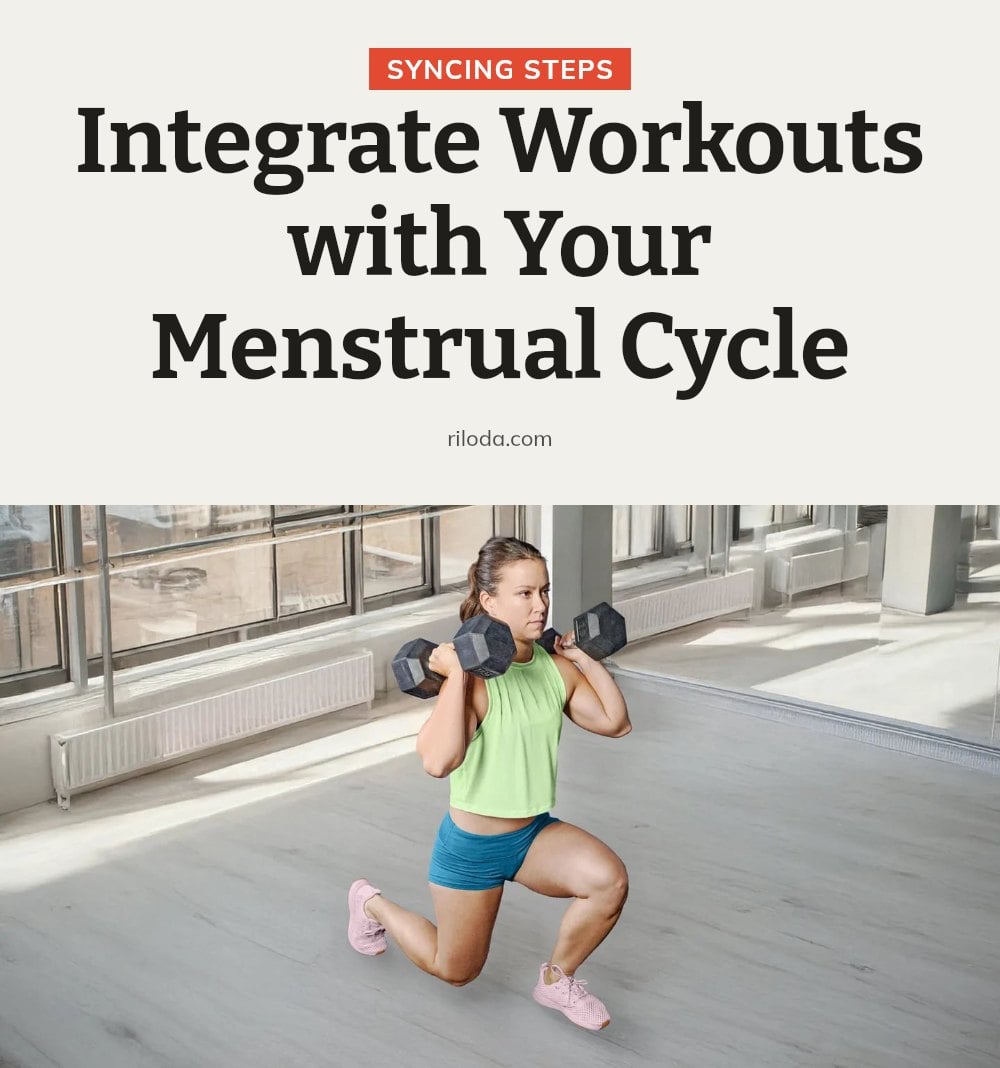
Follow these steps to align your lifestyle with each phase of your cycle.
- Track your cycle consistently: Use your app or journal to log the start and end of your period, plus any symptoms like energy shifts or mood changes. Do this for at least one full cycle to see your unique rhythm and phase lengths.
- Adjust workouts by phase: During the follicular phase (after your period ends) and ovulation, prioritize high-intensity interval training (HIIT) and strength training. Your rising estrogen supports higher energy and performance. In the luteal phase and during menstruation, focus on restorative activities like yoga, walking, and stretching. Progesterone rises in the luteal phase, which can lower energy, so listen to your body.
- Tailor your diet to hormonal needs: In the follicular and ovulatory phases, emphasize lean proteins and fresh vegetables. During the luteal phase, increase complex carbohydrates (like oats and sweet potatoes) and healthy fats (avocado, nuts) to help stabilize energy and mood. Throughout your period, include iron-rich foods such as leafy greens and legumes.
- Prioritize sleep and stress management every day: Aim for consistent sleep and incorporate stress-reducing practices like deep breathing or gentle stretching. These foundations support hormone balance across all four phases.
My tip: Don’t worry if your cycle doesn’t match the textbook 28-day pattern. A normal range is 21 to 35 days. Track what’s normal for you and adjust your activities accordingly.
Understanding Your Menstrual Cycle Phases
The menstrual cycle averages 28 days but can range from 21 to 35 days. It has four main phases, each with distinct hormonal shifts that affect your energy and mood.
Menstruation
Both estrogen and progesterone are low. Many people experience lower energy and may prefer rest or light activity.
Follicular Phase
Estrogen begins to rise, often boosting energy, focus, and mood. This phase typically feels like a good time for higher-intensity workouts and tackling complex tasks.
Ovulation
Estrogen and luteinizing hormone (LH) peak around mid-cycle. Energy and confidence can be high, making it a strong window for strength training and cardio.
Luteal Phase
Progesterone rises, which can increase body temperature and lower energy levels. Mood and physical stamina may dip, so restorative activities and more complex carbohydrates can help support you through this phase.
Practical Tips for Effective Cycle Syncing
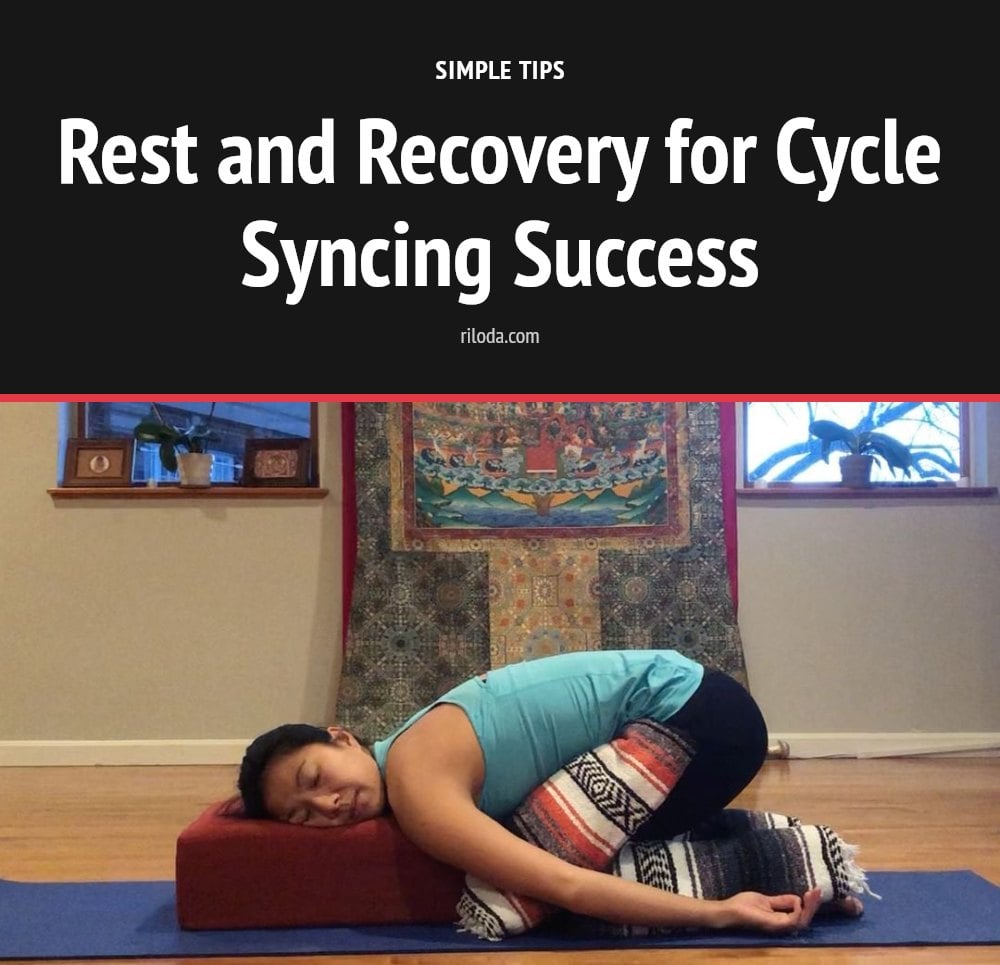
Your body gives you real-time feedback, and individual responses to cycle syncing vary significantly. If you wake up feeling drained, skip the HIIT and take a walk instead. During your follicular and ovulatory phases, prioritize high-intensity workouts and strength training when energy is naturally higher. For the luteal and menstrual phases, focus on restorative activities like yoga, walking, and stretching.
Tip: Increase complex carbohydrates and healthy fats during the luteal phase to support your energy and mood. Think whole grains, sweet potatoes, avocado, and nuts. Adequate sleep and consistent stress management are non-negotiable throughout your entire cycle, not just one phase.
Good to know: You do not need to follow every recommendation perfectly. If a gentle yoga session feels better than a planned walk, honor that. Cycle syncing is a flexible framework, not a rigid rulebook.
Common Mistakes to Avoid While Cycle Syncing
The most common mistake is not tracking your cycle accurately. Without consistent logging, you cannot align activities with the right phase, so use an app or journal daily. Expecting a one-size-fits-all approach also fails because every person has unique hormonal patterns.
Ignoring other lifestyle factors like sleep and stress undermines your syncing efforts, even if you time workouts perfectly. Pushing through discomfort or pain just to follow a phase plan can be detrimental. Your body’s signals always take priority.
Mistake: Believing cycle syncing replaces professional medical advice. This practice is a lifestyle adjustment, not a treatment for hormonal imbalances. Always consult a doctor for persistent symptoms, severe pain, or diagnosed conditions.
When to Consult a Healthcare Professional
Cycle syncing is a lifestyle adjustment, not a medical treatment. If you notice significant changes in your cycle, severe pain, or unusual symptoms, make an appointment with your doctor or gynecologist before changing anything. The same goes for major dietary shifts, especially if you have underlying health conditions like diabetes or thyroid issues.
Pregnant or breastfeeding women should talk to their doctor before attempting cycle syncing, since hormonal patterns are different during these times. Individuals with diagnosed hormonal disorders, such as PCOS or endometriosis, should also seek medical advice first. Your healthcare provider can help you determine whether cycle syncing is safe and appropriate for your situation.
Frequently Asked Questions
Can cycle syncing help with PMS symptoms?
Many people find that adjusting their diet and exercise to their cycle can help manage common PMS symptoms like fatigue, bloating, and mood swings. For example, focusing on complex carbs and healthy fats during the luteal phase may stabilize energy and mood. However, cycle syncing is not a medical treatment, and severe symptoms should be discussed with a healthcare professional.
How long does it take to see results from cycle syncing?
Results vary from person to person because everyone’s hormonal patterns are unique. Some people notice improvements in energy and mood within one or two cycles, while others may need three to four cycles of consistent tracking and adjustment to feel a real difference. Patience and consistency are key.
Is cycle syncing suitable for everyone?
Cycle syncing is generally safe for most people who menstruate, but it is not a one-size-fits-all approach. If you are pregnant, breastfeeding, or have a diagnosed hormonal disorder, consult your doctor before making any changes. Individuals with irregular cycles can still benefit by tracking their own patterns and adapting the principles to their unique rhythm.
What if my cycle is irregular?
If your cycle is irregular, you can still use cycle syncing by tracking your daily symptoms and signs like cervical mucus or basal body temperature to identify your phases. An app or journal can help you spot patterns over time. For persistent irregularity, speak with a gynecologist to rule out underlying conditions.
Final Thoughts
My tip: start by simply logging your period and a few daily notes on energy and mood for one full cycle before making any changes. That baseline makes syncing feel natural, not forced. Expect to see subtle shifts over a few cycles, not overnight results. Cycle syncing is a flexible tool to help you feel more in tune with your body, not a strict rulebook.
The information in this article is for general informational purposes only and is not a substitute for professional medical advice, diagnosis, or treatment. Always consult a qualified healthcare provider, such as a doctor or gynecologist, before making significant changes to your diet, exercise routine, or lifestyle, especially if you have a health condition or are pregnant or breastfeeding.
More Blog ideas
- How to Use Rose Water for Radiant Skin and Healthy Hair
- What Is My Personality Type? Understanding Yourself Better
- How to Clean Your Pores at Home
- Vitamin C Benefits for Skin and Health Plus the Best Foods
- How to Start Shadow Work for Deeper Self-Understanding
- How to Prep Your Hair Before Bleaching for Less Damage
- How to Prepare Sea Moss Gel at Home for Wellness
- How to Use Rice Water for Glowing Skin and Shiny Hair
- How to Find Morning Motivation When You Want to Stay in Bed
- Filing Nails: How to File Nails Correctly for Strong, Healthy Fingernails
- Healthy Coping Skills: Proven Strategies for Difficult Times
- Simple Ways to Romanticize Your Life Every Day