Creating a Calorie Deficit Meal Plan for Sustainable Weight Loss
Learn how to create a calorie deficit meal plan that keeps you satisfied. Discover practical steps and meal ideas for sustainable weight loss.


Starting a calorie deficit meal plan is one of the most straightforward ways to lose weight, but the real challenge is keeping hunger at bay while you do it. The key is to focus on nutrient-dense foods like lean proteins, fiber-rich vegetables, and whole grains that keep you full and satisfied without blowing your calorie budget. In this article, I’ll walk you through how to build a sustainable meal plan, common mistakes to avoid, and smart strategies to stay on track.
Key Takeaways
- Aim for a deficit of about 3,500 calories per week to lose roughly one pound of fat.
- Include a source of lean protein and fiber-rich vegetables in every meal to stay full.
- Use a food scale or measuring cups for accurate portion control, even with healthy foods.
- Plan meals and snacks in advance to avoid impulsive, high-calorie choices.
- Drink plenty of water throughout the day, especially before meals, to support satiety.
Creating a Calorie Deficit Meal Plan for Sustainable Weight Loss
A calorie deficit meal plan means eating fewer calories than your body burns, which leads to weight loss. The key is to focus on nutrient-dense foods like lean proteins, fiber-rich fruits and vegetables, and whole grains so you feel full and satisfied without overeating. Aim for a gradual deficit of about 3,500 calories per week to lose 1 pound of fat sustainably. Consistency and mindful eating are your best tools for long-term success without feeling deprived.
Essential Tools and Ingredients for Your Meal Plan
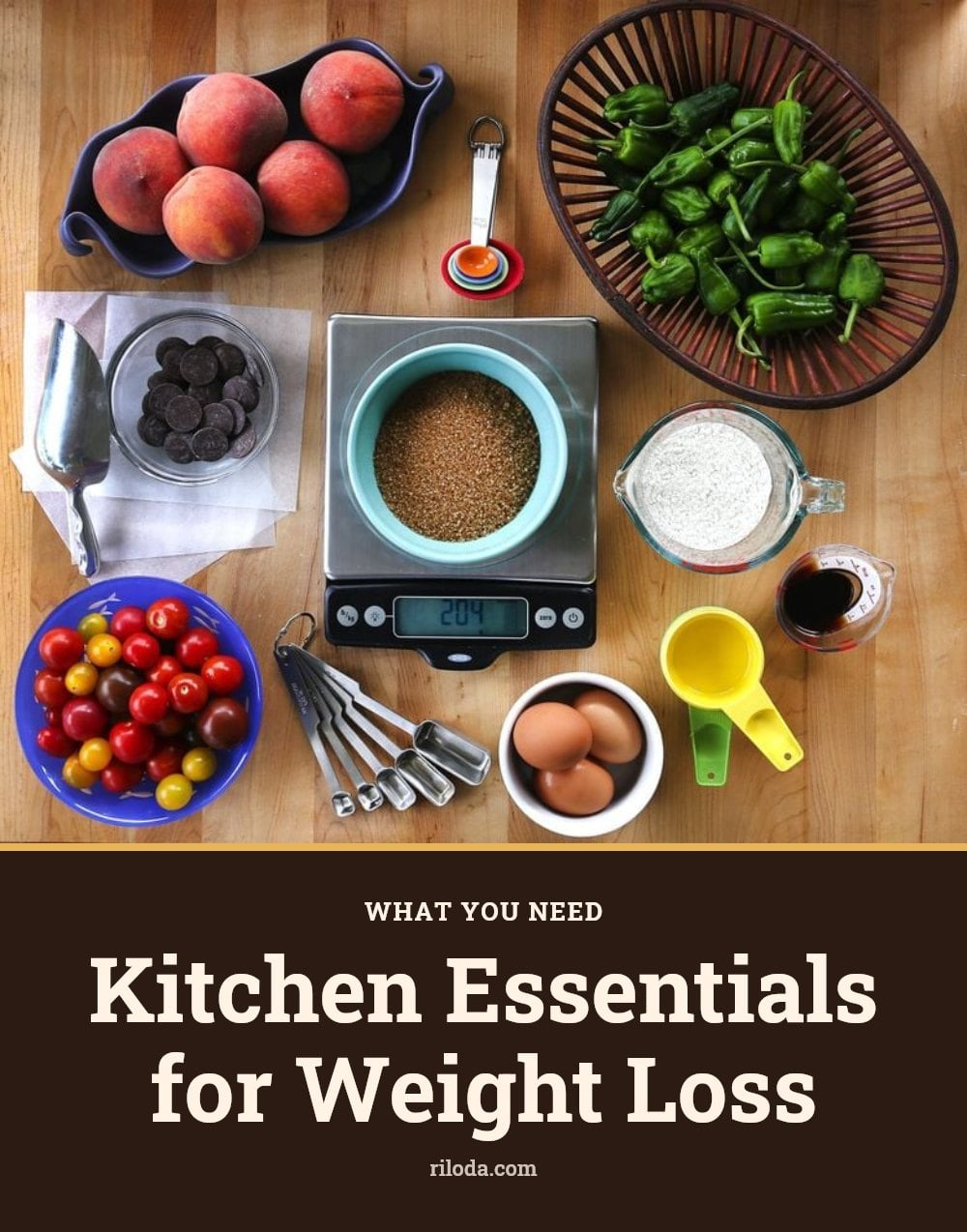
Before you start, gather a few essentials to set yourself up for success.
- Food scale and measuring cups: These are crucial for accurate portion control, since even healthy foods add up.
- Food tracking app or journal: Logging what you eat helps you monitor calorie intake and spot where to adjust.
- Meal prep containers: Use them to prepare and store meals in advance, making it easier to stick to your plan.
- Pantry staples: Stock up on lean proteins, non-starchy vegetables, fruits, whole grains, and healthy fats so you always have good options on hand.
Step-by-Step: Building Your Calorie Deficit Meal Plan

Building a calorie deficit meal plan is straightforward when you break it into steps.
- Calculate your baseline: Estimate your daily calorie needs using your age, sex, activity level, and metabolism. Online calculators can help, but your body is the best guide.
- Set your deficit: Aim for a gradual deficit, such as 500 calories per day, which supports losing about 1 pound per week. Avoid extreme cuts that leave you exhausted.
- Prioritize protein: Include a lean protein source like chicken breast, fish, tofu, or legumes at every meal. Protein boosts satiety and helps preserve muscle while you lose fat.
- Fill half your plate with vegetables: Non-starchy options like broccoli, spinach, and bell peppers add fiber and volume for few calories, keeping you full.
- Choose whole grains: Swap white rice for brown rice, white bread for whole wheat, and refined pasta for whole grain. Whole grains provide sustained energy and more fullness.
- Add healthy fats in moderation: Avocado, nuts, seeds, and olive oil are great, but they are calorie-dense. Measure portions to stay within your target.
- Plan meals and snacks: Decide what you will eat ahead of time to avoid impulsive, high-calorie choices. Meal prepping on weekends can keep you consistent.
- Stay hydrated: Drink water throughout the day, especially before meals. Sometimes thirst is mistaken for hunger, so hydrate first.
Sample 7-Day Calorie Deficit Meal Plan
This sample 7-day plan focuses on nutrient-dense foods to keep you satisfied while in a calorie deficit. Adjust portion sizes and swap foods to fit your personal calorie needs and preferences. Each day includes lean protein, complex carbs, healthy fats, and plenty of vegetables.
| Day | Breakfast | Lunch | Dinner |
|---|---|---|---|
| Monday | Greek yogurt with berries and oats | Grilled chicken salad with olive oil dressing | Baked salmon with quinoa and roasted broccoli |
| Tuesday | Scrambled eggs with spinach and whole wheat toast | Turkey and avocado wrap with mixed greens | Tofu stir-fry with brown rice and bell peppers |
| Wednesday | Overnight oats with chia seeds and apple | Lentil soup with a side salad | Grilled shrimp with sweet potato and asparagus |
| Thursday | Smoothie with protein powder, banana, and spinach | Quinoa bowl with chickpeas, cucumber, and feta | Chicken breast with wild rice and green beans |
| Friday | Whole grain cereal with milk and sliced strawberries | Tuna salad on whole wheat crackers | Lean beef stir-fry with cauliflower rice |
| Saturday | Vegetable omelet with a side of fruit | Black bean burger with side salad | Baked cod with barley and roasted carrots |
| Sunday | Pancakes made with whole wheat flour and berries | Chicken and vegetable skewers with quinoa | Turkey chili with a side of mixed greens |
Remember to drink plenty of water throughout the day. This plan is a starting point, so tweak it to match your tastes and calorie goals.
Common Calorie Deficit Mistakes and How to Avoid Them
Even with a solid meal plan, a few common mistakes can slow your progress. The biggest one is underestimating calorie intake. Track everything, including drinks, condiments, and cooking oils, for at least a few days to see where your calories actually come from.
Not enough protein: Prioritize lean protein sources at every meal. It preserves muscle and keeps you full longer, which makes the deficit easier to stick with.
Cutting calories too severely: Avoid dropping below 1200 calories per day without consulting a healthcare professional, as extreme deficits can lead to fatigue, nutrient deficiencies, and often rebound weight gain. If you have underlying health conditions, seek medical advice before making significant changes.
Failing to plan: Meal prep and plan snacks in advance. Without a plan, impulsive, high-calorie choices take over.
Ignoring portion sizes: Even healthy foods have calories. Use a food scale for accuracy.
Not drinking enough water: Hydrate consistently. Thirst can easily feel like hunger, leading to unnecessary snacking.
Smart Strategies for Staying Full and Motivated

Staying full and motivated comes down to a few smart habits. Practice mindful eating by paying attention to your hunger and fullness cues. Eat slowly and stop when you are comfortably satisfied, not stuffed.
Focus on volume: Load up on non-starchy vegetables like broccoli, spinach, and bell peppers. They add bulk to meals for very few calories, helping you feel full.
Cook at home: You control the ingredients and portion sizes. Restaurant meals often pack hidden calories.
Prioritize sleep: Aim for 7-9 hours per night. Poor sleep can disrupt hunger hormones, making cravings harder to resist.
Manage stress: Find healthy coping mechanisms like walking, journaling, or deep breathing instead of turning to food.
Incorporate physical activity: Exercise supports weight loss and boosts your mood, which helps with motivation.
When to Consult a Healthcare Professional
Before starting any significant dietary changes, consult a healthcare professional or registered dietitian, especially if you have underlying health conditions. They can help you set a safe calorie target.
Seek professional advice if you plan to follow a very low-calorie diet, such as below 1200 calories per day for women. Medical supervision is necessary at that level.
Consult a doctor if you experience signs of nutrient deficiency like extreme fatigue, hair loss, or brittle nails. Stop the diet and seek medical attention if you feel dizzy, extremely fatigued, or have other concerning symptoms.
Frequently Asked Questions
How quickly can I expect to lose weight on a calorie deficit?
Sustainable weight loss typically occurs at a rate of 1-2 pounds per week. This gradual pace helps preserve muscle mass and reduces the risk of nutrient deficiencies. Results become noticeable over several weeks to months of consistent effort.
Can I still eat out on a calorie deficit meal plan?
Yes, but it requires some planning. Look up the menu in advance, choose grilled or steamed options over fried ones, and ask for dressings or sauces on the side. Watch out for hidden calories in beverages, condiments, and cooking oils.
What if I’m always hungry on a calorie deficit?
Persistent hunger often means you need more protein, fiber, or water. Increase your intake of lean proteins, non-starchy vegetables, and whole grains. Also, make sure you’re drinking enough water, as thirst can be mistaken for hunger. If hunger continues, consult a healthcare professional.
Do I need to track every single calorie to lose weight?
Not forever, but tracking for at least a few days or weeks can help you identify calorie sources and portion sizes. Many people find it useful to track until they develop an intuitive sense of appropriate portions. A food tracking app or journal can simplify the process.
How important is exercise when on a calorie deficit?
Exercise is not required for weight loss, but it supports fat loss while preserving muscle mass, especially when combined with adequate protein intake. Physical activity also boosts overall health and can help you maintain your results long-term.
What are the best snacks for a calorie deficit?
Focus on snacks that combine protein and fiber, such as Greek yogurt with berries, apple slices with almond butter, or carrot sticks with hummus. These options provide volume and satiety without a high calorie count. Avoid sugary drinks and highly processed snacks.
Final Thoughts
Building a calorie deficit meal plan that keeps you full is all about prioritizing nutrient-dense foods and planning ahead. Stick with a gradual deficit of 1-2 pounds per week, and you’ll see sustainable results over several weeks to months. Remember to listen to your body’s hunger and fullness cues, and don’t hesitate to adjust portions or swap foods to fit your preferences.
This article provides general information about calorie deficit meal plans and is not a substitute for professional medical or dietary advice. Consult a healthcare provider or registered dietitian before making significant changes to your diet, especially if you have underlying health conditions. If you experience concerning symptoms, stop and seek professional guidance.
More Blog ideas
- How to Use Rose Water for Radiant Skin and Healthy Hair
- What Is My Personality Type? Understanding Yourself Better
- How to Clean Your Pores at Home
- Vitamin C Benefits for Skin and Health Plus the Best Foods
- How to Start Shadow Work for Deeper Self-Understanding
- How to Prep Your Hair Before Bleaching for Less Damage
- How to Prepare Sea Moss Gel at Home for Wellness
- How to Use Rice Water for Glowing Skin and Shiny Hair
- How to Find Morning Motivation When You Want to Stay in Bed
- Filing Nails: How to File Nails Correctly for Strong, Healthy Fingernails
- Healthy Coping Skills: Proven Strategies for Difficult Times
- Simple Ways to Romanticize Your Life Every Day