Top Cortisol Reducing Foods to Support Your Stress Response
Explore a list of effective cortisol reducing foods that can help your body manage stress naturally and promote better overall health.


If you’re feeling the weight of daily stress on your shoulders, you might wonder if your diet can help. While no single food is a magic cure, the right nutrients can support your body’s natural stress response and help keep cortisol levels in check. This article covers 11 foods that provide key vitamins, minerals, and antioxidants to help you feel more balanced.
Think of these foods as tools to support your overall well-being, not a quick fix. A balanced diet rich in omega-3s, magnesium, B vitamins, and antioxidants can help regulate cortisol production and mitigate the effects of chronic stress.
Key Takeaways
- No single food lowers cortisol; a balanced diet supports your stress response.
- Focus on omega-3s (fatty fish), magnesium (leafy greens, nuts), and B vitamins (whole grains, legumes).
- Include probiotic foods like yogurt and kimchi to support the gut-brain axis.
- Stabilize blood sugar with complex carbs (sweet potatoes, oats) to prevent cortisol spikes.
- Combine dietary changes with sleep, exercise, and stress management for best results.
What Foods Help Reduce Cortisol?
No single food magically lowers cortisol, but a balanced diet rich in certain nutrients supports your body’s stress response. Focus on foods high in Omega-3s, magnesium, B vitamins, probiotics, and antioxidants. These nutrients help regulate cortisol production and mitigate the effects of chronic stress. Think of it as supporting your body’s natural ability to cope, not a quick fix.
1. Fatty Fish (Omega-3s)
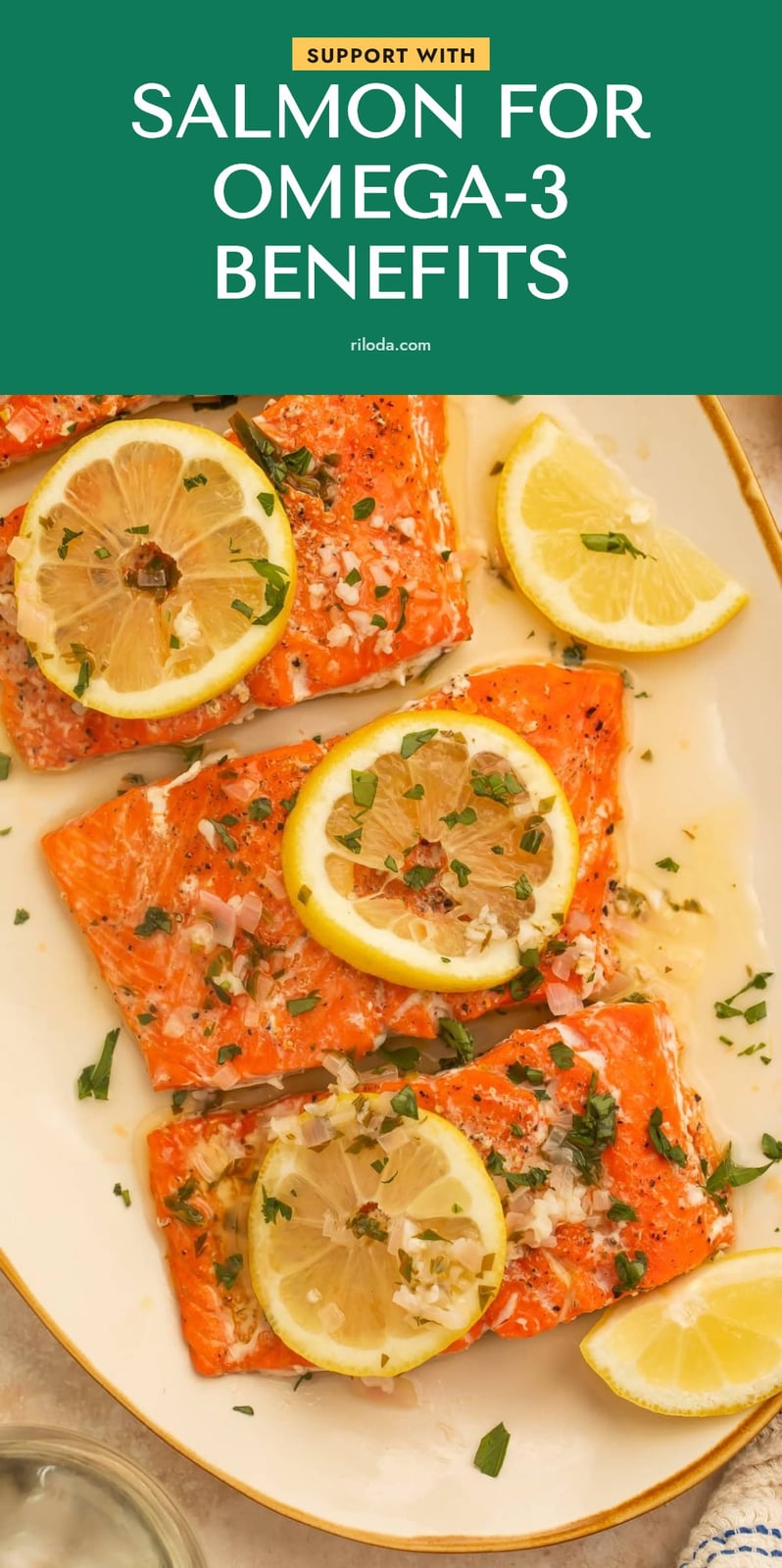
Salmon, mackerel, and sardines are packed with Omega-3 fatty acids. These healthy fats help reduce inflammation in your body, which is important because chronic stress can trigger inflammatory responses that keep cortisol levels elevated. Omega-3s also support neurotransmitter function, helping to regulate mood and promote a calmer state.
My tip: Aim for two servings of fatty fish per week. If you don’t eat fish, chia seeds and flax seeds are good plant-based alternatives, though they provide a different type of Omega-3 that your body converts less efficiently.
2. Leafy Green Vegetables
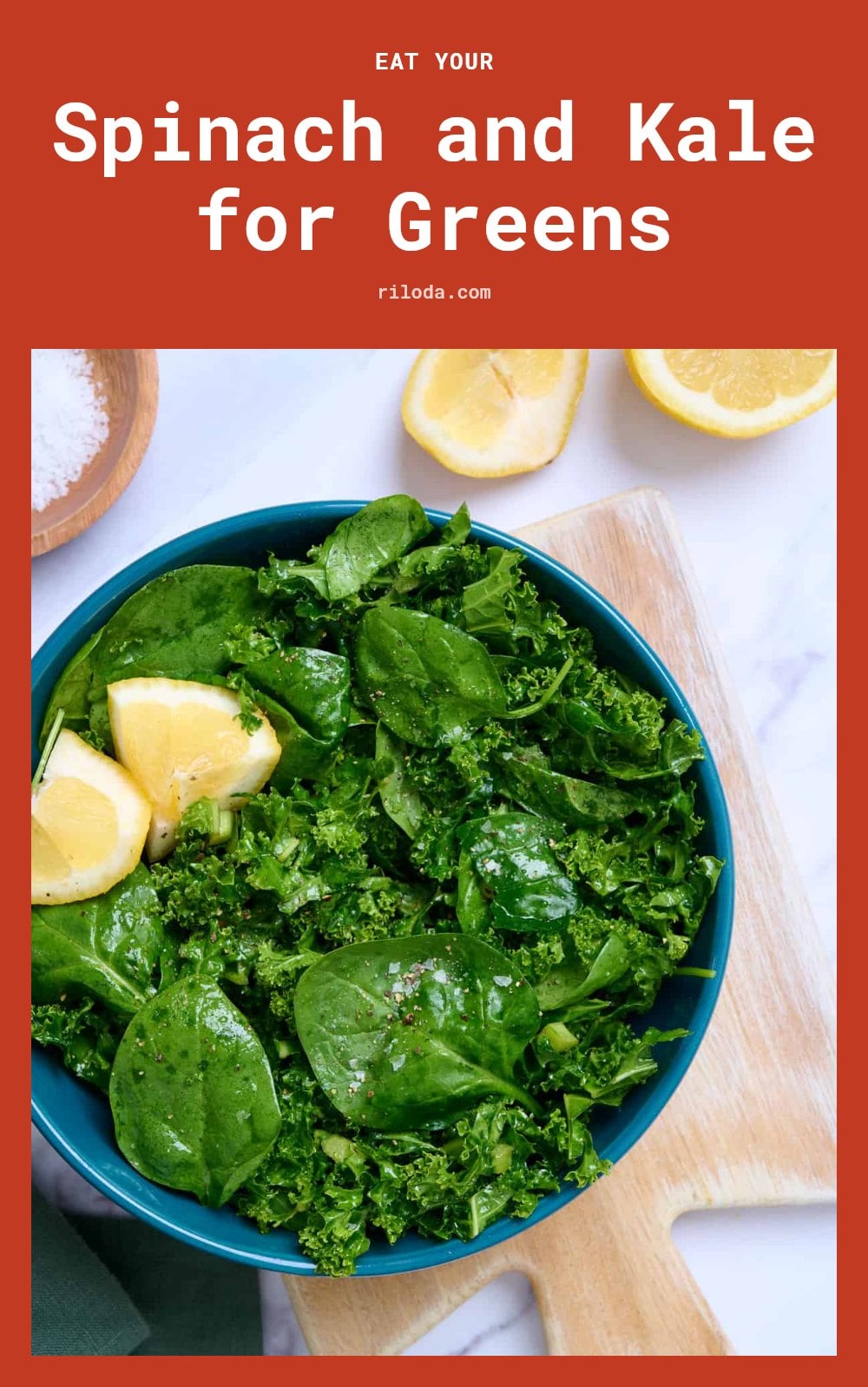
Spinach, kale, and other leafy greens are excellent sources of magnesium. This mineral is crucial for over 300 enzymatic reactions in your body, including those involved in the stress response and muscle relaxation. Magnesium helps calm the nervous system, making leafy greens a smart addition to meals.
3. Nuts and Seeds
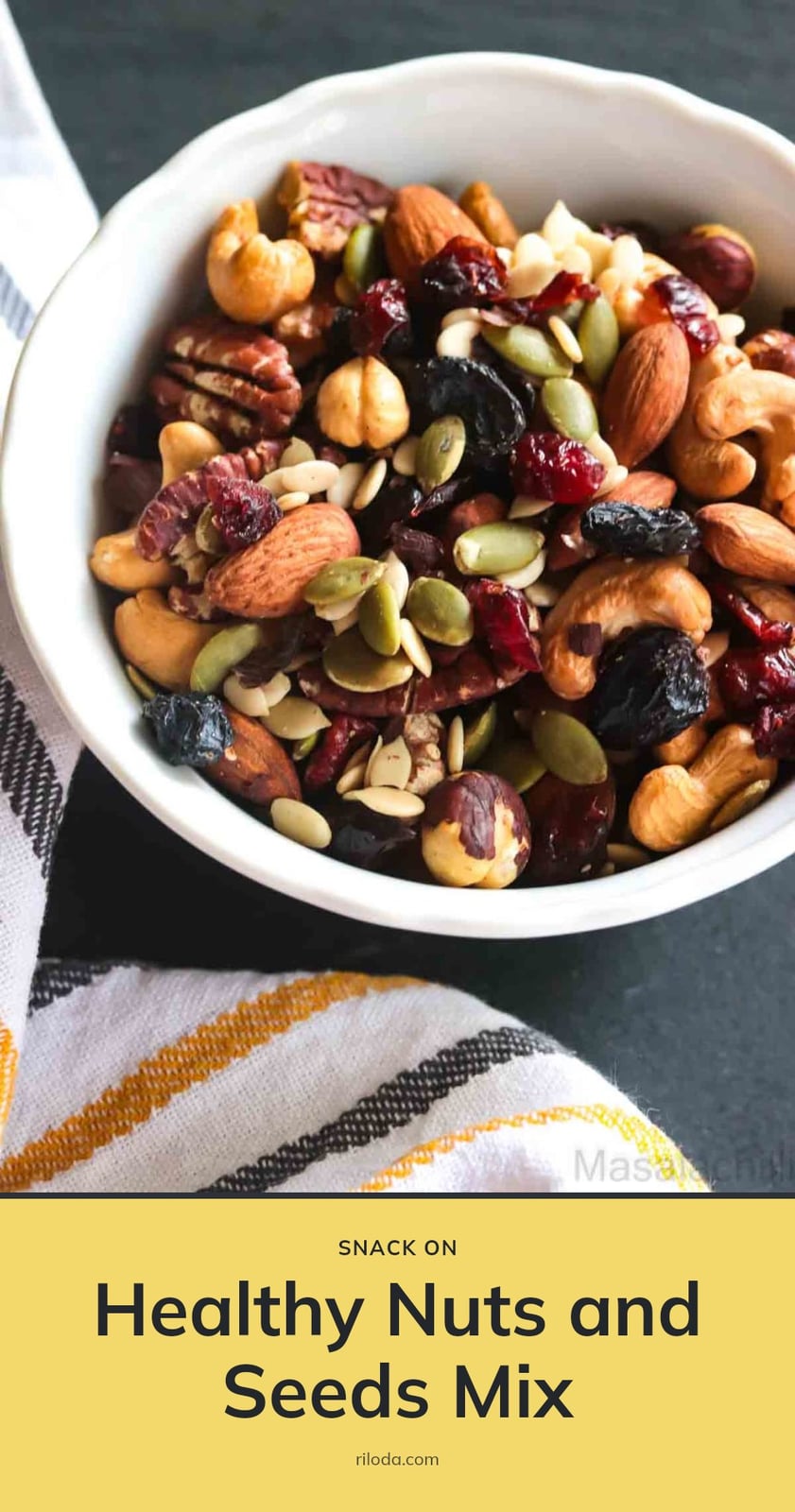
Almonds, walnuts, chia seeds, and flax seeds deliver a combination of magnesium, Omega-3s, and fiber. These nutrients work together to provide sustained energy and stabilize blood sugar, preventing dips that can trigger cortisol spikes. My tip: Keep a small handful of almonds or a tablespoon of chia seeds in your bag for a stress-supportive snack.
4. Whole Grains
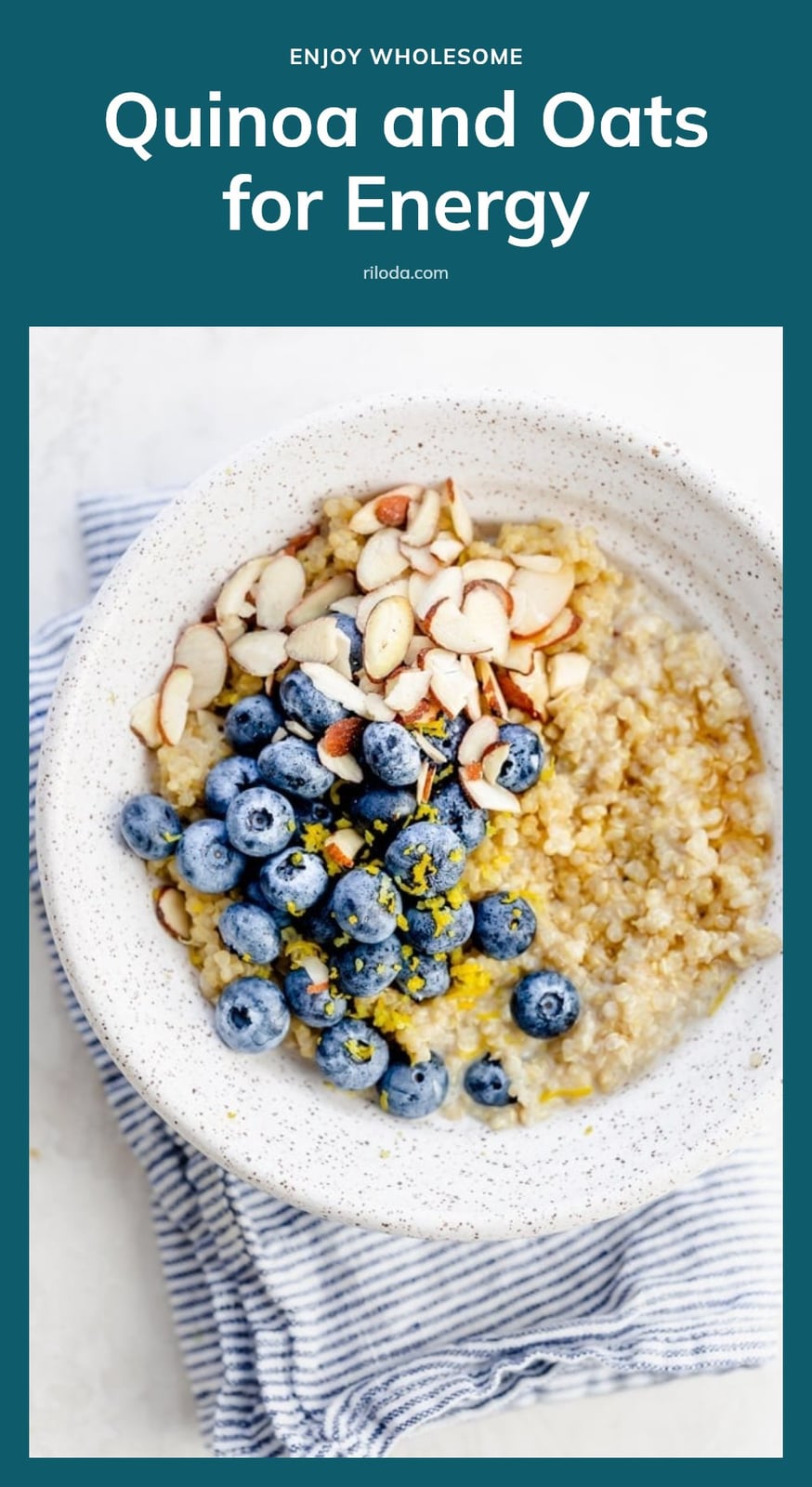
Oats, quinoa, and brown rice are complex carbohydrates that help stabilize blood sugar levels. When your blood sugar drops too low, your body releases cortisol to bring it back up. These grains prevent those dips, keeping your stress response in check.
They also supply B vitamins, which your body uses to produce neurotransmitters like serotonin and dopamine. Stable blood sugar plus a steady supply of B vitamins means your mood stays more even throughout the day.
Tip: Swap refined white rice or pasta for quinoa or brown rice at least a few times a week. A bowl of oatmeal for breakfast is another easy way to start your day with blood sugar support.
5. Berries and Citrus Fruits
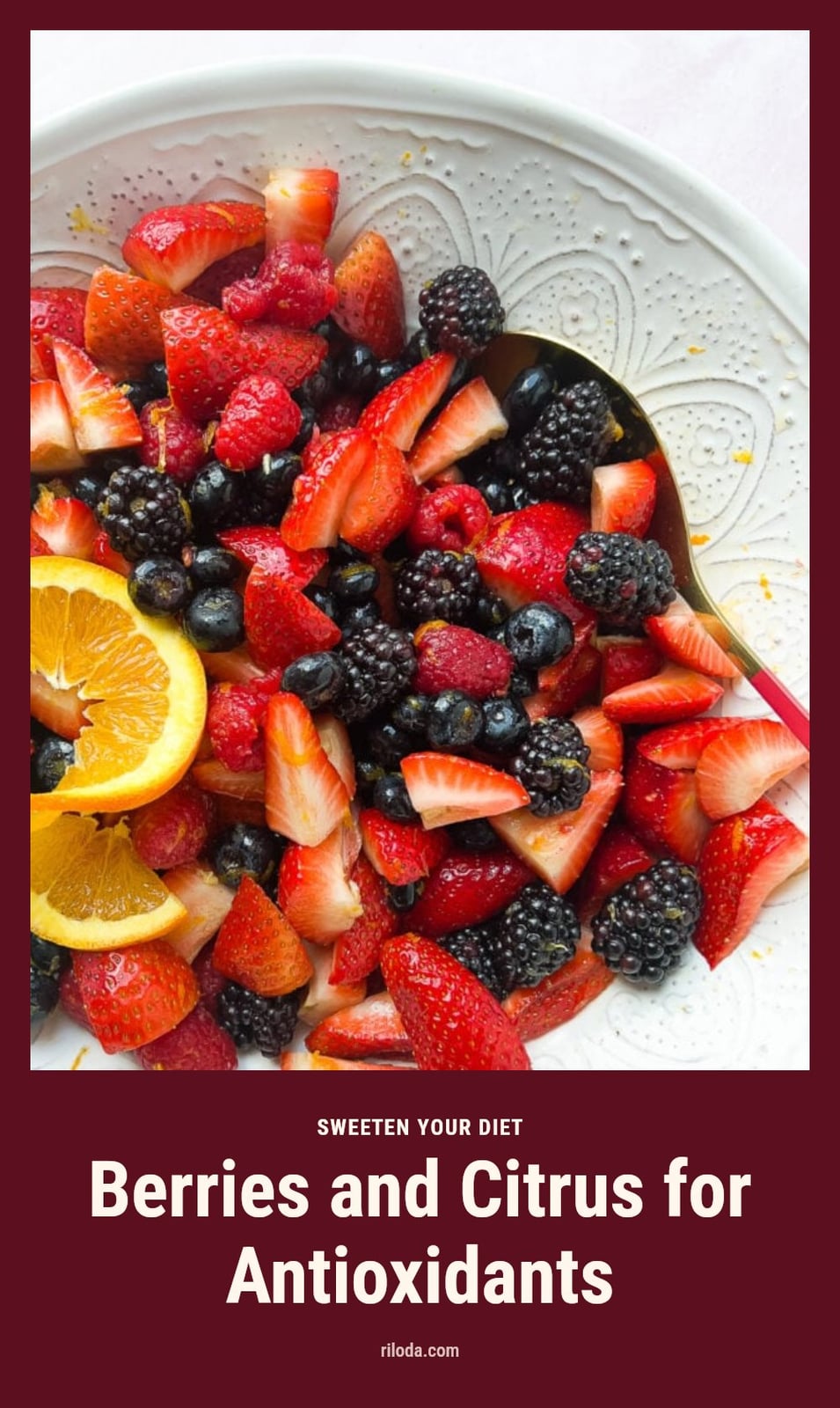
Blueberries, strawberries, oranges, and grapefruit are loaded with Vitamin C and other antioxidants. High cortisol levels increase oxidative stress in your body, and these compounds help neutralize that damage.
Vitamin C also directly supports your adrenal glands, which produce cortisol. When your adrenals have enough Vitamin C, they can better handle the demands of a stressful day.
Pro move: Add a handful of berries to your morning yogurt or oatmeal. Snack on an orange instead of a sugary treat when you feel an afternoon slump coming on.
6. Avocado
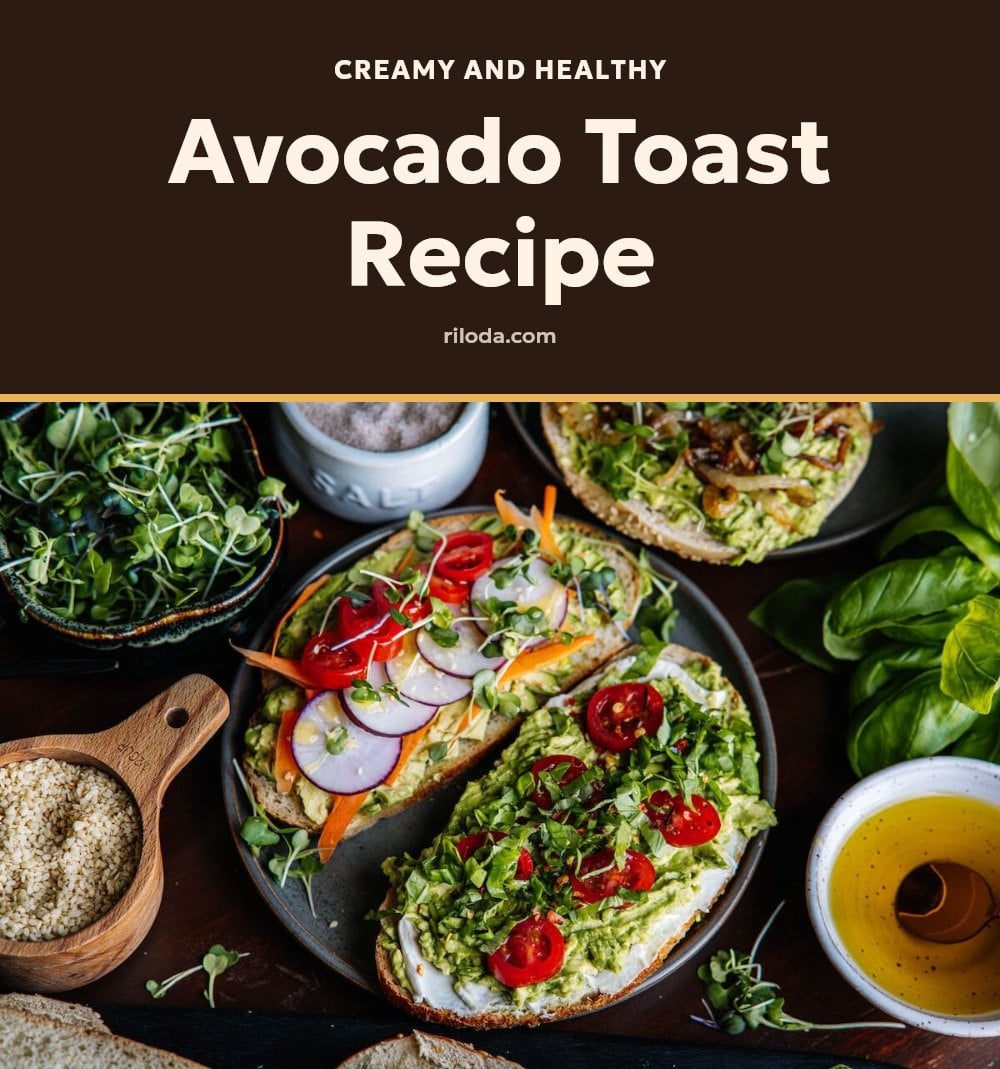
Avocado delivers healthy monounsaturated fats, B vitamins, and potassium all at once. These nutrients work together to support your nervous system and keep it running smoothly.
The healthy fats help you feel full and stabilize your blood sugar, which prevents the cortisol spikes that come with blood sugar crashes. Meanwhile, the B vitamins in avocado are essential for making mood-regulating neurotransmitters.
Tip: Add half an avocado to your lunch salad or mash it on whole-grain toast for a quick snack that supports both satiety and stress balance.
7. Dark Chocolate (70%+ Cocoa)
Dark chocolate with 70% cocoa or higher contains flavonoids that act as antioxidants in your body. These compounds can also stimulate the production of endorphins, the feel-good chemicals that improve your mood.
When you feel a lift in mood, your stress response naturally eases. The key is the cocoa content, milk chocolate or white chocolate won’t have the same effect because they lack enough flavonoids.
Caution: Keep your portion to about one square or a small piece. Dark chocolate is calorie-dense, and eating too much can undo the benefits by adding sugar and fat that stress your system.
8. Fermented Foods
Yogurt, kefir, kimchi, and sauerkraut are rich in probiotics, which support a healthy gut microbiome. The gut-brain axis is a two-way communication system between your digestive tract and your brain, and a balanced gut can positively influence your mood and stress levels.
Including a serving of fermented food in your daily routine, like a bowl of yogurt with berries or a side of sauerkraut with lunch, can help maintain that beneficial bacteria balance.
9. Legumes (Beans and Lentils)
Legumes like beans and lentils are excellent sources of fiber, B vitamins, and magnesium. The high fiber content helps regulate blood sugar, preventing the spikes and crashes that can stress your system.
B vitamins are essential for neurotransmitter production, which directly impacts mood and stress regulation. Add them to soups, salads, or grain bowls for a steady energy release that keeps your blood sugar stable.
10. Green Tea
Green tea contains L-theanine, an amino acid that promotes relaxation without causing drowsiness. This unique compound can help reduce feelings of anxiety and improve focus, making it a soothing beverage choice for stress management.
Swap your afternoon coffee for a cup of green tea to get a gentle, calming lift that supports your stress response without the jitters.
11. Sweet Potatoes
Sweet potatoes are a fantastic complex carbohydrate, providing sustained energy and helping to stabilize blood sugar levels. They also offer B vitamins and fiber, which contribute to overall well-being and a more balanced stress response.
Roast them as a side dish, or mash them for a comforting base that keeps you full and your mood steady.
When to Consult a Healthcare Professional
If you suspect you have chronically high cortisol, persistent stress, or related medical conditions, it’s crucial to consult a doctor for diagnosis and treatment. Dietary changes are supportive but should complement, not replace, professional medical advice for any health concerns.
Always discuss significant dietary changes or new supplements with your healthcare provider, especially if you are pregnant, breastfeeding, or have underlying health conditions. Your doctor can help you determine whether your symptoms warrant further evaluation and guide you on the safest approach to managing stress through nutrition.
Frequently Asked Questions
How quickly can diet affect cortisol levels?
Dietary changes typically take several weeks to months to show noticeable effects on cortisol and overall stress response. This is because your body needs time to adjust nutrient levels and reduce inflammation. Be patient and consistent with your food choices.
Can I rely solely on food to manage high cortisol?
No, food alone is not enough to manage chronically high cortisol. It should be part of a broader approach that includes good sleep, regular exercise, and stress management techniques. If you suspect a medical condition, consult a doctor for proper diagnosis and treatment.
Are there any foods that can increase cortisol?
Yes, certain foods may contribute to cortisol spikes. High intake of caffeine, alcohol, sugary drinks, and highly processed foods can disrupt blood sugar and sleep, potentially raising cortisol levels. Limiting these can support your stress response.
What is the most important dietary change for stress?
Stabilizing blood sugar is one of the most impactful changes. Eating regular meals with complex carbohydrates (like whole grains and legumes) and protein prevents dips that trigger cortisol release. This simple shift can have a big effect on your stress levels.
Should I take supplements for cortisol reduction?
It’s best to get nutrients from food first, as whole foods provide a complex mix of beneficial compounds. Supplements may be helpful if you have a deficiency, but consult a healthcare provider before starting any new supplement, especially if you are pregnant or breastfeeding.
Final Thoughts
If you want to start supporting your stress response through diet, begin by adding one or two of these foods to your meals each day. For example, swap your afternoon coffee for green tea or add a handful of spinach to your dinner. Remember, consistent changes over several weeks to months, combined with good sleep and stress management, are what truly make a difference.
Your diet is a powerful ally, but it works best as part of a bigger picture. Keep it simple and listen to your body.
This article provides general information and is not a substitute for professional medical advice. If you suspect you have chronically high cortisol or a related health condition, please consult a doctor or qualified healthcare provider for diagnosis and treatment. Always discuss significant dietary changes with a professional.
More Blog ideas
- How to Use Rose Water for Radiant Skin and Healthy Hair
- What Is My Personality Type? Understanding Yourself Better
- How to Clean Your Pores at Home
- Vitamin C Benefits for Skin and Health Plus the Best Foods
- How to Start Shadow Work for Deeper Self-Understanding
- How to Prep Your Hair Before Bleaching for Less Damage
- How to Prepare Sea Moss Gel at Home for Wellness
- How to Use Rice Water for Glowing Skin and Shiny Hair
- How to Find Morning Motivation When You Want to Stay in Bed
- Filing Nails: How to File Nails Correctly for Strong, Healthy Fingernails
- Healthy Coping Skills: Proven Strategies for Difficult Times
- Simple Ways to Romanticize Your Life Every Day