11 Confidence Tips for Women to Boost Self-Esteem
Discover 12 actionable confidence tips for women to build self-esteem, challenge negative thoughts, and feel more assured in daily life.

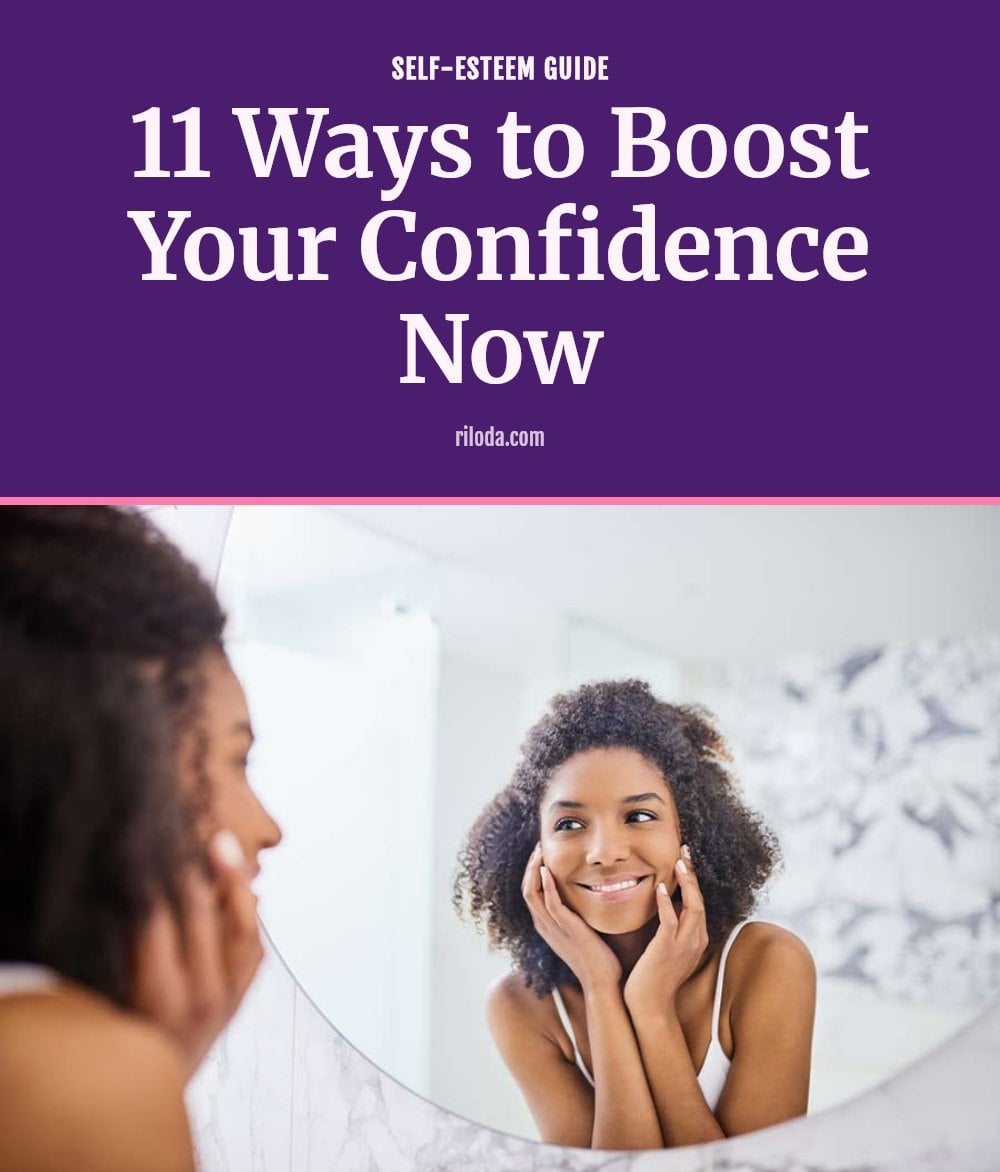
Confidence isn’t something you’re born with; it’s a skill you can build over time. If you’ve ever felt like self-doubt holds you back, you’re not alone. This article walks you through practical, everyday strategies, from positive self-talk to setting boundaries, that can help you feel more assured in all areas of your life.
You’ll find tips you can start using today, plus guidance on when it might be wise to seek professional support. The key is consistency, not perfection.
Key Takeaways
- Reframe negative thoughts with daily positive affirmations.
- Set small, achievable goals and celebrate each win.
- Limit social media comparison to protect your self-esteem.
- Practice self-compassion to build resilience and confidence.
- Seek professional help if low confidence disrupts daily life.
What is Confidence and Why Does it Matter?
Confidence is a belief in your own ability and a feeling of self-assurance that comes from knowing your qualities. It’s not something you’re born with; it’s a skill you can develop over time. This belief in yourself is key to navigating life’s challenges and opportunities, helping you take action even when you feel uncertain. The good news is that with consistent practice, you can build and strengthen it.
1. Practice Positive Self-Talk Daily
Challenge negative thoughts by reframing them into positive affirmations. Instead of thinking “I can’t do this,” tell yourself “I am capable of learning and growing.” This shift in mindset can significantly influence your outlook and build self-assurance.
My tip: Start each day with a few positive statements about yourself and your capabilities. Write them in a journal or say them out loud while looking in the mirror. Repeating these affirmations helps rewire your brain to focus on your strengths rather than your doubts.
2. Set and Achieve Small Goals
Break down larger aspirations into tiny, manageable steps. Instead of aiming to “get fit,” start with a 10-minute walk each day. This approach makes the goal less overwhelming and gives you a clear path forward.
Celebrating each small achievement provides tangible proof of your capabilities. Every time you check off a step, you reinforce the belief that you can succeed. This builds momentum and confidence, making it easier to tackle the next step.
3. Dress to Feel Your Best

Choose clothing that makes you feel comfortable, empowered, and authentically ‘you’. Forget trends; focus on what fits well and reflects your personality. When you feel good about your appearance, it naturally projects outward and reinforces inner confidence.
My tip: Set aside a few outfits that you know make you feel strong, and wear them on days when you need an extra boost. The right clothes can act as a subtle reminder of your worth and help you walk into any room with more self-assurance.
4. Improve Your Posture and Eye Contact
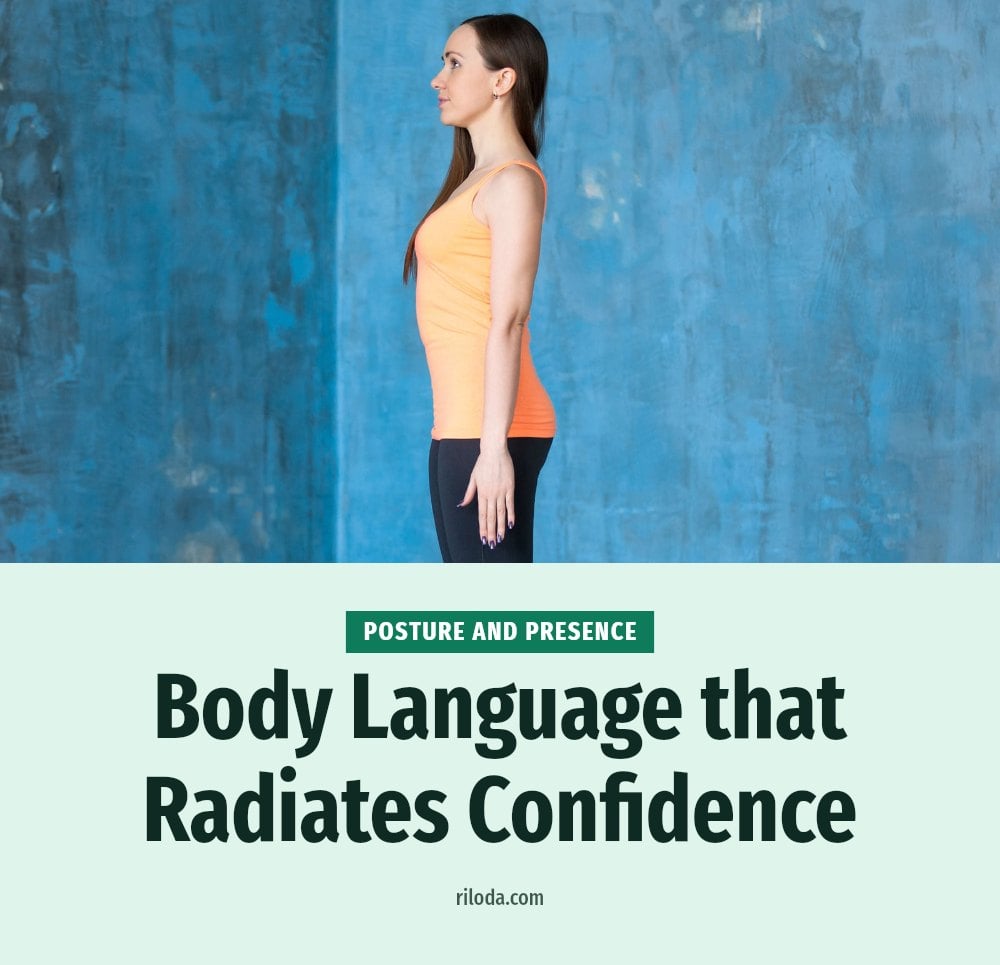
Stand tall with your shoulders back and make appropriate eye contact during conversations. These physical cues do two things at once: they project assurance to others and they send a signal back to your brain that you feel confident. My tip: practice in the mirror for 30 seconds each morning, rolling your shoulders down and back before you start your day.
5. Engage in Valued Activities

Dedicate time each week to activities that align with your personal values and where you feel competent and passionate. This could be volunteering, painting, coding, or coaching a kids’ team. The key is the match between what matters to you and what you do. That alignment fosters a sense of purpose and mastery, which directly boosts your self-worth and confidence.
6. Practice Self-Compassion
Treat yourself with the same kindness and understanding you would offer a good friend. When you make a mistake, skip the harsh self-criticism and instead say, “I’m learning, and that’s okay.” Accepting your imperfections is not a weakness; it builds resilience. A gentle inner voice creates a stable foundation for confidence that doesn’t crumble after a setback.
7. Set Healthy Boundaries
Learn to say ‘no’ to requests that overextend you or don’t align with your priorities. Start with small boundaries, like declining a low-priority meeting or a favor that drains your time. Each ‘no’ reinforces your self-respect and communicates your value to others. The result is a stronger sense of control and a clear signal that your own needs matter.
8. Limit Social Media Comparison

Social media feeds are highlight reels, not real life, but it’s easy to forget that while scrolling. Pay attention to how your mood shifts after time on these platforms. If you feel smaller or more anxious, that’s your cue to step back.
My tip: Set a timer for your social media use each day, and unfollow accounts that trigger comparison. Replace that scrolling time with something that moves your own story forward, like a hobby or a walk. Your progress is the only one that counts.
9. Engage in Regular Physical Activity
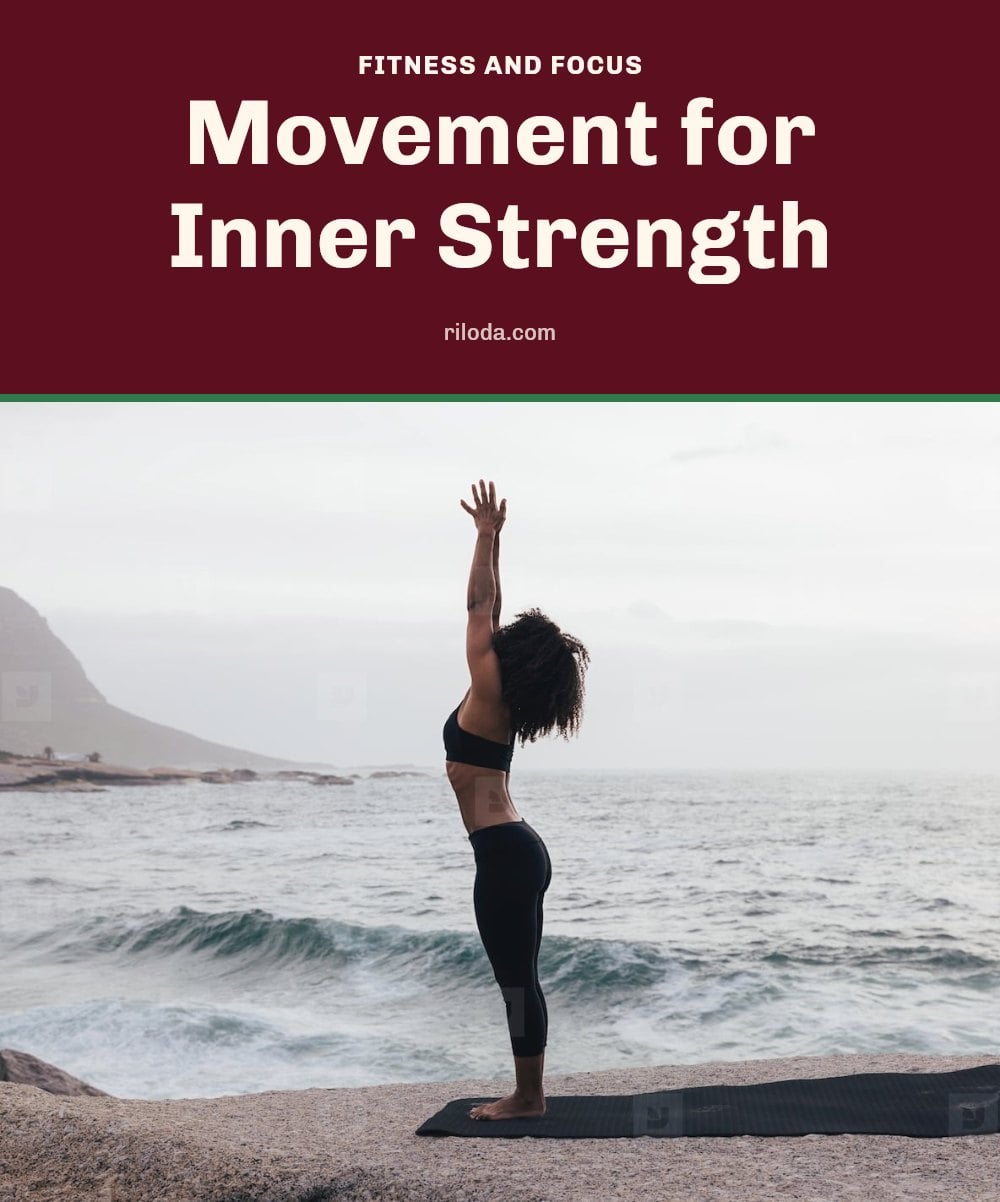
Moving your body does more than build muscle. Regular physical activity releases endorphins that lift your mood, lowers stress hormones, and helps you feel more connected to your body in a positive way. The result is a natural confidence boost that carries into other parts of your day.
You don’t need a gym membership. A 20-minute walk, a dance class, or a short yoga session at home all count. The key is consistency, not intensity. Choose something you genuinely enjoy so you’ll stick with it.
10. Practice Mindfulness and Meditation
Mindfulness trains you to notice your thoughts without getting tangled in them. When self-doubt arises, you can observe it as just a thought, not a fact. This distance makes it easier to challenge the doubt and choose a more helpful response.
Start with five minutes a day. Sit quietly, focus on your breath, and when your mind wanders, gently bring it back. Apps can guide you, but a simple timer works too. Over time, this practice builds a calmer inner foundation.
11. Seek Feedback and Support
You can’t see your own blind spots, but trusted people can. Ask a close friend, mentor, or colleague for honest feedback on what you do well and where you could grow. Frame it as a request for help, not a test of your worth.
Their outside perspective often reveals strengths you overlook and offers constructive pointers without judgment. Use their insights to set specific goals. Supportive relationships remind you that you’re not alone in the process of building confidence.
When to Seek Professional Help
If low confidence lasts for weeks or months and starts to interfere with your daily life, it may be time to talk to a professional. Signs include avoiding social situations, struggling to complete routine tasks, or feeling hopeless about your abilities. A therapist can help you identify the root causes and develop personalized strategies. This is especially important if you also experience symptoms of depression or anxiety, such as persistent sadness, sleep changes, or overwhelming worry. Seeking help is a sign of strength, not weakness.
Frequently Asked Questions
How long does it take to build confidence?
Confidence building is an ongoing process, but many people notice improvements within weeks to months of consistent practice. The timeline varies depending on your starting point and how regularly you apply the strategies. Progress is gradual, so focus on small wins rather than expecting overnight changes.
Can social media affect my confidence?
Yes, social media can negatively impact self-esteem, especially when you compare yourself to others. Feeds are often highlight reels, not real life. If you notice your mood drops after scrolling, consider limiting your time on these platforms or unfollowing accounts that trigger self-doubt.
Is confidence the same as arrogance?
No, confidence is a belief in your own abilities, while arrogance often involves exaggerating your importance or dismissing others. Confidence is grounded in self-awareness and humility, whereas arrogance tends to be defensive and self-centered. You can be confident without being arrogant by staying open to feedback and respecting others.
What are some quick ways to boost confidence?
Quick boosts can come from physical cues like standing tall, making eye contact, and dressing in clothes that make you feel good. You can also repeat a positive affirmation or recall a recent accomplishment. These actions can provide an immediate lift, though lasting confidence requires consistent practice.
Final Thoughts
The most reliable way to build confidence is to pick one or two strategies from this list and practice them consistently. Start with something small, like a daily affirmation or a 10-minute walk, and gradually add more. Noticeable improvements often appear within weeks to months, and the growth continues as you keep going.
Remember, confidence is a journey, not a destination. Be patient with yourself and treat setbacks as part of the process. You have the ability to strengthen your self-belief, one step at a time.
This article is for general informational purposes only and is not a substitute for professional medical or mental health advice. If you experience persistent or severe low confidence, or if it interferes with your daily life, consider consulting a qualified mental health professional. Always prioritize your safety and well-being.
More Blog ideas
- How to Use Rose Water for Radiant Skin and Healthy Hair
- What Is My Personality Type? Understanding Yourself Better
- How to Clean Your Pores at Home
- Vitamin C Benefits for Skin and Health Plus the Best Foods
- How to Start Shadow Work for Deeper Self-Understanding
- How to Prep Your Hair Before Bleaching for Less Damage
- How to Prepare Sea Moss Gel at Home for Wellness
- How to Use Rice Water for Glowing Skin and Shiny Hair
- How to Find Morning Motivation When You Want to Stay in Bed
- Filing Nails: How to File Nails Correctly for Strong, Healthy Fingernails
- Healthy Coping Skills: Proven Strategies for Difficult Times
- Simple Ways to Romanticize Your Life Every Day