Collagen Foods for Healthy Skin: Your Dietary Guide
Discover which foods naturally support your body's collagen production for healthier, more elastic skin. Learn what to eat and what to avoid.

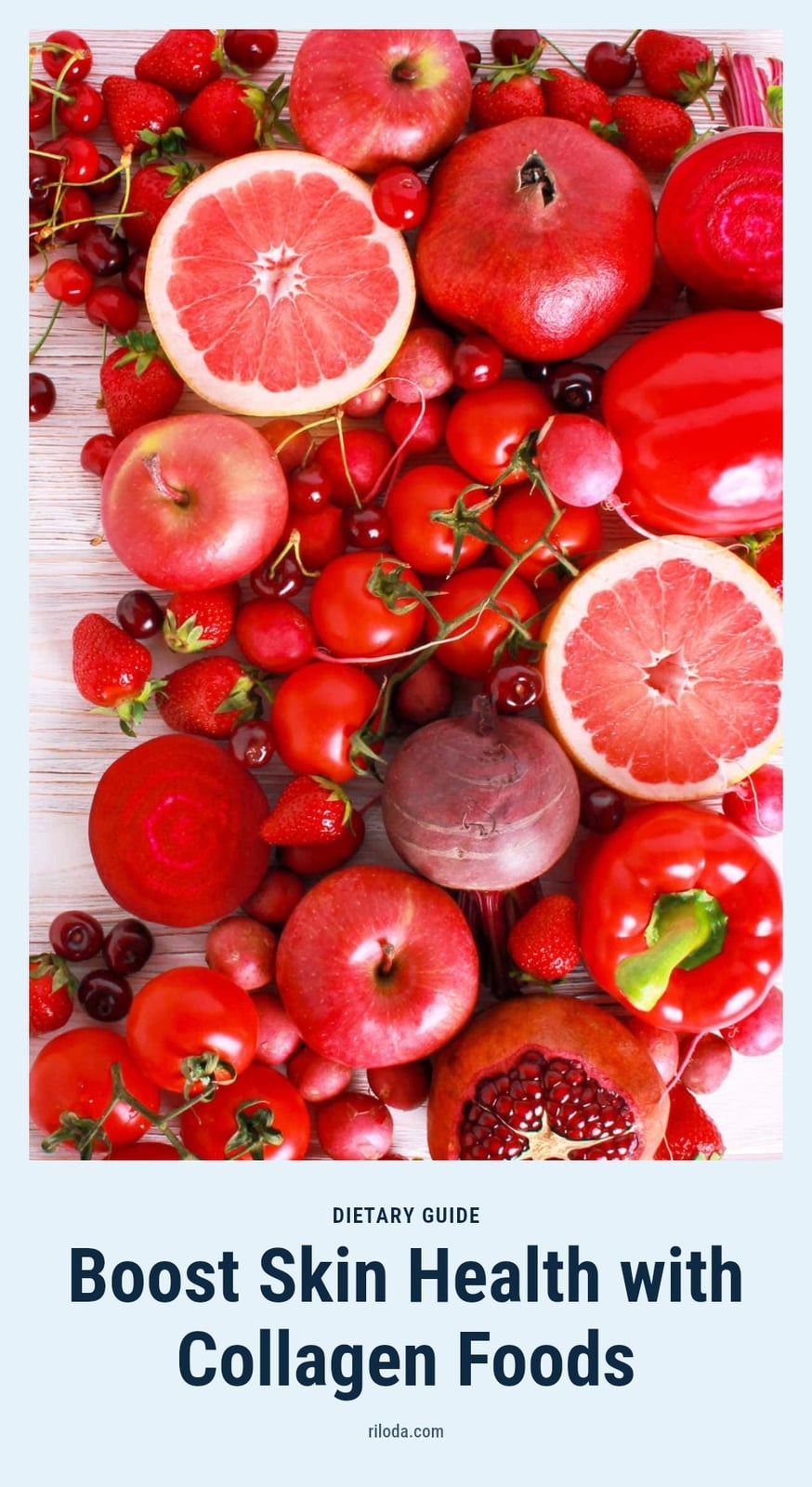
You’re probably already doing some things right for your skin, like moisturizing and wearing sunscreen. But what you eat plays a huge role in how your skin looks and feels, especially when it comes to collagen, the protein that keeps it firm and smooth. This guide covers the foods and nutrients that support your body’s natural collagen production, so you can nourish your skin from the inside out.
Key Takeaways
- Pair vitamin C-rich foods like citrus or bell peppers with your protein sources to help your body use the amino acids for collagen synthesis.
- Eat a variety of colorful fruits and vegetables daily to provide antioxidants that protect existing collagen from damage.
- Include copper and zinc-rich foods like nuts, seeds, and whole grains to support collagen fiber strength and repair.
- Limit sugar and refined carbs to prevent glycation, which can stiffen and damage collagen over time.
- Consistent dietary changes may show noticeable skin improvements over several weeks to months.
What is Collagen and Why Does it Matter for Your Skin?
Collagen is the most abundant protein in your body, making up about one-third of its total protein. It provides structural support to your skin, bones, and connective tissues, and it is crucial for skin elasticity and strength, keeping your complexion firm and smooth. Natural collagen production begins to decline in your mid-20s, which can lead to visible signs of aging like wrinkles and sagging. The key is supporting your body’s natural collagen synthesis through diet rather than relying on direct consumption alone.
1. Vitamin C-Rich Fruits and Vegetables

Vitamin C acts as a cofactor for the enzymes that build collagen, making it essential for synthesis. Include citrus fruits like oranges and grapefruits, berries such as strawberries and blueberries, bell peppers, and leafy greens like spinach and kale in your daily diet.
My tip: Don’t overcook your vegetables. Excessive heat can significantly reduce their vitamin C content, so aim for light steaming or eat them raw when possible.
2. Protein-Packed Foods for Amino Acids
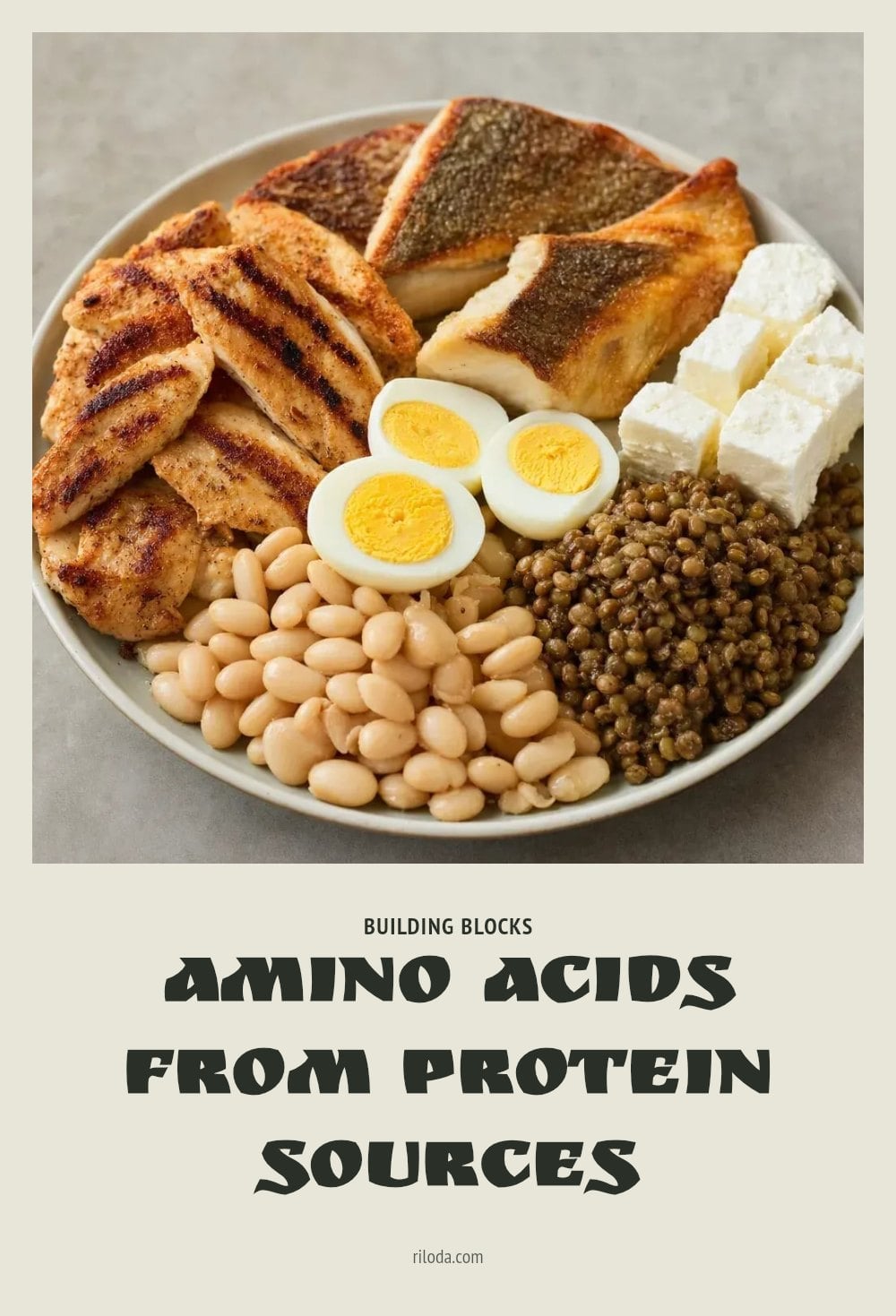
Amino acids like glycine, proline, and hydroxyproline are the primary building blocks of collagen. Your body needs a steady supply of these to produce new collagen fibers. Ensure your diet includes lean meats, poultry, fish, eggs, dairy, legumes, and tofu to provide these essential amino acids.
Tip: Aim for a variety of protein sources throughout the day. Different foods offer different amino acid profiles, so mixing them up gives your body a full spectrum to work with.
3. Copper and Zinc-Rich Foods
Copper is an essential trace mineral involved in cross-linking collagen fibers, which gives them strength and stability. Zinc plays a role in collagen synthesis and repair, acting as a cofactor for several enzymes involved in collagen metabolism. Incorporate nuts, seeds like pumpkin seeds, whole grains, and shellfish if you have no allergies into your diet.
Good to know: A handful of pumpkin seeds or almonds makes an easy, copper-rich snack that supports your skin from the inside out.
4. Antioxidant-Rich Fruits and Vegetables
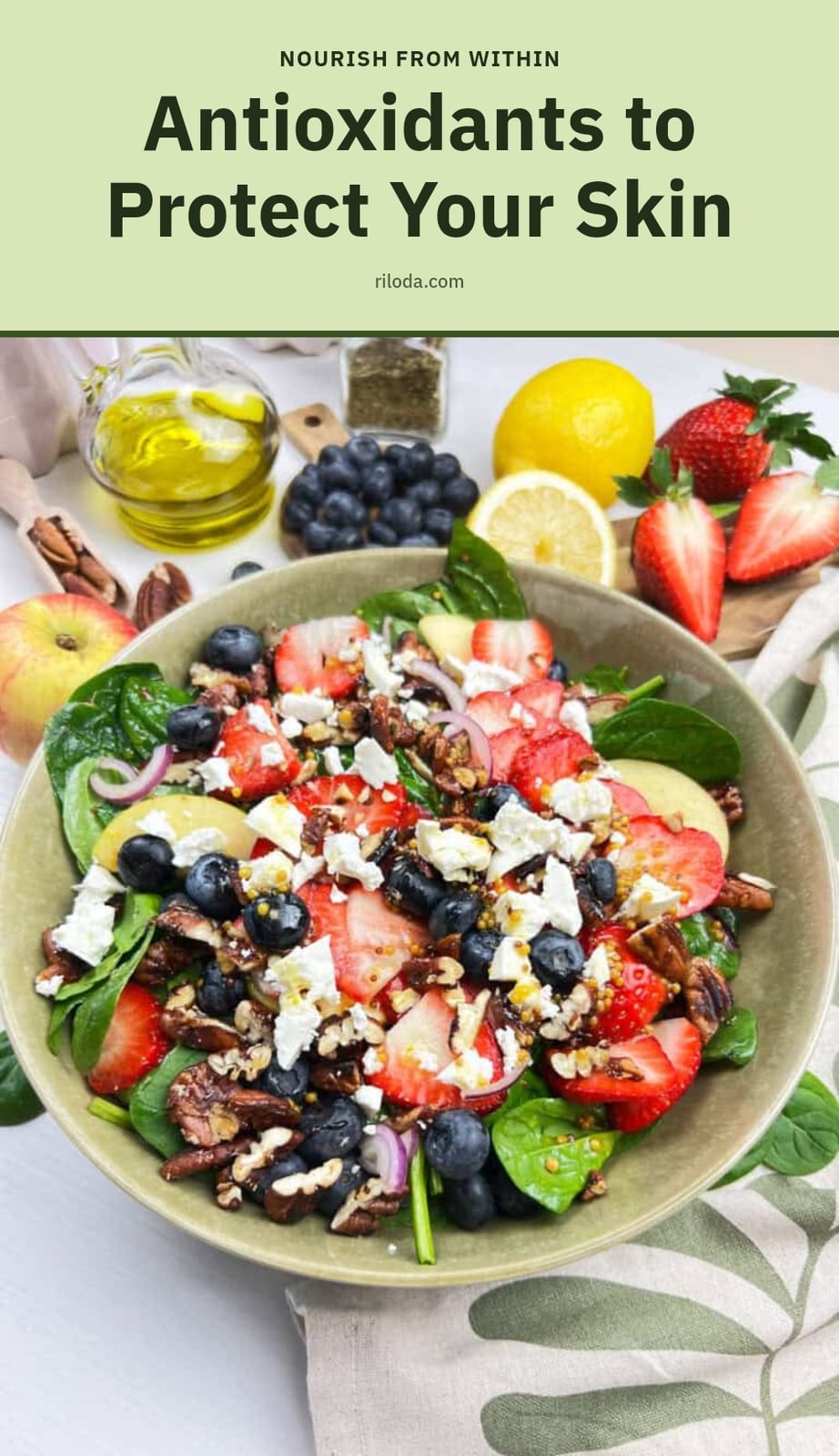
Antioxidants protect existing collagen from free radical damage, which can accelerate aging. Fill your plate with colorful fruits and vegetables like berries, leafy greens, and tomatoes.
My tip: The more colors on your plate, the more diverse antioxidants you’re likely getting.
5. Bone Broth for Collagen Support

Bone broth provides collagen, gelatin, and amino acids that can support your body’s collagen production. It doesn’t directly become new collagen in your skin, but it delivers the raw materials your body needs.
Sip it regularly on its own or use it as a base for soups and stews.
6. Omega-3 Fatty Acid Sources
Omega-3 fatty acids from salmon, tuna, and flaxseeds may help reduce inflammation that can damage collagen. Chronic inflammation is a known factor in collagen breakdown, so keeping it in check protects your skin’s structural support. Aim for two servings of fatty fish per week, or add ground flaxseeds to smoothies and oatmeal for a plant-based option.
7. Sulfur-Rich Foods
Some research suggests sulfur-rich foods like garlic and eggs may support collagen production. Sulfur is a component of collagen and keratin, both important for skin and hair health.
While more research is needed, these foods are healthy additions to any diet.
8. Stay Hydrated
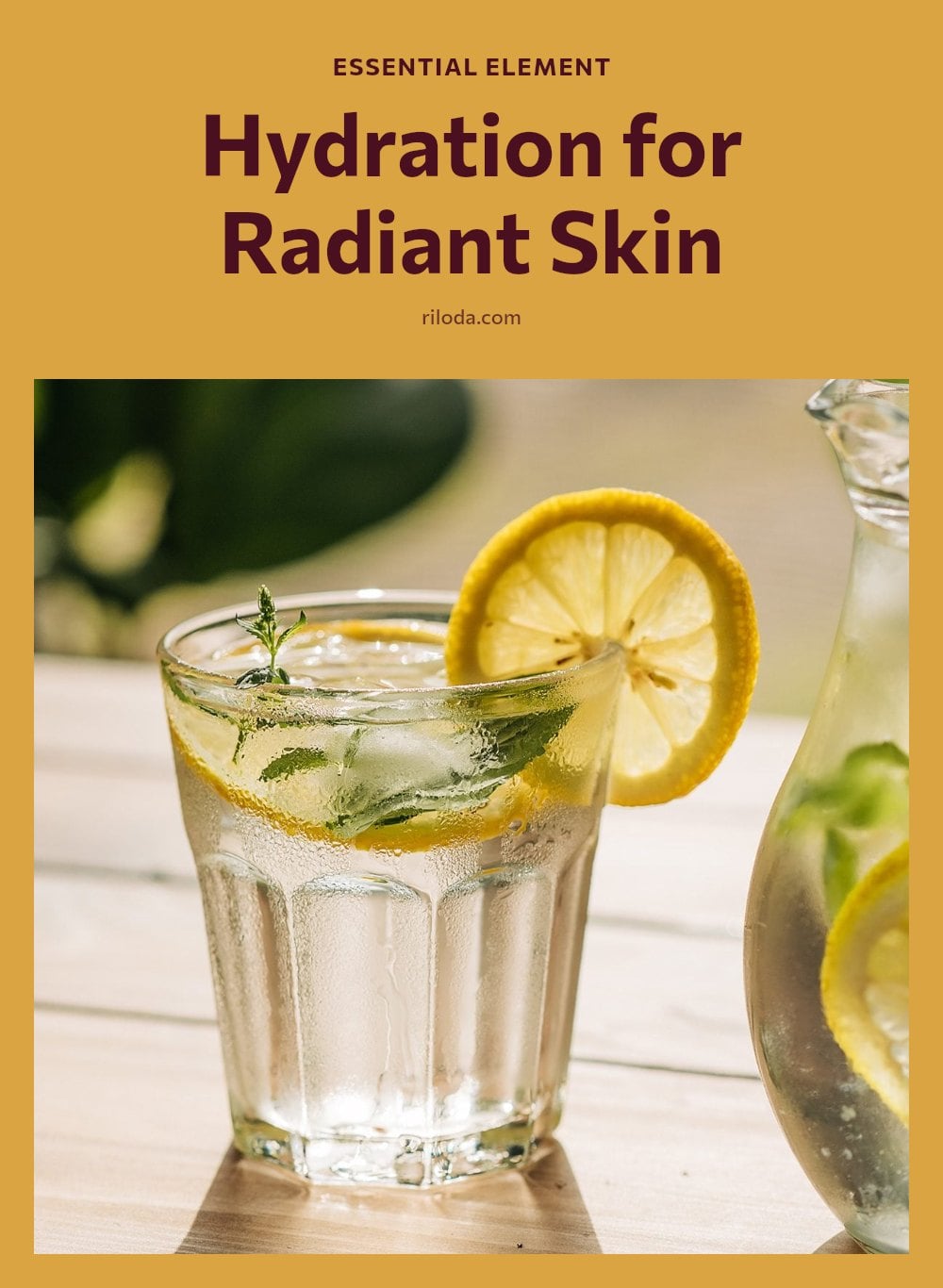
Proper hydration is crucial for overall skin health and elasticity, indirectly supporting collagen function. When your skin is well-hydrated, it appears plumper and more resilient. Aim for at least 8 glasses of water throughout the day. My tip: start your morning with a glass of water before coffee to kick off hydration early.
9. Limit Sugar and Refined Carbs
Excessive sugar and refined carbohydrates can damage collagen through a process called glycation. This forms Advanced Glycation End products (AGEs) that make collagen stiff and less elastic. Reduce your intake of sugary drinks, processed snacks, and white bread to help protect your collagen fibers from this damage.
10. Avoid Smoking and Excessive Sun Exposure
Smoking significantly damages collagen and elastin fibers, leading to premature wrinkles and sagging. UV radiation from the sun is a major cause of collagen breakdown and accelerated skin aging. Protect your skin with sunscreen daily and avoid smoking to preserve your collagen long-term.
11. Prioritize Quality Sleep
During sleep, your body goes into repair mode, which includes regenerating skin cells and supporting collagen production. Lack of sleep can increase cortisol levels, which can break down collagen. Aim for 7-9 hours of quality sleep each night to give your body time to rejuvenate and maintain healthy collagen levels.
Common Misconceptions About Collagen and Diet
Believing eating collagen directly translates to new collagen in the skin: Your body breaks down dietary collagen into amino acids, which it then uses as building blocks for various proteins, including collagen, wherever it’s needed most. It doesn’t automatically go straight to your skin.
Assuming all collagen supplements are equally effective or necessary: The quality and type of collagen in supplements vary widely. Focus on a nutrient-rich diet first; supplements should be an addition, not a replacement. Consult a healthcare professional before starting any supplement.
Ignoring other lifestyle factors: Diet is crucial, but sun exposure, smoking, stress, and sleep significantly impact collagen health. A holistic approach that addresses all these areas yields the best results for your skin.
Thinking one ‘superfood’ will solve all collagen issues: Collagen health is supported by a diverse range of nutrients working synergistically. A balanced diet with varied protein sources, vitamins, and minerals is far more effective than relying on a single ingredient like bone broth or berries alone.
Frequently Asked Questions
Can collagen supplements replace a healthy diet?
No, supplements should not replace a healthy diet. Your body still needs a variety of nutrients like vitamin C, copper, and zinc to actually build collagen from the amino acids supplements provide. A balanced diet gives you these cofactors along with other protective compounds that supplements alone may not offer.
How long does it take to see results from dietary changes?
It typically takes several weeks to months of consistent dietary changes to notice improvements in skin health. The body’s collagen production is a slow process, and factors like your age, overall health, and lifestyle habits also influence how quickly you see results.
Is bone broth the best source of collagen?
Bone broth is a good source of collagen, gelatin, and amino acids, but it’s not necessarily the best or only option. Your body breaks it down like any other protein, so it’s most effective as part of a varied diet that also includes vitamin C and other collagen-supporting nutrients.
Are there vegan sources of collagen?
Strictly speaking, there are no vegan sources of collagen because collagen is only found in animal tissues. However, you can support your body’s own collagen production with vegan-friendly foods like legumes, tofu, nuts, seeds, and plenty of vitamin C-rich fruits and vegetables.
What lifestyle factors also affect collagen production?
Smoking, excessive sun exposure, poor sleep, and high stress can all damage collagen or hinder its production. UV radiation breaks down collagen fibers, while smoking reduces blood flow to the skin. Prioritizing sleep and protecting your skin from the sun are just as important as your diet.
Final Thoughts
To support your skin’s collagen, focus on a balanced diet rich in vitamin C, protein, copper, zinc, and antioxidants from whole foods. Remember, consistency matters, don’t expect overnight changes. Combined with good sleep, sun protection, and hydration, these habits can help your skin stay resilient and healthy for years to come.
This article is for general informational purposes only and does not constitute medical or professional advice. Dietary changes may not work the same for everyone, and individual results can vary. For persistent skin concerns or before starting any new supplement regimen, consult a healthcare professional or dermatologist.
More Blog ideas
- How to Use Rose Water for Radiant Skin and Healthy Hair
- What Is My Personality Type? Understanding Yourself Better
- How to Clean Your Pores at Home
- Vitamin C Benefits for Skin and Health Plus the Best Foods
- How to Start Shadow Work for Deeper Self-Understanding
- How to Prep Your Hair Before Bleaching for Less Damage
- How to Prepare Sea Moss Gel at Home for Wellness
- How to Use Rice Water for Glowing Skin and Shiny Hair
- How to Find Morning Motivation When You Want to Stay in Bed
- Filing Nails: How to File Nails Correctly for Strong, Healthy Fingernails
- Healthy Coping Skills: Proven Strategies for Difficult Times
- Simple Ways to Romanticize Your Life Every Day