Codependency in Relationships: How to Heal
Learn to identify codependency in your relationships and discover practical steps to heal, set healthy boundaries, and foster self-reliance.

You might have noticed a pattern in your relationships where you feel responsible for someone else’s happiness, or you find yourself constantly putting their needs ahead of your own. That feeling of being lost without them, or needing their approval to feel okay, is often a sign of codependency. This article explains what codependency really is, the common roots of these behaviors, and practical steps you can take to start healing and building healthier, more balanced relationships.
Key Takeaways
- Codependency is a learned behavioral pattern often rooted in childhood, not a permanent personality flaw.
- Healing involves naming the pattern, setting firm boundaries, and developing a sense of self-worth independent of others.
- Professional therapy, support groups like Co-Dependents Anonymous, and consistent self-care are essential for recovery.
- Recovery is a gradual process that typically takes months or years of consistent effort.
- If you are in an abusive relationship, seek help from a hotline or professional before focusing on codependency healing.
What is Codependency and Why Does it Happen?
Codependency is a pattern where your sense of worth and identity leans heavily on another person’s needs, moods, or approval. It usually shows up as consistently putting someone else’s needs ahead of your own until the imbalance starts to feel normal. The roots often sit in dysfunctional family dynamics: many people first learned the pattern in households where love felt conditional or a family member’s problems ran the show. It is a learned behavior, not a diagnosis, which also means it can be unlearned.
Recognizing the Roots of Codependent Behavior
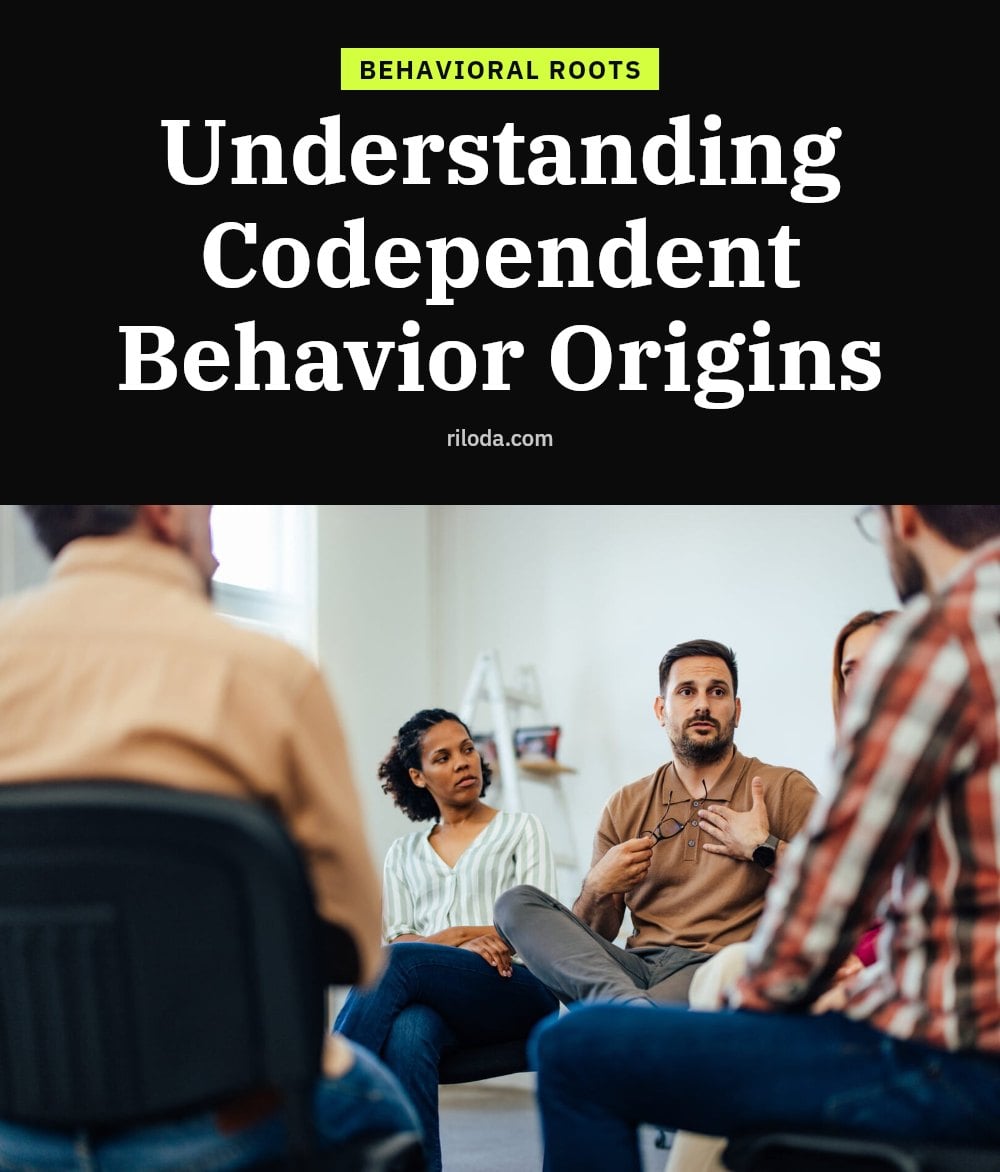
Most codependent patterns are learned in childhood, often in families where a parent struggled with addiction, mental illness, or constant conflict. Children in that environment may learn that keeping the peace and managing someone else’s emotions is the way to stay safe and loved. Those habits can follow you into adult relationships without you noticing.
These are the signs I see come up again and again:
- An excessive need for approval from a partner, friend, or family member
- Difficulty setting boundaries, or feeling guilty when you do
- Taking on other people’s problems as if they were your own
- A persistent fear of abandonment, even when nothing is wrong
- Low self-esteem that depends on outside validation
Codependency is not a formal diagnosis in the DSM-5, but it is a widely recognized behavioral pattern in psychology and therapy, which is why so many people find the label useful for naming what they feel.
Practical Steps to Begin Your Healing Journey
Healing is not one big decision. It is a series of small, repeatable moves that retrain how you relate to people, and each step below builds on the last. Expect these to feel awkward at first, because the discomfort of setting a boundary or sitting with your own feelings is part of the work, not a sign you are doing it wrong.
- Name the pattern: Write down three recent situations where you put someone else’s needs ahead of your own. Naming specifics, like the exact conversation or the moment you said yes when you meant no, turns a vague feeling into something you can work with.
- Set one small boundary: Start with something low-stakes, like declining a request you do not have time for. Say it plainly and skip the long justification, because over-explaining invites negotiation. Boundaries often stir up conflict or guilt at first, so have a plan for how you will handle that reaction before you speak.
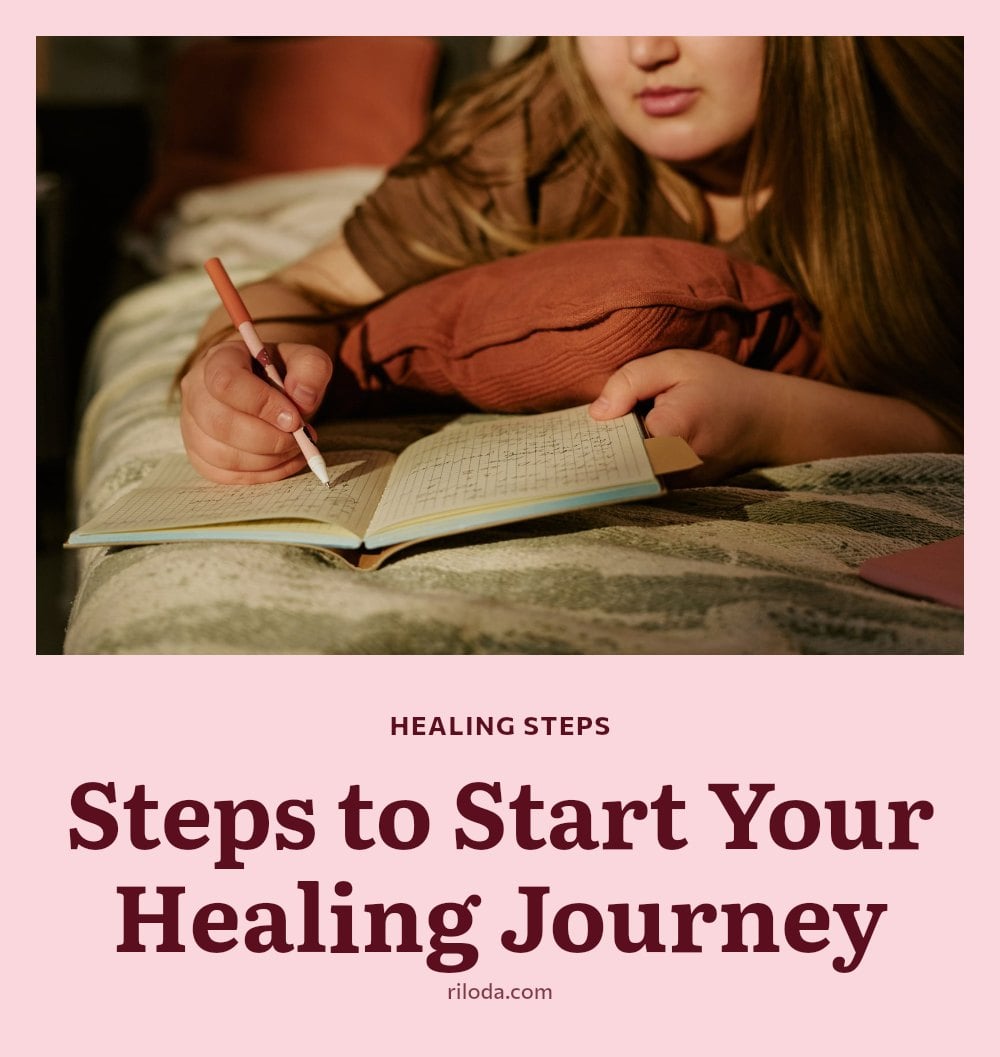
- Build self-awareness: Keep a notebook and jot down what you felt and what you wanted in a given situation. Do this in short, regular bursts rather than one long session, so the habit sticks. Patterns become visible only once they are written down.
- Prioritize self-care: Treat sleep, food, movement, and rest as non-negotiable rather than rewards you earn by helping others first. Self-care is a core part of healing, not a luxury.
- Grow a life outside the relationship: Pick up a hobby, reconnect with friends, or join a class that has nothing to do with your partner. Separate interests give you an identity that does not depend on being needed.
Tip: Pair these steps with outside support. A licensed therapist or a group like Co-Dependents Anonymous can help you spot patterns you cannot see on your own, and progress usually unfolds over months, not days. If a relationship involves abuse, reach out to a domestic violence hotline or a professional before working on boundaries, because healing is not safe in an abusive environment.
Common Pitfalls to Avoid When Healing Codependency
These are the traps that slow healing down the most, and I see them come up in almost every conversation about this topic.
- Mistaking caregiving for love: Care that stems from a need to be needed or to control is not the same as genuine love.
- Believing boundaries are selfish: Boundaries protect the relationship. They are not a punishment for the other person.
- Expecting others to change first: Your healing depends on your own shifts, not on someone else’s behavior changing.
- Thinking this is permanent: Codependency is a learned pattern, and learned patterns can be unlearned with time.
- Confusing interdependence with codependency: Healthy interdependence means two whole people leaning on each other, not one person propping up the other.
- Going it alone: Trying to fix this without support or professional help makes the process longer and harder than it needs to be.
Top Tips for Fostering Self-Reliance

My tip: Practice saying your needs out loud, even if it feels awkward. Start with low-stakes requests like “I need 20 minutes to finish my work” before moving to bigger ones. The discomfort of setting a boundary is temporary, but the resentment from staying silent builds for years.
Shift your focus from fixing others to nurturing your own well-being. That means choosing an activity you enjoy alone, like a walk or a hobby, and protecting that time. Remind yourself that your happiness does not live in one person. Build a small network of friends, interests, and routines that sustain you. And when you slip, speak to yourself the way you would a close friend: with patience, not criticism.
Tools and Resources for Your Healing Journey
Healing requires the right support. Here are the tools that help most:
- Therapist or counselor: A licensed professional trained in cognitive-behavioral or family systems therapy can help you untangle patterns and build new ones.
- Support group (CoDA): Co-Dependents Anonymous offers a structured, judgment-free space to share experiences and learn from others on the same path.
- Self-help books: Look for titles focused on codependency and healthy boundaries. They provide frameworks you can revisit as you grow.
- Journal: Writing daily reflections helps you track triggers, progress, and the small wins that build self-awareness.
When to Seek Professional Help for Codependency
You do not have to navigate this alone. Seek professional help if any of these apply:
- You are in an abusive relationship (physical, emotional, or verbal). Healing cannot happen safely in an abusive environment, and a hotline or therapist can help you create a safety plan.
- You feel stuck, overwhelmed, or unable to make progress on your own.
- You experience significant distress, depression, or anxiety that interferes with daily life.
- Setting boundaries leads to threats or safety concerns. A therapist can guide you through this while keeping you safe.
Understanding the Timeline of Healing
Healing from codependency is not a quick fix. It is a gradual, ongoing process that varies for each person, often taking months or years of consistent effort. Some days you will feel like you are moving backward, and that is normal. Focus on progress, not perfection. Every small boundary you hold, every need you name, and every moment you choose yourself adds up. The goal is not to become a different person, but to learn how to stand firmly in your own life while still connecting with others in a balanced way.
Frequently Asked Questions
Is codependency a mental illness?
Codependency is not a formal diagnosis in the DSM-5, the manual used to diagnose mental health conditions. Instead, it is widely recognized as a behavioral pattern that can cause significant distress and relationship problems. Many therapists and support groups treat it seriously, but it is not classified as a mental illness.
Can codependency be fully cured?
Healing from codependency is a gradual, ongoing process rather than a one-time cure. With consistent effort, therapy, and support, many people learn to change their patterns and build healthier relationships. You can reduce the hold these behaviors have on your life, but it often requires ongoing self-awareness and practice.
How do I know if I’m in a codependent relationship?
Common signs include feeling responsible for your partner’s feelings or problems, neglecting your own needs to take care of them, struggling to say no, and feeling anxious when they are upset. If your sense of worth depends heavily on their approval, or if you feel lost without them, these are strong indicators of codependency.
What is the difference between codependency and healthy interdependence?
Healthy interdependence involves two independent people who choose to support each other while maintaining their own identities, boundaries, and interests. Codependency, on the other hand, involves an imbalance where one person’s identity and worth are tied to the other’s needs, often leading to control, caretaking, or loss of self.
How can I support someone who is codependent?
The most helpful support is to encourage them to seek professional help or join a support group like Co-Dependents Anonymous. Avoid jumping in to fix their problems or take responsibility for their feelings. Instead, listen without judgment, respect their boundaries, and gently remind them that their own well-being matters too.
What if my partner doesn’t want to change?
You cannot force someone else to change. Focus on your own healing and boundaries. You can decide how much of the relationship you are willing to accept as is. If the dynamic is harmful or abusive, prioritize your safety and consider seeking support from a therapist or a domestic violence hotline to explore your options.
Final Thoughts
My tip: Start with just one small boundary today, even if it feels uncomfortable. The discomfort is temporary, but the freedom you gain is lasting. Healing from codependency is not about becoming perfect, it is about learning to value your own needs as much as you value others’. Expect the process to unfold slowly, with ups and downs, and be patient with yourself. You are building a stronger, more authentic foundation for all your relationships.
This article is for informational purposes only and does not constitute medical or professional advice. Codependency is a recognized behavioral pattern, but it is not a formal medical diagnosis. If you are experiencing distress in your relationships or suspect you may be in an abusive situation, please consult a licensed therapist, counselor, or a domestic violence hotline for personalized guidance.
More Blog ideas
- How to Use Rose Water for Radiant Skin and Healthy Hair
- What Is My Personality Type? Understanding Yourself Better
- How to Clean Your Pores at Home
- Vitamin C Benefits for Skin and Health Plus the Best Foods
- How to Start Shadow Work for Deeper Self-Understanding
- How to Prep Your Hair Before Bleaching for Less Damage
- How to Prepare Sea Moss Gel at Home for Wellness
- How to Use Rice Water for Glowing Skin and Shiny Hair
- How to Find Morning Motivation When You Want to Stay in Bed
- Filing Nails: How to File Nails Correctly for Strong, Healthy Fingernails
- Healthy Coping Skills: Proven Strategies for Difficult Times
- Simple Ways to Romanticize Your Life Every Day