How to Clear Blackheads Gently and Keep Pores Clean
Learn how to effectively and gently clear blackheads and prevent new ones from forming with expert tips and a consistent skincare routine.

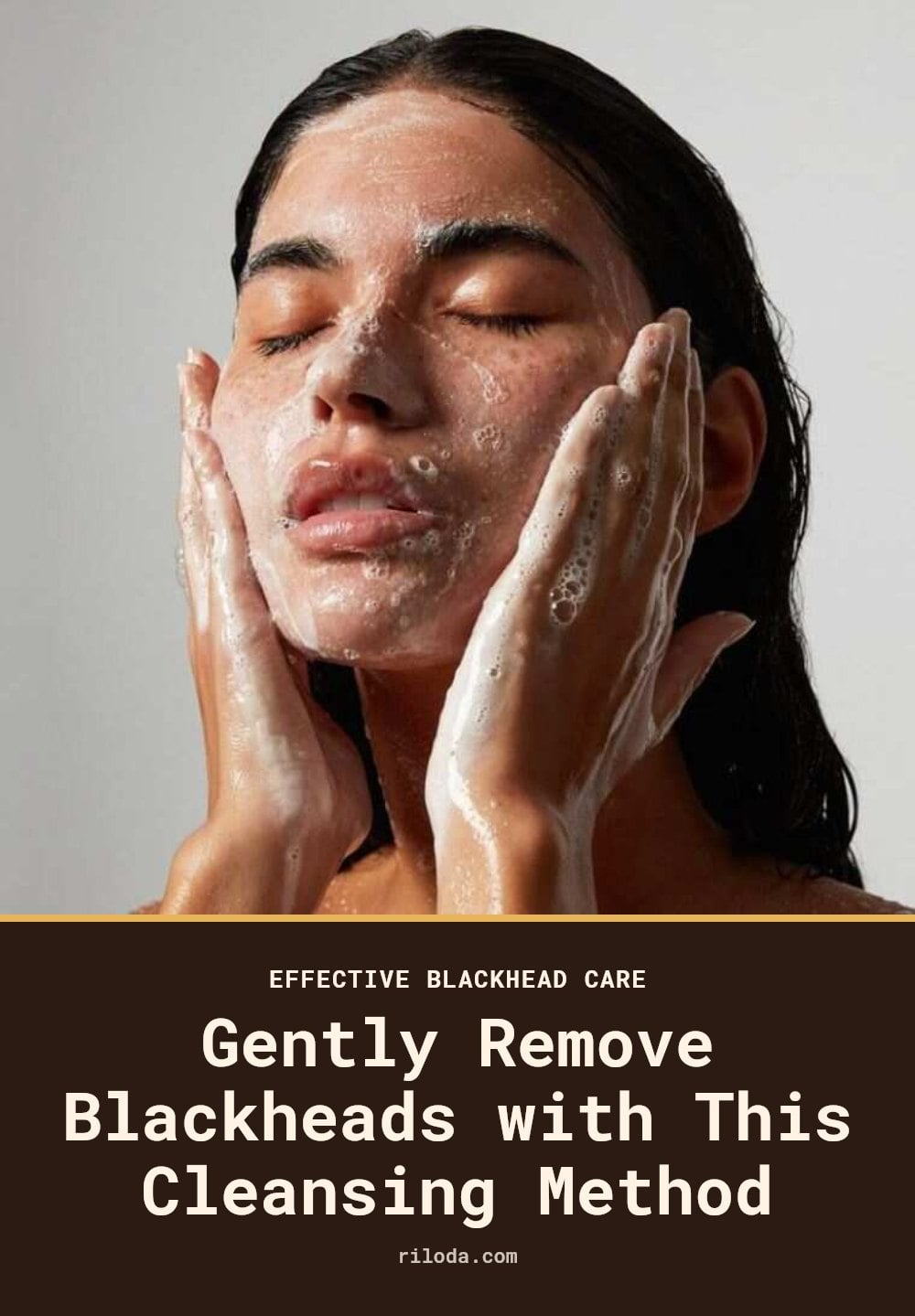
Blackheads can feel like a never-ending battle, especially when they keep showing up on your nose and chin no matter what you do. The good news is that they are a mild, treatable form of acne, and you don’t need harsh scrubs or painful squeezing to get rid of them. This article walks you through what blackheads actually are, the gentle products and habits that work, and how to prevent new ones from forming.
Key Takeaways
- Use a gentle cleanser twice daily to remove oil and debris without stripping skin.
- Incorporate salicylic acid (BHA) products to exfoliate inside pores.
- Exfoliate chemically 2-3 times per week, not more, to avoid irritation.
- Always apply a non-comedogenic moisturizer, even with oily skin.
- See a dermatologist if blackheads persist or worsen after 2-3 months.
What Are Blackheads and Why Do They Appear?
Blackheads are open comedones, a mild form of acne that almost everyone deals with at some point. They form when a hair follicle gets clogged with dead skin cells and excess sebum, the skin’s natural oil. The dark color you see is not dirt but the result of that trapped material oxidizing when it hits the air. My tip: knowing this takes the guilt out of blackheads and helps you focus on the right treatments, not harsh scrubbing.
Understanding Why Blackheads Form
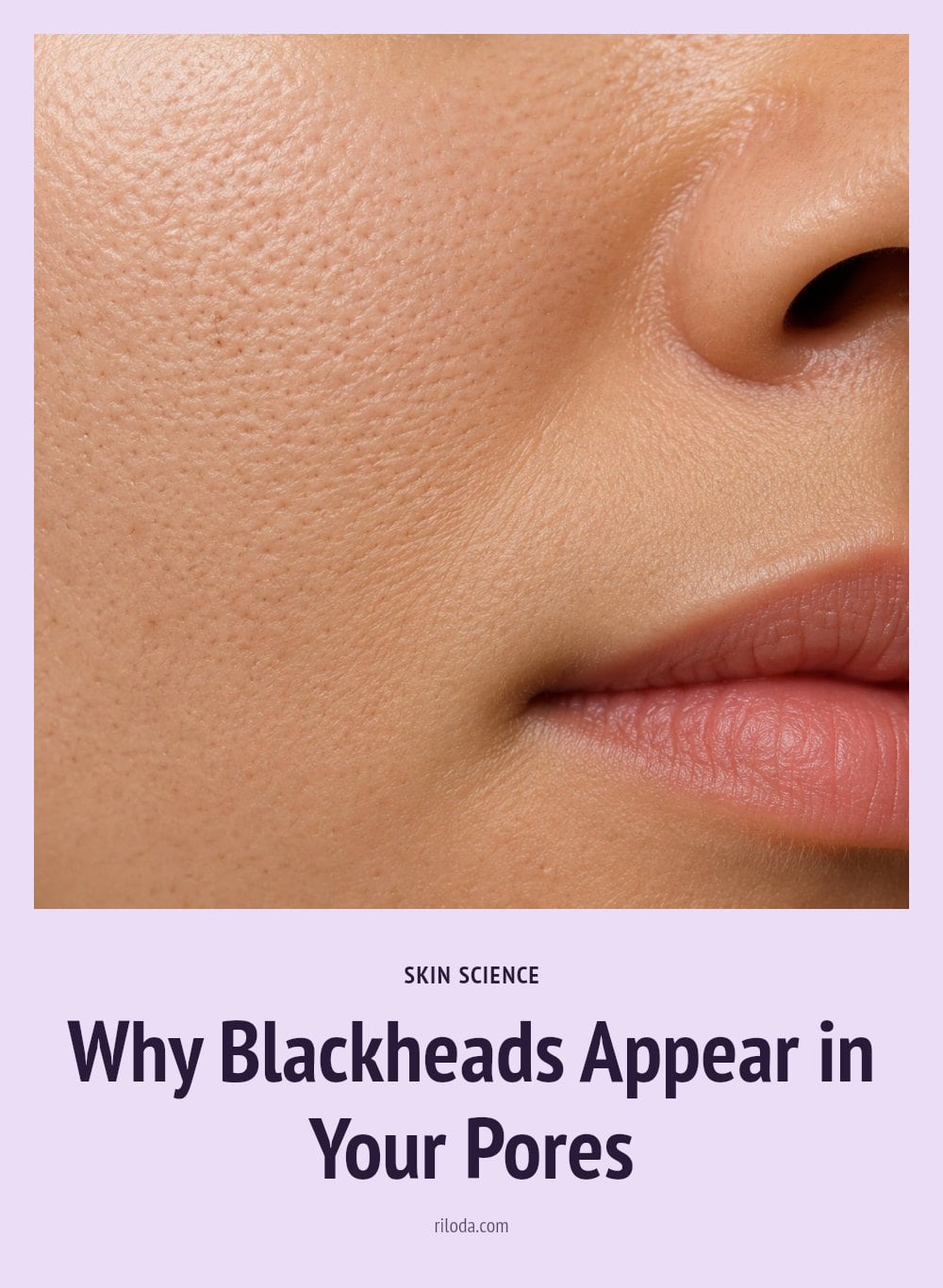
The Clogging Process
Each hair follicle contains a sebaceous gland that produces oil. When dead skin cells don’t shed properly, they mix with that oil and form a plug inside the pore. Unlike whiteheads, the opening of the follicle stays open, so the plug is exposed to air.
Why They Turn Dark
That exposure triggers oxidation of the melanin and sebum in the plug, turning it from pale to dark brown or black. It is the same process that makes a cut apple turn brown, not a sign of unclean skin.
What Makes You Prone to Them
- Genetics: If your parents had blackheads, you are more likely to get them too.
- Hormones: Fluctuations during puberty, menstrual cycles, or stress can increase oil production.
- Medications: Certain drugs, including some corticosteroids, can influence how much sebum your skin produces.
Essential Skincare Products for Blackhead Treatment
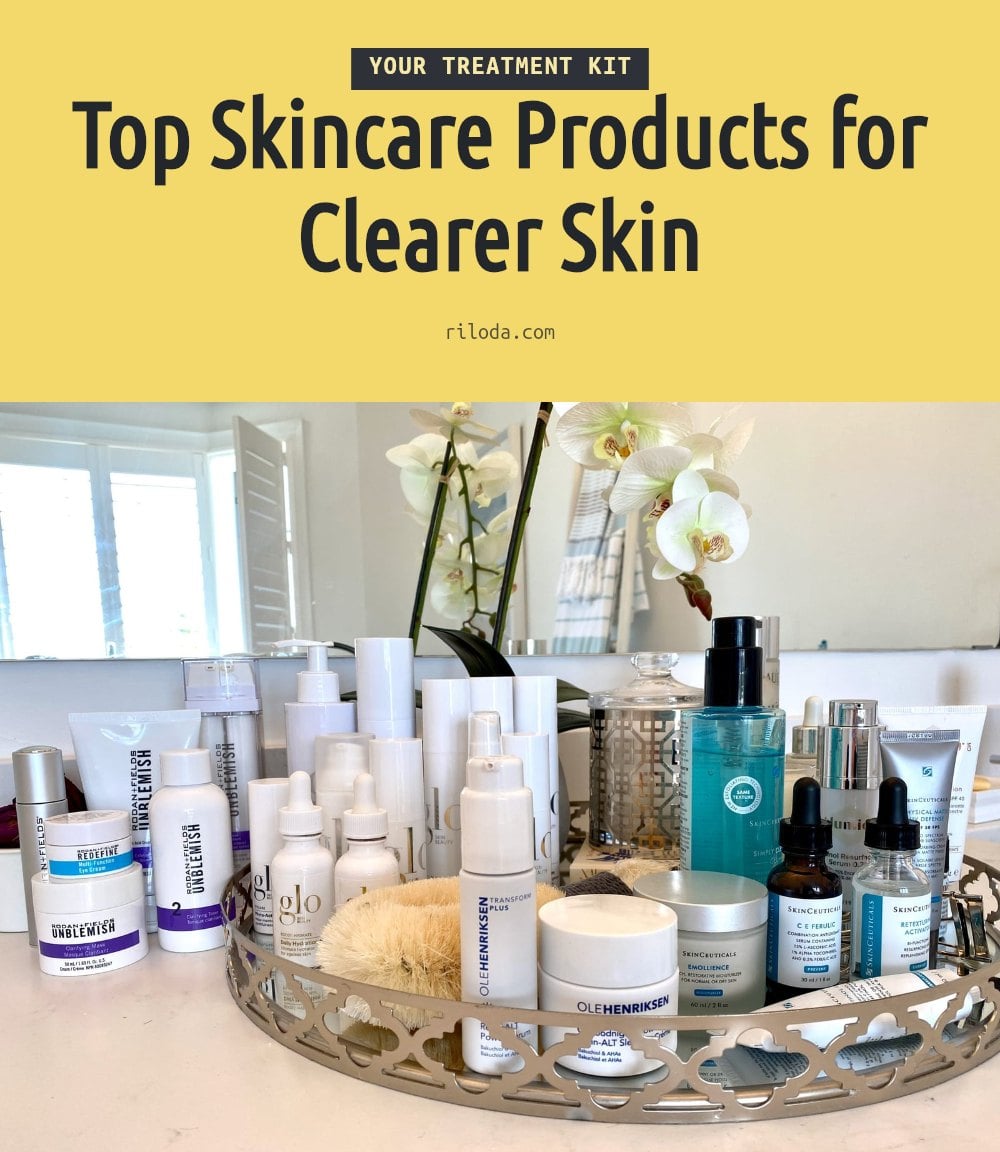
Building a routine around a few key products gives you a real shot at clearing pores without irritation.
- Gentle facial cleanser: Removes surface oil and debris without stripping the skin barrier.
- Salicylic acid (BHA) serum or cleanser: This oil-soluble ingredient penetrates deep into the pore to exfoliate from the inside out.
- Retinoid (retinol or adapalene): Speeds up cell turnover so dead skin cells are less likely to clog the follicle.
- Non-comedogenic moisturizer: Hydrates the skin without adding more pore-clogging material.
- Clay mask: Absorbs excess oil and helps draw impurities out of the pores once or twice a week.
Effective Methods to Gently Remove Blackheads

Daily Cleansing
Wash your face twice a day with a gentle cleanser. This removes the surface layer of oil and debris before it has a chance to settle into pores. Avoid foaming cleansers that leave your skin feeling tight, as that signals barrier damage.
Salicylic Acid Application
Use a salicylic acid product 2-3 times per week. Apply it after cleansing and leave it on for the time directed on the label before moisturizing. Because it is oil-soluble, it travels into the follicle and breaks up the plug from within.
Incorporating Retinoids
Start a retinoid once or twice a week in your evening routine. It works by accelerating the shedding of dead skin cells so they are less likely to accumulate in the follicle. Caution: Retinoids can cause dryness and sun sensitivity, so always use sunscreen the next morning.
Clay Masks for a Deep Clean
Apply a clay mask once or twice a week to the T-zone (nose, chin, forehead). Leave it on for 5-10 minutes, then rinse with lukewarm water. The clay absorbs oil and can help loosen surface impurities, but overuse may dry out the skin.
Professional Extraction
For stubborn blackheads that don’t respond to home care, a dermatologist or licensed esthetician can perform a safe extraction. Caution: Do not attempt this at home. Professional tools and technique minimize the risk of scarring, infection, or pushing the blockage deeper into the pore. Schedule a visit if you have persistent blackheads despite a consistent routine.
Preventing New Blackheads from Forming

Cleanse your face twice daily with a gentle cleanser to remove oil and debris before they settle into pores. Use only non-comedogenic products labeled as such, since these are formulated not to clog follicles. Exfoliate gently 2-3 times a week with a chemical exfoliant like salicylic acid, which penetrates oil to clear the pore lining.
Apply sunscreen every morning, especially when you use active ingredients like retinoids or acids, because those increase sun sensitivity. Keep skin hydrated with a non-comedogenic moisturizer. Dehydrated skin can overproduce oil, which feeds blackhead formation.
Common Blackhead Mistakes to Avoid
Aggressive Scrubbing: Blackheads are not dirt. Scrubbing harshly can inflame the pore and make the dark plug more noticeable. Stick to gentle chemical exfoliation instead.
Self-Extraction: Picking or squeezing at home often pushes material deeper, causes irritation, or leaves scarring. Leave extractions to a professional.
Over-Exfoliation: Using too many active ingredients at once can strip the skin barrier, leading to redness and increased oil production. Stick to one exfoliant per routine.
Skipping Moisturizer: Neglecting hydration can signal your skin to produce more oil, which clogs pores. A non-comedogenic moisturizer helps maintain balance.
Expecting Instant Results: Skincare takes time. Consistency over weeks shows real change, not overnight fixes.
When to Consult a Skincare Professional
If blackheads persist or worsen despite a consistent routine, a dermatologist or esthetician can help. Professional extraction is safe for stubborn clogs that home methods cannot clear.
Consult a professional if you experience significant irritation, redness, or an allergic reaction to any product. They can also discuss prescription-strength treatments like higher-concentration retinoids if over-the-counter options are not enough.
Timeline for Results and General Costs
Timeline for Results: Consistent use of appropriate products typically shows initial improvement within 4-6 weeks. Significant changes often take 2-3 months.
Home Care Costs: Products range from drugstore affordable to high-end, depending on brand and ingredients. You can build an effective routine at various price points.
Professional Treatment Costs: Costs vary by location and practitioner. Consultations and professional extractions are generally separate fees.
Frequently Asked Questions
Are blackheads a sign of dirty skin?
No, blackheads are not caused by dirt. They form when dead skin cells and excess oil clog a hair follicle. The dark color comes from oxidation when the plug is exposed to air, not from trapped dirt. Gentle cleansing helps, but scrubbing won’t remove blackheads and can make them worse.
Can pore strips permanently remove blackheads?
Pore strips can temporarily pull out the top of a blackhead, but they don’t remove the entire plug or prevent new ones from forming. Using them too often or aggressively can irritate your skin and enlarge pores. For lasting results, focus on daily exfoliation and pore-clearing ingredients like salicylic acid.
How often should I exfoliate if I have blackheads?
Exfoliate gently 2-3 times a week with a chemical exfoliant, such as a BHA or AHA product. Over-exfoliating can damage your skin barrier and trigger more oil production, which may worsen blackheads. If your skin feels tight or irritated, reduce the frequency and focus on moisturizing.
Is it normal to get blackheads in my ears?
Yes, blackheads can appear anywhere with hair follicles and oil glands, including the ears. The same gentle routine applies: cleanse the area, use a BHA product occasionally, and avoid picking. If you notice pain, swelling, or persistent breakouts in your ears, a dermatologist can help.
Can diet affect blackhead formation?
Diet may influence acne for some people, but blackheads are primarily driven by genetics and hormones. Some research suggests high-glycemic foods or dairy could worsen acne in certain individuals, though the effect varies. If you suspect a food triggers your breakouts, try eliminating it for a few weeks and track changes.
Final Thoughts
The most reliable path to clearer pores is a consistent routine built around gentle cleansing, salicylic acid or retinoids, and regular moisturizing. Give it time: initial improvements usually appear within 4-6 weeks, with more noticeable changes over 2-3 months. If you don’t see progress or your skin becomes irritated, a dermatologist can offer professional extraction and prescription options.
This article is for general informational purposes only and is not a substitute for professional medical advice. Skincare products affect everyone differently, and what works for one person may not work for another. If you have persistent, severe, or painful blackheads, or if a product causes significant irritation, consult a dermatologist or other qualified healthcare provider.
More Blog ideas
- How to Use Rose Water for Radiant Skin and Healthy Hair
- What Is My Personality Type? Understanding Yourself Better
- How to Clean Your Pores at Home
- Vitamin C Benefits for Skin and Health Plus the Best Foods
- How to Start Shadow Work for Deeper Self-Understanding
- How to Prep Your Hair Before Bleaching for Less Damage
- How to Prepare Sea Moss Gel at Home for Wellness
- How to Use Rice Water for Glowing Skin and Shiny Hair
- How to Find Morning Motivation When You Want to Stay in Bed
- Filing Nails: How to File Nails Correctly for Strong, Healthy Fingernails
- Healthy Coping Skills: Proven Strategies for Difficult Times
- Simple Ways to Romanticize Your Life Every Day