How to Start Clean Eating: A 7-Day Meal Plan for Beginners
Ready to try clean eating? Learn how to start with our easy 7-day meal plan for beginners, focusing on whole foods for better health and energy.

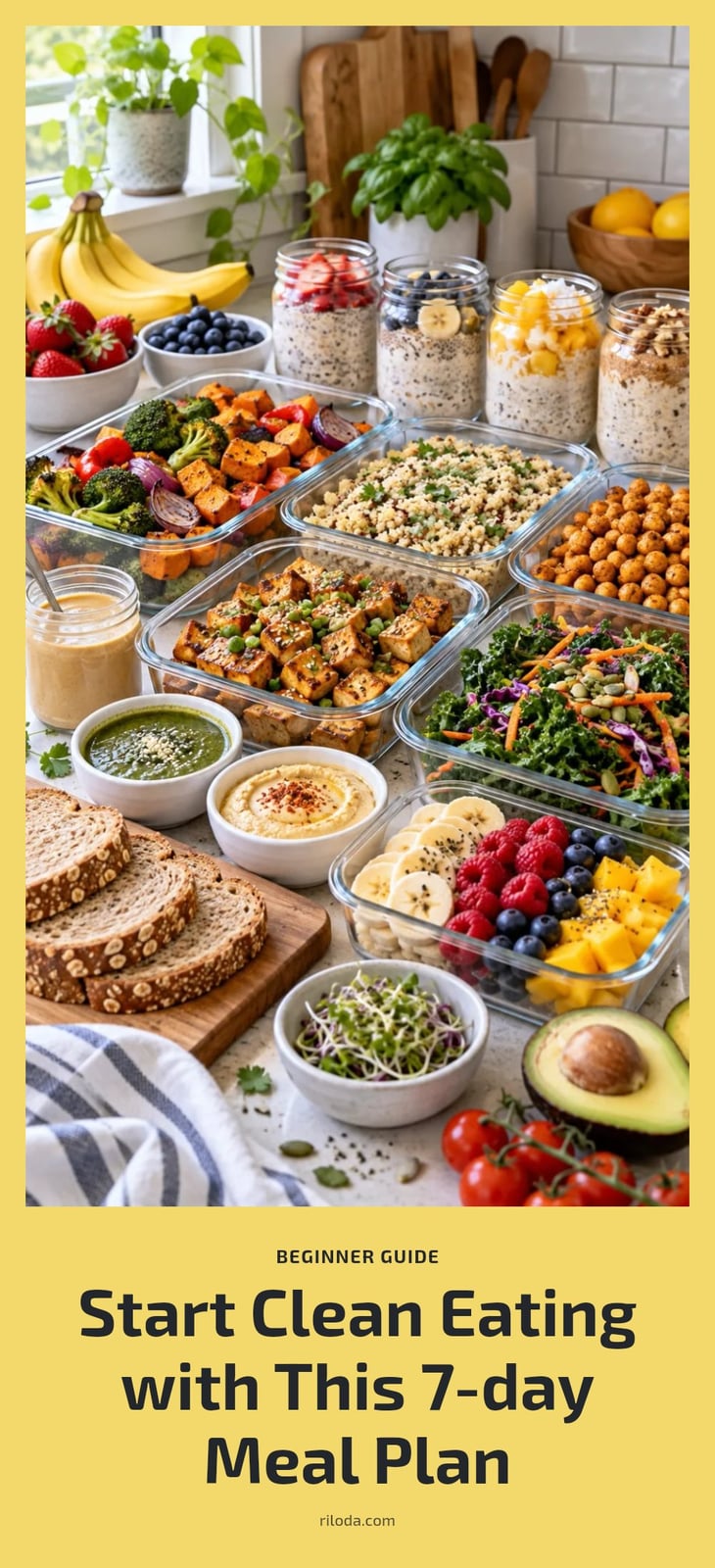
You want to eat better, but the idea of a complete diet overhaul feels overwhelming. Clean eating is simply about filling your plate with whole, unprocessed foods like fresh fruits, vegetables, lean proteins, and whole grains, while cutting back on artificial ingredients and added sugars. This article covers what clean eating really means, a 7-day meal plan to get you started, and practical tips to make it stick.
Key Takeaways
- Prioritize whole, unprocessed foods like fruits, vegetables, lean proteins, and whole grains.
- Read food labels to avoid hidden sugars, artificial additives, and unhealthy fats.
- Replace one processed item each week to build lasting habits without feeling overwhelmed.
- Hydrate with water throughout the day as a key part of your clean eating routine.
- Plan and batch cook meals to reduce reliance on convenient but unhealthy options.
What Exactly Is Clean Eating?
Clean eating means choosing whole, unprocessed foods as the foundation of your diet. It focuses on fresh fruits, vegetables, lean proteins, and whole grains while avoiding artificial ingredients, added sugars, and unhealthy fats. This approach is a sustainable lifestyle, not a strict diet, so it emphasizes mindful choices over rigid rules. You build meals around real ingredients rather than packaged products, and you listen to your body’s signals about hunger and fullness.
Your Clean Eating Shopping List
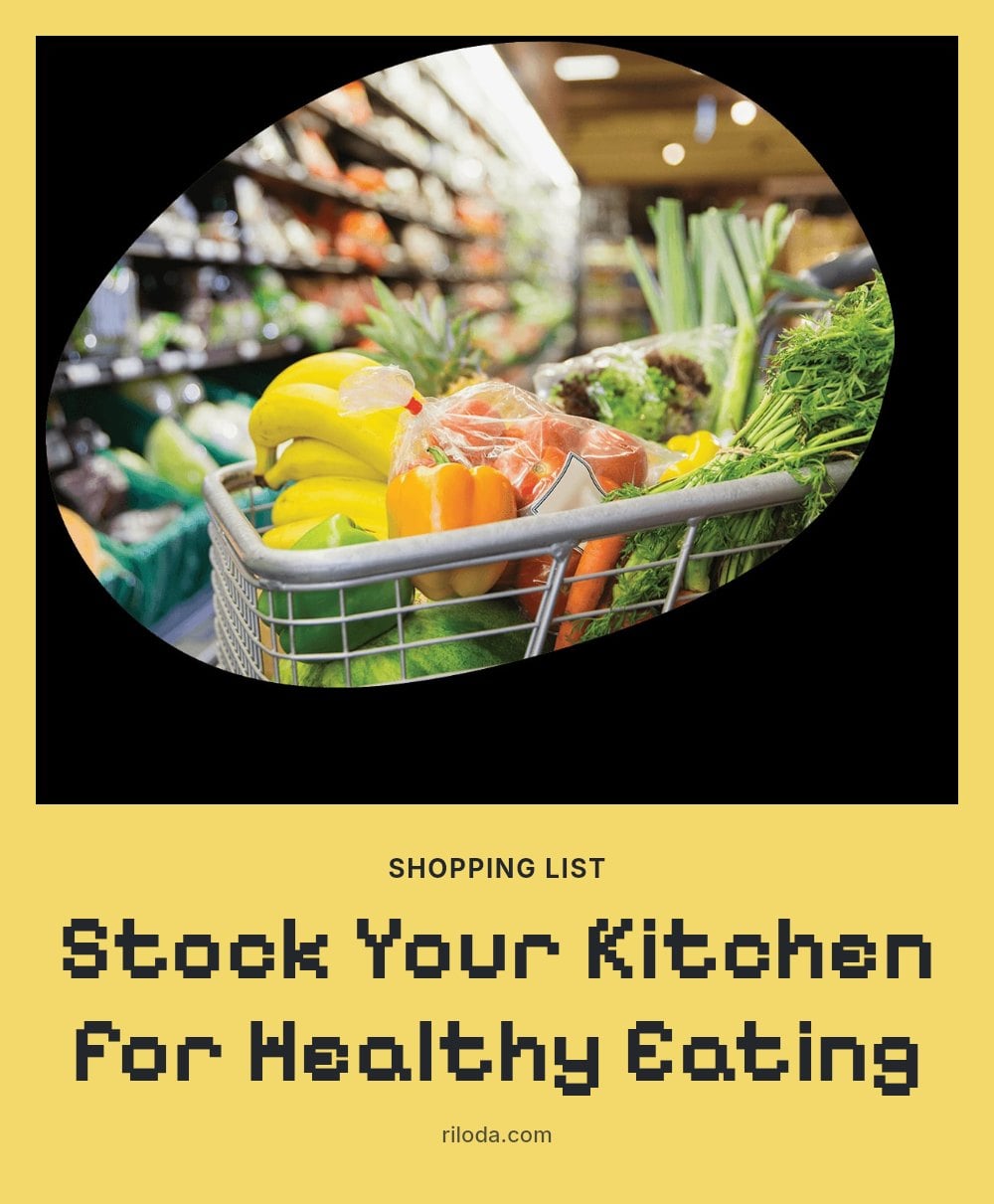
Start your clean eating journey with a well-stocked kitchen. Here are the categories to focus on:
- Fresh fruits and vegetables: Go for a rainbow of colors to get a variety of nutrients. Leafy greens, berries, citrus, and cruciferous veggies like broccoli are great picks.
- Lean proteins: Chicken breast, fish, eggs, beans, and lentils are key for building meals that keep you full.
- Whole grains: Quinoa, brown rice, oats, and barley provide steady energy and fiber.
- Healthy fats: Avocados, nuts, seeds, and olive oil support brain health and help you absorb vitamins.
- Hydration: Water is crucial. Aim to drink it throughout the day, and consider herbal teas for variety.
Your 7-Day Clean Eating Meal Plan for Beginners
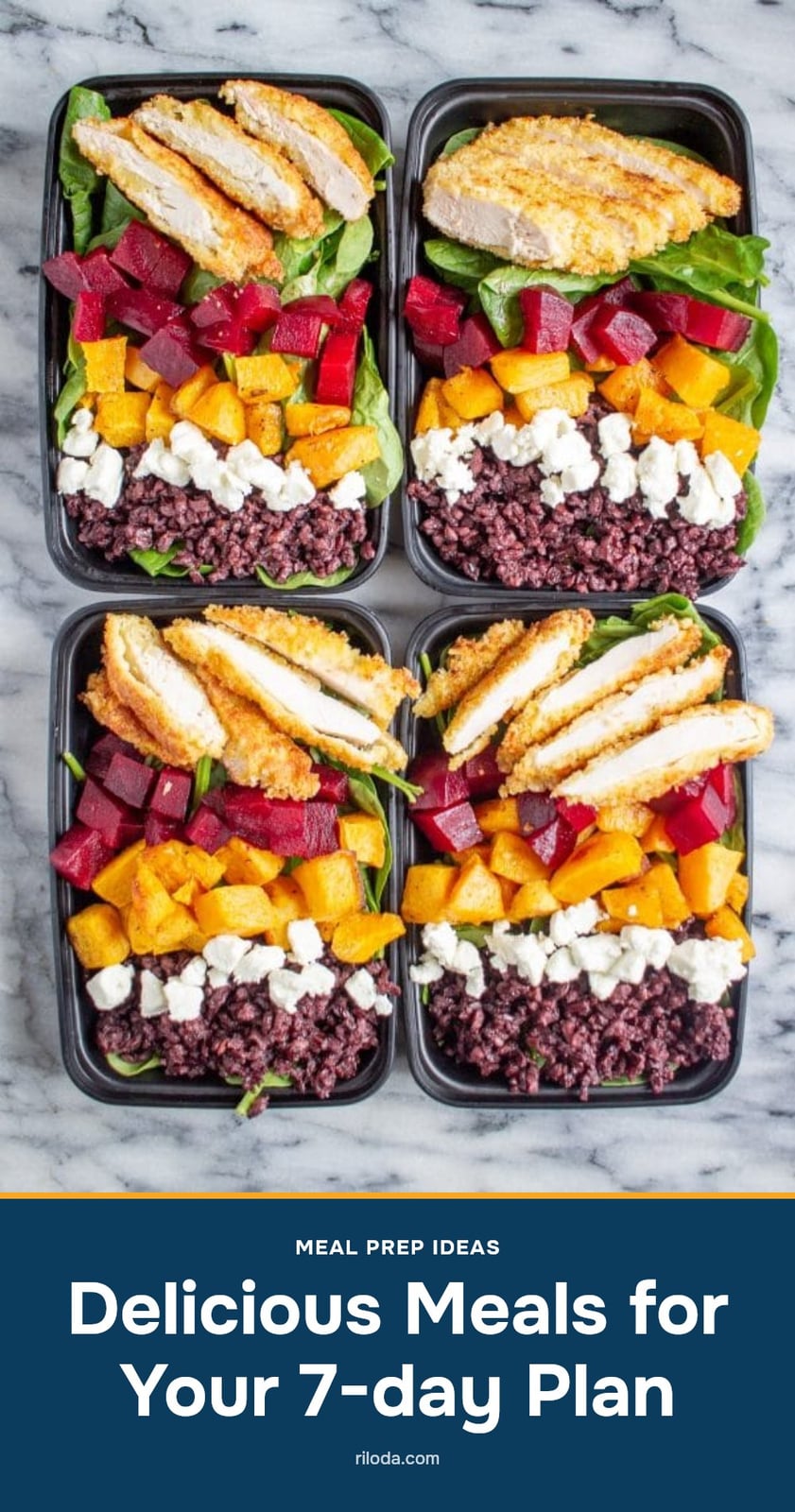
This simple plan gives you a starting point for seven days. Each day includes breakfast, lunch, dinner, and a snack. Drink water with every meal and between meals to stay hydrated.
| Day | Breakfast | Lunch | Dinner | Snack |
|---|---|---|---|---|
| Monday | Oatmeal with berries | Grilled chicken salad | Baked salmon with quinoa and steamed broccoli | Apple slices with almond butter |
| Tuesday | Greek yogurt with sliced banana | Lentil soup with a side of mixed greens | Turkey and vegetable stir-fry with brown rice | Handful of almonds |
| Wednesday | Smoothie with spinach, mango, and protein | Quinoa bowl with chickpeas, cucumber, and tahini | Baked chicken breast with roasted sweet potatoes and asparagus | Carrot sticks with hummus |
| Thursday | Scrambled eggs with sautéed spinach | Tuna salad on a bed of lettuce with whole-grain crackers | Black bean tacos with avocado and salsa on corn tortillas | Orange slices |
| Friday | Whole-grain toast with avocado and a poached egg | Leftover black bean tacos | Grilled shrimp with zucchini noodles and marinara | Small handful of walnuts |
| Saturday | Overnight oats with chia seeds and mixed fruit | Caprese salad with fresh mozzarella, tomato, and basil | Beef and vegetable kabobs with a side of quinoa | Cottage cheese with peach slices |
| Sunday | Two-egg omelet with mushrooms and bell peppers | Roasted vegetable and hummus wrap in a whole-grain tortilla | Baked cod with roasted Brussels sprouts and wild rice | Pear slices |
How to Successfully Adopt Clean Eating Habits

Transitioning to clean eating works best when you take it step by step. These actions help you build lasting habits without feeling overwhelmed.
- Replace gradually: Swap one processed item each week. Trade sugary cereal for oatmeal, or white bread for whole-grain bread. Small changes add up.
- Cook at home: When you prepare your own meals, you control every ingredient. Start with simple recipes like roasted vegetables and grilled protein.
- Read labels: Check ingredient lists for added sugars, artificial sweeteners, and preservatives. If you don’t recognize an ingredient, think twice.
- Stay hydrated: Drink water consistently throughout the day. Aim for at least eight cups, and more if you are active or in hot weather.
- Plan your meals: Spend 30 minutes each weekend mapping out your week. This prevents last-minute convenience food choices.
- Focus on progress: You don’t need to be perfect. If you have a less clean meal, just get back on track at the next one. Consistency matters more than perfection.
Common Clean Eating Mistakes to Avoid
One of the biggest missteps is becoming overly restrictive. Cutting out entire food groups or labeling foods as ‘bad’ can create an unhealthy relationship with food. Clean eating is about adding more whole foods, not subtracting everything you enjoy.
Neglecting meal planning is another common pitfall. Without a plan, you are more likely to grab whatever is quick, which often means processed options. Set aside 30 minutes each week to map out meals and prep ingredients.
Understand: ‘Clean’ does not automatically mean ‘organic.’ While organic produce can be a good choice, conventionally grown fruits and vegetables are still packed with nutrients. Focus on eating more plants, organic or not.
Portion sizes still matter, even with healthy foods. Nuts, avocados, and whole grains are nutrient-dense but calorie-dense too. A serving of nuts is about a handful, not the whole bag.
Hydration goes beyond just drinking water with meals. Many people feel hunger when they are actually thirsty. Keep a water bottle on your desk and sip throughout the day.
Finally, do not fixate solely on food. Sleep, stress management, and physical activity all play a role in your overall wellness. Clean eating works best as part of a balanced lifestyle.
Best Tips for Sustainable Clean Eating
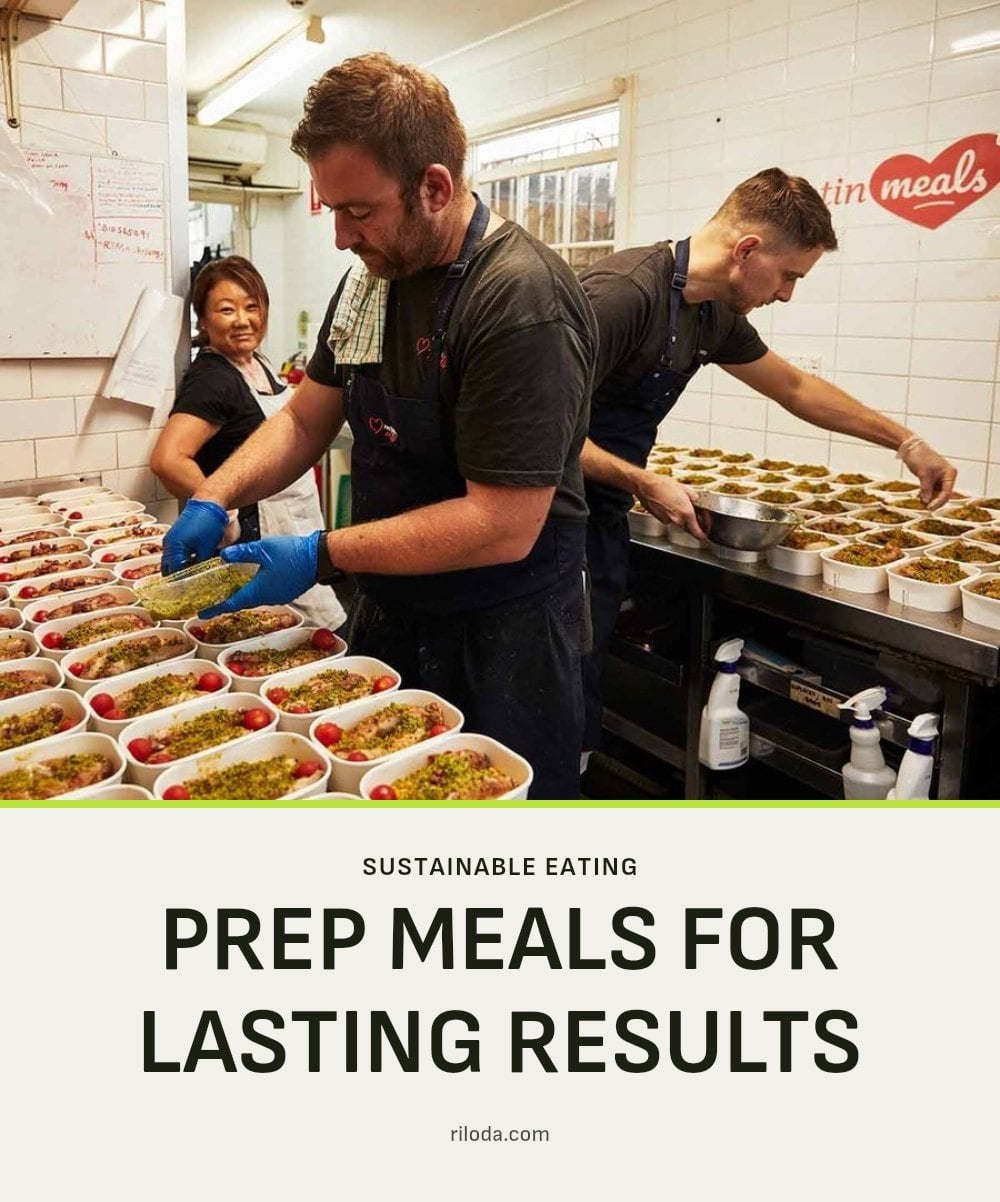
My tip for making clean eating stick is to embrace batch cooking. I usually spend 30 minutes each weekend roasting vegetables, cooking a batch of quinoa, and grilling chicken breasts. That way, healthy bowls and salads come together in minutes all week.
Experiment with herbs and spices to add flavor without salt or sugar. Cumin, smoked paprika, and fresh cilantro can transform a simple dish. Keep a few spice blends on hand to keep meals interesting.
Keep healthy snacks within reach. Pre-portion almonds, cut veggie sticks, or make hard-boiled eggs so you grab those instead of a granola bar when hunger hits. Out of sight really does mean out of mind.
Learn to listen to your body’s hunger and fullness cues. Eat when you are truly hungry, stop when you are comfortably satisfied. This takes practice, but it helps you avoid overeating even the healthiest foods.
Make clean eating a family affair. Get your partner or kids involved in choosing recipes and prepping ingredients. When everyone has a say, you build support and avoid cooking separate meals.
If you feel stuck or have specific health goals, do not hesitate to ask a registered dietitian for guidance. A professional can tailor advice to your needs and help you stay on track without guesswork.
When to Consult a Health Professional
Before making major dietary changes, especially if you have a health condition or are pregnant, consult a doctor or registered dietitian. They can help you create a safe plan that meets your nutritional needs.
Seek professional advice if you suspect you are missing key nutrients. Signs like low energy, brittle hair, or digestive issues may indicate a deficiency that requires testing and targeted supplementation.
Talk to a healthcare provider if you notice extreme calorie restriction or patterns that feel like disordered eating. Clean eating should nourish you, not control you. A professional can help you find balance and a healthier relationship with food.
Always listen to your body. If something feels off, adjust your approach. Your well-being comes first, and professional support is a smart step when you need it.
Frequently Asked Questions
What is the main difference between clean eating and dieting?
Clean eating is a sustainable lifestyle focused on adding nutrient-dense whole foods rather than restricting calories or cutting out entire food groups. Dieting often involves short-term rules and can feel temporary, while clean eating encourages long-term, mindful habits that support overall well-being.
Do I have to buy organic foods for clean eating?
No, organic foods are often preferred but not strictly required for clean eating. The focus is on choosing whole, minimally processed foods, whether they are organic or conventionally grown. Washing fruits and vegetables thoroughly is a good practice regardless of the label.
How quickly will I notice changes after starting clean eating?
Many people notice increased energy and improved digestion within a few days to a week of consistent clean eating. However, individual results vary based on your starting point and how strictly you follow the approach. Give your body time to adjust and pay attention to how you feel.
Can I still eat out while following a clean eating lifestyle?
Yes, you can eat out by choosing restaurants that offer whole-food options. Look for grilled proteins, steamed vegetables, salads with dressing on the side, and dishes without heavy sauces or breading. Ask about ingredients and preparation methods to avoid hidden sugars and unhealthy fats.
What if I’m vegetarian or vegan? Can I still eat clean?
Absolutely. Clean eating works well for vegetarian and vegan diets by focusing on plant-based whole foods like fruits, vegetables, legumes, nuts, seeds, and whole grains. Ensure you get enough protein from beans, lentils, tofu, and tempeh, and consider consulting a dietitian to meet all your nutritional needs.
Final Thoughts
My tip for lasting success is to focus on adding more whole foods rather than eliminating everything you enjoy. You can expect to notice increased energy and better digestion within a few days to a week of consistent clean eating. Start with one small swap this week and build from there.
This article is for general informational purposes only and does not constitute medical or dietary advice. Before making significant changes to your eating habits, especially if you have a health condition or are pregnant, consult a healthcare professional or registered dietitian. Listen to your body and adjust as needed.
More Blog ideas
- How to Use Rose Water for Radiant Skin and Healthy Hair
- What Is My Personality Type? Understanding Yourself Better
- How to Clean Your Pores at Home
- Vitamin C Benefits for Skin and Health Plus the Best Foods
- How to Start Shadow Work for Deeper Self-Understanding
- How to Prep Your Hair Before Bleaching for Less Damage
- How to Prepare Sea Moss Gel at Home for Wellness
- How to Use Rice Water for Glowing Skin and Shiny Hair
- How to Find Morning Motivation When You Want to Stay in Bed
- Filing Nails: How to File Nails Correctly for Strong, Healthy Fingernails
- Healthy Coping Skills: Proven Strategies for Difficult Times
- Simple Ways to Romanticize Your Life Every Day