Chafing: 9 Easy Ways to Stop Thigh Rub This Summer
Learn 9 easy and effective ways to stop thigh chafing this summer. Discover practical tips, products, and prevention strategies for lasting comfort.

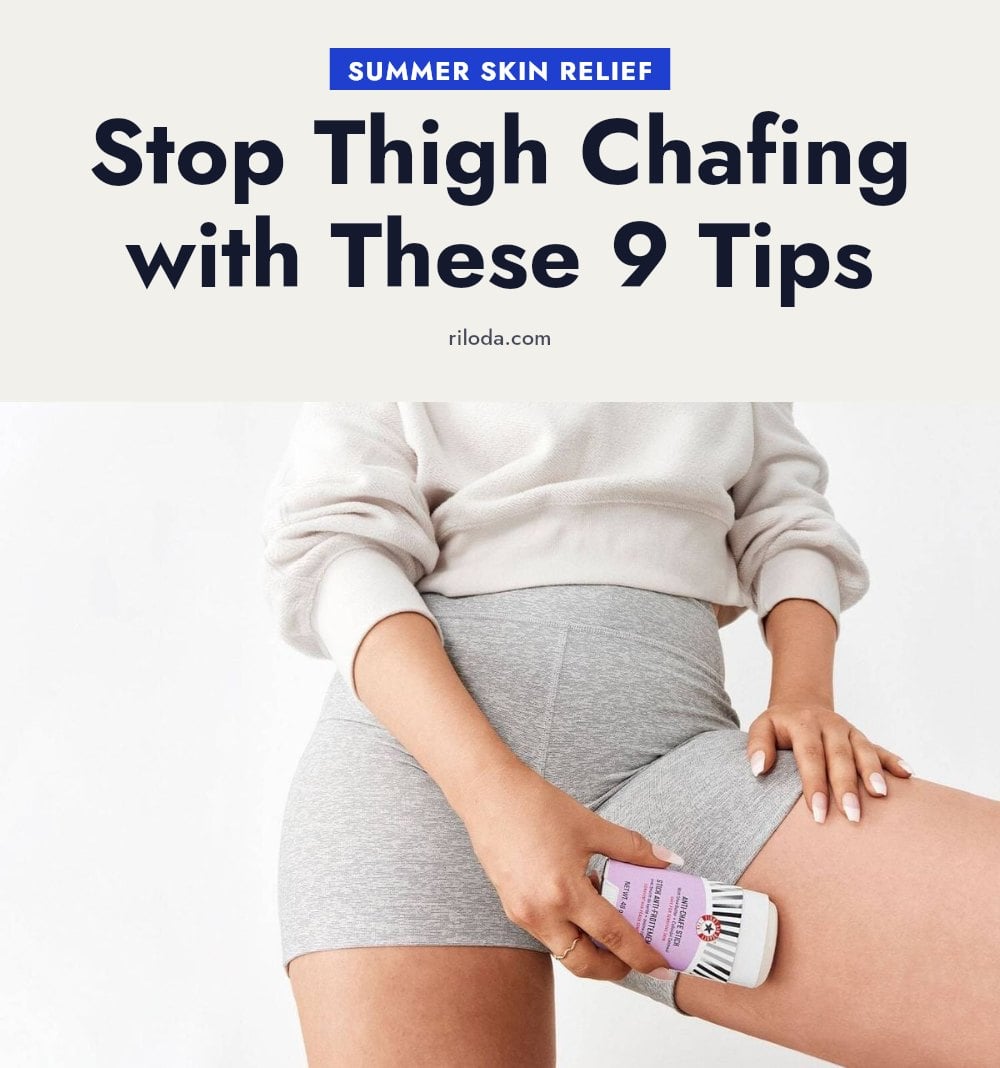
Thigh rub in summer is one of those things that can turn a great day into a sore one fast. The fix is simpler than you might think: cut down friction, keep the skin dry, and give irritated spots a protective layer while they calm down. That combination handles most everyday chafing between the thighs, under the arms, and beneath the breasts.
Here are nine practical ways to stop the rub before it starts and soothe skin that is already stinging, from balms and powders to the right shorts and fabrics.
Key Takeaways
- Apply an anti-chafing balm or stick to friction-prone areas before you get dressed, then reapply after sweating.
- Choose polyester, nylon, or spandex over cotton for exercise and hot days to keep skin drier.
- Wear thigh bands, slip shorts, or cycling shorts under skirts to block skin-on-skin rubbing.
- Wash irritated areas with mild, fragrance-free soap, pat dry, and skip alcohol-based products.
- See a doctor for open sores, bleeding, pus, spreading redness, fever, or irritation that lingers past a few days.
What is Chafing and How to Stop It?
Chafing is skin irritation caused by repetitive friction, often made worse by moisture and heat. It commonly shows up between the thighs, under the arms, or beneath the breasts. To stop it, focus on reducing friction and keeping the skin dry. Use barrier products, choose appropriate clothing, and apply moisture-absorbing powders. Addressing chafing early is key to preventing discomfort and potential skin damage, so don’t wait until it becomes painful.
1. Use Anti-Chafing Balms or Sticks
Anti-chafing balms and sticks create a slick, protective barrier on your skin, allowing it to glide instead of rub. Apply directly to friction-prone areas like inner thighs, under breasts, or armpits before getting dressed.
My tip: Reapply throughout the day, especially if you’re sweating or after swimming, to maintain protection. For best results, apply to clean, dry skin.
2. Wear Moisture-Wicking Fabrics
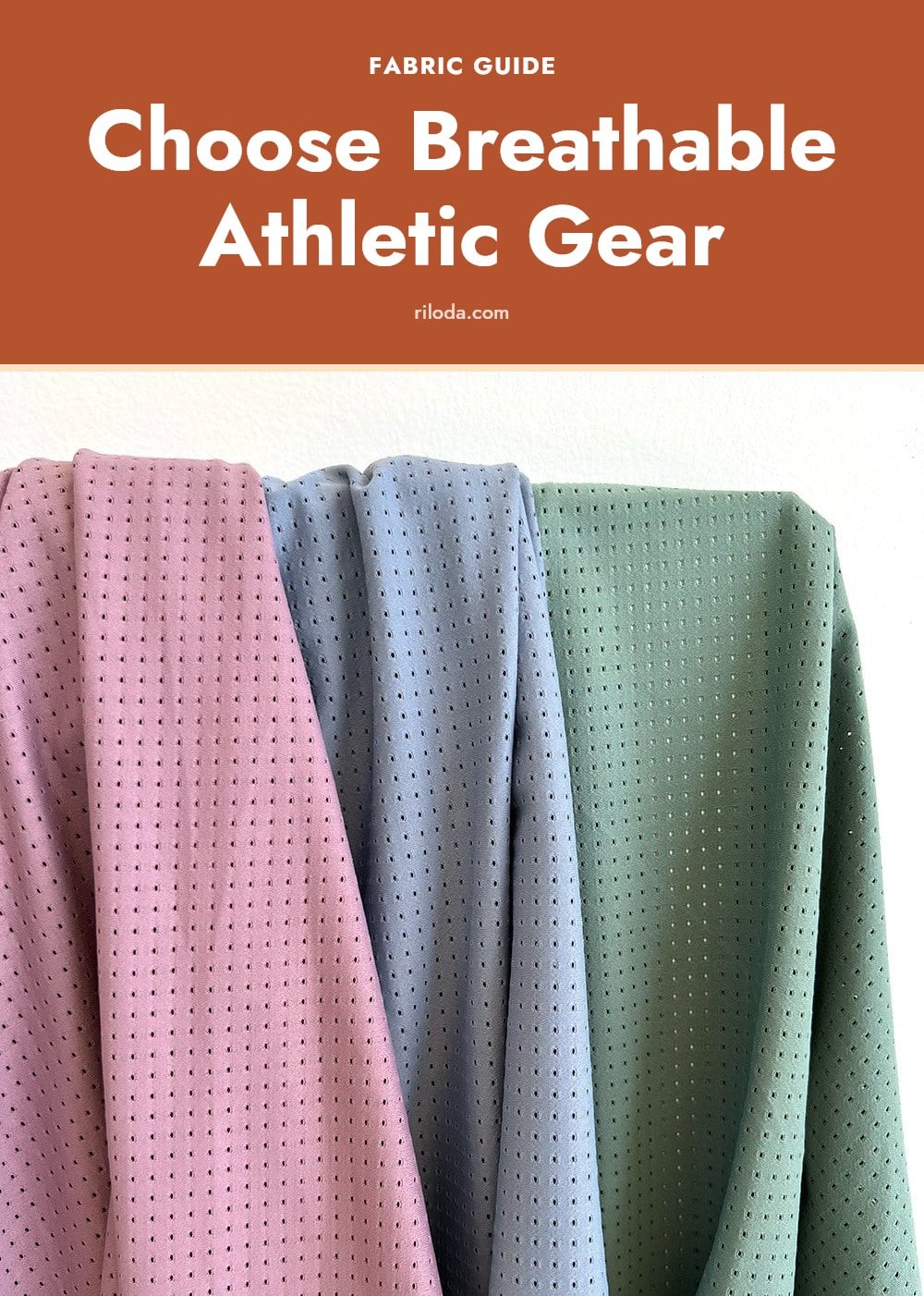
Opt for synthetic fabrics like polyester, nylon, or spandex, especially for activewear or during hot weather. These materials draw sweat away from your skin, keeping the area drier and reducing the likelihood of chafing.
Avoid cotton for exercise, as it absorbs and holds moisture, making chafing worse. Look for flat seams and a snug but not tight fit to minimize rubbing.
3. Apply Talc-Free Powders
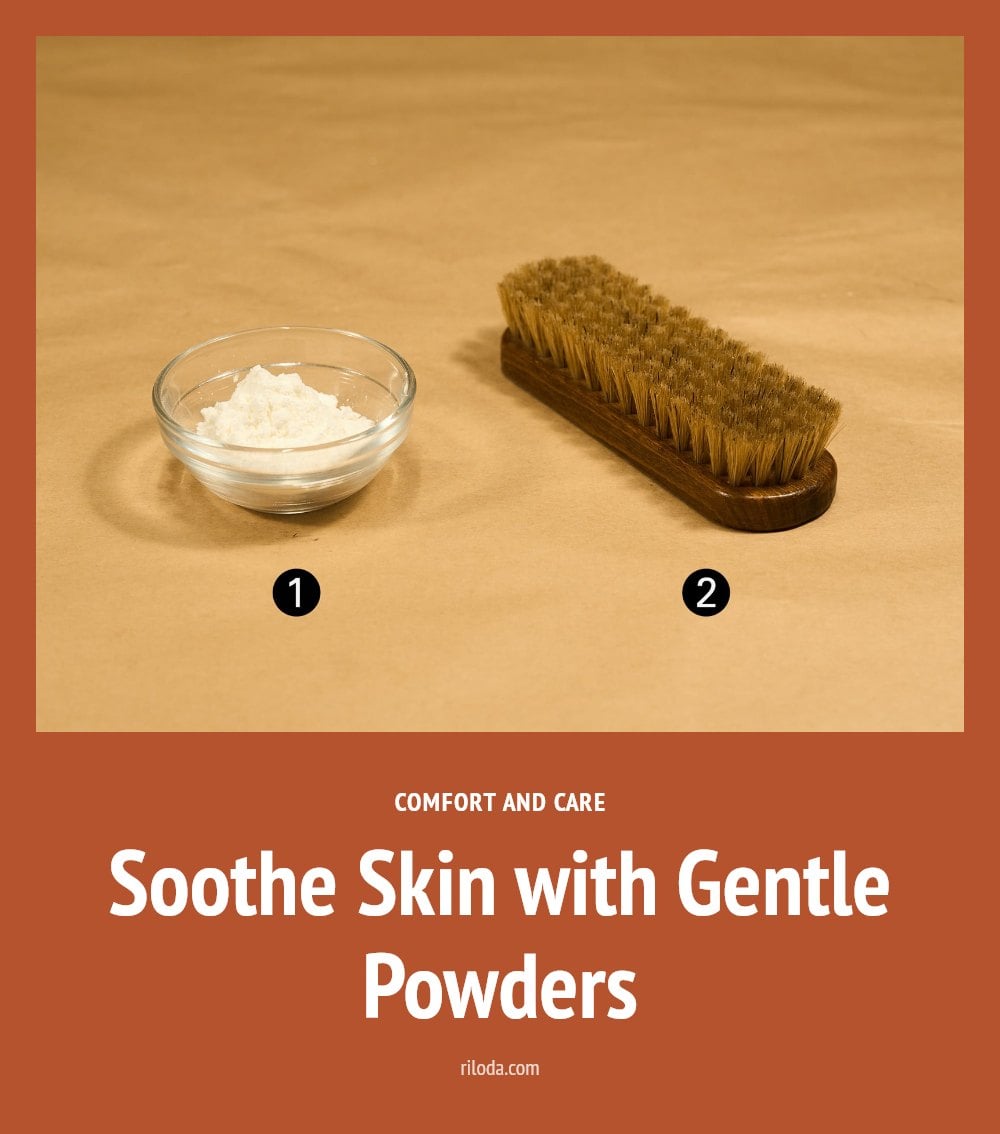
Cornstarch or arrowroot powder can absorb excess moisture and reduce friction between skin surfaces. Lightly dust the powder onto clean, dry skin in areas prone to chafing.
My tip: Ensure the area is completely dry before applying powder for best results, as it can clump on damp skin. For continued protection, reapply after sweating or showering.
4. Choose Protective Undergarments
Thigh bands, slip shorts, or cycling shorts worn under skirts and dresses create a physical barrier between your thighs. These garments prevent skin-on-skin rubbing, offering comfort and protection all day.
Look for options made from smooth, breathable fabrics that stay in place without rolling up or down. Seamless styles work best, as visible seams can create new friction points.
Choose a length that covers the full area where your thighs meet, and test a few brands to find one that doesn’t shift during movement.
5. Keep Skin Clean and Dry
Gently wash chafed areas with mild, fragrance-free soap and water, especially after sweating. Harsh soaps or alcohol-based cleansers can strip natural oils and worsen irritation.
Pat the skin completely dry with a soft towel; avoid rubbing, which can aggravate already sensitive tissue. Allowing the skin to air dry briefly before dressing can also help ensure no moisture is trapped.
Good to know: A clean, dry environment is essential for irritated skin to recover, so make this a priority after every workout or hot day.
6. Soothe with Petroleum Jelly
Petroleum jelly creates a protective, emollient barrier that helps reduce friction and soothe already irritated skin. Apply a thin layer to clean, dry skin to prevent further rubbing and aid in healing.
It works both as a preventive measure before activity and as a soothing treatment afterward. Keep a small jar in your gym bag for quick touch-ups.
Caution: Avoid applying petroleum-based products to broken skin if you suspect infection, as it can trap bacteria. If the area shows signs of infection, consult a doctor instead.
7. Wear Well-Fitting Clothing
Choose clothing that fits well, not too tight to cause rubbing, but not so loose it bunches up. For activities like running, form-fitting, moisture-wicking shorts or leggings can be more effective than loose shorts.
Ensure seams are flat and don’t rub against your skin in friction-prone areas. Run your hand along the inside of the garment to feel for rough stitching or tags that could irritate.
Try on new activewear and do a few squats or lunges to confirm it stays put without digging in.
8. Consider Aloe Vera or Zinc Oxide
For mild irritation, aloe vera gel can provide a cooling and soothing effect. Apply a thin layer to clean, dry skin and let it absorb before dressing. Zinc oxide cream, often found in diaper rash creams, creates a protective barrier that helps calm inflamed skin and reduces further rubbing. Tip: Always patch test new products on a small area of skin first to check for any adverse reactions, especially if the skin is already irritated.
9. Stay Hydrated and Manage Weight
Staying well-hydrated helps regulate body temperature and can reduce excessive sweating, which contributes to chafing. Aim for consistent water intake throughout the day rather than chugging before activity. While chafing affects all body types, managing weight can sometimes reduce skin-on-skin friction, particularly in the inner thighs. These are long-term strategies that support overall skin health and comfort, not quick fixes.
When to See a Doctor for Chafing
If chafing leads to open sores, bleeding, pus, or signs of infection such as spreading redness, increased pain, or fever, consult a doctor. Seek medical advice if the irritation doesn’t improve within a few days of home care or if it becomes severely painful. A healthcare professional can provide proper diagnosis and treatment, especially if a secondary infection is present. Don’t wait for symptoms to worsen before getting help.
Frequently Asked Questions
Can chafing lead to infection?
Yes, it can. Broken or cracked skin gives bacteria an opening, and scratching makes it worse. Watch for pus, spreading redness, increasing pain, or fever, and see a doctor if any of those appear. Keeping the area clean and dry and not scratching are your best defenses.
Is chafing only a problem for overweight people?
No. Chafing affects all body types, and it comes down to friction, moisture, and heat rather than size. Athletes, people in humid weather, and anyone in the wrong fabrics can deal with it. Managing weight can sometimes reduce skin-on-skin friction in the thighs, but it is not the whole story.
How long does it take for chafing to heal?
Mild chafing often improves within a few days with proper care, meaning clean, dry skin and a protective barrier. Severe cases can take longer. If the irritation does not improve within a few days of home care or becomes severely painful, it is time to consult a doctor.
Can I use deodorant to prevent chafing?
It is not a reliable chafing product, and scented deodorant can sting irritated skin. Stick with purpose-made balms, sticks, or talc-free powders instead. If you want to try deodorant, patch test it on healthy skin first and avoid anything fragranced on broken or sensitive areas.
What causes chafing?
Chafing is a form of irritant contact dermatitis caused by repetitive friction, whether skin rubs against skin, clothing, or other materials. Moisture and heat make it worse by softening the skin and increasing friction. That is why sweat, humidity, and cotton workout clothes so often set it off.
Final Thoughts
If you only do one thing, make it a barrier: smooth a balm or stick on your inner thighs before you dress, and keep a stash in your bag for reapplying after you sweat. Pair that with moisture-wicking fabrics and well-fitting clothes, and most mild chafing should settle within a few days of consistent care. My tip: treat the first hint of stinging as your cue to act, not the moment it becomes painful.
Expect prevention to be a daily habit in hot weather rather than a one-time fix, and give your skin a few days of clean, dry, protected care before you judge the results.
This article is general information, not medical advice. Chafing is usually mild and manageable at home, but see a doctor or dermatologist if you have open sores, bleeding, pus, spreading redness, fever, significant pain, or irritation that does not improve within a few days.
More Blog ideas
- How to Use Rose Water for Radiant Skin and Healthy Hair
- What Is My Personality Type? Understanding Yourself Better
- How to Clean Your Pores at Home
- Vitamin C Benefits for Skin and Health Plus the Best Foods
- How to Start Shadow Work for Deeper Self-Understanding
- How to Prep Your Hair Before Bleaching for Less Damage
- How to Prepare Sea Moss Gel at Home for Wellness
- How to Use Rice Water for Glowing Skin and Shiny Hair
- How to Find Morning Motivation When You Want to Stay in Bed
- Filing Nails: How to File Nails Correctly for Strong, Healthy Fingernails
- Healthy Coping Skills: Proven Strategies for Difficult Times
- Simple Ways to Romanticize Your Life Every Day